Robbie Thain
Founder, CEO

Discover why physical sampling and disciplined retail execution generate real pipeline, backed by experiential marketing lessons from Kraft Heinz at Cannes Lions.
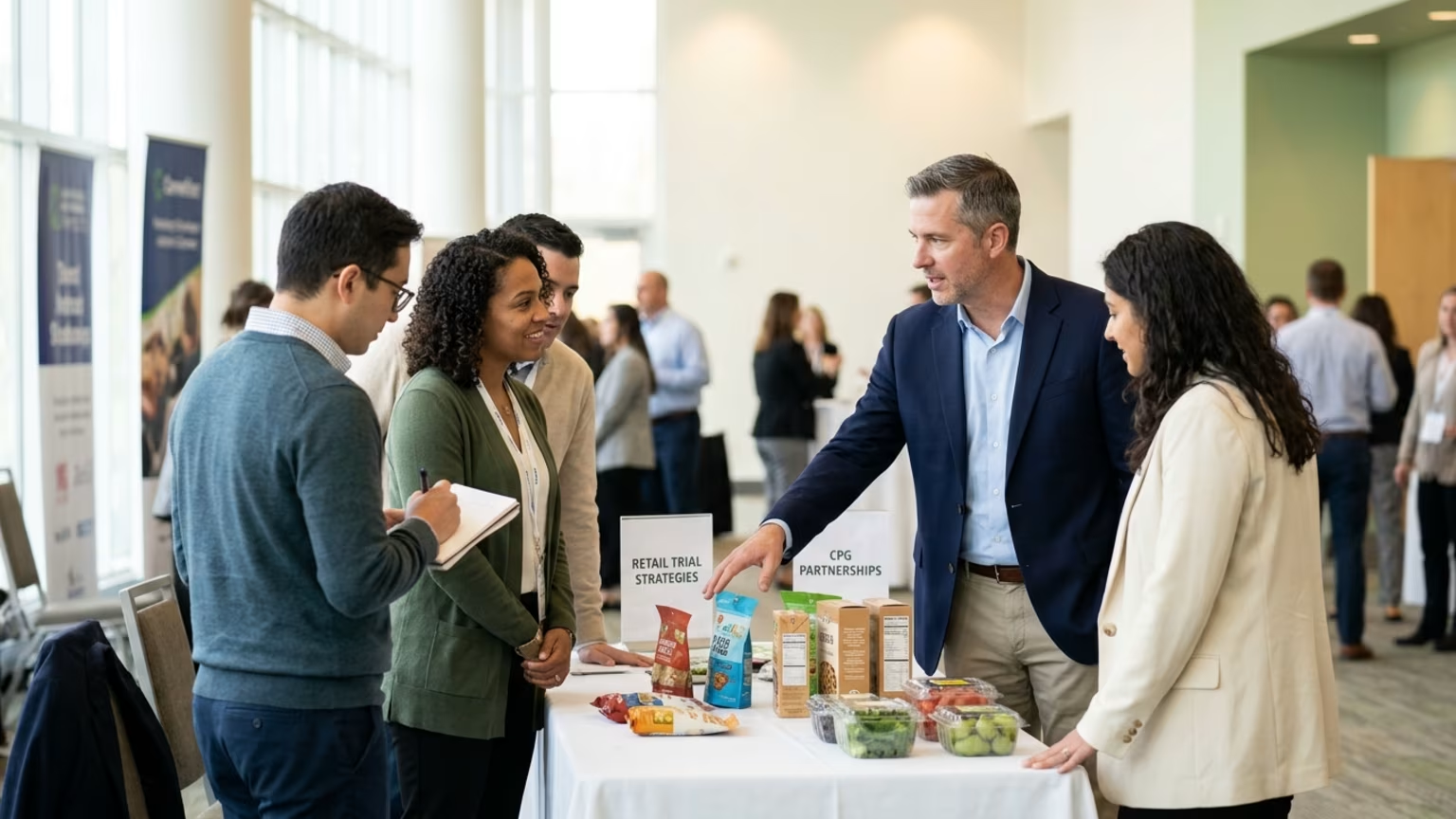
A field marketing manager stands in a crowded convention center aisle. The interactive augmented reality booth cost six figures to build. Thousands of people walk past without stopping. Not a single retail buyer has actually tasted the product.
Your massive digital theater activation is bleeding your budget dry. Brands spend millions trying to engineer viral moments with screens while ignoring the most powerful tool available. The real growth driver is physical product interaction. The Kraft Heinz Company understands this reality perfectly.
At Cannes Lions 2026, Kraft Heinz North America CMO Todd Kaplan presented a refreshing perspective. He argued that marketing is supposed to be fun and that looser teams produce better work. Kaplan spoke during a live Adweek Marketing Vanguard interview hosted by Jenny Rooney in partnership with Edelman. Beneath that conversation about joy lies a ruthless operator truth.
Physical engagement wins the shelf. Culturally connected teams might build better campaigns, but those campaigns still require a physical handshake with the consumer. True experiential marketing strips away the fluff to focus on getting the product into physical hands. Brands that master this physical handshake outmaneuver their competitors every single time.
The pressure to prove Return on Investment is higher than ever before. Marketing budgets are heavily scrutinized by finance departments. If a field marketing activation cannot prove it moved volume, it will be cut from next year's plan. This harsh reality forces savvy brand directors to rethink their entire event strategy.
Many CPG companies treat live activations as an afterthought to their digital media strategy. They pour resources into targeted ads but treat their retail sampling program like a basic chore. This mindset ignores the undeniable power of a real human conversation. People want to physically try products and buy them from brands they trust.
Mainstream experiential marketing often prioritizes aesthetics over transactions. Marketing leaders authorize massive budgets for activations that generate beautiful photos but zero qualified pipeline. The anxiety over spending huge sums without proving sales lift is a daily reality for executives. They watch agencies build complex digital layers while basic sampling execution falls apart completely.
Kaplan noted in his interview that cultural fluency is becoming more important. Consumers are simply finding paid media easier to ignore. However, chasing culture often leads brands into a trap of creating mere spectacles. The spectacle gets social media likes, but it rarely books meetings with retail category managers.
A beautiful dumpster fire happens when a brand confuses attention with intention. You might build an immersive maze that stops traffic at a massive trade show. If attendees leave without understanding your product truth, that budget was entirely wasted. Brands need live experiences that convert, not just temporary art installations.
Marketing teams under pressure often mistake busy booths for effective ones. They collect generic badge scans instead of facilitating deep product conversations. This fragmented execution destroys ROI and frustrates field marketing managers. The focus must remain on generating trial and securing absolute retailer confidence.
The disconnect between creative agencies and field operators is a massive vulnerability. Agencies want to win awards for innovative booth designs. Operators need to show that their event spend resulted in measurable pipeline and store-level velocity. When these two goals misalign, the resulting activation is guaranteed to underperform.
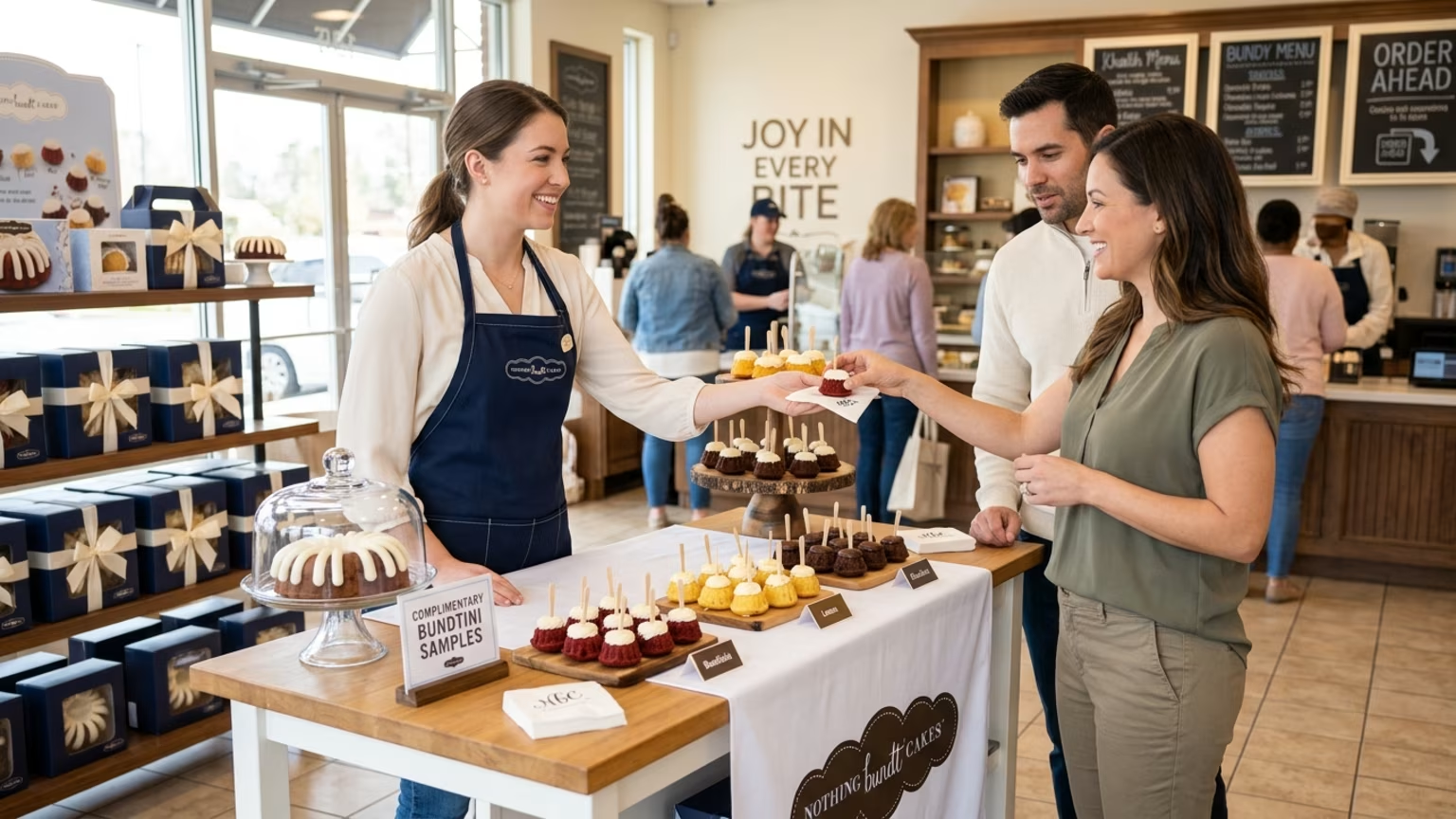
We believe in a different standard at makai. We pair approachable, human-centered engagement with brutal operational discipline. A warm smile pulls the consumer in for a real, memorable conversation. Rigorous logistics ensure the product is actually available on the shelf directly behind them.
This aloha-style connection only converts when backed by operator-grade execution. Our teams know that a positive emotional connection requires flawless background management. From permitting and routing to consistent ambassador training, every detail matters immensely. We turn fleeting consumer interactions into qualified leads by controlling the execution environment completely.
A Director of Brand Strategy in the CPG snack division shared: "The Makai team turned our product launch into a sensory event that shoppers still talk about. From creative storytelling to flawless in-store execution, they made snack time unforgettable. We couldn't have asked for a stronger partner." Our team created an in-store experience that left a lasting impression on consumers and became a memorable brand moment.
This level of discipline is crucial for scaling consistent retail execution across multiple categories. According to Adweek's description of Kaplan's remit, Kraft Heinz North America markets more than 70 brands across 50 categories. Managing that massive scale requires disciplined portfolio marketing to create stronger solutions for retailers. Kaplan described this portfolio effort as an attempt to unify solutions across brands.
Kaplan also described empathy as both a marketing and leadership skill. Externally, empathy helps teams truly understand their key audiences. Internally, it helps leaders recognize the fatigue caused by constant organizational change. This empathy clarifies the transition from the current state to the desired future state.
Our approach to Costco roadshows and mobile sampling tours relies heavily on this internal empathy. We know that field marketing teams are overwhelmed by complex event logistics. By acting as the seasoned field general, we provide clarity and total control. We handle the heavy lifting so brand leaders can focus on measuring real success.
It is time to stop tracking vanity metrics like foot traffic. Brands must start demanding tangible outcomes from their live investments. The focus should shift to the number of samples distributed to target buyers. Teams must also track the volume of retail meetings booked directly from field events.
Look at the Cannes Lions 2026 recognized campaigns discussed by Kaplan. Heinz won a Cannes Lions Grand Prix for its "Looks Familiar" campaign. This brilliant initiative used the resemblance between the Heinz keystone logo and French-fry boxes as its creative insight. It succeeded because it connected a simple physical truth directly to the brand.
The Adweek interview also highlighted other tactile product innovations. Campaigns like Heinz's "The Dipper" and Jell-O's "Gelometer" turned products into interactive objects. These physical touchpoints strengthen a creative idea when they are directly connected to consumer behavior. They move beyond mere advertising to become actual, tangible brand encounters.
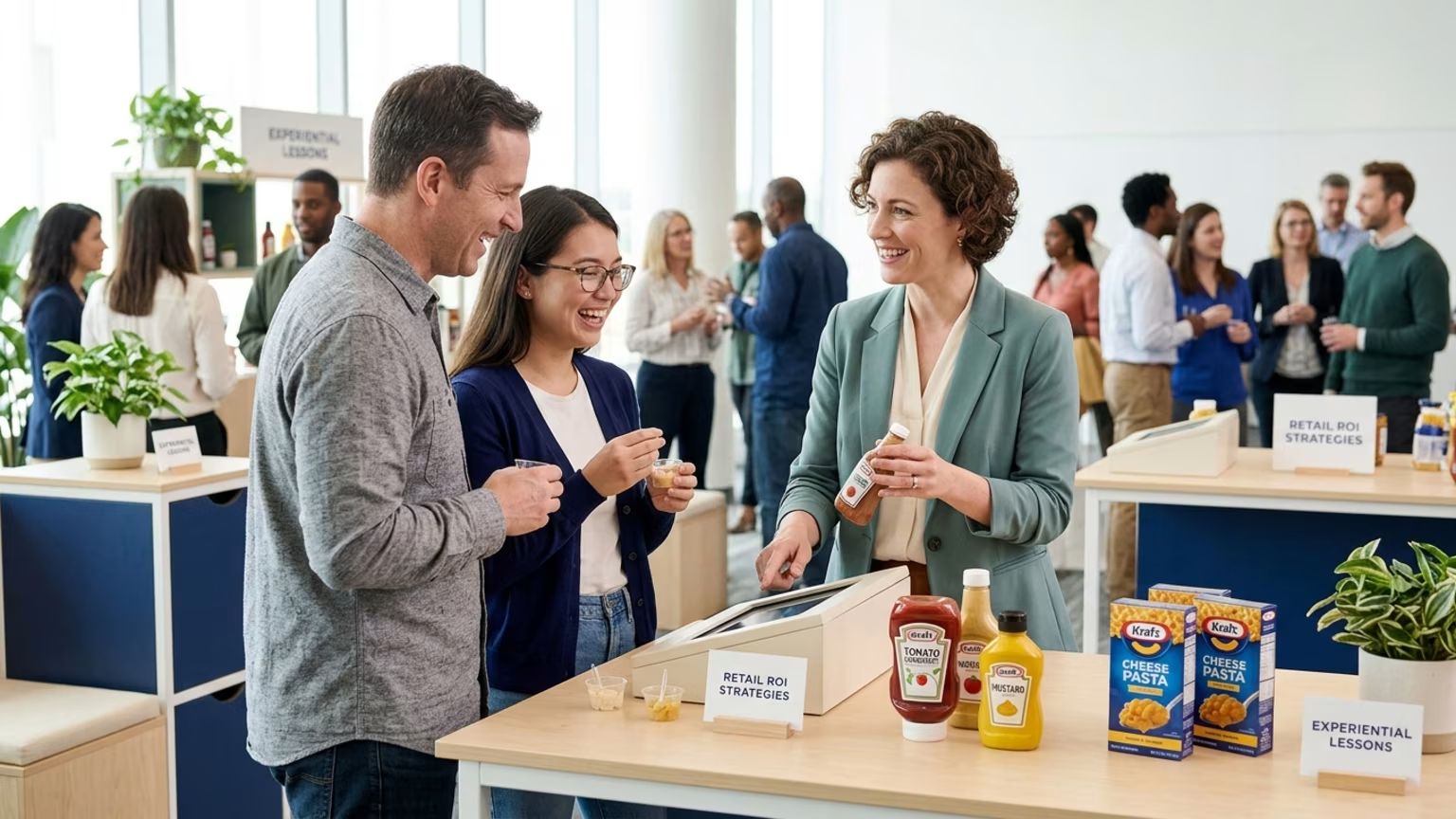
Furthermore, Kraft Heinz and Disney recently announced a major multiyear strategic alliance. This agreement spans 10 Kraft Heinz brands across media, theme parks, and cruises. The alliance includes new menu items and condiment stations at Disney destinations. These guest-facing experiences perfectly illustrate how to put brands into highly social consumer occasions.
By placing products in physical environments during shared cultural moments, brands invite genuine participation. This approach is far more effective than hoping a digital ad breaks through the noise. However, brands must measure this participation correctly to prove the investment actually works. A clear measurement strategy ensures you never confuse activity with actual commercial progress.
Kraft Heinz uses physical destinations to connect brands with consumers. Brands can similarly unify retail media and in-store engagement with digital tools. You can track exactly how in-store encounters influence digital buying behavior. Retailers are highly supportive of brands that connect live sampling to measurable digital reorders.
A practical measurement framework requires looking past simple engagement counts. You must verify staffing, track product availability, and monitor sample counts at the exact store level. You should also measure trial-to-purchase conversion and incremental units sold during the activation window. These strict metrics give CMOs the confidence they need to authorize future trade show booths and roadshows.
The goal is to shift the narrative from tracking passive views to tracking active product trials. Every activation must have a clear mechanism for moving a consumer from curiosity to consumption. If an event cannot generate a measurable physical interaction, it is not an experiential marketing win.
Brand theater is a luxury, but measurable trial is an absolute necessity. CPG marketers must demand flawless execution over pure aesthetics to survive in physical retail environments. A brilliant creative insight only generates pipeline when it is placed directly into a consumer's hands. Shift your focus from buying attention to engineering tangible product encounters that produce documented sales lift.
When you prioritize warm human connection and strict operational tracking, you eliminate the guesswork. This is the only way to build campaigns that drive real commercial growth. Stop approving budgets based on booth renderings alone. Require your agency to submit a documented plan for how every single visitor will physically try your product before you sign the next contract.

30 Years Experiential & Retail Activation Partner for CPG & Beverage Brands | Multi-Market Demos, Roadshows & Costco/Club Programs That Actually Sell