Robbie Thain
Founder, CEO

CPG brands are shifting budgets from broad digital awareness to retail media and measurable in-store experiential marketing to drive proven basket lift.

Digital media alone cannot close a physical sale in the grocery aisle. Consumer packaged goods brands are actively shifting budgets from broad digital awareness into retail media networks and live in-store engagement to capture high-intent shoppers. This new performance mindset demands measurable lift, tighter data integration, and clear attribution from sampling events directly to basket size.
Walk into any major club retailer on a busy weekend. You will see a chaotic spread of isolated marketing tactics competing for shopper attention. A digital screen plays a slick brand video near the front entrance. A fragmented sampling booth sits three aisles away with a generic folding table and zero connection to the digital message. The shopper sees two entirely disconnected campaigns.
Brand marketers spend millions on targeted retail media networks. Yet, their physical activations rely on blind faith and generic foot traffic. There is no unified system to measure how a digital impression translates into a physical product trial. The result is a broken loop where digital teams celebrate clicks as field teams count empty sample cups. Return on Investment remains a total guessing game.
This disconnect happens right when consumer expectations are demanding total consistency. A recent industry analysis warns against treating social media as a standalone content engine. Brands must treat it as part of a broader strategy connecting online brand building directly to in-store execution. When these channels operate in silos, brands suffer from fragmented execution, inconsistent staffing, and poor in-store presentation.
A modern retail strategy stops treating physical and digital channels as separate entities. The solution requires a coordinated ecosystem where digital ads and in-store engagement work together. According to a 2026 marketing analysis from v9 Digital, successful consumer brands now allocate roughly 40 to 50 percent of their budget to performance-driven channels. This shift pulls dollars away from generic reach and places them directly at the point of decision.
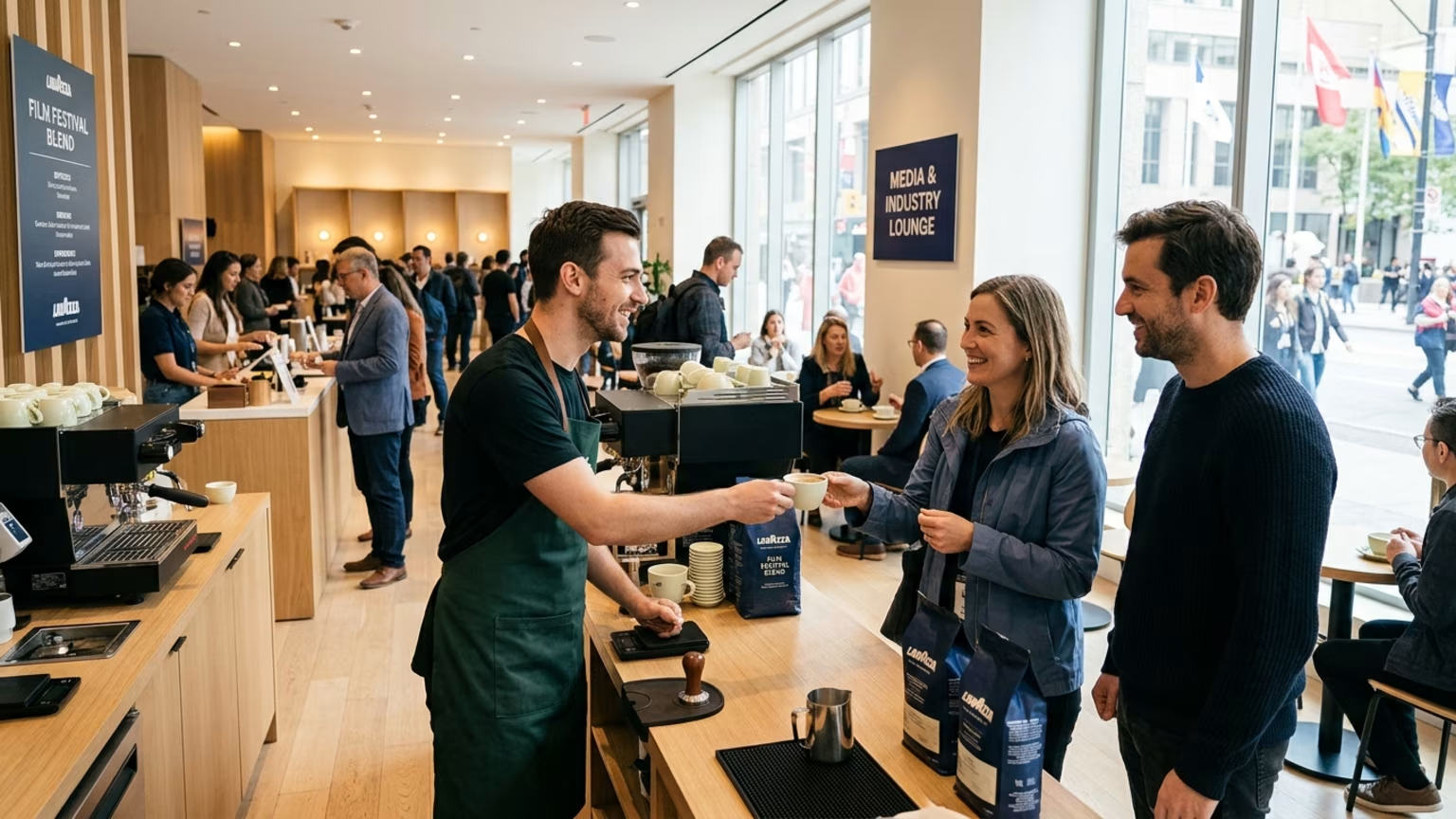
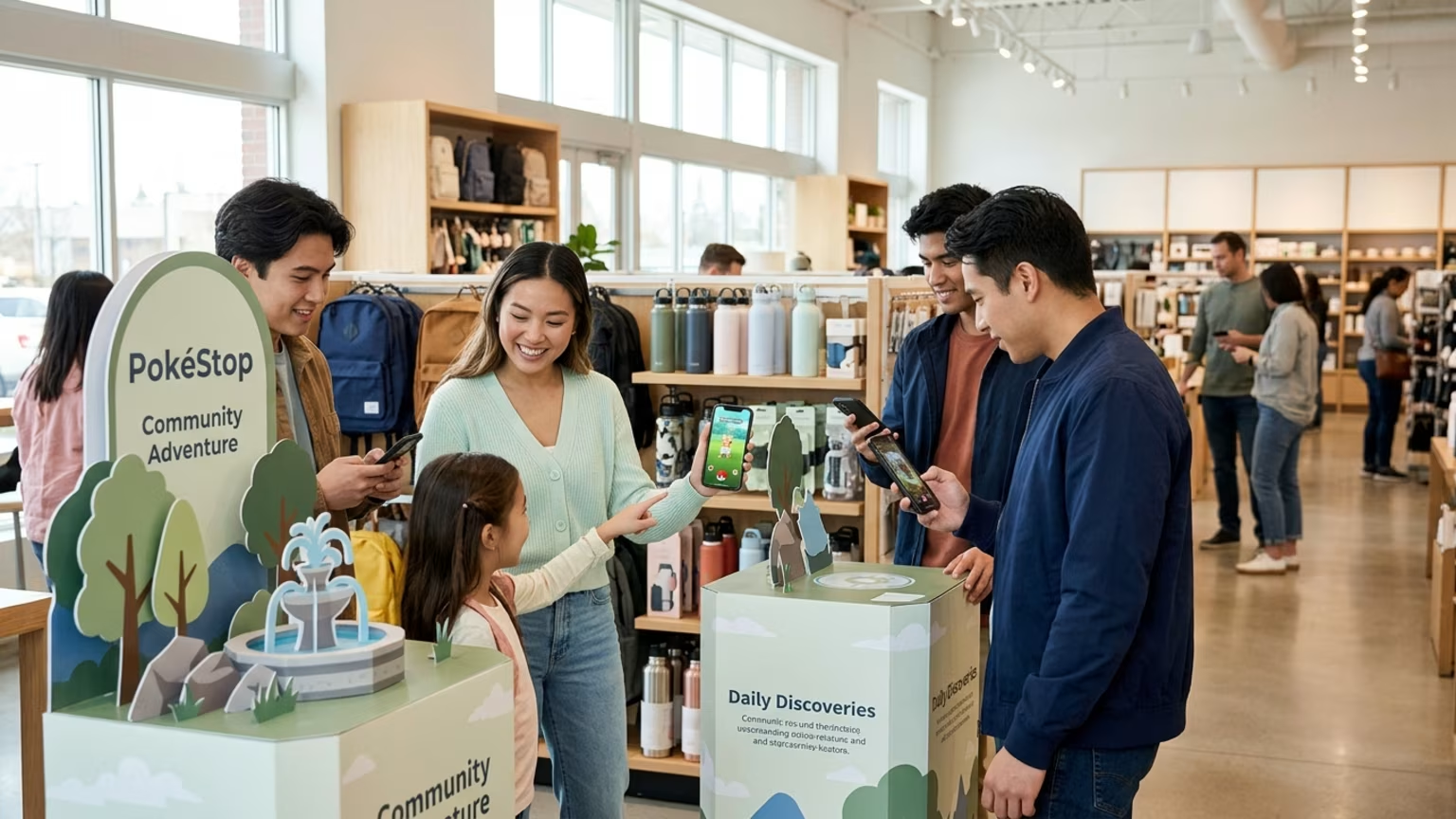
We blend physical and digital touchpoints by integrating QR codes and mobile technology into real-world activations. This builds a cohesive layer across our retail and event experiences. This blended approach is an upgrade we apply to many types of experiential work to drive connected results. It turns an isolated product trial into a connected data point.
Shoppers receive a targeted digital ad before they enter the store. Once inside, trained brand ambassadors deliver a physical experience matching the digital promise. This alignment builds immediate trust and accelerates the path to purchase. Research from dunnhumby reveals that 91 percent of shoppers are comfortable sharing transactional data if it leads to relevant advertising.
Consumers actively demand this level of personalized relevance. Seven out of ten shoppers state they are likely to trust personalized ads compared to generic messaging. When the physical interaction mirrors the retail media message, shoppers buy with confidence. Smart brands that optimize retail engagement through psychology and smart activation design see higher conversions.
Shoppers increasingly ask artificial intelligence tools direct questions about sustainability and private-label alternatives. A recent report notes that 76 percent of consumer product marketers believe artificial intelligence will be necessary for engaging new customers. Experiential marketing campaigns must mirror these exact same data points in the physical world. Brand ambassadors must answer the exact same questions the shopper typed into their phone that morning.
Turning this unified strategy into a reality requires operator-grade discipline. You must plan the digital media flight and the live activation simultaneously. Here is the exact process to execute a measurable hybrid campaign.
Live retail events can no longer survive on soft metrics like impressions or smiles. Field marketing must prove its worth using the exact same rigor as digital performance channels. You need a clear framework of lead and lag indicators. This framework forces accountability onto every single store execution.
Lead metrics track the immediate traction of your live activation. These include the total number of qualified interactions, digital coupon clips, and QR code scans at the booth. You must monitor the volume of samples distributed per hour. These leading indicators tell you if the field team is effectively capturing shopper attention.
Lag metrics prove the actual financial impact of your campaign. The most critical lag metric is incremental sales lift in the activated stores. You must measure new-to-brand buyer percentage and the long-term basket size of those acquired shoppers. Retailers are increasingly willing to share anonymized performance data to validate these outcomes.
Without clean test and control design, brands often over-attribute sales spikes to events that were mostly riding seasonal demand. You must isolate the true incremental lift from normal promotional stock-up behavior. Some sales during a demo are simply cannibalizing future purchases from existing loyalists. Rigorous measurement proves if you are actually converting new buyers or just discounting products for people who already love your brand.
Working with a specialized third-party partner who understands these data flows is highly cost-effective. According to industry reports from CPG Matters, fixed cameras and digital shelf labels are capturing more accurate information to inform in-store implementation. These tools prove how physical retail outperforms digital environments when properly measured. The data cuts through the pervasive storytelling bias common in experiential marketing.
Consider a fast-growing beverage brand launching a new zero-sugar product line across regional grocers. They previously relied on disconnected digital ads and sporadic in-store sampling. The results were always murky and impossible to scale. They needed a system that turned live interactions into measurable pipeline.
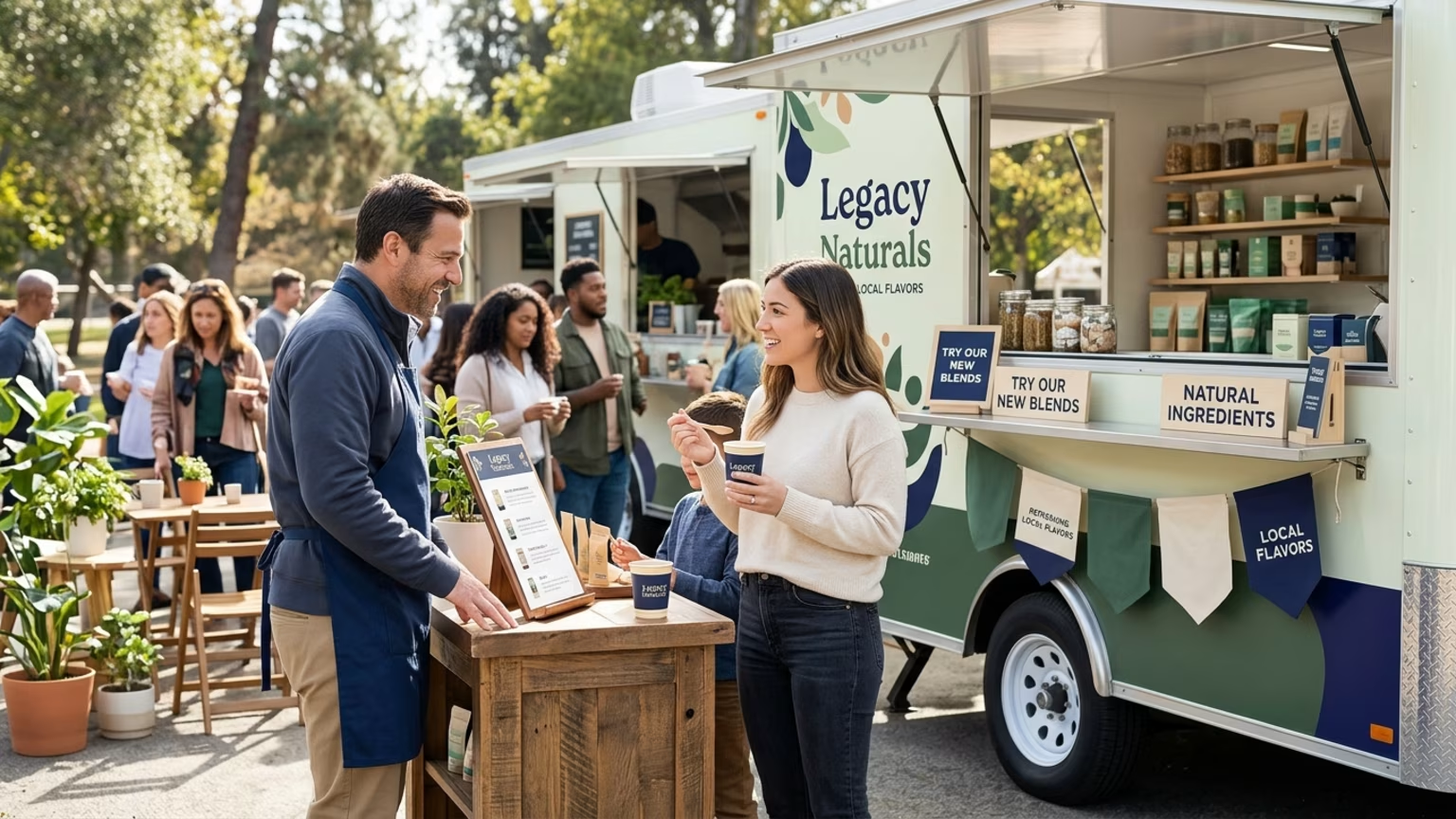
Our team redesigned their entire rollout strategy to integrate seamlessly with the grocery chain retail media network. We targeted digital ads at heavy category buyers within a five-mile radius of specific stores. Inside those locations, our ambassadors ran structured product trials featuring scannable digital coupons. The physical branding matched the digital ads flawlessly.
The data proved the model worked. The activated stores saw a massive surge in incremental basket lift compared to the control group. The digital coupons allowed the brand to track trial through to repeat purchase over the following two months. The digital impression sparked the interest, but the physical trial secured the sale.
This operator-grade discipline applies perfectly to high-volume environments like club retailers. Managing end-to-end roadshows requires synchronizing weekend sampling events with member-targeted retail media ads. Post-event reporting then compares unit lift versus control weeks to prove true incrementality. We see this exact dynamic play out across national grocery expansions and major sponsorship activations.
You can stop guessing about your experiential event performance. If you are ready to align your digital media with real-world execution, we should talk. Book a strategy call with our team today. By unifying your retail media and in-store engagements, you can guide that Saturday shopper straight from the front entrance to the checkout aisle.

30 Years Experiential & Retail Activation Partner for CPG & Beverage Brands | Multi-Market Demos, Roadshows & Costco/Club Programs That Actually Sell