Robbie Thain
Founder, CEO

Discover how AI-powered logistics and real-time visibility protect multi-city tour ROI. Learn predictive routing strategies for flawless field marketing.
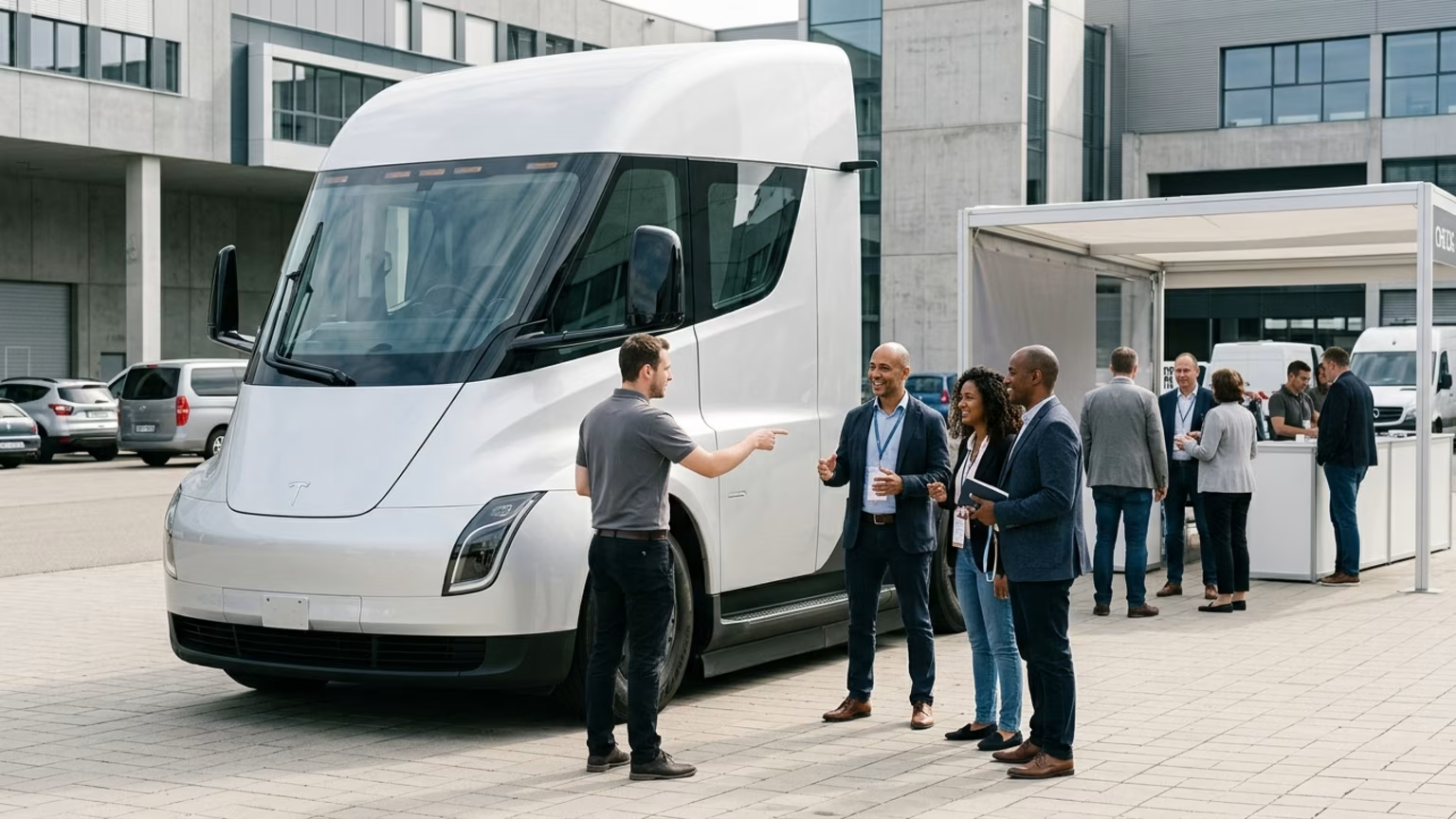
The upcoming Trimble Insight 2026 conference highlights a massive shift toward predictive routing and real-time asset tracking in commercial transportation. Brand marketers must adopt these advanced supply chain frameworks to guarantee their multi-city tours and physical activations arrive on time and actually generate Return on Investment.
The stadium parking lot sits empty at 6:00 AM as the local crew checks their watches. A 53-foot trailer carrying custom refrigeration units and three days of product is nowhere to be found. The driver is out of cell range. The client arrives in exactly two hours.
Missing a delivery window ruins the physical execution of any live brand experience. U.S. on-time truckload performance often drops below 80 percent during tight capacity or bad weather. Third-party logistics providers report massive performance swings during peak promotional seasons. A truck missing its load-in window at a major music festival means the brand loses an entire day of revenue and trial.
Consumer trust vanishes instantly when brands fail to show up. Industry research confirms that physical product trial increases purchase intent significantly. A missed delivery does not just waste the event budget or frustrate the field team. It directly kills a proven purchase driver. When assets arrive late, teams lose the opportunity to execute real-time, first-party data strategies that drive sharper event marketing ROI.
Most internal post-mortems reveal deep operational inefficiencies behind these failures. Brands often lose massive amounts of planned sampling volume simply from late freight and poor staffing coordination. Missing assets force teams to spend extra budget on last-minute local procurement. These reactive costs destroy profit margins and make it difficult to prove the value of the campaign to senior leadership.
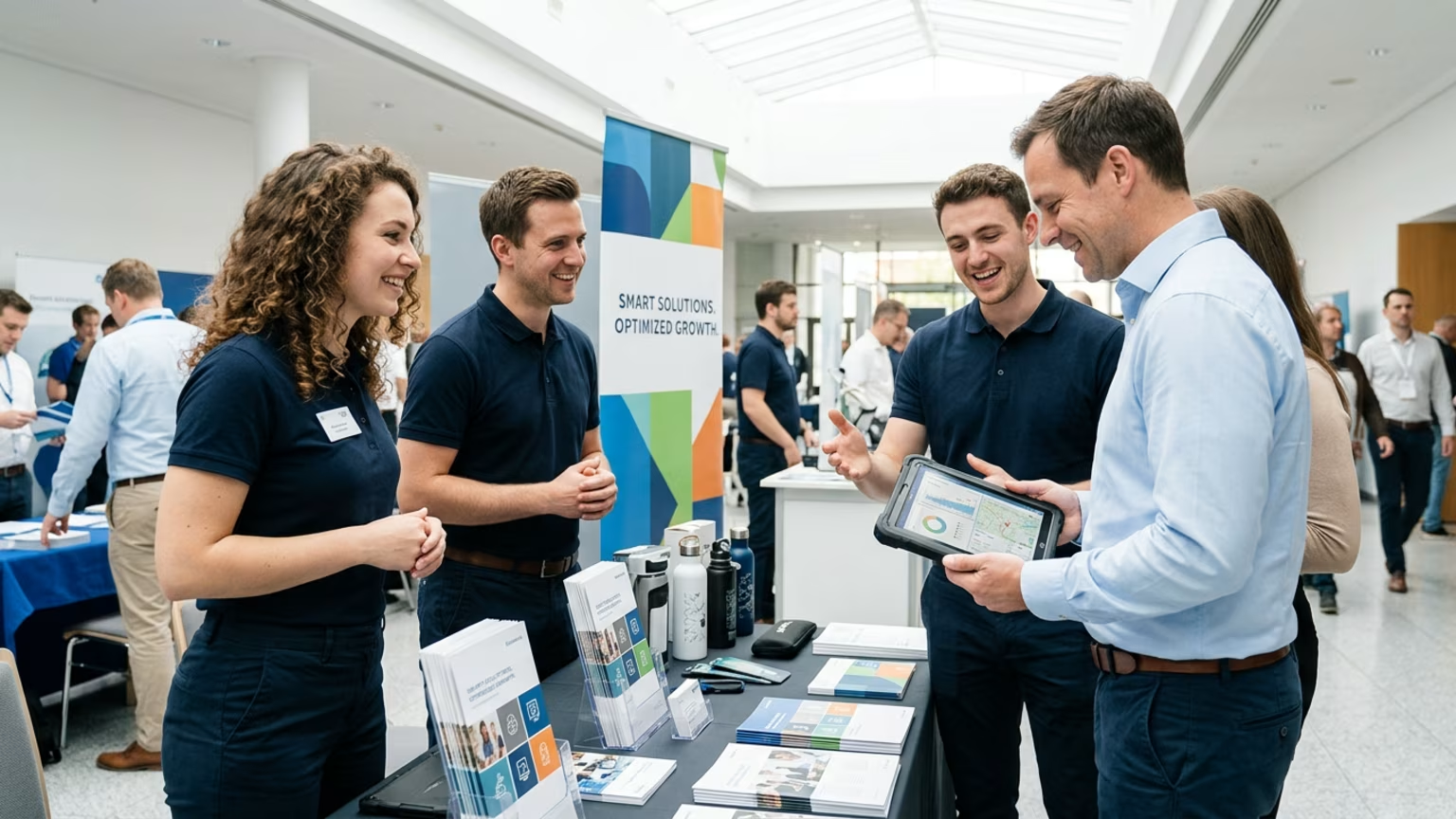
Trimble recently opened registration for the Insight 2026 conference in San Diego. The event focuses heavily on predictive transportation workflows and real-time shipment visibility across major carrier networks. This technology is no longer just for freight managers or supply chain analysts. It is a strict operational requirement for experiential marketing leaders who manage time-sensitive retail events. Brands simply cannot afford to guess where their product is during a national product launch. Modern marketing campaigns demand the same level of supply chain rigor as major ecommerce fulfillment centers.
We run experiential and engagement programs coast to coast with local crews, smart logistics, and permit expertise that let us launch fast and maintain quality consistency in every region, from major metros to smaller markets. Our nationwide infrastructure enables us to activate brands wherever their audiences are located. This operational control requires connecting field team operations directly with predictive supply chain data. This shift explains why major brands are hiring for experiential operations to bridge the gap between creative planning and physical execution.
Major consulting firms report that adopting real-time transportation visibility platforms reduces service failures dramatically. Intelligent forecasting models map historical traffic patterns, weather constraints, and strict venue dock times. Event producers must demand this precise data from their logistics partners to shift from reactive scrambling to proactive management. Predictable freight movement keeps field activations on schedule and protects the overall investment.
Transforming trade show chaos into a disciplined operation takes more than good intentions. You need a systematic approach to asset tracking and issue resolution. These steps form the foundation of bulletproof field logistics for street activations and mobile tours. The playbook requires absolute alignment between the brand, the agency, and the freight carrier.
The standard experiential scorecard tracks foot traffic and samples distributed. That basic reporting is no longer enough to satisfy strict finance teams. You must track the exact lead and lag metrics that determine operational success. Feed these numbers into a unified event reporting dashboard to give stakeholders complete operational transparency.
Lead metrics give your team early warnings about impending execution risks. Track the predictive accuracy of estimated arrival times across all carrier partners. Measure the percentage of assets successfully staged 24 hours before the contracted load-in time. Count the number of proactive delay alerts received versus the number of surprise late arrivals.
Lag metrics focus on the final financial and physical outcome of the campaign. Measure the exact on-time delivery rate for all event materials across the entire tour schedule. Track the hard costs of rush shipping versus planned freight to show budget efficiency. Calculate the percentage of planned samples successfully distributed compared to the original forecast. These numbers separate profitable brand activations from expensive logistical failures.
Correlating these logistics metrics with sales outcomes reveals the true cost of operational failure. A perfectly executed delivery schedule directly supports maximum sample distribution and local retail velocity. Documenting the events saved by early exception alerts proves the value of investing in premium tracking software. This hard data justifies future budgets and builds immense trust with your retail partners.
A premium cold-pressed juice brand recently planned a massive 15-city sampling tour across the United States. The product required continuous refrigeration and strict delivery windows at every single tour stop. Management expected flawless execution to support a major seasonal retail expansion. The logistics partner utilized advanced telematics to monitor the primary refrigerated trailer around the clock.
Three days into the complex tour schedule, the tracking system flagged a major highway closure. The predictive routing engine calculated this incident would delay the truck by six hours. The alert arrived a full day before the scheduled activation. This early warning gave the field marketing director ample time to renegotiate the venue setup schedule.
The local activation crew adjusted their shifts to avoid standing around an empty parking lot. The brand shifted its consumer-facing giveaway activities to later in the afternoon. The event still launched at full capacity and exceeded its sample distribution targets. The brand avoided thousands of dollars in wasted labor and successfully protected its retail sales velocity.
Following the campaign, the agency compiled a detailed performance report combining telematics data with consumer engagement numbers. The report proved that proactive logistics management directly saved three separate activation days from complete failure. The client used this exact data to secure a larger experiential marketing budget for the following year.
Advanced visibility tools are moving directly from the loading dock to the festival grounds. Marketing teams that master these systems will consistently outperform competitors who rely on hope and text messages. Stop worrying about your freight and start driving measurable pipeline today. Book a strategy call with our team to turn your complex logistics into flawless consumer experiences.

30 Years Experiential & Retail Activation Partner for CPG & Beverage Brands | Multi-Market Demos, Roadshows & Costco/Club Programs That Actually Sell