Robbie Thain
Founder, CEO

Learn how to optimize retail activations using shopper psychology. Read actionable strategies to drive in-store trial and turn casual browsers into buyers.
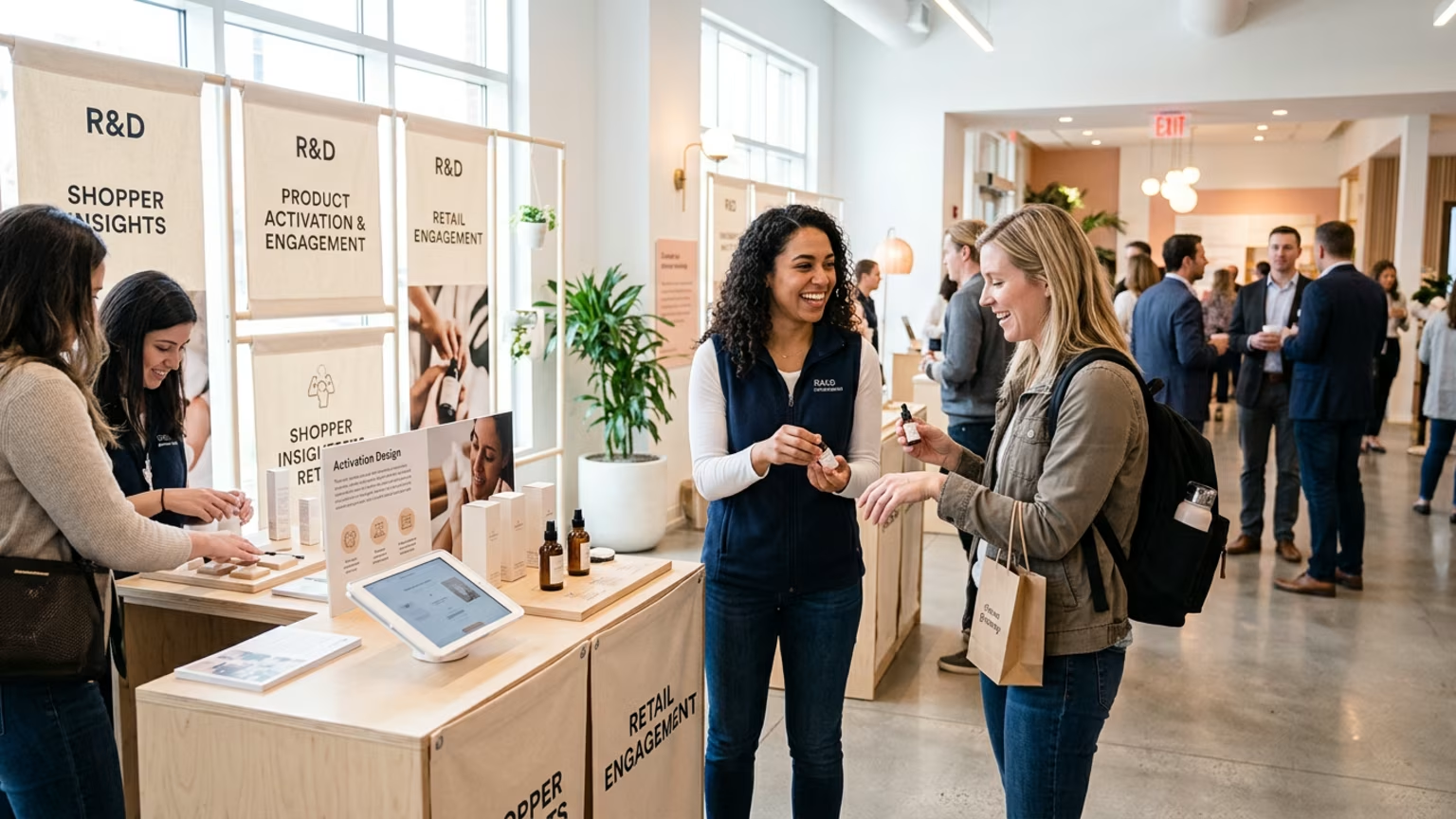
In-store sampling creates immediate sensory experiences that capture 20 to 30 percent higher engagement than standard post-purchase surveys. This immediate feedback loop provides a rare window into the minds of your actual buyers. Understanding this raw behavioral data is the key to turning casual browsers into loyal customers on the retail floor. Experiential marketing requires a precise blend of human psychology and operational discipline.
Imagine a busy Saturday afternoon at a major big box retailer. Your brand ambassadors are furiously handing out free samples of a new wellness beverage to passing shoppers. The setup looks incredibly crowded from a distance. Shoppers grab their tiny paper cups, smile politely, and push their carts straight down the next aisle without a second thought.
This is a classic field marketing trap for ambitious consumer packaged goods companies. You spent a massive budget on logistics, trained staffing, and high quality product inventory. The activation generated plenty of smiles and hundreds of empty cups by the end of the shift. You are left with zero new consumer data and no measurable sales lift.
The brand team back at headquarters asks for the campaign results on Monday morning. You have no concrete proof that the weekend event drove any actual retail velocity. The entire activation produced a thick fog of activity instead of hard evidence of conversion. The lack of a clear path to purchase turned a premium brand moment into a simple freebie station.
Retail partners notice when these events fail to move inventory off their shelves. Cautious buyers need to see that your marketing efforts directly support their store profitability. A chaotic floor activation damages your credibility and makes future retail expansions much harder to secure.
Solving this chaotic reality requires a structured shift from handing out freebies to engineering a psychological path to purchase. According to retail strategy experts at Grounded.world, in-store sampling triggers a powerful reciprocity psychology. When shoppers accept a high quality sample in a curated environment, they feel a subtle obligation to return the favor. This feeling dramatically increases their likelihood of putting the item in their cart.
We design mobile activations and roadshows that accelerate consumer trial, build trust, and boost retail velocity during 90-day product launch windows. Our structured approach transforms initial product trial into sustained consumer confidence and retail performance. The secret lies in aligning the activation design with immediate shopper motivations. A wellness brand needs an emotional resonance built around sustainability or exact health benefits.
A snack or beverage brand relies heavily on immediate sensory satisfaction and extreme convenience. If you understand these behavioral triggers in retail environments, you can design setups that guide consumers seamlessly from curiosity to checkout. The physical space becomes a highly tuned conversion engine.
Shoppers process information differently when they are moving through a loud physical environment. Their attention span is extremely limited by decision fatigue and constant visual distractions. Your activation must cut through the noise with a singular focus on an immediate physical action. Adding too many mixed messages will paralyze the consumer and ruin the transaction.
Balancing immediate sales objectives with long term relationship building is a complex challenge on the floor. Grounded.world notes that the retail space must function as a canvas for storytelling and values expression. A pure transactional approach might spike sales for one afternoon, but it fails to build lasting consumer loyalty. Emotional loyalty creates a psychological switching cost that persists when competitors offer slightly better prices.
Your activation must layer an engaging educational component beneath the immediate sensory hook. When a shopper tastes a great product and simultaneously learns about the clean ingredient profile, they form a deeper memory. This multi-sensory approach strengthens memory formation and naturally extends your brand reach via word of mouth. The shopper becomes a willing ambassador for your product long after they leave the store.
You need a systematic process to guide shoppers from that first look to a finalized transaction. A high converting activation minimizes decision paralysis and makes buying the easiest option available. Here is the exact playbook to implement this strategy effectively on the retail floor.
Do not try to educate the consumer on your entire corporate history during a brief store visit. Keep the steps incredibly tight and heavily action oriented. The staff should guide the participant physically toward the product display immediately after the sample is consumed. This physical movement breaks the polite smile routine and initiates a buying sequence.
Integrating digital elements into the physical space creates a seamless transition for the modern buyer. A simple QR code placed directly next to the tasting station can route shoppers to a localized landing page. This tactic allows them to claim a personalized discount when standing right in front of your product.
Staff training is the invisible mechanism that holds this entire framework together in the real world. You can design a perfect psychological path to purchase on paper, but poor field execution will ruin it instantly. Ambassadors must be trained to read body language and adapt their pitch based on real time shopper reactions. A rigid script sounds unnatural and immediately puts the consumer on the defensive during an interaction.
Provide your field team with conversational guideposts that allow for genuine human connection. They should know exactly when to introduce the product, when to offer the sample, and when to ask for the sale. This operator-grade discipline prevents the activation from devolving into a passive sampling station. Consistency across multiple retail locations is the final test of a well designed execution playbook.
To prove Return on Investment (ROI) to cautious retail partners, you must move past vanity metrics like total samples distributed. Successful brand operators track both immediate lead indicators and long term lag metrics to build a complete performance picture. Lead metrics include raw participation rates and the percentage of trials converted to immediate purchases. These numbers give you an instant read on the health of your floor activation.
Lag metrics track customer lifetime value, repeat purchase intent, and sustained unit sales lift over several weeks. Industry benchmarks suggest a well executed sampling campaign should yield a 10 to 30 percent unit sales increase per event. Customer loyalty experts at Reinnovation report that omnichannel personalization can boost long term retention by an impressive 15 percent. You must track meaningful performance indicators to earn trust from your distribution network.
Teams need qualitative data to explain the quantitative results to executive leadership. Shop-along surveys conducted in the moment can cut recall bias by 40 to 50 percent according to Luth Research. Asking a shopper why they made a purchase seconds after the decision is far more accurate than emailing a survey a week later. Capturing this real time sentiment requires trained ambassadors who know how to ask questions naturally.
Setting baseline expectations before the activation begins is a necessary step for accurate performance reporting. If you do not define the specific lead and lag metrics beforehand, you will fall victim to confirmation bias. Teams often cherry pick the most flattering data points to justify the expense of a poorly performing event. A disciplined marketing operator looks at the cold numbers to identify friction points in the consumer path to purchase.
Tracking the drop off rate between the initial sample trial and the final cart addition is incredibly revealing. If participation is high but cart conversion is low, your product might taste great but carry too high a price point. Your promotional offer might not be compelling enough to drive an immediate impulse purchase. Analyzing these exact gaps allows you to iterate and improve the activation design for the next retail push.
Combining hard sales data with rich behavioral insights creates a highly compelling report for your retail buyers. This evidence proves that your brand drives targeted traffic and reliably converts that traffic into revenue.
Consider a recent national rollout for an emerging functional beverage company entering a major club retailer. Instead of generic tables with small plastic cups, the brand set up an interactive customization bar. Shoppers answered a quick digital quiz on an iPad about their exact daily energy needs. This initial step interrupted their normal shopping pattern and forced active mental engagement.
The brand ambassador then mixed a custom vitamin drink tailored to those exact survey answers. The sensory experience of watching the drink being made created strong immediate interest from the surrounding crowd. The simple digital quiz captured valuable email data for future retention campaigns. Shoppers felt a strong sense of ownership over the custom drink they helped create.
Participants received a high value coupon directly on their phones before they even took the first sip. This created a seamless transition from the tasting experience to the physical shopping cart. Retail partners reported a massive spike in category sell-through over the following week. The brand successfully proved their value to the retail buyer and secured expanded placement.
The chaotic Saturday scenario does not have to be your permanent reality. By applying targeted behavioral insights to your next campaign, those polite smiles turn into verifiable sales data. The crowd of passing carts transforms into a predictable pipeline of loyal consumers. You gain total control over the retail narrative.
Stop settling for expensive field events that look busy but fail to move the needle. Book a strategy call with our team to start planning your next high performance retail event. We can help you turn your next physical product launch into a highly measurable success. Your retail buyers are waiting for proof, and it is time to deliver it.

30 Years Experiential & Retail Activation Partner for CPG & Beverage Brands | Multi-Market Demos, Roadshows & Costco/Club Programs That Actually Sell