Robbie Thain
Founder, CEO

Volkswagen is reportedly planning a U.S. strategy overhaul with a new pickup truck. Learn how brands can convert this strategic shift into measurable pipeline.
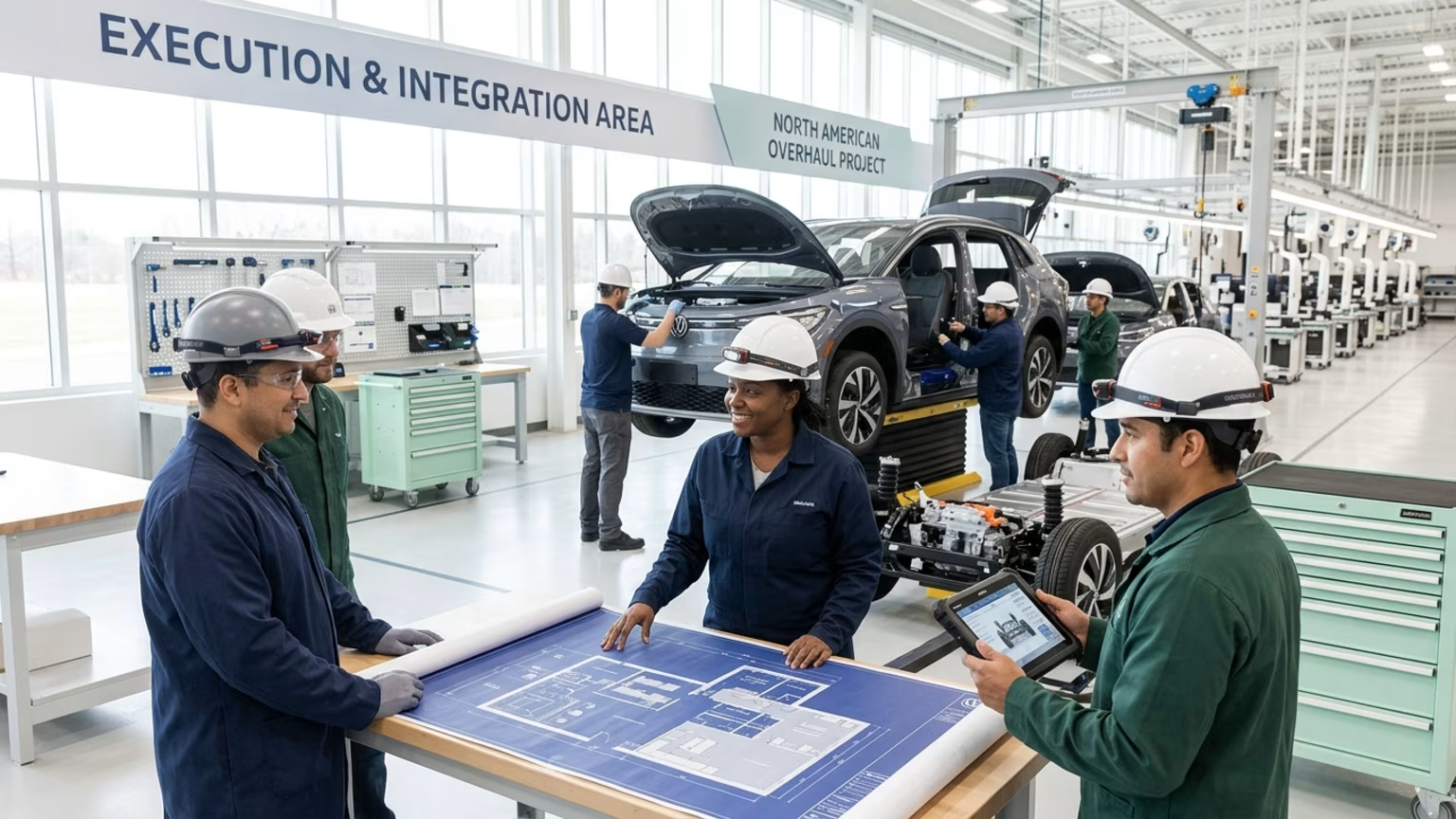
Engagement marketing is the operational discipline of converting physical product interactions into measurable pipeline. It serves as the tactical difference between a passive display and a highly converting retail activation. A reported U.S. built pickup truck is expected to reach the market before the end of the decade [1]. For Volkswagen Group of America, this timeline represents a critical window to rethink physical consumer interactions.
The proposed strategic shift requires much more than just a new vehicle chassis to succeed. It signals an operational mandate that demands rigorous physical validation in regional markets. When a company attempts to break into a new category, this methodology becomes mandatory. It acts as the central engine for proving local demand and securing market share.
Our client roster includes Dole, Popchips, and Pulmuone. We apply this exact pipeline focus across various competitive industries every single day. Whether you are launching a premium snack or a large commercial product, the goal remains identical. You must get the product into the hands of a highly skeptical audience.
Only tangible experiences can turn initial curiosity into a documented purchase order. Brands cannot rely on digital impressions to close high value sales in unfamiliar product categories. They need an integrated approach that connects real world trials to actual sales data. This level of integration separates successful market entries from incredibly costly missteps.
The shift toward localized product launches fundamentally changes how marketing teams allocate their budgets. Moving from abstract awareness campaigns to tactical field execution requires a completely different mindset. Field directors must operate like sales leaders who demand direct accountability for every dollar spent. This exact transition is what turns an ordinary product reveal into a measurable revenue driver.
Reuters reported that Volkswagen is preparing a broad overhaul of its U.S. strategy [1]. This plan combines new leadership with a revised product lineup [1]. This revised lineup would include a pickup truck and larger SUVs [1]. Marco Schubert is expected to replace departing CEO Kjell Gruner [1].
Schubert formerly served as head of sales at the premium Audi brand [1]. This leadership transition highlights a clear operational mandate for measurable market growth. Volkswagen brand chief Thomas Schäfer noted that pickups represent significant U.S. growth opportunities [1]. He highlighted these vehicles as high margin products with strong local demand [1].
According to the report, the brand does not currently offer a competing pickup truck [1]. Stepping into a historically loyal category requires an aggressive physical market strategy. Beyond the buzzword, engagement marketing means designing environments that actively intercept skeptical buyers. It is not about building a pretty booth at an auto show just for awareness.
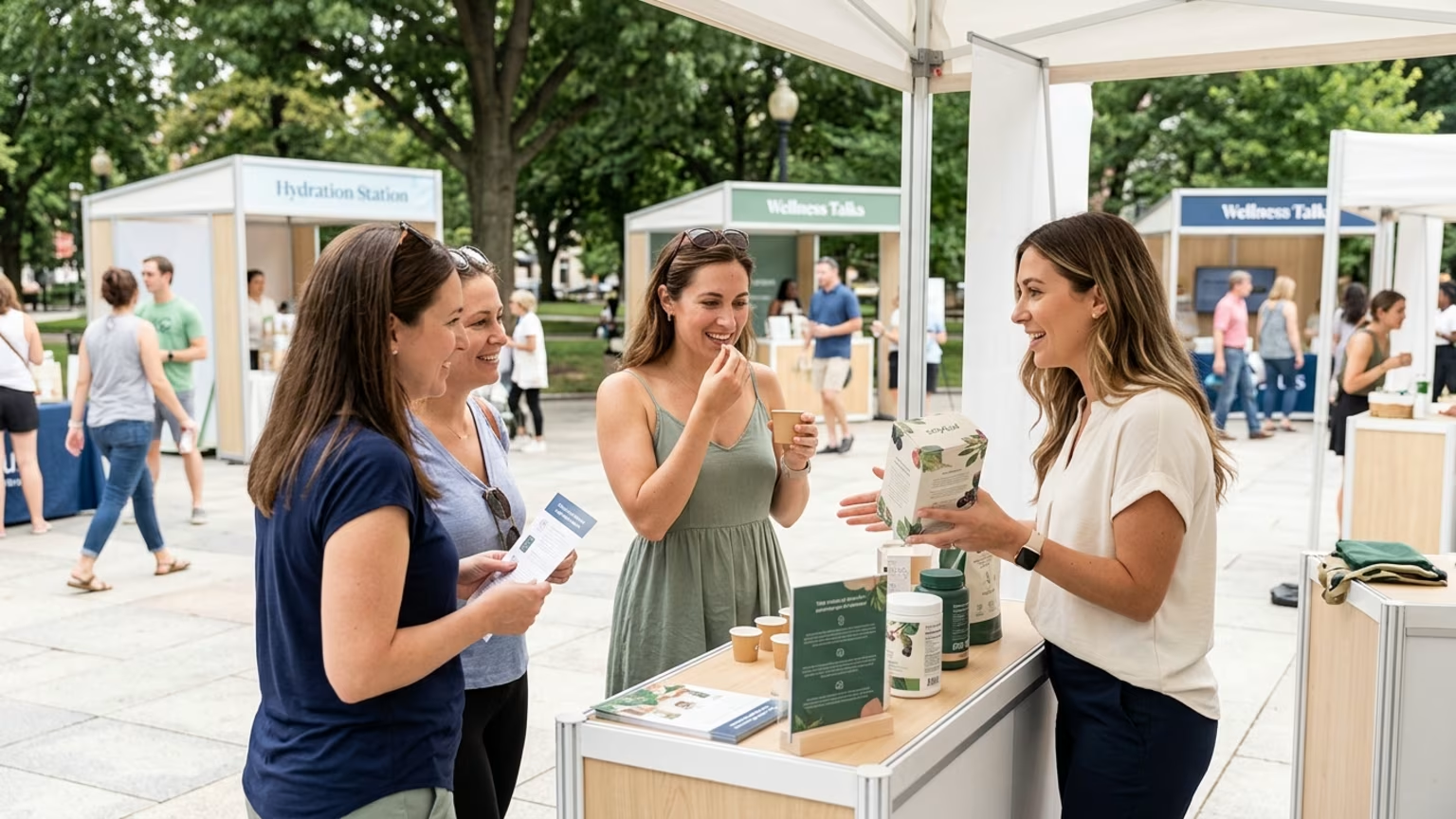
It requires deploying physical assets to regional markets where truck utility matters most. Brands must physically demonstrate payload capacities and interior volume to overcome established buyer habits. A Director of Brand Strategy in the CPG snack division shared: 'The Makai team turned our product launch into a sensory event that shoppers still talk about. From creative storytelling to flawless in-store execution, they made snack time unforgettable.
We couldn't have asked for a stronger partner.' Our team created an in-store experience that left a lasting impression on consumers and became a memorable brand moment. That same commitment to sensory validation applies perfectly to complex automotive expansions. You cannot expect consumers to abandon established truck brands because of a digital advertisement.
You have to park the product in their environment and let them test it. Teams deploying mobile showrooms for roadshows see strong results because they prioritize direct interaction. The competitive landscape in the American automotive market leaves no room for unproven claims. If a manufacturer wants to win over traditional truck buyers, it must prove durability physically.
These consumers expect to inspect cargo beds, evaluate towing capacities, and test cabin ergonomics firsthand. A well executed field campaign brings these exact demonstration points directly to the target demographic.
Successful engagement marketing relies on three fundamental components to generate consistent pipeline. Without these pillars, field activations quickly devolve into costly logistical nightmares. Brands must master trained ambassadors, seamless logistics, and fast lead routing. These elements ensure that every live interaction drives measurable commercial value.
Trained brand ambassadors serve as the human bridge between product and consumer. They do not just hand out flyers or point to a technical specification sheet. These professionals guide conversations, handle objections, and qualify leads on the spot. In a complex launch environment, an educated ambassador dictates the success of a trial.
Seamless logistics keep the entire operation running smoothly across fragmented national territories. Reuters noted that Volkswagen has not decided whether to develop its pickup independently [1]. A decision is expected in the coming weeks or months [1]. Ford is viewed as a possible development partner because both companies already cooperate [1][2].
This product ambiguity proves exactly why logistical flexibility is vital for marketing operators. When product specifications or partnership details change, your footprint must adapt without missing deadlines. You need robust storage, secure transportation, and scalable systems to manage sudden shifts. This adaptability prevents expensive delays and keeps the campaign firmly on schedule.
Fast lead routing transforms a physical handshake into a digital sales asset. Collecting names on a clipboard is a guaranteed way to lose potential buyers. A modern activation captures consumer data digitally and routes it immediately to retail networks. This speed ensures that a positive field experience translates directly into a scheduled visit.
Executing these three pillars requires rigorous training and strict standard operating procedures. You cannot rely on temporary staff who lack deep knowledge of the specific product category. The teams on the ground must embody the brand voice and possess serious technical fluency. When ambassadors speak with authority, consumers naturally trust the product and move toward purchase.
Field marketing is often unfairly categorized as an unmeasurable operational expense. Smart operators reject this mindset and demand rigorous tracking frameworks for their live activations. You must design your Return on Investment metrics before you ever sign a contract. Every activation needs a clear baseline for tracking retail lift and trial conversions.
If a brand launches a regional test drive campaign, success is not defined by total attendees. It is measured by the percentage of participants who book a follow up appointment. The tracking framework must isolate the cost per qualified lead generated during the event. This financial discipline allows marketing leaders to defend their experiential budgets confidently to executives.
For consumer goods, we track how in store sampling events drive immediate retail sell through. For high ticket items, the focus shifts to tracking long term CRM data. Teams connecting physical product trials to digital retargeting pipelines ensure that no interaction is wasted. Operators integrating these data streams can prove exactly how their presence impacts total revenue.
Brands shifting away from outdated trade show operations must prioritize these conversion metrics. An event might look incredibly busy on the surface while producing absolutely zero pipeline. Rigorous measurement prevents marketing teams from mistaking heavy foot traffic for actual commercial intent. It forces a healthy focus on securing qualified leads over generating fleeting viral moments.
Reporting must happen in real time so that operators can adjust their tactics immediately. Waiting until a campaign concludes to review the performance data is a massive operational failure. Field managers need daily dashboards showing exactly how many product trials converted into solid leads. This continuous feedback loop guarantees that the physical activation remains highly efficient and constantly optimized.
Executing a massive strategic pivot requires a marketing apparatus capable of matching ambitious goals. You cannot support a new vehicle launch with legacy retail tactics. The market demands that you bring the product directly to the consumer for validation. A flawless physical execution strategy bridges the gap between executive announcements and retail growth.
True operational excellence means anticipating the logistical friction of a national rollout early. Every consumer interaction must be engineered to build trust and accelerate the purchase journey. When a brand respects the physical reality of its market, buyers respond enthusiastically. Planning ahead allows field teams to navigate unpredictable consumer reactions with absolute confidence.
The most successful product expansions treat live activations as a primary sales channel. They refuse to relegate experiential marketing to a mere awareness tactic. Leaders using advanced revenue growth management strategies demand measurable pipeline from every single event. They understand that physical readiness is the ultimate test of a corporate strategic vision.
Leaders who view experiential marketing as an afterthought will struggle to gain new market traction. The modern consumer requires overwhelming physical proof before they commit to a brand switch. Building a robust field marketing engine gives a company a distinct advantage over slower competitors. It creates a direct line of communication that digital advertisements simply cannot replicate or replace.
Engagement marketing proves the operational truth that a corporate strategy only becomes real when it is physically handed to the customer.

30 Years Experiential & Retail Activation Partner for CPG & Beverage Brands | Multi-Market Demos, Roadshows & Costco/Club Programs That Actually Sell