Robbie Thain
Founder, CEO

Gen Z shoppers prefer physical stores for finding new products. Learn how to build high impact retail experiences that turn foot traffic into measurable sales.
Digital advertising is losing its grip on the youngest generation of buyers. The internet assumes Gen Z lives exclusively online. The data tells a vastly different story about their actual spending habits.
More than half of Gen Z consumers now rely on physical retail spaces to find new products. Brands must pivot their field marketing strategies to meet these shoppers in person for real sales lift.
Walk onto any major retail floor or expo center today. You will see brands pouring millions into flashy digital displays that nobody looks at. Shoppers walk right past these expensive screens with their heads down. The real tragedy is the missed opportunity to put a physical product into their hands.
Young buyers want tactile interactions when they leave their homes. They are tired of scrolling through endless social media feeds. When a trade show booth focuses entirely on QR codes, it fails to capture attention. Field marketing teams often end up standing around holding useless brochures.
The result is a highly fragmented execution process. Inconsistent staffing and poor in store presentation lead to weak reporting. Events look busy but produce fog instead of hard evidence of success. Marketing leaders are then left struggling to prove a Return on Investment.
This chaos stems from a fundamental misunderstanding of the modern consumer. Brands treat the retail floor like a website. They forget that human beings crave sensory experiences. You cannot taste or smell a digital banner ad.
Relying on screen time alone is a losing battle. The modern playbook requires a hybrid approach. Marketers must integrate mobile awareness with sensory in store experiences. Brands must build showrooms that invite physical interaction.
Gen Z demonstrates a stronger preference for in store shopping compared to older generations. Physical retail drives significant product awareness and immediate purchases. Experts at eMarketer note that 62 percent of Gen Z general merchandise purchases occurred in stores last year. This outpaces the 52 percent rate seen in shoppers over the age of twenty five.
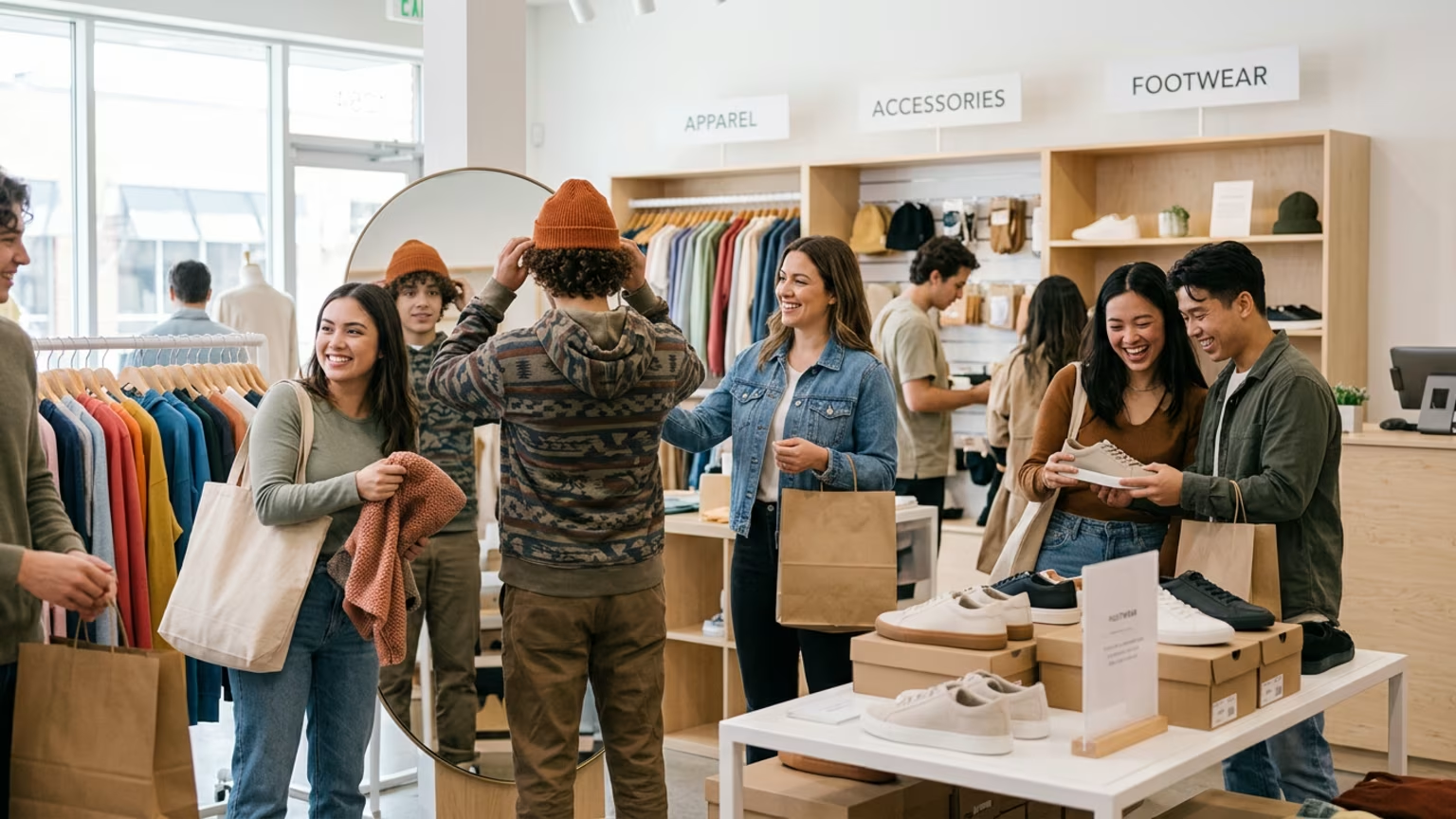
These young buyers treat malls and stores as social gathering spots. They enjoy browsing with friends and seeking avenues for entertainment. A recent PwC Consumer Insights report highlights this strong affinity for in person engagement. Over 60 percent of Gen Z shoppers use stores for product awareness.
This means your retail strategy must connect emotional experiences with frictionless technology. Gen Z shoppers prioritize speed and convenience during the checkout process. They highly value self checkout options and mobile payments. Your brand activations must blend sensory trials with these streamlined payment methods.
We must stop viewing stores as mere distribution points. They are revitalized demand generation and brand building tools. Harvard Business Review analysts confirm this shift in consumer behavior. A successful physical footprint acts as a powerful logistics and experience hub.
The contemporary buyer practices a hybrid shopping model. Many consumers research online before they purchase offline. Forty two percent of Gen Z shoppers say they mostly shop online. This behavior creates a nuance that demands careful integration.
You cannot ignore the digital habits of these buyers. Shoppers use influencers and price comparison sites to build initial awareness. E-commerce still accounts for roughly one third of total transactions. Your physical activations must acknowledge and complement this online research phase.
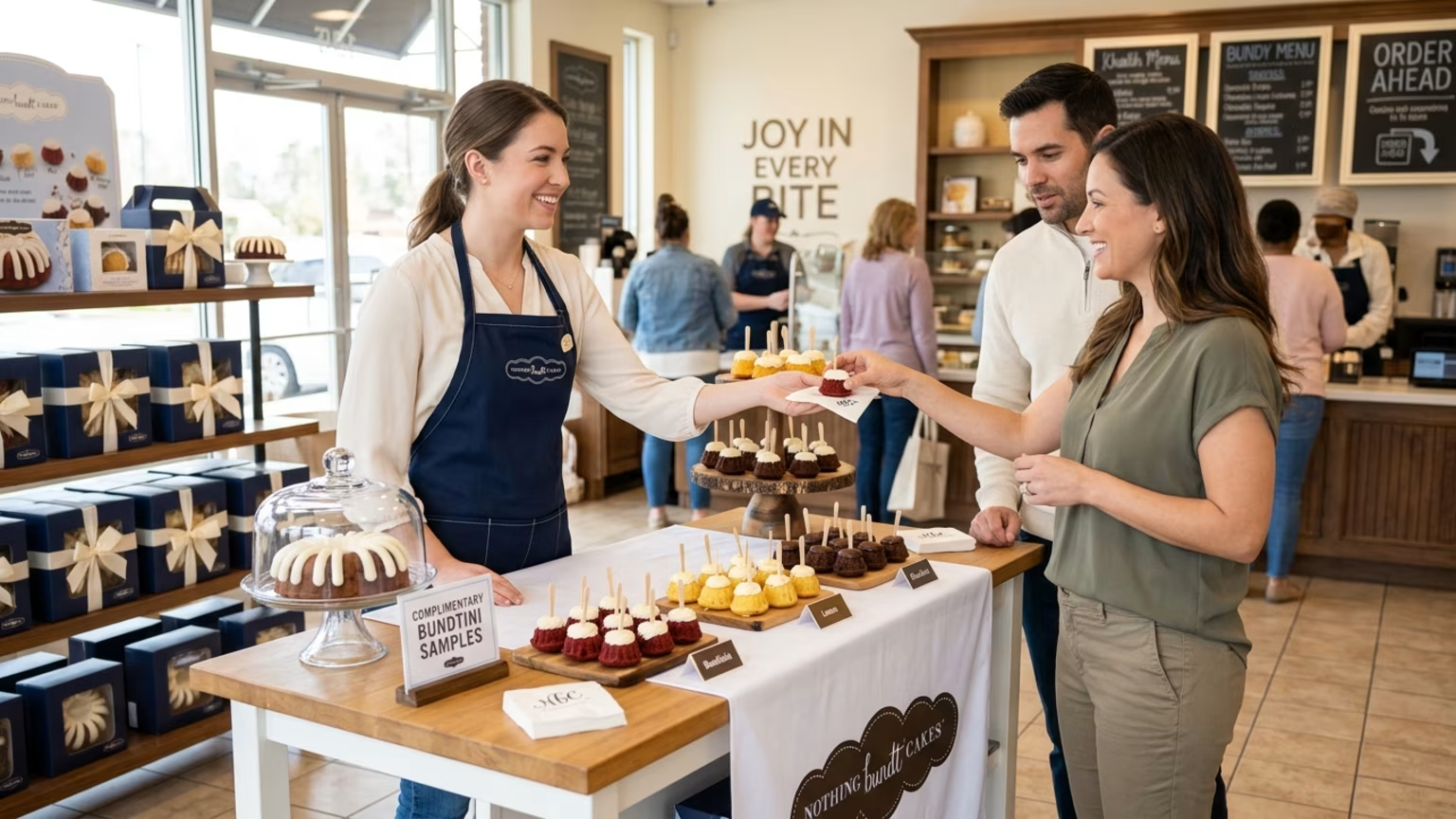
The magic happens when digital awareness funnels into an in store trial. A buyer might see a new beverage on a social feed. They then walk into a grocery store and see a live sampling station. That physical taste test confirms their online interest.
Nearly 70 percent of Gen Z shoppers prioritize store applications. They use these brand apps for scanning items and building wishlists. Your retail strategy must weave these digital tools into the physical space. This approach bridges the gap between a digital view and a physical sale.
Creating a high converting retail experience requires strict discipline. You cannot rely on hope to drive trial and sales. A systematic approach turns fleeting interactions into qualified buyers. Here is the operational playbook for engaging younger demographics.
Brands that invest in a consistent retail event planning strategy see higher returns. The goal is to turn audiences into participants with live experiences. This invites people to try your product and act immediately. If you want to optimize this process, Book a strategy call.
Live activations require concrete measurement to justify the spend. You must define exact lead and lag metrics for clear reporting. Vanity metrics like total booth visitors do not pay the bills. You need numbers that prove your field activation drives a real Return on Investment.
Start by tracking your sample distribution rate. This lead metric shows how many physical products reached a consumer. You then need to measure the footfall to sale conversion rate. You must define exact benchmarks to measure lead quality outcomes on the floor.
Your lag metrics will validate the long term strategy. Monitor the retailer sell through rate over the following month. You should track repeat purchase behavior in the activated markets. This proves that your live retail advantage creates lasting brand loyalty.
E-commerce only accounts for about 16 percent of total U.S. retail sales by dollar value. In store transactions dominate actual consumer spending. UPS retail analysts confirm that many shoppers want a showroom environment. Capturing these physical sales metrics secures future marketing budgets.
Theory only matters if it works on the retail floor. We have executed over 1000 campaigns across all 50 states. From retail demos in Seattle to events in Honolulu, our teams activate brands everywhere. We bring brands to life in every major market.
Consider a recent national launch for a premium beverage brand. The company needed to win attention in the physical world. They wanted to capture Gen Z buyers moving away from traditional sodas. We designed a mobile sampling tour that hit high traffic malls.
Our experiential marketing services turn fleeting consumer interactions into qualified leads. Our brand ambassadors handed out ice cold samples and demonstrated the brand app. Shoppers could immediately scan a code to secure a bulk discount. This bridged the gap between a physical taste test and a digital purchase.
The results proved the power of sensory marketing. The activation drove a massive lift in regional retail sell through. We measured every interaction to guarantee the client saw clear pipeline growth. Operational excellence turns a simple mall visit into a measurable revenue event.
Winning the modern shopper requires rigorous operational discipline. Flashy stunts might grab a headline for a single day. True pipeline growth comes from steady and measurable field execution.
The most successful brands show up where their buyers actually spend time. They respect the intelligence of the consumer by offering real value. A physical product in a human hand holds unmatched persuasive power.
The desire for real world connection is quietly reshaping commerce. The screen will never fully replace the store.

30 Years Experiential & Retail Activation Partner for CPG & Beverage Brands | Multi-Market Demos, Roadshows & Costco/Club Programs That Actually Sell