Robbie Thain
Founder, CEO

Discover how CPG brands use strategic booth design and staffing to capture high-value product trials and secure retail buyer meetings at trade shows.

Trade show success requires shifting your focus from raw foot traffic to designing physical spaces that force high-value interactions. This guide breaks down how to architect your booth and train your staff to capture verified product trials and secure retail buyer meetings.
The carpeted aisles of a major food expo are loud and crowded. Brand representatives shout over each other to hand out warm samples to anyone walking past. Bins overflow with discarded plastic cups and ignored marketing flyers. A major retail buyer walks right past your expensive custom display when the space looks too crowded for a real conversation.
Most exhibitors treat trade shows as expensive billboards rather than conversion engines. They invest heavily in massive signs and attractive graphics but forget to design a system for actual business. When a booth lacks a clear flow, attendees grab a free item and leave.
This chaotic approach burns marketing budgets without producing measurable pipeline. Without a deliberate plan for product trials and private conversations, field teams gather hundreds of useless badge scans. Real Return on Investment comes from guiding selected visitors into meaningful actions.
Industry data reveals that a significant portion of trade show leads require a face-to-face meeting to move forward. For consumer packaged goods teams, this usually means line reviews, buyer tastings, or early-stage pricing discussions. If your physical footprint cannot support those targeted interactions, your sales cycle stalls.
Buyers increasingly use category expos as a screening ground to evaluate multiple vendors at once. They want to compare packaging formats, inspect marketing support materials, and judge your operational capabilities in person. An unorganized booth signals to a retail buyer that your brand might struggle to support actual in-store sales.
We specialize in creating retail demos, product sampling programs, and roadshows that bring brands face to face with their audiences. Each program is designed to drive trial, build consumer relationships, and accelerate retail velocity across multiple locations. We know that physical design directly dictates human behavior on the floor.
The most effective trade show floors are engineered around movement and behavioral triggers. Your space must silently tell a visitor exactly what to do within three seconds of eye contact. Portadecor notes that booth design works better when it is based on movement and supports rapid decision-making without friction.
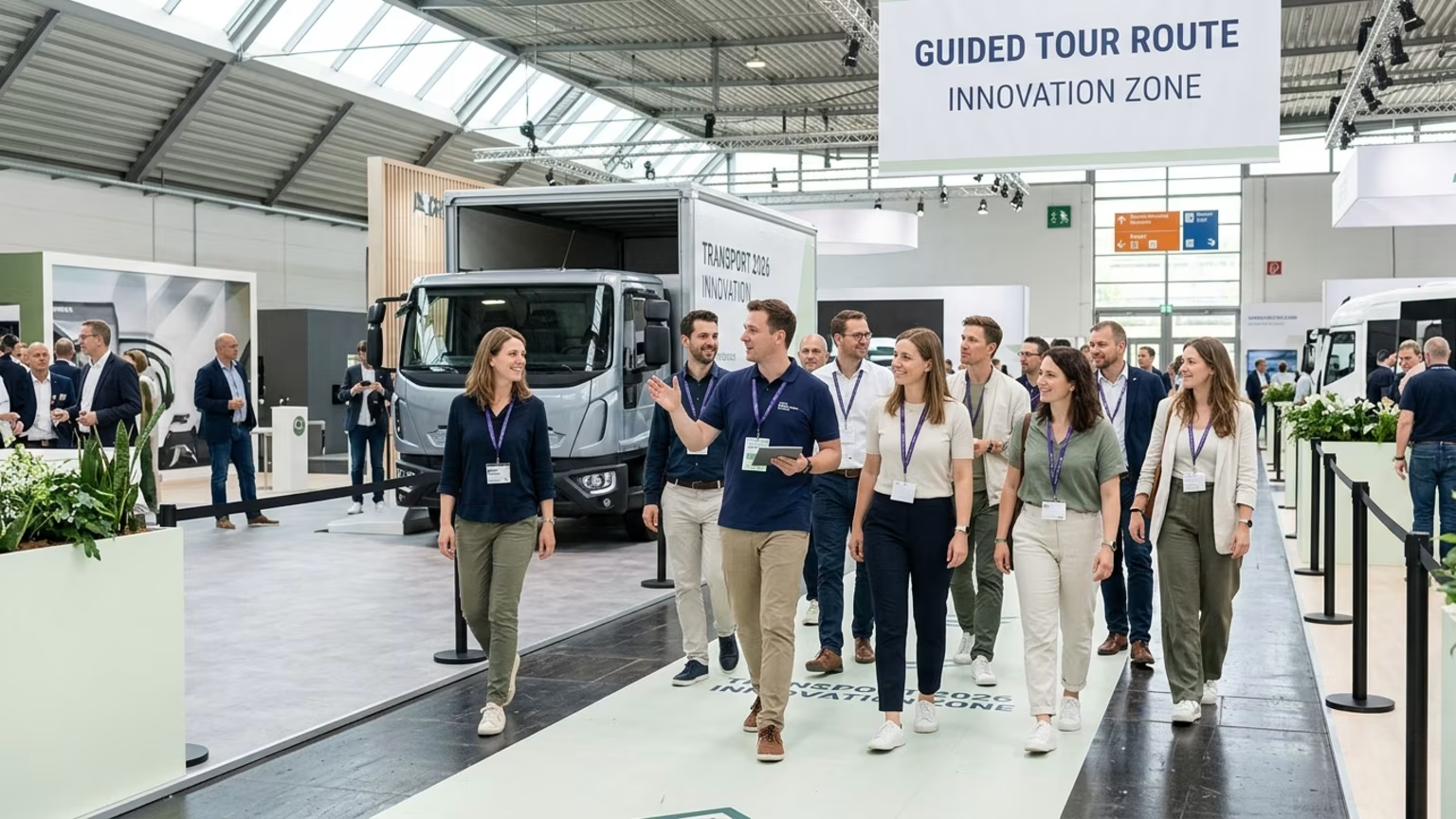
Instead of a single open room, think of your footprint as a series of specialized zones. A high-performing layout pulls people out of the aisle, engages them with a physical product, and moves qualified leads into a quiet space. Skyline Exhibits advises that teams must distinguish between someone who simply scanned a badge and a buyer who committed to next steps.
You need a system that smoothly transitions attention from the expo floor into a structured process. This approach helps in bridging trade shows with high-conversion roadshows long after the event ends. Every square foot of your setup must serve a distinct purpose in your sales funnel.
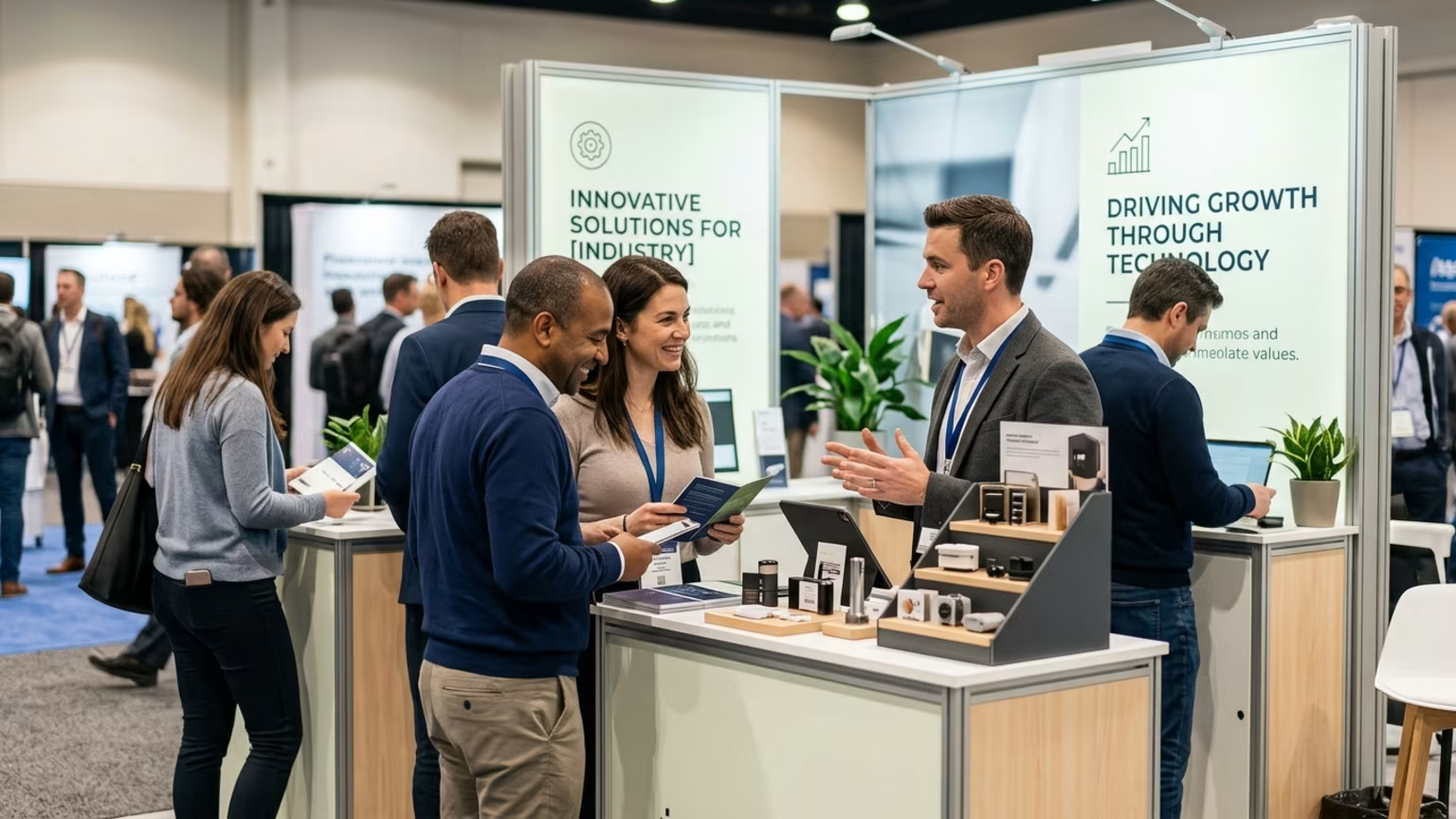
Consider the classic model of attraction, engagement, and conversion. Attraction relies on a big visual hook and clear product visibility to stop attendees in their tracks. Engagement involves a structured sampling bar or an interactive product demonstration. Conversion requires lead capture technology and quiet meeting tables for serious discussions.
If you run a multi-brand portfolio, this zoning becomes an absolute requirement. You must define clear visual territories for each product line to avoid confusing your target audience. Skyline Exhibits warns that poorly executed multi-brand displays dilute all messaging and push potential buyers away.
When you design for targeted actions, you stop worrying about total headcount. You start measuring success by the number of meaningful interactions that take place in each zone. This shift in mindset transforms your event presence from a branding exercise into a reliable revenue channel.
Turning a floor plan into a revenue engine requires strict discipline on event day. You must define one or two primary actions for your staff to target. For consumer shows, this means capturing verified product trials and matching email opt-ins. For industry expos, the goal shifts strictly to retail buyer meetings and formal proposal starts.
Implementing these distinct zones is exactly how CPG brands turn live event growth into retail sales across national accounts. Your execution plan must dictate every detail of the floor experience.
Here is the playbook to execute this strategy in a live setting:
Finance departments no longer accept total booth visits as proof of success. You must tie physical interactions to measurable downstream business actions. If you cannot track a product trial through to a retail lift, your sampling budget will face severe cuts.
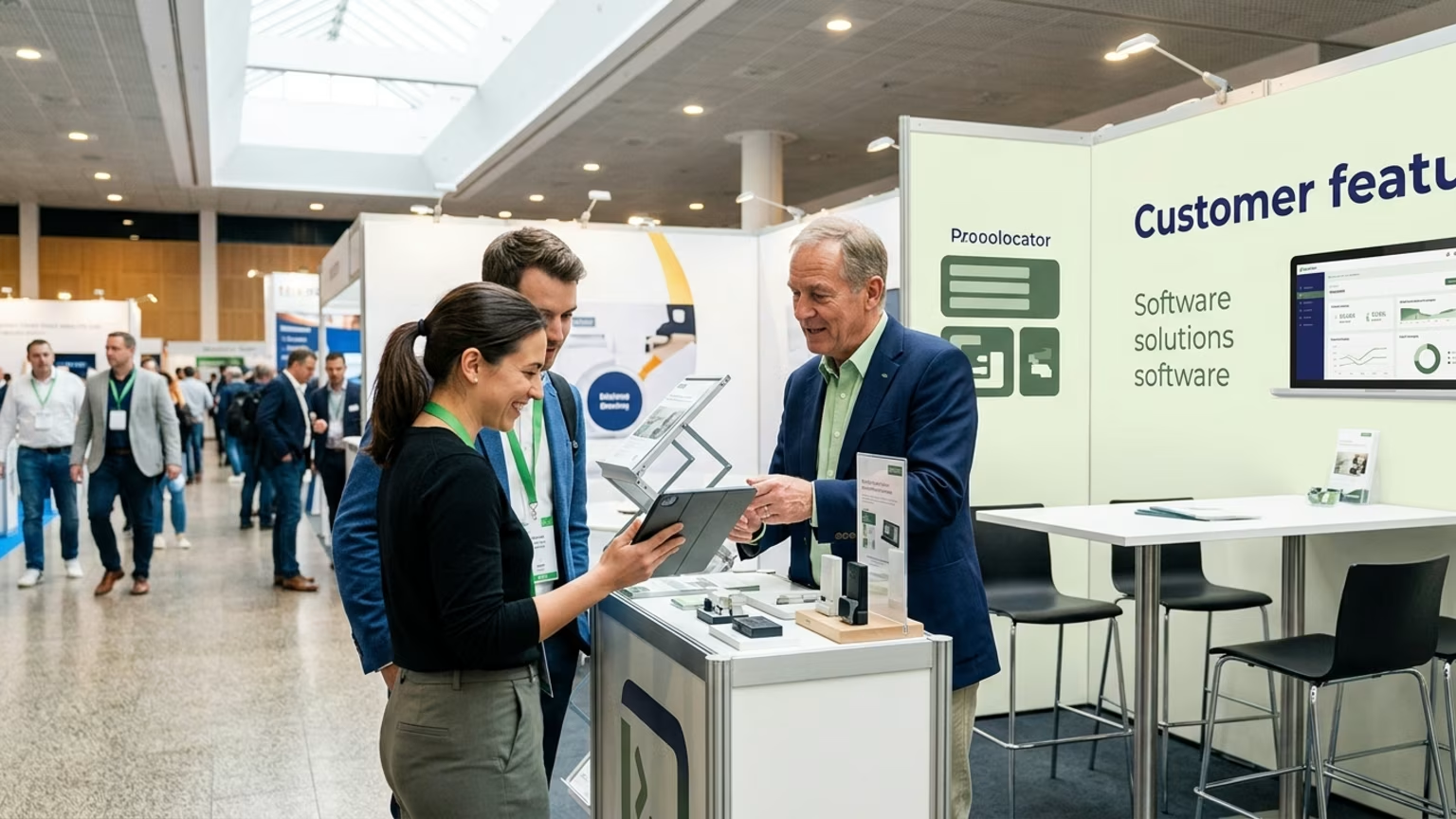
Lead qualification must happen in real time on the floor. Your staff should tag every lead as a consumer, retail buyer, or distributor immediately. Custom Ink notes that field teams should capture a name, a primary pain point, and the exact next step required. This data feeds directly into your sales pipeline for rapid post-show action.
You should track focused lag metrics to prove long-term value. Monitor the number of scheduled follow-up calls that actually take place within two weeks. Measure the resulting distribution gains and calculate the sales lift at key regional retailers.
A formal event scorecard brings total clarity to your reporting. Track the raw number of product trials and compare it against the number of secured retail buyer meetings. Record every new line review invite and watch those numbers translate into retailer confidence.
You must connect sampling actions to downstream results. Run geo-targeted digital campaigns in the weeks after the event to retarget attendees. Use tailored promo codes or retailer locator links to prove that your live activation drove actual purchases.
This strict tracking is highly necessary for new product launches: experiential strategies that convert at retail rely heavily on immediate market traction. When your metrics clearly show the path from a booth trial to a registered sale, your experiential budget becomes an untouchable asset.
A regional snack food company recently needed to secure national distribution at a major industry expo. Instead of a generic open floor plan, they split their twenty-foot footprint into two distinct halves. The front half featured a high-speed sampling bar with four flavor stations and digital data capture screens.
The back half was completely walled off with transparent acoustic panels to serve as a buyer meeting room. Their frontline brand ambassadors focused exclusively on qualifying visitors and logging taste preferences. When a visitor identified themselves as a category manager, the ambassador immediately handed them off to a senior sales director.
The senior director walked the buyer into the quiet room to review case packs and pricing sheets. The brand stopped giving away cheap pens and instead offered a premium insulated cooler bag exclusively to buyers who committed to a formal line review. This strategy produced thirty-five qualified trial requests and twelve firm meetings with national grocery chains.
The sales director logged every commitment into a tablet before the buyer even walked away. The team shipped sample cases to the requested distribution centers the very next morning. This rapid follow-through proved to the retailers that the brand possessed strong operational logistics.
This focused execution mirrors the targeted approach we see when brands deploy retail demos to drive product trial at the store level. The principles of attraction, engagement, and conversion remain identical whether you are inside a grocery aisle or standing on a convention floor.
Trade shows are loud, but your strategy should cut right through the noise. Design your space for movement, train your team to qualify interactions, and prioritize meetings over impressions. When you treat your booth as a structured sales environment, you turn fleeting conversations into measurable revenue.
If your field marketing operations need more discipline and better conversion rates, we can help. Book a strategy call with our team today.

30 Years Experiential & Retail Activation Partner for CPG & Beverage Brands | Multi-Market Demos, Roadshows & Costco/Club Programs That Actually Sell