Robbie Thain
Founder, CEO

Flashy digital add-ons often fail in the field, whereas practical mobile sampling tools drive retail conversion, streamline operations.
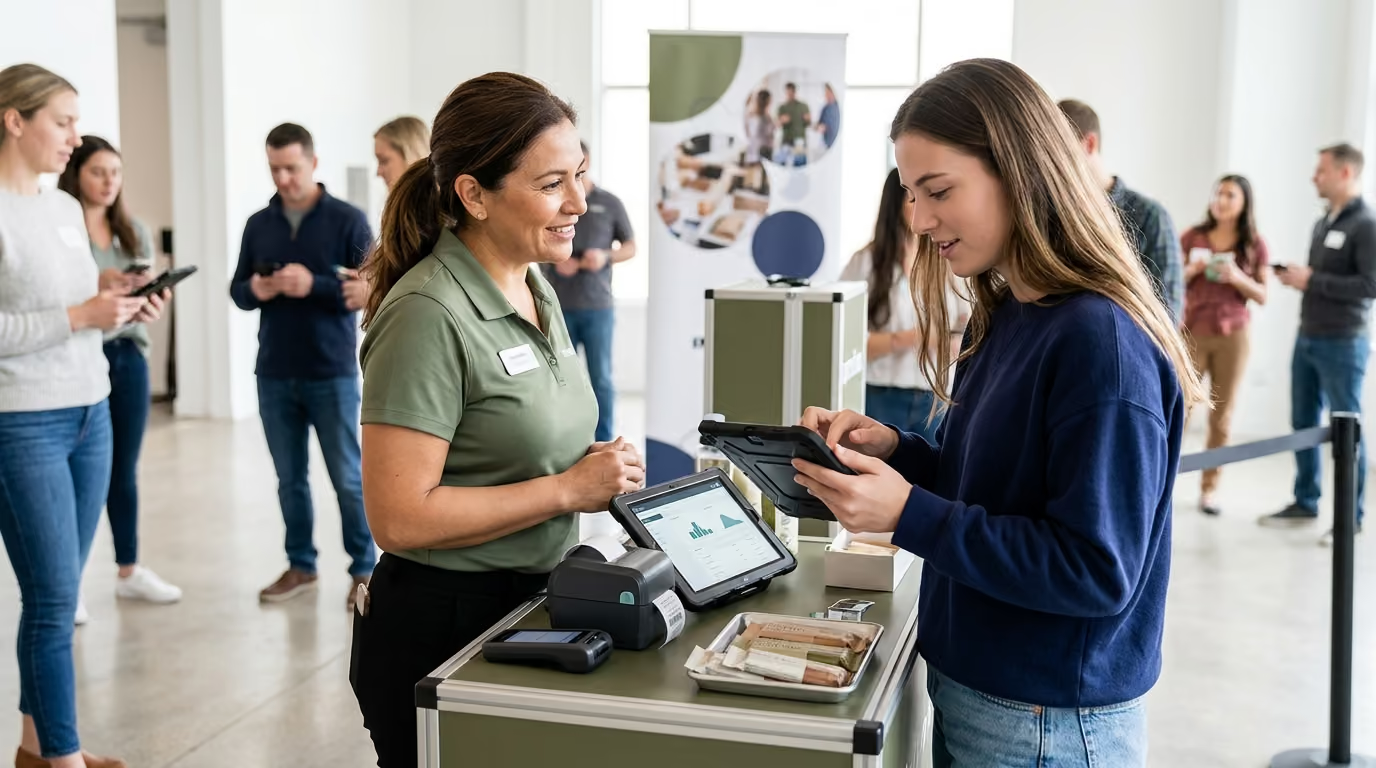
Mobile sampling technology is the intentional integration of digital interfaces, hardware, and data infrastructure into physical brand activations to remove friction and generate verified commercial evidence. It is not an ornamental layer of screens, apps, or novelty gadgets designed to make a field campaign look modern. Field marketing teams generate measurable business value when they deploy technology that accelerates the consumer journey from trial to retail purchase while skipping tools that add friction or operational complexity.
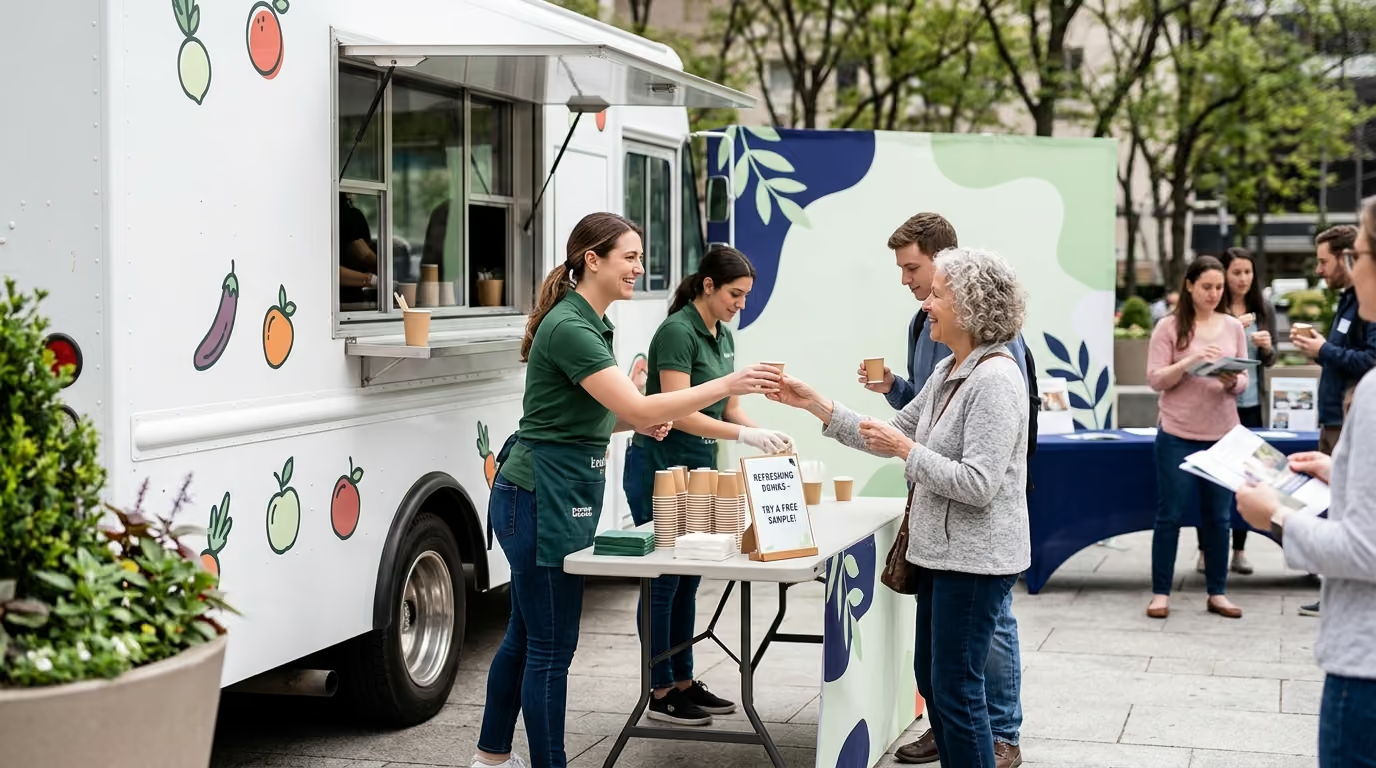
A mobile sampling activation takes place in unpredictable, high-pressure environments. Your tour vehicle pulls up to a crowded downtown plaza, a sports tournament, or a grocery parking lot on a hot Saturday afternoon. The ambient noise is deafening, ambient sunlight washes out standard consumer tablet screens, and cellular network bandwidth fluctuates wildly as thousands of people gather in the same cellular sector. Consumers walk past your footprint with iced coffees in one hand, dogs on leashes, and wandering children, giving your brand ambassadors a narrow five-second window of attention.
In this chaotic environment, poorly planned technology creates operational gridlock. An ambassador attempts to guide an interested shopper through a mandatory four-step digital registration on a tablet before handing over a cold beverage sample. The cellular connection stalls, the loading spinner freezes, and a line of ten prospective buyers dissolves into frustrated passersby who walk away empty-handed. Meanwhile, the field manager spends forty-five minutes troubleshooting a crashed photo booth app instead of coaching staff, managing sample distribution velocity, and monitoring product temperature integrity.
The reality of the field demands tools that survive extreme conditions. Consumer attention is fragmented across traffic, companions, personal devices, and competing brand activations. When technology adds steps between the initial moment of curiosity and product trial, conversion rates plummet. When technology is invisible, robust, and focused on instant utility, it transforms a brief physical encounter into a trackable, repeatable commercial transaction.
Experiential sampling campaigns stumble when brands confuse technological novelty with business utility. A marketing team often approves digital add-ons because they look impressive on an executive slide deck. In the field, however, these tools introduce unnecessary operational friction. Every extra tap, mandatory download, or complicated form field creates an exit ramp for the consumer.
Technology belongs in a mobile sampling tour only when it performs at least one of four specific operational jobs:
When an experiential tool does not perform one of these four jobs, it becomes technology debt. Technology debt in field marketing includes the ongoing maintenance costs, hardware replacements, staff training hours, and data-cleaning overhead created by complicated systems. If a digital tool merely duplicates what a skilled brand ambassador can accomplish in a three-second verbal exchange, it should be eliminated.
Brand operators must design the digital path around natural human behavior. The shortest path to action is always the most profitable. A consumer should be able to see the vehicle, taste the product, scan a code, receive a store-specific discount, and walk into a retail aisle within minutes. Adding mandatory account creations or augmented reality filters before product trial breaks that momentum and burns marketing budget without producing verifiable pipeline.
Field marketing directors require an objective standard to assess digital tools before committing capital. The SCOPE framework provides a systematic evaluation model built specifically for high-volume physical activations.
Determine the exact commercial outcome the tool must deliver. Is the primary campaign objective to drive trial in a new launch market, generate immediate retail velocity, build a clean zero-party email list, or verify field staff execution? If the technology does not directly support the primary business objective, remove it from the scope.
Map the exact physical and cognitive steps required from the target audience. A viable consumer flow follows a clean progression: notice the activation, understand the offer, decide to engage, receive the sample, and access immediate value. If the digital experience requires more than two taps on a personal smartphone before delivering value, abandonment rates will rise dramatically.
Audit whether the system functions under hostile field conditions. The hardware and software must operate during intermittent cellular connectivity, under direct midday sunlight, and during rapid thermal shifts. The tools must also function seamlessly across various smartphone operating systems without requiring a dedicated on-site technician.
Identify the precise evidence the tool captures and whether that data ties to downstream financial outcomes. A digital interaction must generate audited records such as timestamped redemptions, verified retail handoffs, or geographic sales correlations. Tracking vanity metrics like screen touches or raw QR code impressions without post-scan actions provides little commercial insight.
Ensure the activation remains open and accessible to all potential consumers. According to research from the Pew Research Center, 15% of American adults are smartphone-dependent, meaning they own a smartphone but lack high-speed home broadband. Field activations must not assume unlimited mobile data plans, perfect device battery life, or advanced digital literacy. Physical alternatives for product details, allergen information, and store locations must always remain available.
Selecting the right experiential technology requires evaluating tools against real-world performance, operational complexity, and measurement value.
Dynamic QR codes remain the most reliable entry point for connecting physical sampling footprints to digital touchpoints. They require no specialized hardware, function across all modern mobile operating systems, and allow marketing teams to route traffic based on user location and time of day.
Mobile landing pages tied to QR codes must be lightweight. According to official performance documentation from Google PageSpeed Insights, mobile pages must minimize render-blocking resources, streamline scripts, and reduce server response times to prevent immediate user drop-off in low-bandwidth environments.
Mobile commerce tools bridge the physical sampling moment with an immediate retail purchase. Rather than hoping a consumer remembers a product days later, digital commerce routes them to an immediate checkout or a nearby retail aisle.
Utilizing clean digital retail links allows brands to establish a strong field marketing measurement system that proves real-world commercial traction.
Digital receipts create an audited transaction record while giving consumers a functional reason to provide their contact information.
Data governance rules must be respected. Regulatory guidance from the UK Information Commissioner's Office notes that storage and access technologies such as tracking pixels, local storage, scripts, and device fingerprinting require clear user consent and transparent operational controls. Transactional receipts should remain cleanly separated from promotional marketing lists.
Interactive screens and digital games can capture visual attention, but they frequently introduce operational bottlenecks that slow throughput.
Field operations software serves the logistics team and brand managers by creating an indisputable record of execution quality across multi-city tours.
Modern mobile campaigns utilize event technology that powers advanced analytics to maintain visibility across multiple touring teams simultaneously.
Live operational dashboards allow field directors and executive stakeholders to make tactical decisions while an activation is underway.
Certain advanced technologies sound compelling during campaign planning but struggle to justify their cost and complexity in field environments.
Flawless execution requires disciplined preparation, standard operating procedures, and automated fallback protocols.
To demonstrate true Return on Investment (ROI), field marketing leaders must move beyond superficial vanity metrics. A comprehensive measurement architecture organizes data across five distinct performance levels, establishing a clear link between field spend and commercial revenue.
Delivery metrics confirm whether the physical campaign occurred according to contract specifications and logistical plans.
Attention metrics measure the volume of foot traffic moving through the activation perimeter and the initial interest generated by the footprint.
Trial metrics capture whether consumers actively engaged with the product and received brand education from ambassadors.
Action metrics quantify the immediate commercial and digital steps consumers take during or right after the physical interaction.
Commercial effect metrics prove whether the mobile sampling tour altered consumer buying behavior and generated profitable incremental revenue.
Tracking these five levels allows brands to gather 5 metrics that prove mobile roadshows drive sales lift during major product launches and regional rollouts.
Proving commercial lift requires isolating the sampling tour from other ongoing marketing activities, such as regional digital ads, price promotions, or seasonal demand shifts. Marketing operators should implement matched-market testing methodologies. Select five activation markets and match them with five demographically and commercially similar control markets where no sampling occurs.
Maintain identical baseline pricing and regional advertising across both groups. By calculating the difference in baseline sales between the test and control markets before, during, and after the activation window, your team can isolate the net incremental volume generated directly by the sampling tour.
Consumer packaged goods (CPG) brands frequently operate in highly competitive retail sectors where product trial is the single most effective driver of brand adoption. Deploying technology thoughtfully allows food and beverage companies to close the gap between an initial taste and repeat retail purchases.
A growing functional snack brand launching across 400 regional grocery stores deployed a targeted mobile sampling vehicle. Instead of handing out full-size bags indiscriminately on street corners, the tour staged activations within two miles of key retail stockists.
Brand ambassadors distributed bite-sized samples alongside a clear verbal prompt: "Scan the tray to grab a dollar off at the grocery store down the street." The dynamic QR code routed consumers directly to a mobile-optimized store locator that displayed the exact aisle location and an instant digital rebate.
By tracking the unique campaign identifiers embedded in the digital rebates, the brand connected 22,000 physical sample distributions to an 18.4% verified retail store visit rate within 48 hours. This approach followed established best practices for grocery store sampling to turn initial taste into verified off-shelf movement.
In our experience managing complex national vehicle activations, layering digital preference tools directly into the trial moment significantly increases consumer buy-in. A Brand Manager in the CPG space shared: "Makai transformed our test-drive activation into an emotional brand journey. They connected technology, lifestyle, and experience seamlessly, and turned casual visitors into loyal fans." We successfully integrated multiple experience layers to convert casual participants into committed brand advocates.
Our team designed a three-question digital flavor quiz accessible via tablet or personal smartphone. Consumers answered brief questions about their preferred sweetness and flavor profiles, and the system instantly matched them with one of four functional beverage varieties.
The brand ambassador then served the exact chilled sample recommended by the system. By giving the digital interaction a direct role in personalizing the physical product trial, the campaign achieved an 84% quiz completion rate and captured verified zero-party flavor preference data across 65,000 consumers.
Forward-thinking brands are already incorporating these data-driven execution frameworks as brands plan mobile roadshow tours and pop-up activations to scale multi-city footprints efficiently.
Field teams must deploy offline-first data capture applications that cache form entries, check-in records, and operational timestamps locally on the device's storage. When a network connection is re-established, the software automatically synchronizes the queued data with the central database. Field leads should also keep physical sign-in sheets and pre-printed discount vouchers in reserve so sampling distribution continues without interruption during prolonged network outages.
Requiring a native app download creates severe friction that derails field conversions. Downloading a mobile app consumes significant data, requires app store authentication, and takes several minutes to install. Most consumers will decline a sample rather than complete an app download on a busy sidewalk. Mobile web landing pages accessible through standard browsers deliver identical digital coupons and store locators in seconds without forcing the consumer to install software.
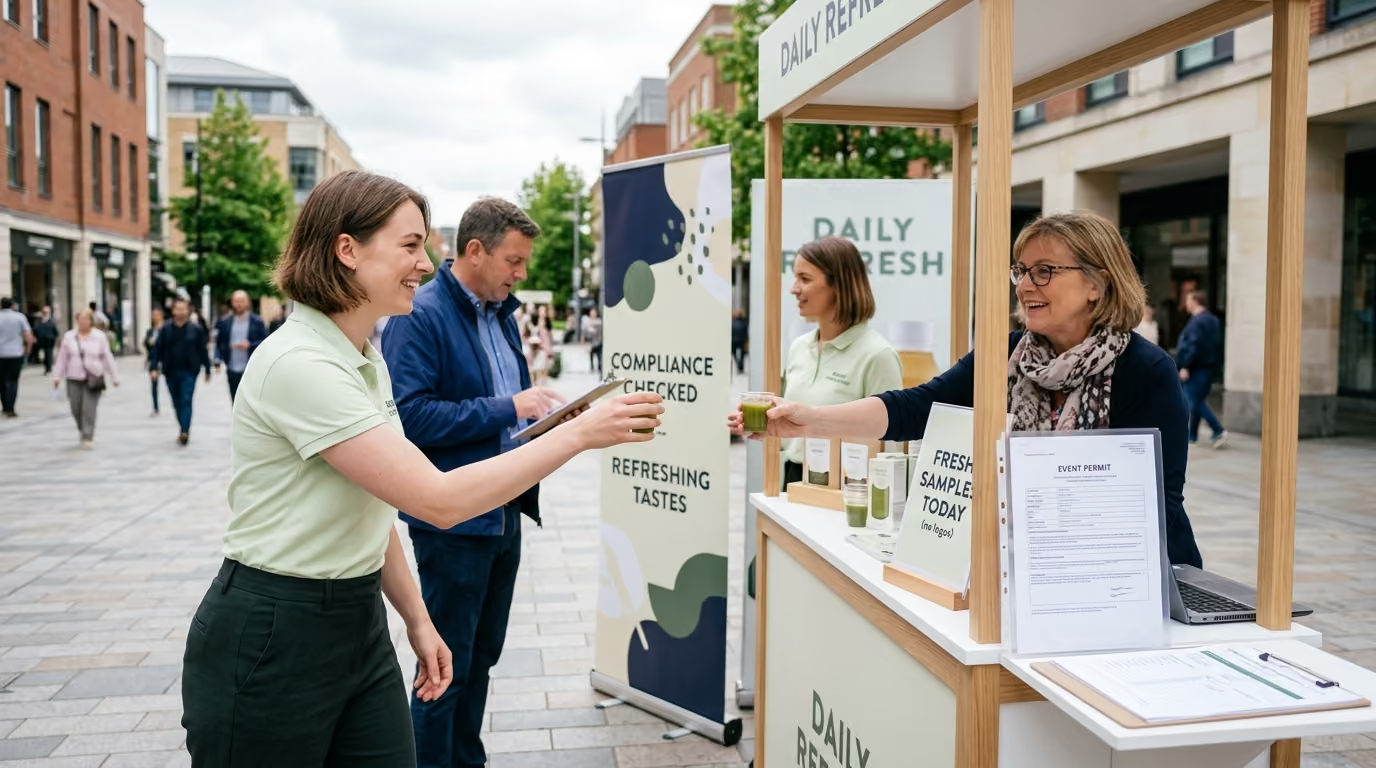
To maintain full compliance, brands must clearly explain what data is collected, why it is needed, and how it will be stored before the consumer submits information. Transactional services, such as delivering a digital receipt or a localized coupon, must remain distinct from optional marketing subscriptions. Systems must include clear consent checkboxes, maintain accessible privacy policies, and support prompt data deletion and opt-out requests upon consumer inquiry.
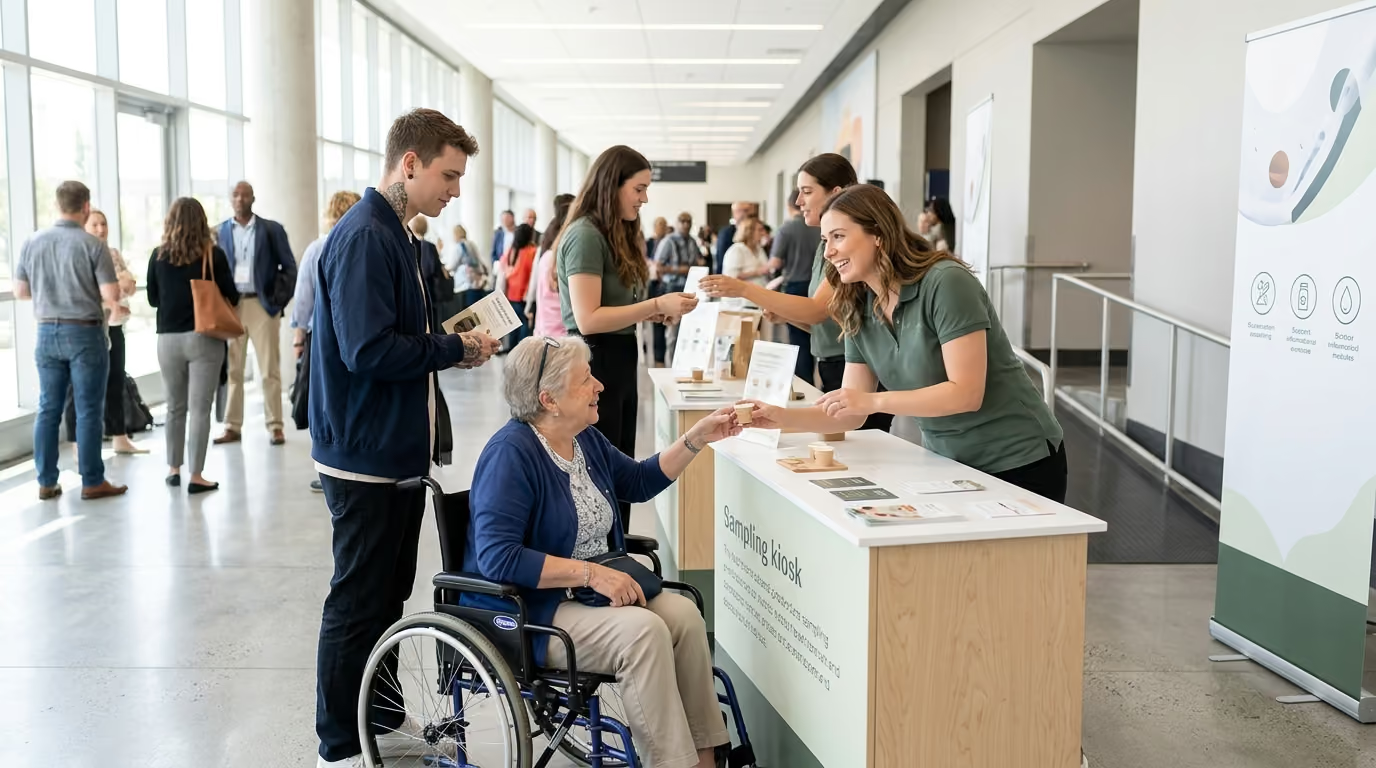
QR codes should be printed with high-contrast, matte-finish materials to prevent sun glare from washing out the pattern. Codes must be mounted between 36 and 48 inches from the ground to ensure comfortable scanning access for all individuals, including wheelchair users. Every code must be accompanied by explicit text that outlines the specific value proposition, such as "Scan for $1.00 Off at Local Grocers," so consumers understand the benefit before opening their smartphone camera.

30 Years Experiential & Retail Activation Partner for CPG & Beverage Brands | Multi-Market Demos, Roadshows & Costco/Club Programs That Actually Sell