Robbie Thain
Founder, CEO

A practical measurement ladder for retail demos and sampling, from samples delivered and trials completed to verified purchases and incremental sales.

A sampling program can hit every target on the field team's sheet and still give the CMO no business case for running it again. That's not a knock on sampling. It's a knock on setting a delivery target and defending it as a sales goal.
The better question isn't how many people the activation touched. It's what happened next, and how much of that can the team verify? For a retail demo meant to drive sell-through, that question belongs in the brief, not in the recap after the retailer has already asked for results.
MOGXP reports that Kellogg's Krave delivered 300,000 samples against a goal of 250,000. The publisher also says it doesn't have purchase figures showing those samples translated into sales. The program beat its distribution target. The available evidence answers that question well and leaves the sales question open.
That's the gap a CMO has to defend. A team can commit a major budget, bring back a polished recap and still have no qualified pipeline to show for it. In retail, the equivalent is a field team that delivered the program as planned while the shopper marketing team still can't say whether more product moved off the shelf.
The mistake happens when the brief asks for one thing and the recap claims another. If the field team is judged on samples distributed, it makes sense for that team to focus on distribution. If leadership wants evidence of retail lift, someone has to plan for the sales comparison before the first shift. A scorecard built around the business question gives both teams a way to agree on what each result will mean.
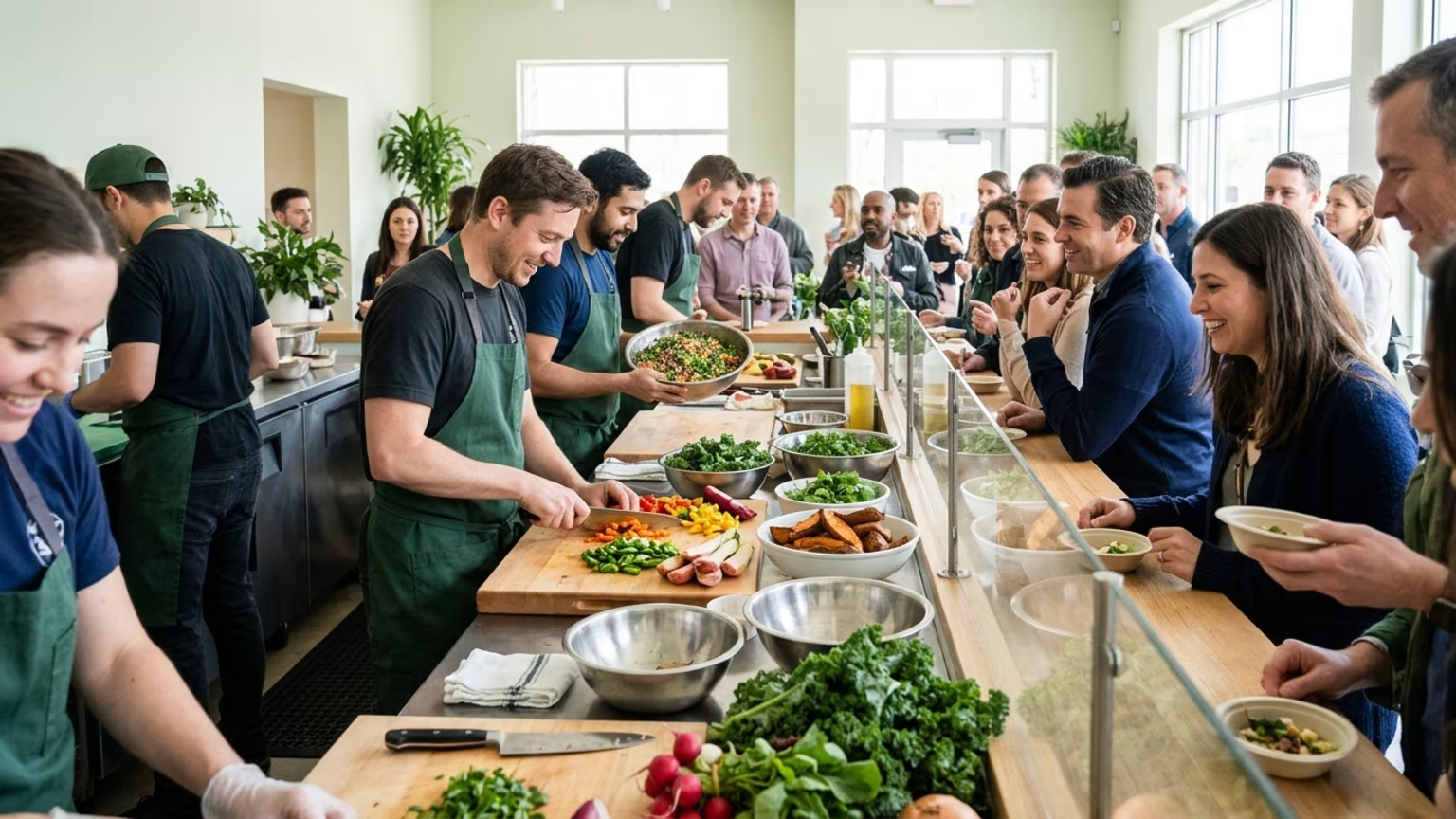
At Makai, we take an aloha approach to the interaction and a strict approach to what gets counted. Give the shopper a real welcome and room to ask a question. Give the field team a clear definition of what qualifies as a product trial. The aim is to make it easy for someone to try the product and decide whether to buy it without making the conversation feel like a survey.
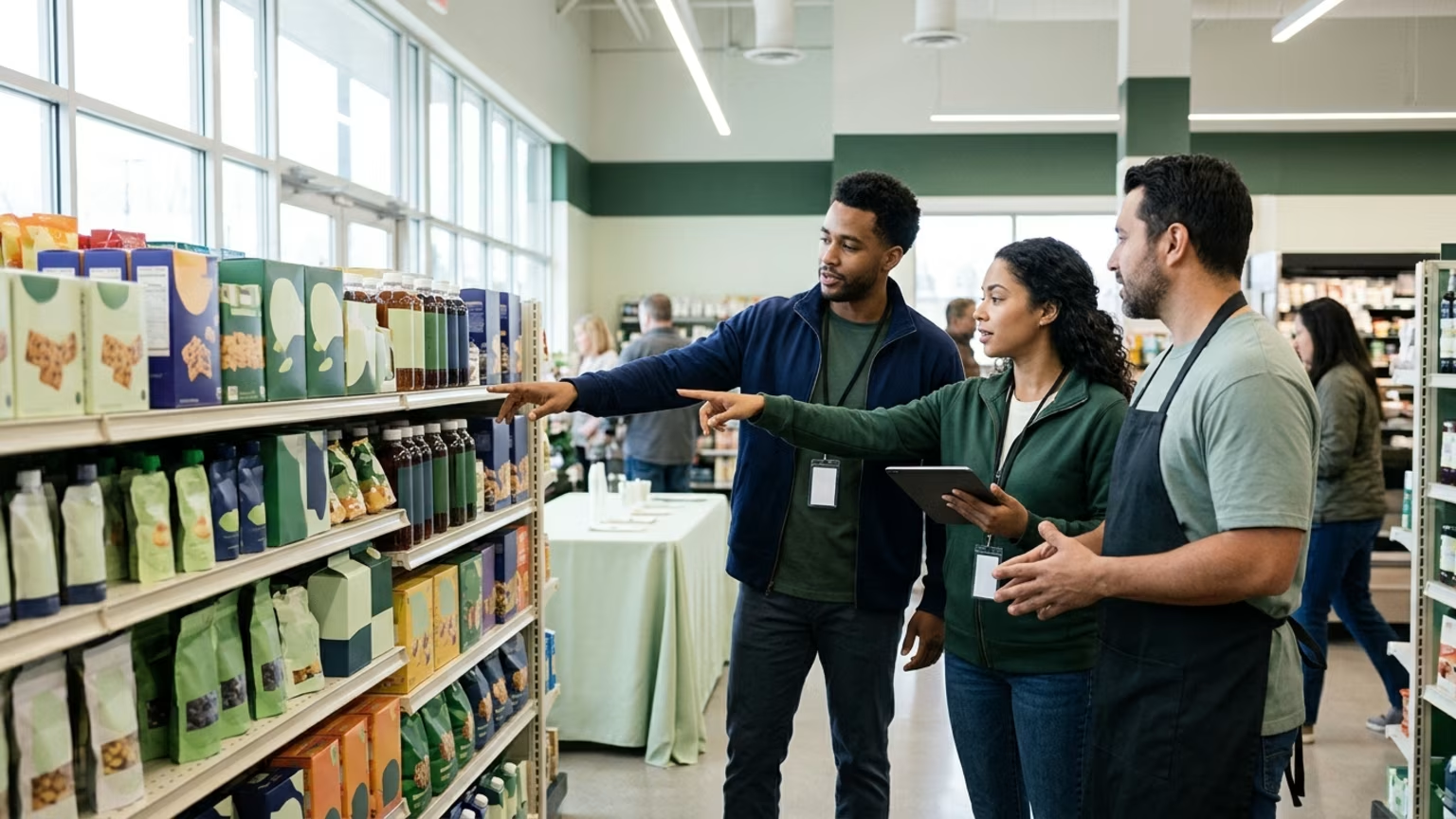
We build retail demos, product sampling programs and roadshows around face-to-face encounters. In our reporting, we distinguish reach, trials, leads and sales so the team can see which part of the program to work on next. A distribution shortfall calls for a different conversation than a busy demo with few observed trials. And strong trial numbers with no purchase data point to a measurement gap, not a verdict on whether shoppers bought.
The distinction matters more when product trial expands from one store to multiple markets. Record store characteristics, timing and whether the activation was a single visit or part of a repeat schedule. Read the results alongside those details. A strong result at one location is a reason to check where else the approach worked, not a reason to put the same expectation on every store.
Start by settling what the team needs to decide after the activation. A brand team testing whether shoppers will try a product needs different evidence from a retail team deciding whether to repeat a demo across more stores. A trade show team looking for qualified buyer meetings needs a separate measure again. One recap can hold those results, but don't combine them into one conversion figure.
Track events, completed demos, staff shifts and samples distributed. Where the program is designed to reach a specific audience, record samples distributed to those target buyers separately from total distribution when the team can identify them. That is a more useful delivery measure than impressions alone because it tells the team whether the product reached the people it meant to reach.
Count a trial when the team can observe the shopper tasting, testing or using the product. A sample taken away is still a distribution result. If the team can only observe trial at some touchpoints, describe the coverage rather than assuming every person who accepted a sample used it. That keeps a take-home program and an in-store tasting from looking more comparable than they are.
Recess reports that its Goodles sampling program covered 20 partner venues across 20 cities and 13 states and compared survey responses from sampled and unexposed consumers. Among past buyers, 31% of sampled respondents said they were likely to buy Goodles in the next 90 days, compared with 6% of unexposed past buyers. Across all respondents, the figures were 64% and 60%, respectively. Both cuts belong in the readout because they answer different questions about who expressed interest.
Recess also reports using more than 1,400 responses in an exposed-versus-unexposed comparison for an energy-drink sampling study. A survey comparison is useful when the question is about stated intent or perception. Label those results as survey measures, not as verified purchases or retail sell-through.
Use retailer transaction or scanner data for the product, locations and reporting window the team agreed to measure. If the objective is to connect a roadshow to nearby retail sales, settle which stores and time periods belong in that comparison before the tour starts. Store-level sales can show what sold in that window without identifying which individual shoppers sampled before buying.
Keep trade outcomes in their own lane. If the activation is a trade show, retail meetings booked are a tangible step beyond badge scans. Report them as buyer meetings or pipeline activity, not as consumer purchases. Both can be worth measuring without being interchangeable.
Observed sales tell the team what happened. To estimate what the activation added, compare the sales change in activated stores or markets with what happened over the same period in a suitable comparison group. A pre-activation baseline helps establish where sales started. A comparable group helps the team judge whether the change was specific to the activated locations or was also happening elsewhere.
Set the baseline and comparison approach up front. If all the team has is a before-and-after sales change, report it that way rather than assigning the full change to the demo. And if leadership asks for Return on Investment (ROI), don't relabel a unit-sales estimate as a financial return. Give each result the name that fits the evidence.
Core takeaway: Demand more from the execution than from the aesthetics. A good demo gives the shopper a reason to try the product and gives the team a way to see what happened next. Decide which outcome matters before the event, then stop the claim where the evidence stops. That's a better basis for deciding what to repeat than a polished deck full of activity counts.
Field marketing leads own the demo recap, while shopper marketing teams need to judge whether the spend paid off. When sample totals leave that question open, Makai runs retail demonstrations with trained ambassadors who talk with shoppers and give them a chance to try the product where they can buy it.

30 Years Experiential & Retail Activation Partner for CPG & Beverage Brands | Multi-Market Demos, Roadshows & Costco/Club Programs That Actually Sell