Robbie Thain
Founder, CEO

Plan a CPG launch around stocked stores, prepared field teams, and a scorecard that separates live trial, purchase intent, and retail sales.
Your sample table is not the center of your CPG launch. The shelf is. If a shopper likes the product but has to figure out where to buy it, the launch team has handed its hardest job to the person it just won over.
That’s the problem with treating the live event as launch day and retail as the follow-up. A tasting gets its own budget and production plan. The path to purchase gets a line in the brief. Flip that order: decide where the product will be available, then build the experience that gives the right shoppers a reason to look for it.
You can sign off on a major production budget and still walk into the launch review with no qualified pipeline to show for it. A full room tells you the room was full. It doesn’t tell you whether the people who tried the product were the shoppers your retailer wanted to reach. It doesn’t tell you whether those shoppers found the item on their next trip.
The breakdown starts when event and retail teams work from separate briefs. The event team books for turnout. The retail team works against its own stocking and promotion calendar. The field team gets a script about what makes the product different but no clear answer when a shopper asks where to find it.
That’s not a creative problem. It’s a handoff problem. Before debating the look of the activation, put the venue, participating stores and sales reporting window in the same plan. If the connection between them is hard to explain in a planning meeting, it won’t get clearer on the floor.
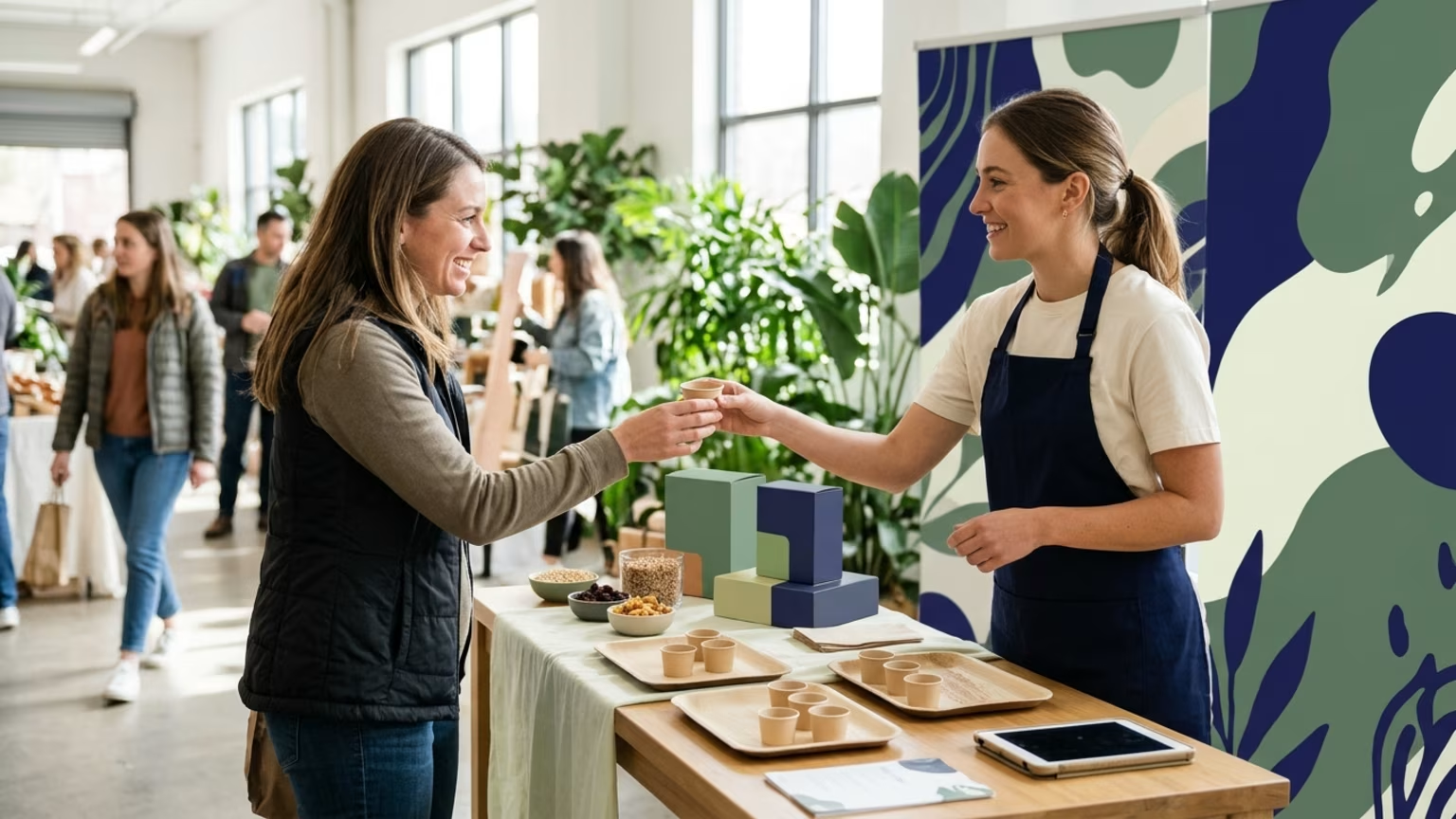
At Makai, we design mobile activations and roadshows to give people a chance to try a product and build confidence in it. The aloha part is a real conversation: listen to the shopper and explain the product in terms that matter to them. The discipline is making the next step just as clear. A good interaction shouldn’t end with a shrug when someone asks where they can buy.
Start with the overlap between retail availability, audience fit and usable sales data. A market may offer an appealing event calendar but make for a weak pilot if the target shoppers can’t readily buy the item there. Keep the first footprint small enough to see where execution differs rather than rolling every stop into one average.
In a Hummingbirds interview, Maazah cofounder Sheilla Sajady said the brand focused on its Midwest home base and selected markets where Whole Foods stores were concentrated. The founders described starting with a Midwest sampling crew. Cofounder Yasameen Sajady said scan data from the Whole Foods launch helped refine where the brand spent its demo budget. That’s a useful planning principle: pick markets where the team can learn enough to make a better spending decision on the next round.
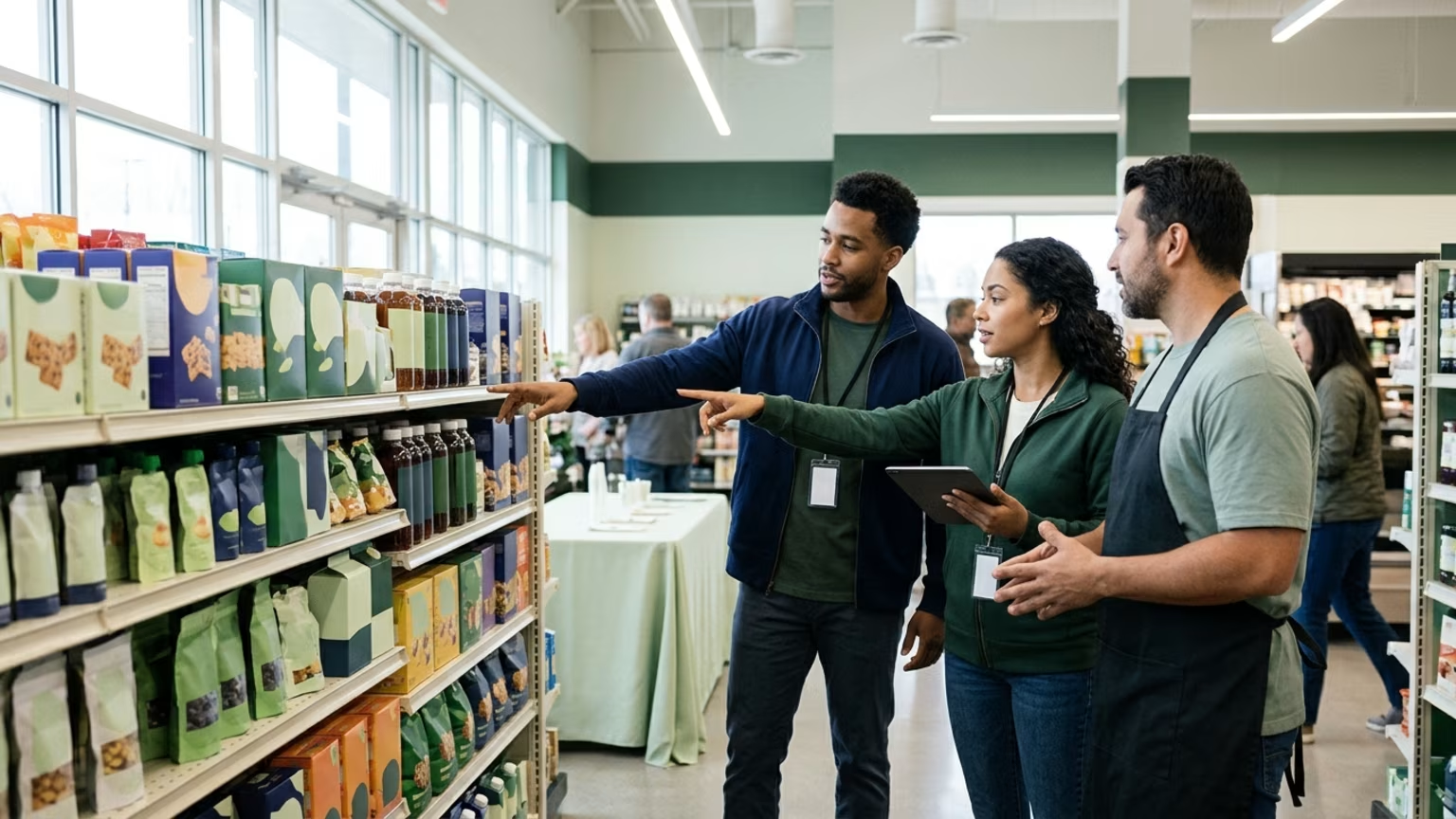
Agree with the retailer on participating locations, timing and the outcome the activation should support. Confirm where the item will be visible and how shoppers will get from the demo to the shelf. A store demo can put those moments close together. An off-site event needs a purchase destination that makes sense for the people at the venue. That difference should guide where the trial takes place, not just how the setup looks.
Venue fit matters outside the store. In its vendor case study, Recess reports that Goodles sampled its Single Serve Cups at 20 partner venues across 20 cities and 13 states. Settings included races, fitness studios and university housing. The point is not to copy the footprint. It’s to pick a setting where the product fits the audience, then decide where that audience can buy it.
A useful field brief covers what to say, where to send interested shoppers and what to record. Give ambassadors a consistent product story without asking them to recite it word for word. Have them note recurring questions, issues with product availability and whether the demo ran as planned. Those details give the launch team something concrete to check when stores perform differently.
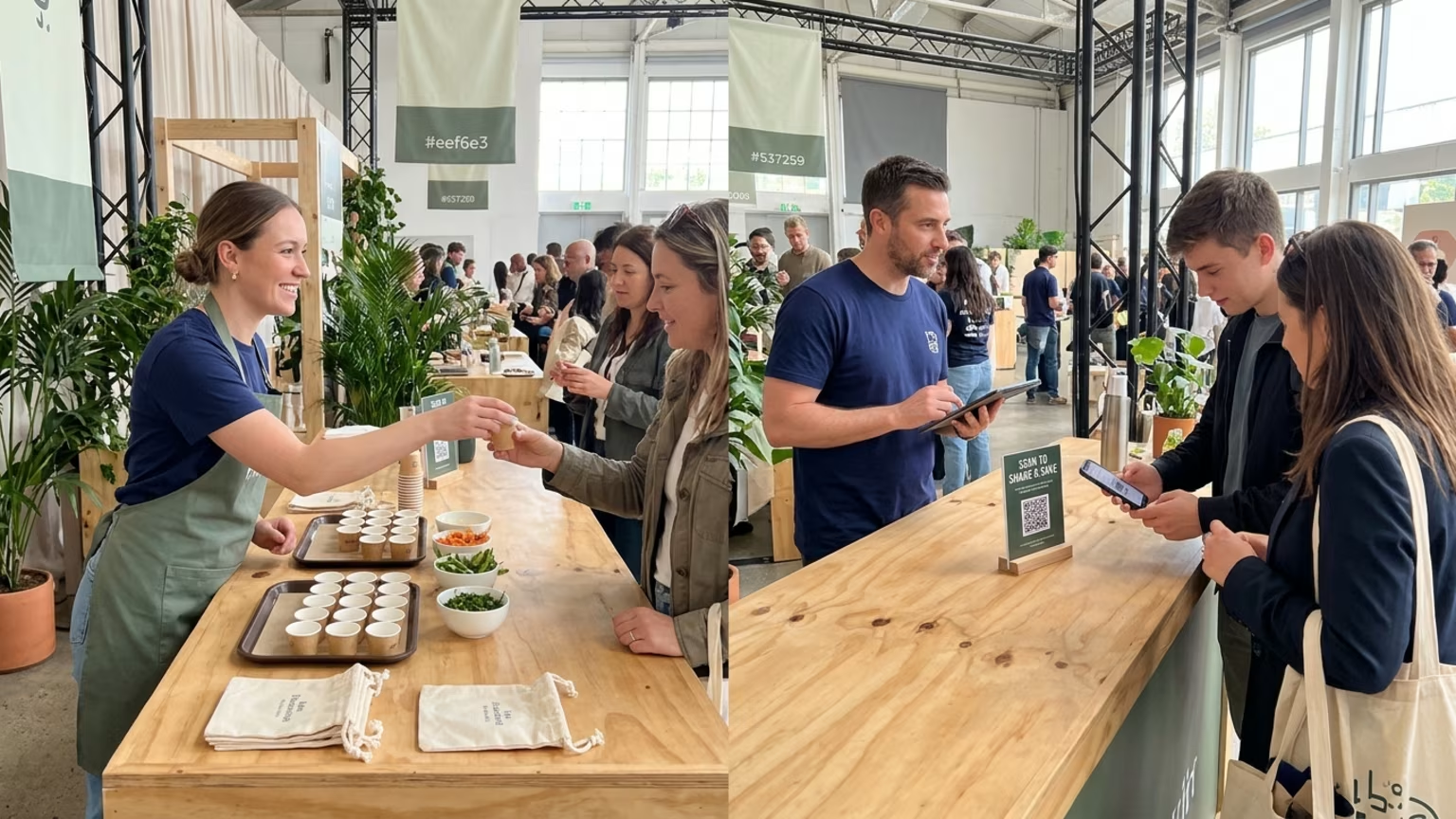
We use QR codes and mobile tools to connect physical and digital experiences across retail, events and tours. In a launch like this, a code can point to a purchase destination instead of sending an interested shopper to a generic brand page. The same discipline applies to the physical setup. Makai stores sampling product and event gear and coordinates delivery nationwide. Inventory and staffing plans belong in the launch brief alongside the shopper experience.
An impression is a reach measure, not a launch outcome. Start with samples distributed to target shoppers rather than the total handed out. If the activation also has a retail buyer objective, count meetings booked with those buyers separately. Neither measure belongs in the same column as units sold.
Decide before launch what each measure is for. A sample count records trial activity. A survey can tell you whether sampled shoppers express interest in buying. Retail scan data records units sold at participating stores within the reporting window. Each measure helps with a different decision.
Recess used an exposed-versus-control survey in its Goodles case study. Among past buyers, 31% of sampled respondents said they were likely to buy within 90 days, compared with 6% of unsampled past buyers. Across all surveyed consumers, the figures were 64% for sampled consumers and 60% for the control group. Looking at both comparisons keeps the past-buyer result in context. The survey captured stated purchase intent, not verified retail purchases.
For a sales read, agree on a baseline and specify the reporting window before the fieldwork starts. Keep sales during demo hours or days distinct from sales in the period after the activation. A change against a baseline doesn’t establish that the demo caused it. This is where a plan for reading store sales alongside demo activity earns its place in the brief.
Review results by market and retailer while there’s still time to act. If an item wasn’t available as planned, fix the shelf handoff before judging the tasting format. If the same shopper question keeps coming up, revise the field explanation. If the store was stocked and the demo ran as planned, use the sales read and shopper feedback to decide whether the format deserves another test.
Yasameen Sajady advised brands to “take it slow in the beginning” and learn how one retailer works before scaling. Maazah’s founders also noted that sampling may not suit every brand. That makes the review a decision point, not a victory lap. Repeat what held up, change what got in the shopper’s way and don’t treat the strongest store as a forecast for the next market.
A launch earns its budget through the work that connects a good conversation to a stocked shelf and gives the team a credible read on what happened next. Creative can get someone to stop. Execution determines whether they can find the product and whether the launch team knows what to change. Demand that plan before approving the production.
Tracking trial across launch markets starts with sampling stops that run on schedule, and Makai supports that work by storing sampling product and gear, tracking shipments, and coordinating delivery nationwide. For teams dealing with slow post-event follow-up and inefficient CRM routing, Makai designs face-to-face activations around qualified leads so teams have clearer opportunities to pass along.

30 Years Experiential & Retail Activation Partner for CPG & Beverage Brands | Multi-Market Demos, Roadshows & Costco/Club Programs That Actually Sell