Robbie Thain
Founder, CEO

Sample counts are not sales results. Build an experiential measurement plan that separates activity from purchase and keeps business outcomes in focus.
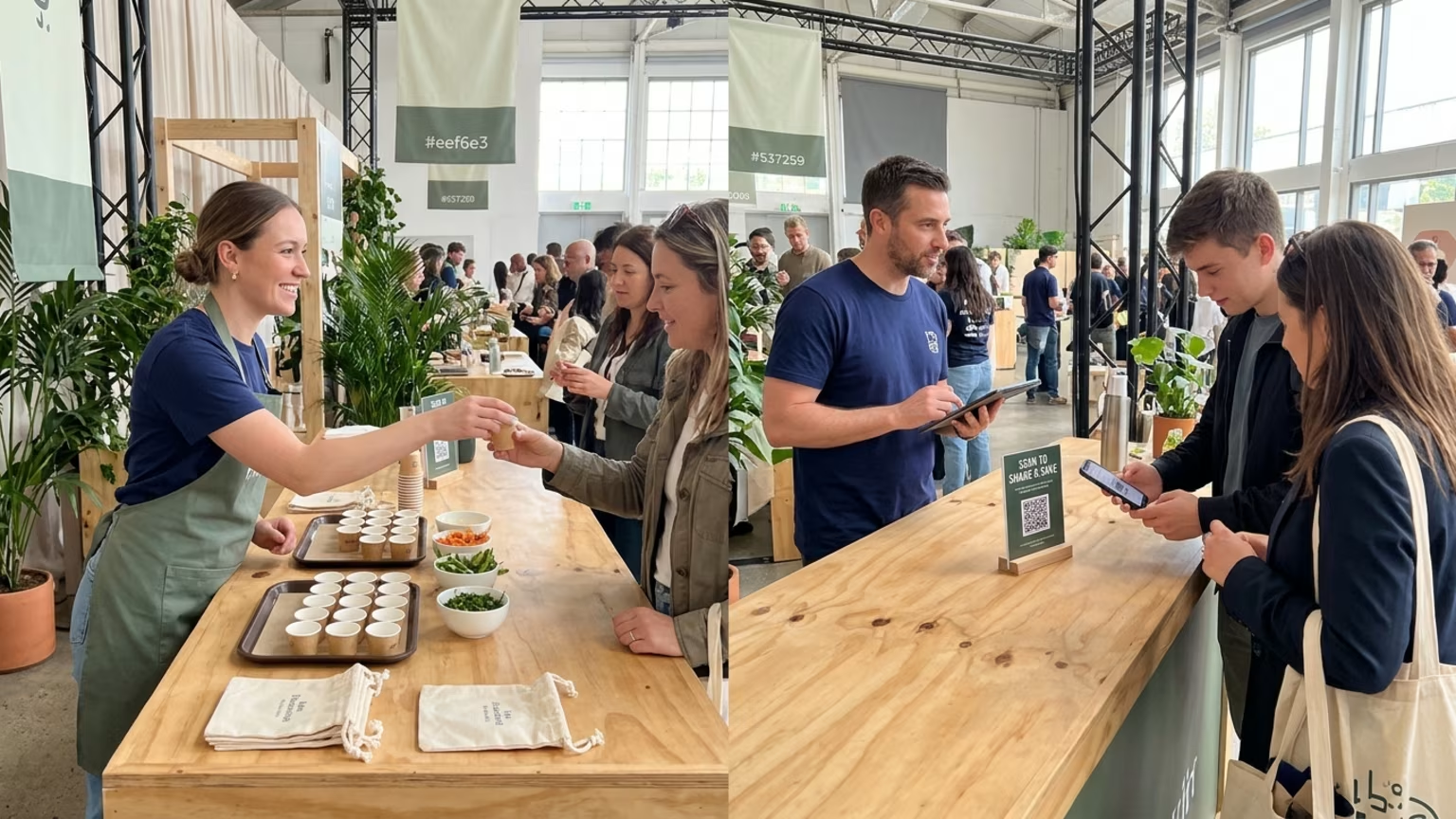
Your sample count is not a sales result. Neither is a packed booth. The sacred cow of experiential marketing is the belief that more people served automatically means more business created. That is a convenient story for a recap deck.
Trial deserves a place in the plan. It gives people direct experience with a product. But when the commercial goal is purchase, a mountain of empty sample cups cannot answer whether anyone bought. When the goal is retail pipeline, the crowd cannot answer whether the right buyers took a next step.
The better question is not how much activity an activation can produce. It is which business outcome the experience is meant to support and what evidence would show progress. Choose that before choosing the format.
The mainstream approach is seductive because activity is visible. Build the experience and attract a crowd. Count the interactions and put the biggest number on the first slide. The commercial question gets pushed into the follow-up meeting.
That is how a beautiful activation becomes a beautiful dumpster fire. The creative work may be strong while the reporting answers the wrong question. A trial objective gets judged by foot traffic. A pipeline objective gets judged by samples distributed.
The CMO's anxiety is not that the event will look too quiet. It is that a major spend will leave no qualified pipeline and no defensible Return on Investment (ROI) story. A crowded floor does not remove the need for space where serious buyer conversations can happen.
Even encouraging research needs the right label. Channel Partners' account of EventTrack 2026 reports that 61% of consumers were more inclined to buy after a live experience and 59% felt more positive about a brand. These were self-reported responses, not tracked sales. They describe perceptions rather than completed transactions.
The failure is not collecting those signals. It is changing their meaning when the budget review arrives. Participation should not quietly become purchase simply because the sales slide needs a stronger headline.
Aloha is not a decorative theme for an event team. In our view, it means a genuine welcome and respect for the person in front of the brand. The operational side is just as direct: the experience needs to function well enough for that connection to support action.
At Makai, our experiential programs combine creativity with strategy and data. Our trained brand ambassadors support in-store sales through real conversations and product trials. Our integrated services extend from permitting to CRM reporting. Warmth and operational discipline belong in the same plan.
We believe this is a better route to meaningful trial and conversion than treating the interaction as a photo opportunity. Human authenticity gives the encounter a purpose for the participant. Operational discipline gives the campaign a practical route toward its commercial objective. Neither replaces the other.
That discipline includes the less glamorous work. We store sampling product and event gear, then ship and track deliveries nationwide. Planning for staffing that supports the intended interaction belongs beside the creative concept rather than after it. A welcoming experience still needs people and product in place.
We managed a four-week, multi-market Costco sampling program for Pulmuone's PlantSpired line. The program delivered more than 65,000 samples and recorded an 18 percent sold-to-sale rate. Those are reported outcomes from that program, not a benchmark every activation should be expected to match.
The operational lesson is to keep the measures distinct. The sample total describes the scale of the work. The reported sales-related rate provides another view of performance. Collapsing both into a vague claim of “engagement” would make the evidence less useful.
Published event-measurement guidance recommends defining commercial objectives and the audience actions that signal progress before an event begins. That is the right order. The format should serve the outcome rather than dictate what the team later decides to count.
A purchase objective gives retail trial a different job from an objective focused on retailer interest. For a pipeline goal, meetings booked with target buyers may be more relevant than the total number of visitors served. For an awareness goal, exposure remains relevant. The plan should make that distinction explicit rather than pretending every activation has the same finish line.
Cvent distinguishes reach and response from downstream results such as meetings, leads and conversions. A useful working ladder keeps the questions separate:
These are different views of performance rather than interchangeable scores. A reach measure helps describe exposure. A trial measure helps describe product experience. Neither needs to impersonate a sales measure to deserve a place in the report.
Choose a small set of supporting measures around the primary outcome. For a retail purchase objective, that might mean reporting target-audience sampling activity alongside observed purchases. For a trade show pipeline objective, it might mean reporting relevant buyer interactions alongside retail meetings booked. The supporting measures explain progress toward the result.
This is why connecting business goals to the measurement plan matters before production. It gives the creative work a defined commercial role. It also gives the final report a question to answer rather than a pile of available numbers to display.
A purchase objective requires a plan for observing purchases. Before launch, define the sales metric and observation window. Where feasible, preserve a credible comparison group. Keep sales connected to the activation separate from estimates of sales that would not otherwise have happened.
The Drum's account of Xbox at Gamescom describes a measurement approach combining visitor interviews with QR-code survey responses and account data from consenting visitors compared with a control group. The useful lesson is the connection between on-site activity and downstream records. It offers a more substantial measurement design than an interaction count alone.
There is still a distinction between attribution and incremental impact. A purchase linked to an activation documents a connection. Estimating whether the activation generated additional purchases requires a credible comparison with what might have happened without it. A comparison design supports that assessment rather than guaranteeing a causal answer.
For physical CPG programs, retail sales or consented customer data can provide downstream evidence where those records are available. The measurement plan should identify that connection before launch. Otherwise, the report may reach the end of the event with detailed activity records but no way to answer the purchase question.
At Makai, we provide clear reporting on reach and trials alongside leads and sales to guide campaign optimization. Our measurement approach tracks awareness with engagement and conversion. The value is not having more categories on a dashboard. It is having information that helps explain what the campaign achieved and what the next decision should address.
A useful recap therefore separates activity from outcomes. Show what happened on site. Show the linked business results that are available. Label estimates as estimates and keep the primary business question visible throughout.
The core takeaway is simple: demand execution that can support the business claim. Creative work should earn attention and make the product worth experiencing. Operational discipline should support the intended action and produce evidence suited to the objective. A beautiful activation deserves credit for what it actually achieved, not for sales or pipeline that its activity counts cannot establish.
Qualified leads give consumer events a measurable business objective, and Makai designs live experiences around interaction, emotion and engagement. For CPG marketers facing low-quality leads at crowded trade shows, Makai develops experiential campaigns and trade show activations designed to turn brief consumer encounters into qualified leads.

30 Years Experiential & Retail Activation Partner for CPG & Beverage Brands | Multi-Market Demos, Roadshows & Costco/Club Programs That Actually Sell


