Robbie Thain
Founder, CEO

Plan the retail handoff for a mobile sampling tour: confirm store approval and stock, make offers easy to use, and assess sell-through beyond redemptions.

The busiest corner on the route can be the wrong place to sample. If the job is to support retail sales, pick the store before you pick the parking spot. A crowd is useful only if it includes the shoppers you want to reach and there's a credible place to send them after they try the product.
That's a tougher brief than making the truck look good or keeping the line moving. It asks what happens when someone takes a sip, likes it and says, “Where can I buy this?” By then, the answer shouldn't be up to whoever is holding the tray.
The familiar mistake is to build the route around foot traffic and treat the nearby store as a detail. The sampling team knows what it's pouring. The retail team knows which stores are running the promotion. But unless those plans meet at the stop level, a shopper can get a warm introduction to the product and vague directions about where to find it.
Proximity isn't participation. A store across the street might not carry the item being sampled or honor the offer the ambassador is describing. And the product set aside for the truck is not the inventory available for shoppers to buy. Those are different planning questions, even when the activation and the store share a parking lot.
That's the budget conversation a CMO wants to avoid: a costly tour recap with strong photos and no qualified opportunities to point to or a useful read on retail sales. FoodNavigator's coverage of a CPG industry webinar reports that participants cautioned that demos can be expensive. They advised brands to assess where they sample and use knowledgeable ambassadors. The location and the conversation both matter, but neither fixes a broken handoff from the street to the shelf.
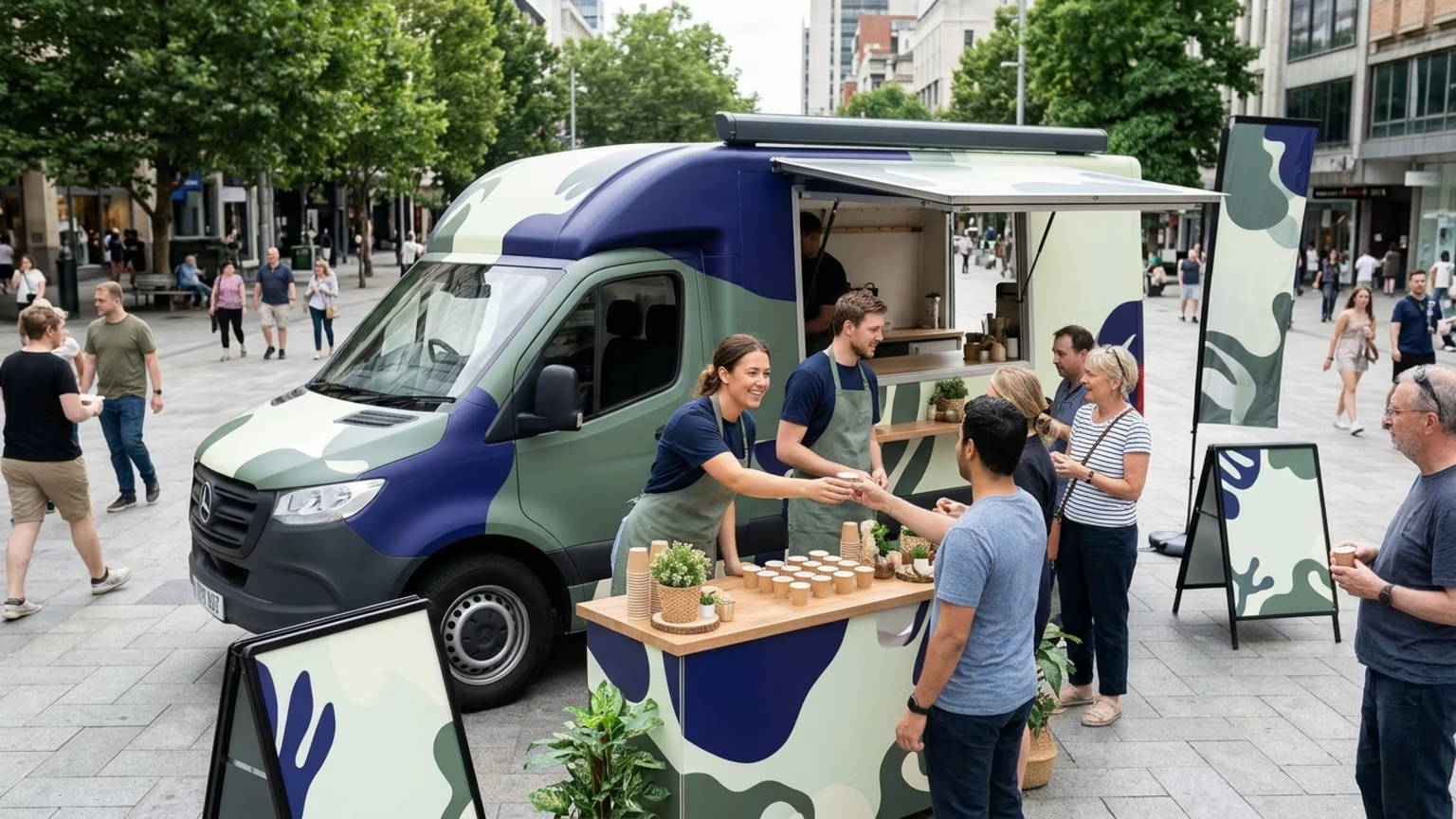
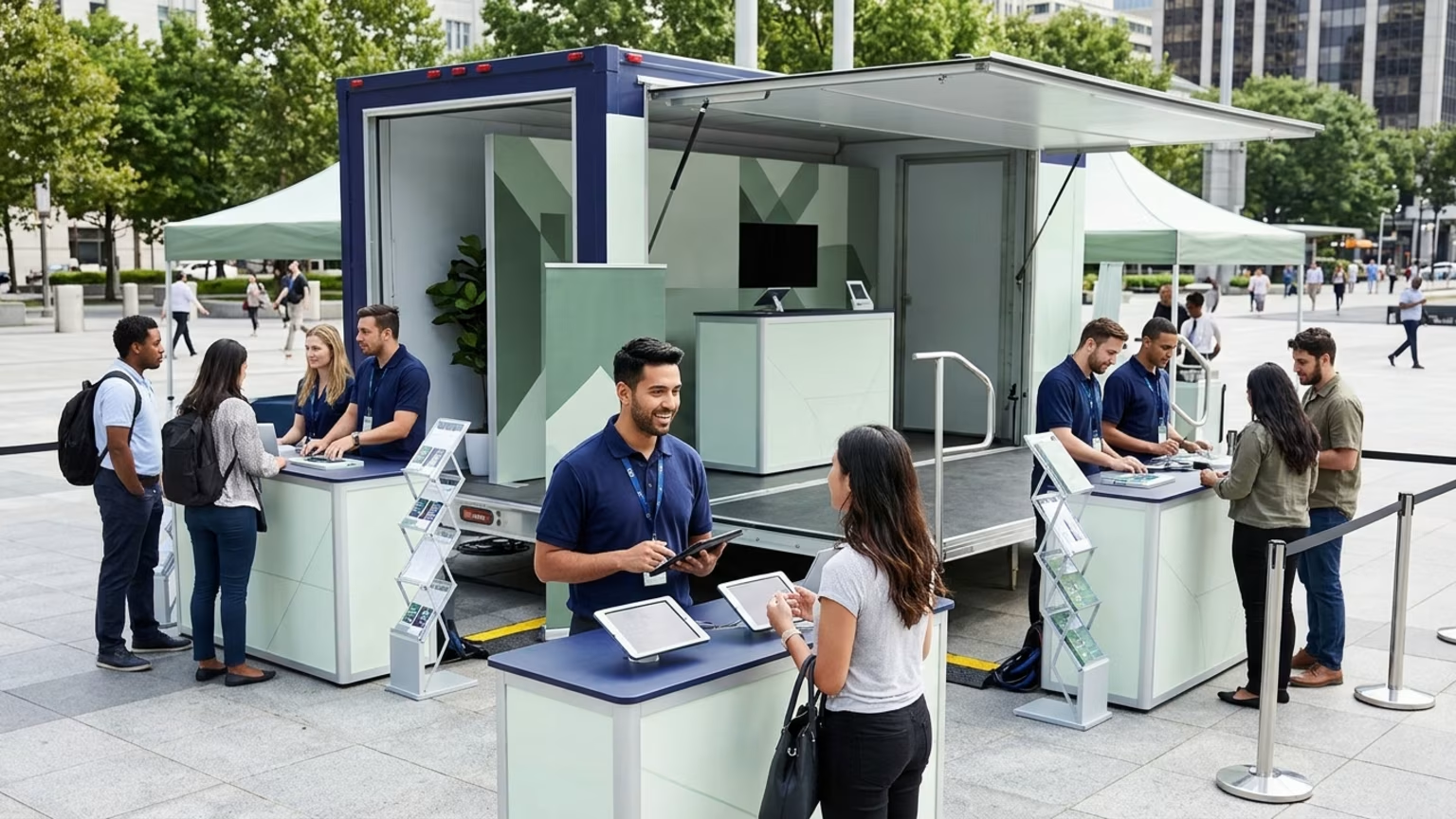
At Makai, we design mobile activations and roadshows around face-to-face trial. Our view is that aloha belongs in the welcome and discipline belongs in the handoff. Give shoppers room to taste and ask an honest question. When they're interested, tell them exactly where they can buy the item and how the offer works.
We also specialize in retail demos, where the shopper tries the product in a place they can buy it. A mobile stop doesn't have that built-in advantage. The operator's job is to make the trip from the tasting to the shelf as easy to understand as it would be inside the store.
Start with the purchase path: which store will the tour send shoppers to, and what can they buy there? Get the retailer's approval for the participating location, the featured item and any promotion the team plans to mention. Then confirm that the activation site can support that plan. Approval to feature a store in an offer is a separate question from permission to park and sample nearby.
Food Truck Promotions describes a model in which a sampling vehicle stops near a retail partner and gives tasters a store-specific QR code or offer. Its guide also gives the examples of a city permit for a public-street stop and a property owner's agreement for a private lot. Use those as prompts to verify what the proposed location requires, not as rules for every stop.
Before the stop goes live, confirm the featured item and participating location with the retailer. If the sample features a particular flavor or variety, check that the store carries the item the ambassador will point shoppers toward. Agree on who will check availability and what the field team should say if the item runs out or replenishment is delayed.
Give the ambassador an answer they can use without guessing. If the store can't support the offer, update the shopper-facing message rather than continuing to send people there on the strength of the original plan. For a tour with multiple stops, make that decision by location rather than treating the whole route as one retail promotion.
A shopper should leave knowing which store to visit, which product to look for and what to do at checkout. If there's a retailer promotion, confirm the eligible item, participating location and offer period before the team puts it on a sign or landing page. Walk through the redemption instructions with the retailer so the field team describes the promotion the same way the store honors it.
A store-specific QR code is one option. Use it to carry the details the shopper might forget after the conversation. If the promotion uses a code at checkout, make clear where the shopper gets it and when to present it. The ambassador should still be able to explain the next step out loud without making the shopper scan anything to find out where to go.
Decide what the team needs to learn before launch. If the goal is trial, count samples distributed to the target shoppers rather than relying on impressions. If the tour also has a trade objective, track qualified retailer meetings booked separately. Neither belongs in the sales column. For sell-through, agree with the retailer on which stores and items to track and what sales data it can share.
Specify the participating stores, the featured item and the periods you'll review before, during and after the activation. Ask for store-level unit sales for those periods. The pre-activation period gives you a baseline for each store. A view after the promotion ends helps frame whether the change was limited to the offer period.
Food Truck Promotions describes comparing sales at activated stores with a control set as part of its proposed model. If comparison stores are available, agree on them before the tour and review them over the same periods. Keep a stop-level record of where the team sampled, which offer actually ran and whether the field team learned of an availability problem. Read the store numbers against what happened, not just what was on the tour calendar.
A scan shows engagement with the code. A redemption shows the offer was used. Neither establishes that the purchase was incremental, and a change in store sales doesn't by itself establish that the tour caused it. The vendor model is a way to organize the comparison, not proof that the approach produces lift.
FoodNavigator reported that webinar participants recommended looking beyond redemption rates to new buyers, repeat purchases, post-promotion baseline sales and cost per unit moved. Use what the retailer can provide. If the data identifies new or repeat buyers, those measures can help answer a different question from how many people used the offer. If you're reporting cost per unit moved, name the costs and units included in the calculation.
The most useful recap is one the field and retail teams can act on together. Put trial, offer use and store sales on separate lines for each stop. That lets the team discuss whether to keep a location, revise the offer or fix an availability issue before sending the truck back. A tour-wide total may be useful for reporting scale, but it won't tell the team which handoff needs work.
Core takeaway: Demand more from the retail handoff than from the truck wrap. The creative earns attention, but the plan needs an approved store, a product shoppers can find and a next step the ambassador can explain. Agree on the sales read while there's still time to set it up. That's the work that makes a mobile tour worth evaluating as a retail investment rather than just a good-looking event.
A tasting can spark interest and still leave the shopper working out where to buy. Makai runs retail demonstrations staffed by trained brand ambassadors. The demos bring product trial and conversation into the store, where shoppers can ask about what they just tried before making a purchase decision.

30 Years Experiential & Retail Activation Partner for CPG & Beverage Brands | Multi-Market Demos, Roadshows & Costco/Club Programs That Actually Sell