Robbie Thain
Founder, CEO

A practical in-store activation checklist covering stock, pricing, permissions, ambassador preparation, CRM handoffs, and execution reporting.

An in-store activation is not ready just because the sampling table is.
The checklist should confirm purchasable inventory, accurate pricing, approved placement, and clear directions to the shelf.
It should also establish how the team will record actual conditions and carry relevant shopper interactions into follow-up.
Practitioner guidance on retail activations recommends nearby shelf availability and clear pricing. It also recommends checking store dates and display execution before evaluating results. That makes the purchase path part of preparation rather than something ambassadors work out after sampling begins.
A practical readiness checklist covers these questions:
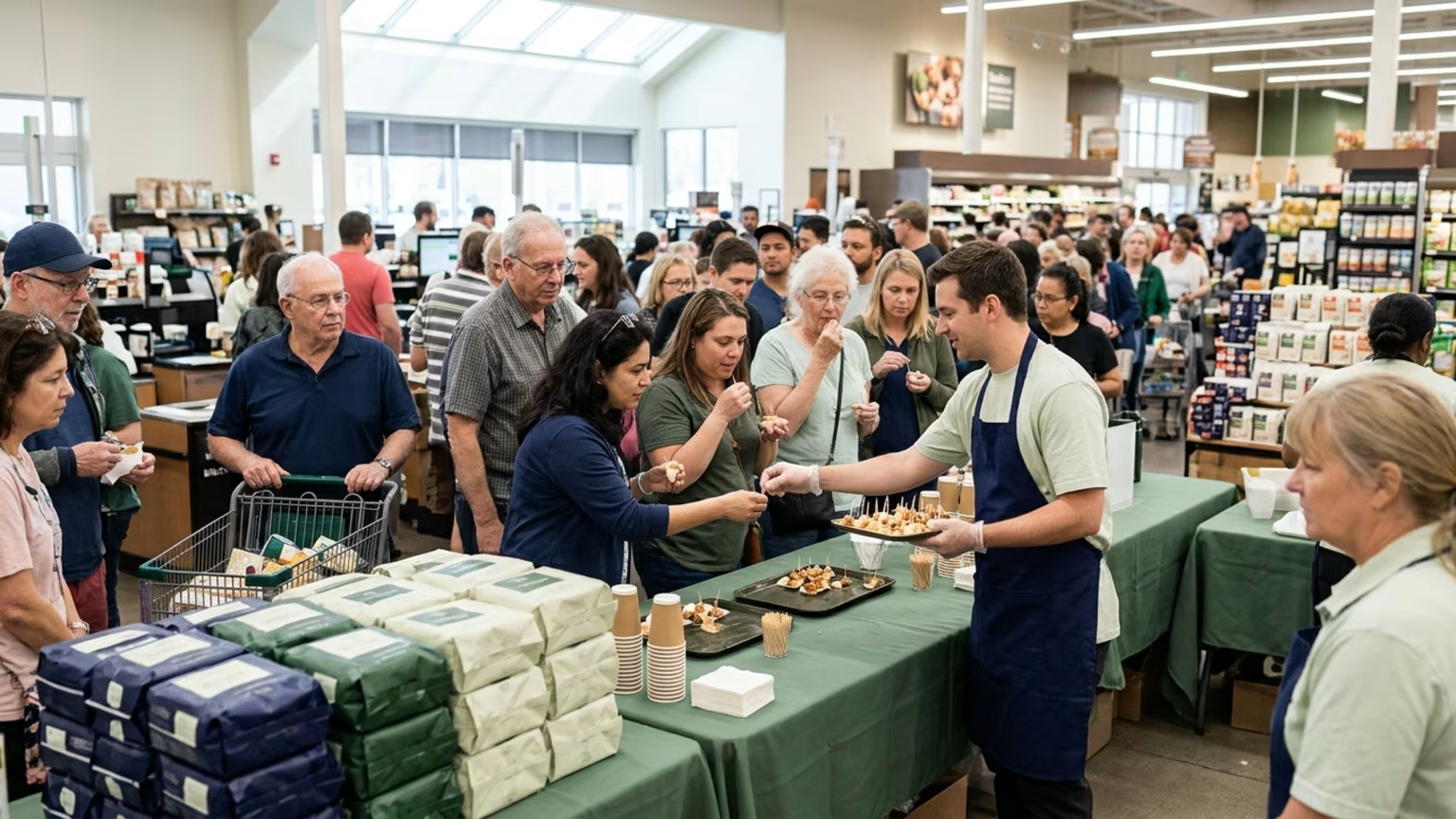
We specialize in retail demos, product sampling programs, and roadshows across multiple locations. For us, readiness means connecting the planned brand experience with the conditions shoppers will actually encounter.
Confirm the activation date and operating window with the retailer. Agree on the space and display expectations before arrival. Ask which store-specific permissions apply rather than treating a previous location’s approval as permission for the next one.
There is no single approval process established across retailers in this guidance. A store-specific permissions review should therefore remain a local confirmation task rather than a universal permit list.
Makai stores sampling product and event gear, then ships and tracks those assets while coordinating delivery nationwide. That logistics capability addresses the movement of materials. Store readiness still requires confirmation that the demonstrated product is available for shoppers to purchase.
The inventory question is not simply whether sampling supplies arrived. It is whether the demonstrated SKU is on sale in that store during the activation.
The consultancy guidance recommends checking in-stock availability and having the product on the shelf near the demo. For planning purposes, record the purchase location and the observed stock condition. Keep those observations separate from assumptions about what should have been delivered.
Useful confirmation questions include:
Check the visible shelf or display price against the promotion being described. Record the actual setup rather than relying only on the approved plan.
The same practitioner guidance recommends timestamped photos identified by store. These provide an execution record to review alongside sales data. Photos should document what was present, not serve as a substitute for confirming product availability.
The resulting store record should connect the planned activity with observed conditions. Include the final placement and visible price. Add scheduled and actual activation times so later reporting does not silently treat a shortened event as a full session.
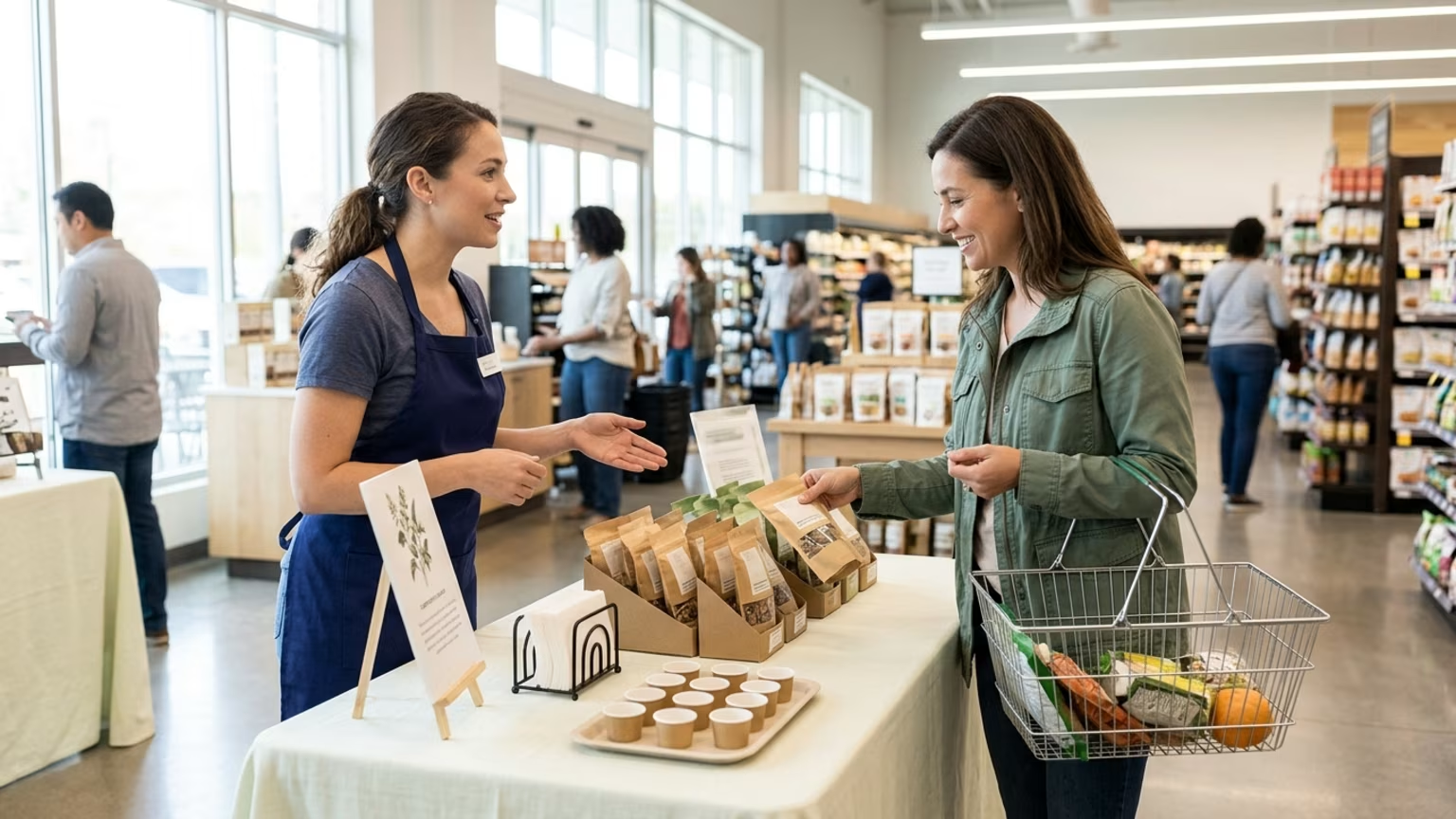
Preparation should make the human interaction easier without turning it into a rigid script. Makai’s retail demonstrations use trained brand ambassadors to connect product trials with real conversations and in-store sales.
For us, a human-centered aloha approach means being approachable and attentive while staying accurate about the product and purchase opportunity. Warmth does not require pretending that a missing item is available. Precision does not require making every shopper hear the same speech.
The readiness brief can translate the store checks into conversational facts:
These are proposed briefing topics drawn from the readiness checks, not a claim about a universal ambassador certification process.
We believe the useful test is whether the ambassador can move naturally from product interest to an accurate next step. That next step might be finding the shelf or continuing through a relevant digital interaction. A store-level execution review can keep those operational facts connected to the staffing brief.
A physical conversation and a usable CRM record are different outputs. Planning needs to connect them explicitly rather than treating every interaction as a lead.
We integrate QR codes and mobile technology with real-world activations across retail, event, and tour experiences. Makai’s positioning also spans permitting through CRM reporting. For an individual program, the exact handoff needs to be defined around the intended interaction and follow-up.
A useful planning sequence is:
This is a sequence of decisions to confirm, not a claim that every QR interaction automatically creates a qualified lead. The physical handshake starts the connection. The defined capture and routing process determines whether there is a record available for follow-up.
For Return on Investment (ROI) reporting, distinguish execution evidence from observed sales and attributed impact. The consultancy guidance recommends a pre-activation sales baseline and matched-store comparisons where feasible.
Walmart Connect’s case study illustrates why campaign context matters. It reports that brands using three tactics rather than two showed differences of +6 percentage points in sales lift and +3 points in brand-purchase lift. It also reports +6 points in purchase consideration.
Those were vendor-reported findings from one advertiser’s campaign combining sampling with other in-store touchpoints. The activities ran across different windows, and the available methodology does not isolate sampling’s contribution or establish a general expected lift.
The practical reporting recommendation is straightforward: identify the stores and measurement period. Show what happened operationally. Then explain the comparison used before making an attribution claim.
The contingency plan should distinguish the activity that can still take place from the results that can still be documented. Replacement staffing and technical recovery require program-specific agreements; this checklist does not establish a universal recovery procedure.
For us, the field priority is an honest account of the floor rather than a report that preserves the original plan on paper.
The planning question is whether approved coverage is available. If the scheduled activity does not happen, record that disruption and the actual operating time. Do not report the planned session as completed simply because the location remained on the calendar.
Confirm which capture route is functioning before describing the result as a completed lead handoff. If the record cannot be verified, flag the gap rather than treating the conversation or QR interaction as a confirmed CRM entry.
The technical recovery method belongs in the program’s approved plan. The reporting principle remains the same: observed engagement and verified records are separate measures.
Vendor guidance on assessing demo execution recommends reviewing photo compliance and stock-out incidents alongside sales. It warns that incorrect setup or unavailable product can complicate interpretation.
Record the observed stock condition and actual placement. Note a price mismatch or store-level disruption rather than silently treating the location as comparable with every other activation. The contingency record should describe what changed and which parts of the planned experience actually occurred.
The next planning step is to review one location’s complete readiness record. Look for unanswered questions about purchasing availability, permissions, staffing, digital capture, and follow-up ownership.
Use those gaps to guide the next retailer discussion and operational review. A broader activation preparation check can then connect store readiness with the rest of the event plan. Expand a documented process rather than copying an untested set of assumptions across more locations.
Retail readiness requires deciding how products and event gear will reach each location; Makai handles storage, shipping, tracking, and nationwide delivery coordination. For CPG marketers whose event contacts stall before follow-up, Makai also addresses CRM routing within its work to turn consumer interactions into qualified leads, keeping the commercial handoff in view alongside the physical activation.

30 Years Experiential & Retail Activation Partner for CPG & Beverage Brands | Multi-Market Demos, Roadshows & Costco/Club Programs That Actually Sell