Robbie Thain
Founder, CEO

Learn how food brands are redesigning in-store sampling programs to turn passive product trials into trackable retail experiences that drive measurable sales.
Retail demo programs often get judged on cups poured instead of incremental pipeline. Food brands are now redesigning in-store sampling to connect direct tasting with measurable retail sales performance.
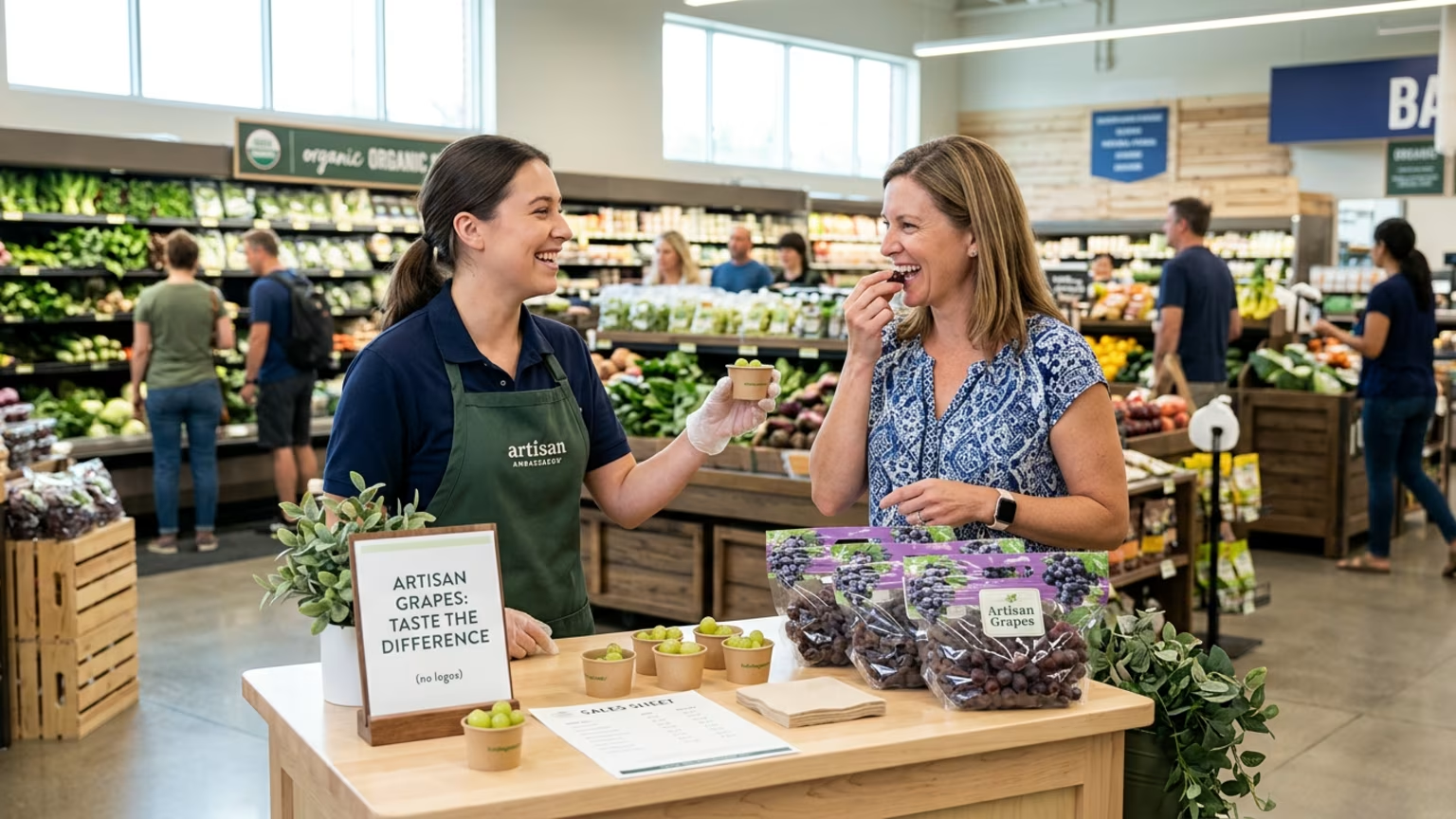
The typical grocery aisle demo station operates in a fog of unverified hope. A field representative sets up a folding table, pours small cups of product, and waits for foot traffic to pass by. Shoppers take a sip, smile politely, and walk away with no reliable mechanism to track their next move. Teams back at headquarters receive a wrap report detailing total samples distributed and a few anecdotal comments.
That mismatch between physical execution and commercial tracking leaves marketing leaders struggling to defend the budget. When programs operate without attribution hooks, the activation looks busy but produces zero evidence of actual Return on Investment. Operators know that a great taste profile can win a customer for life. The problem is that a blind giveaway model fails to capture the identity of that customer or confirm their purchase intent.
Retail buyers demand consistent movement off the shelf to justify premium store placement. When a field activation fails to clear inventory, the brand risks losing its hard-earned retail real estate. Store managers have little patience for congested aisles that do not yield corresponding register rings. This operational pressure forces marketing leaders to rethink how they justify the cost of live product distribution.
Food brands are under intense pressure to turn sampling from a simple visibility play into a trackable retail conversion tool. According to Food Dive reporting, consumer packaged goods brands are rethinking in-store sampling to better connect tasting with measurable sales performance. The core strategy requires moving past the passive giveaway model to treat the physical interaction as a structured data capture opportunity.
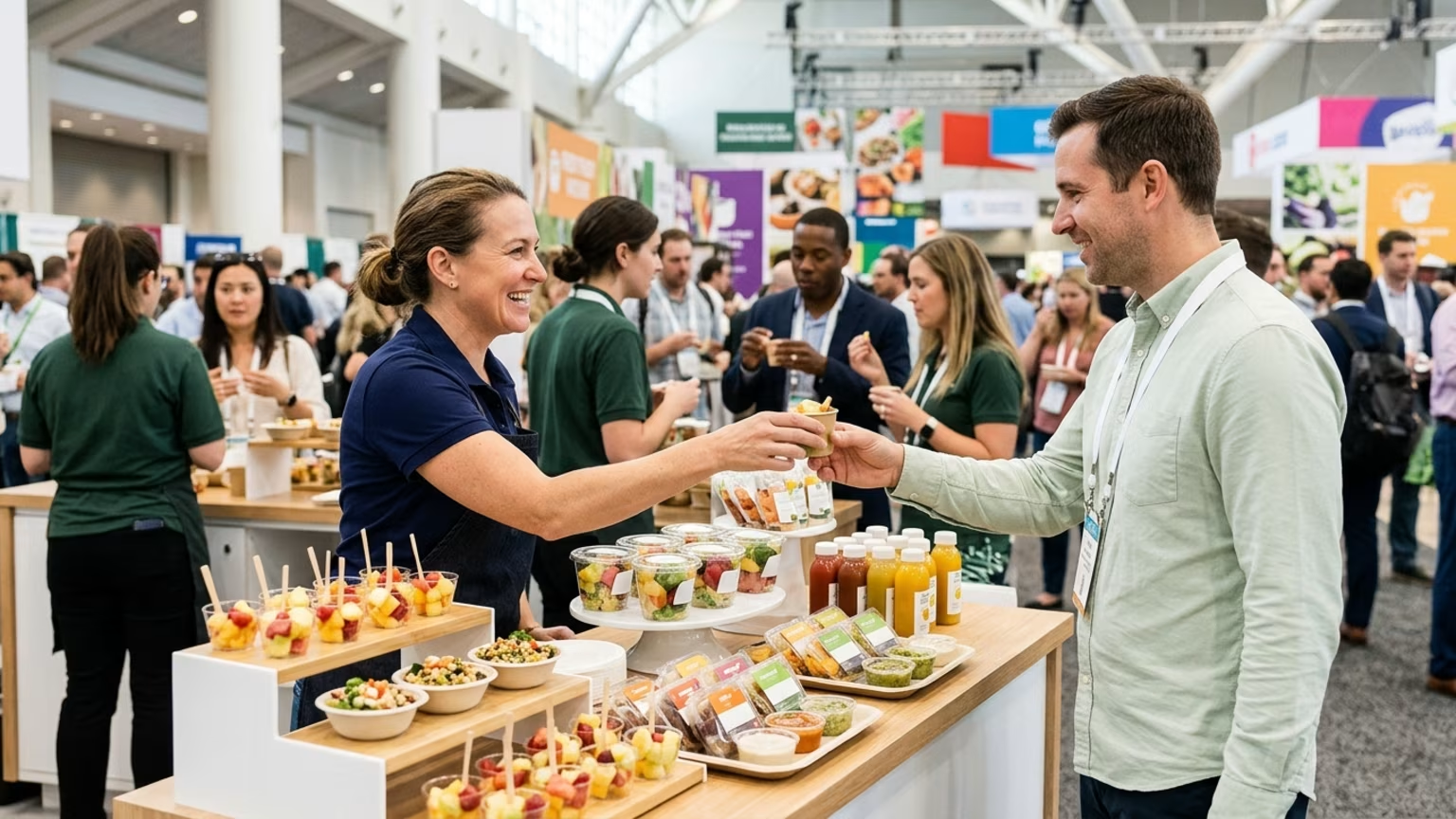
This structural shift allows brands to align physical sampling with modern retail data infrastructure. Coverage of the Food Marketing Institute annual food industry analysis shows that food retailers and suppliers are investing in technology focused on efficient operations and frictionless grocery shopping experiences. To succeed today, grocery store sampling must bridge the gap between sensory proof and digital tracking. Marketing-Interactive reports that retailer collaborations are increasingly focused on better station layouts to improve shopper flow, hygiene, and conversion tracking.
Teams must integrate these physical station upgrades with post-event offer mechanics to close the loop. By treating the sampling station as a point of sale rather than a static display, operators can establish a trackable relationship with the consumer. Our team at makai argues that sampling should be treated as a physical entry point to a trackable digital relationship. We have been connecting brands with people through live experiences, retail programs, and national activations since 1995.
Over three decades, we have built a track record of creating meaningful brand moments across the country. In our experience, foods, beverages, and some wellness products are well suited to sampling because sensory experience is a key purchase driver. When consumers can physically verify the taste or texture of an item, their hesitation to buy drops significantly. The challenge is ensuring that this moment of sensory proof is captured, measured, and tied to the cash register.
Transforming a traditional tasting event into a commercially accountable program requires strict operational discipline. Field teams must apply the same rigor to physical activations that digital teams apply to online campaigns. The execution playbook centers on integrating measurement mechanisms directly into the consumer conversation.
Executing these steps ensures the tasting experience actually drives the shopper to the shelf. It removes the ambiguity of field marketing and replaces it with a hard, process-driven pipeline.
Measuring an experiential campaign requires a shift from counting interactions to tracking actual buying behavior. Field marketing leaders must stop relying on total sample volume as the primary indicator of success. The focus must shift to how in-store experiential touchpoints influence the actual register receipt. Food Dive notes that some brands are linking demo performance directly to basket size and repeat purchase.
The primary lead metric to monitor is the trial to purchase conversion rate during the live event window. This number shows how many shoppers tasted the item and immediately placed it in their cart. Field managers can calculate this by tracking the starting inventory, the total samples given, and the final units sold on the shift. When the conversion rate dips, operators can immediately adjust the messaging or the placement of the station.
Secondary metrics include redemption rates on the specific discount codes or follow-up offers distributed at the station. For long term impact, teams should track repeat purchase behavior through retailer loyalty programs or digital receipt capture. When operators combine these figures, they can confidently report on true commercial impact. Presenting these hard numbers to executive leadership secures future budget allocations and proves that field marketing works.
Bridging the physical to digital gap requires dedicated technology at the booth. By capturing an email address or a phone number through a digital sweepstakes, an anonymous taster becomes a known contact in the customer database. This transformation is critical for proving that a single tasting event generated long term value. Once the shopper is in the system, automated marketing sequences can encourage them to buy the product again on their next grocery run.
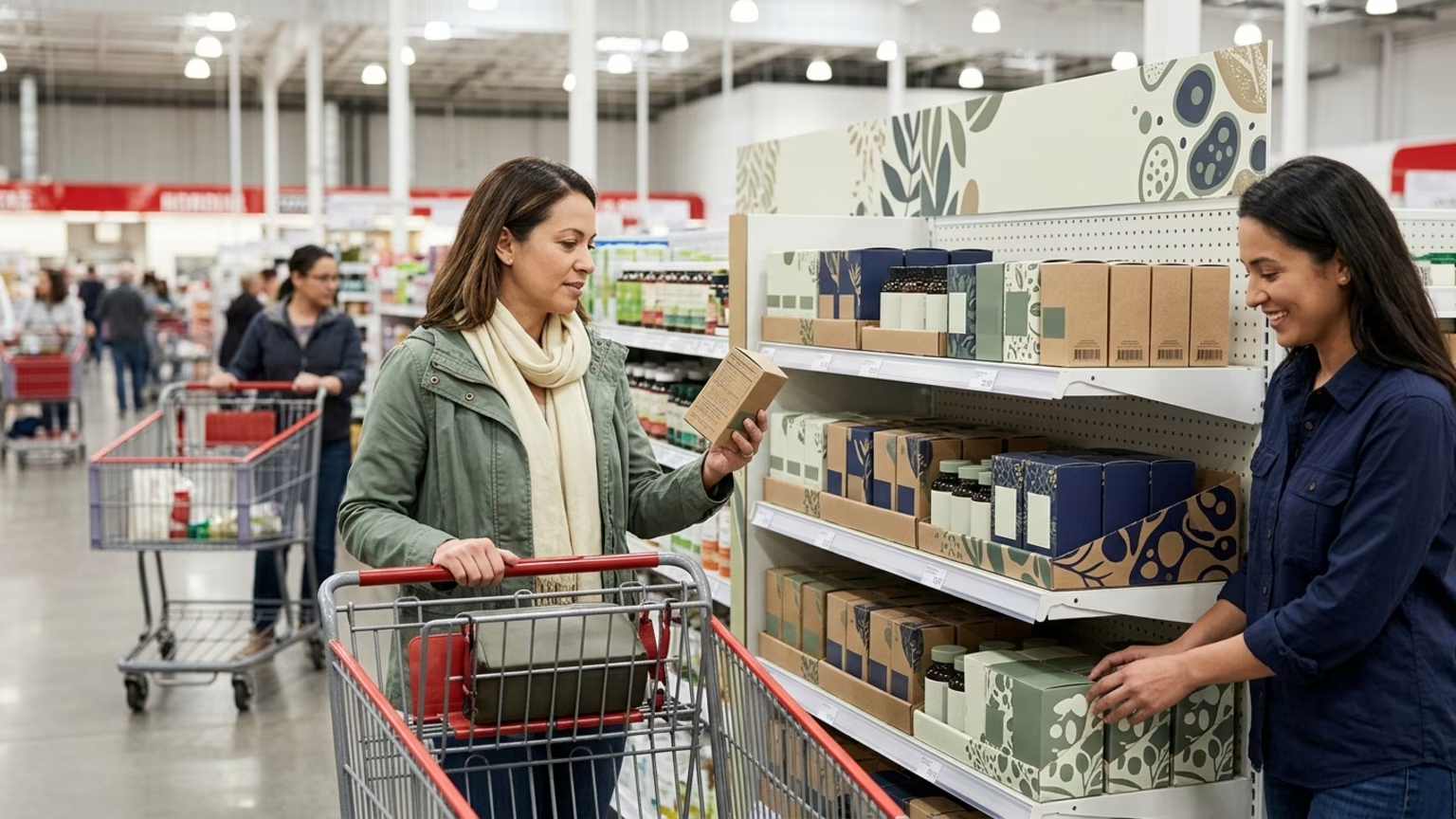
The commercial intent behind sampling extends beyond just getting a sip of a product into a consumer mouth. Neil Saunders, managing director of GlobalData Retail, told USA TODAY that there is a real commercial impetus behind samples but they are also part of the appeal of Costco and have a halo effect of showing Costco looks after its customers. That halo effect works best when the brand creates an engaging memory that anchors the physical trial.
Building trust through taste is fundamentally different from building awareness through a billboard. Sensory engagement bypasses digital fatigue by offering immediate, tangible value to a tired shopper. When consumers smell a fresh sample cooking, their natural curiosity pulls them toward the station organically. This physical pull creates a captive audience that digital platforms struggle to replicate in physical retail environments.
A recent product launch in Singapore illustrates how a brand can break the mold of the traditional supermarket demo. Marketing-Interactive reports that FairPrice Group used an in-store activation to promote its new FairPrice Coconut White Coffee across selected FairPrice Xtra outlets. The retailer challenged shoppers to shout "COCOOONUTTTTT" for as long as they could in a bid to win the new product. Held across selected outlets, the in-store activation marks the first campaign of its kind for the retailer.
A spokesperson for the retailer said the "COCOOONUTTTTT" challenge was created to be a fun and engaging in-store experience that encouraged customers to try the new FairPrice coconut white coffee. This specific approach transforms a passive product demonstration into an active memory. It forces the consumer to participate in the narrative before receiving the reward. This energetic exchange creates a deeper psychological commitment to the brand.
When brands design these moments with intention, they turn fleeting consumer interactions into qualified pipeline. It takes operator-grade discipline to execute these campaigns consistently across a national retail footprint. Teams that master this balance of creativity and accountability will outpace competitors who still rely on the old folding table model. To build a sampling program that delivers clear commercial results, book a strategy call with our field operators today.

30 Years Experiential & Retail Activation Partner for CPG & Beverage Brands | Multi-Market Demos, Roadshows & Costco/Club Programs That Actually Sell