Robbie Thain
Founder, CEO

Major retailers are bridging digital and physical store discovery with creative ad formats. Learn how in-store screens drive measurable sales lift and ROI.
The U.S. retail media market is surging toward an estimated $70 billion in annual spend. This massive capital influx is no longer just funding simple digital banner ads on grocery websites. It is actively transforming physical store aisles into highly measurable marketing environments where brands can track real consumer behavior. On July 1, 2026, industry data confirmed that major retailers are aggressively deploying digital-integrated sampling and interactive hubs across their physical footprints.
Retail media networks are shifting from pure shopper-data targeting to offering creative branded content. Grocers want to capture upper-funnel brand budgets by blending physical product discovery with high-tech screens. This means CPG brands can now engage shoppers through digital displays right at the retail shelf. The old model of isolated retailer inventory is evolving into a broader system. First-party data now activates measurable outcomes across all marketing touchpoints.
Before this shift, brands viewed online advertisements and physical store marketing as two separate budgets. Today, those boundaries have completely collapsed. Consumers expect an engaging experience whether they are scrolling on their phones or pushing a cart through the deli section. Brands that fail to recognize this physical and digital integration will quickly lose market share to competitors who do.
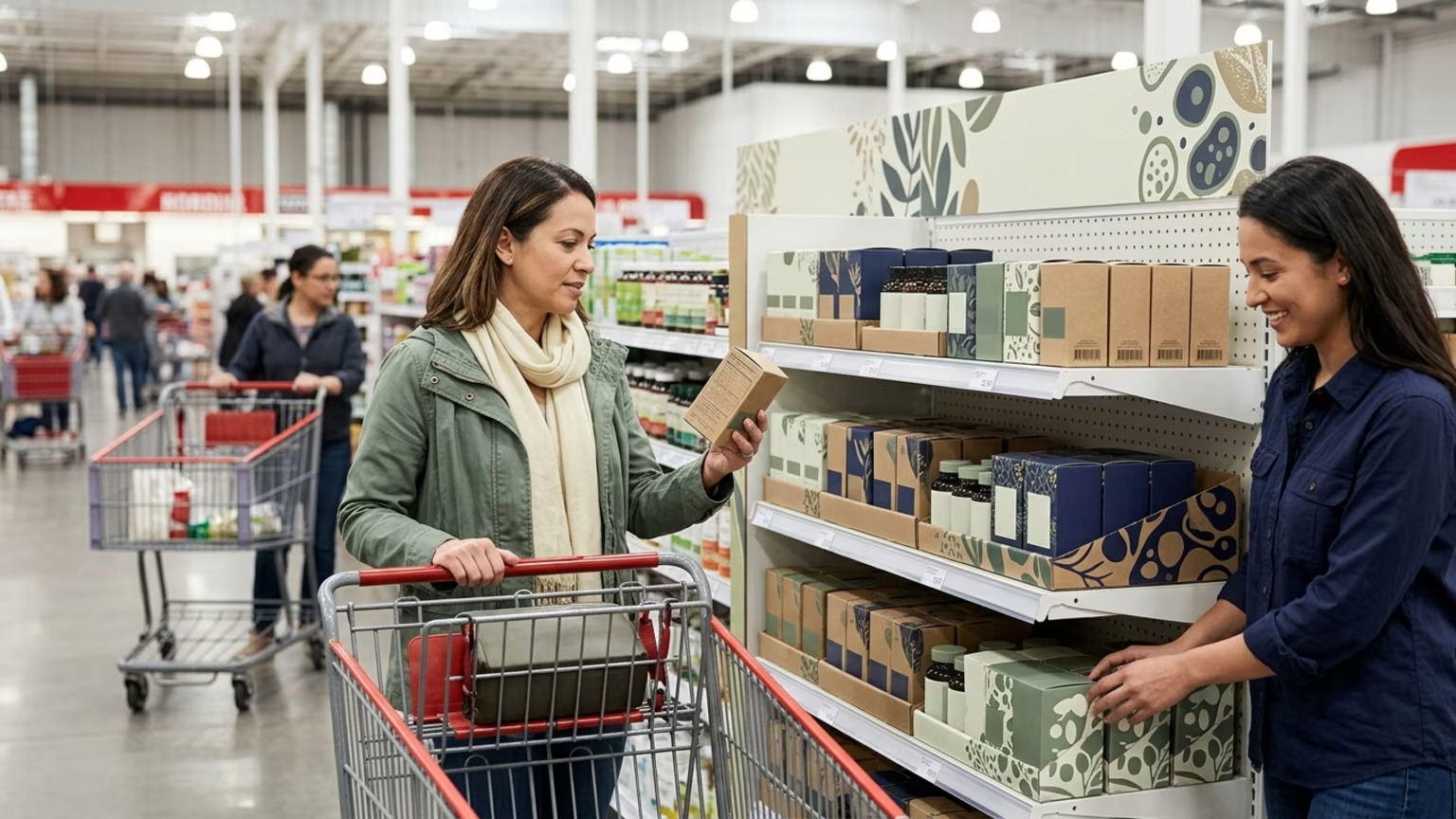
The physical retail environment is undergoing a massive operational change across the country. Albertsons plans to expand its in-store digital display network to 800 of its 2,200 plus locations by the end of 2026. This aggressive expansion follows an initial 80-store pilot program that launched last summer. Industry reports indicate that Target Roundel is testing in-store hubs designed to combine physical product demos and sampling with digital screen integrations.
Walmart is also expanding its digital footprint with highly strategic in-store screen placements. According to Walmart Connect data, digital screen placements at self-checkout areas can deliver an average 10% lift in purchase intent. Initial proof-of-concept testing has also shown campaigns achieve up to a 5% sales lift for food suppliers on deli and bakery screens. In early 2026, Walmart agreed to acquire Vibe.co to integrate its retail media ecosystem directly into Connected TV.
Other major grocers are connecting online platforms to physical store purchases. Kroger and Albertsons have partnered to integrate their first-party shopper data with YouTube and TikTok. Advertisers can now target social media users based on actual grocery purchase history. Albertsons Media Collective also recently integrated Criteo-sponsored products into its AI-powered conversational search. This integration allows advertisements to appear naturally within meal-planning and basket-building sessions.
Brand marketers have historically struggled to prove the exact Return on Investment for physical activations. Retail demonstrations and product sampling clearly drive trial and build long-term consumer trust. However, connecting a specific in-store interaction directly to a verifiable sales lift has always been difficult. Retail media networks now provide the hard evidence required by senior leadership to justify large experiential budgets.
At makai, our primary focus is turning live brand experiences into measurable pipeline for premium CPG brands. We know that field execution is often unfairly judged on vanity metrics like total cups poured or temporary foot traffic. This shift toward measurable digital integrations finally solves the attribution problem for our clients. Brands can finally link specific in-store creative activations directly to real shopper conversion data.
Marketing leaders must stop treating live events as mere brand theater. They need to pair their physical ambassadors with unified retail media strategies to drive actual revenue. When a digital screen prompts a shopper to try a product, the physical sampling station must be flawlessly executed to close the sale. The brands that master this combination will dominate the grocery sector.
These new digital formats create an immediate domino effect on how field teams operate day to day. Industry analysts at Osmos suggest that aisle-level targeting represents the most significant advantage for in-store networks compared to traditional digital out-of-home advertising. Aisle-level targeting allows brands to serve creative content on screens based on category proximity and the specific time of day.
This precise targeting means that physical staffing must become much more disciplined. If your brand runs an ad on a bakery screen during the morning rush, your field staff must be fully stocked and ready to sample at that exact moment. Brands must refine their in-store demo programs to perfectly match the digital content schedules. A disconnect between the screen promotion and the physical product availability will immediately hurt your conversion rates.
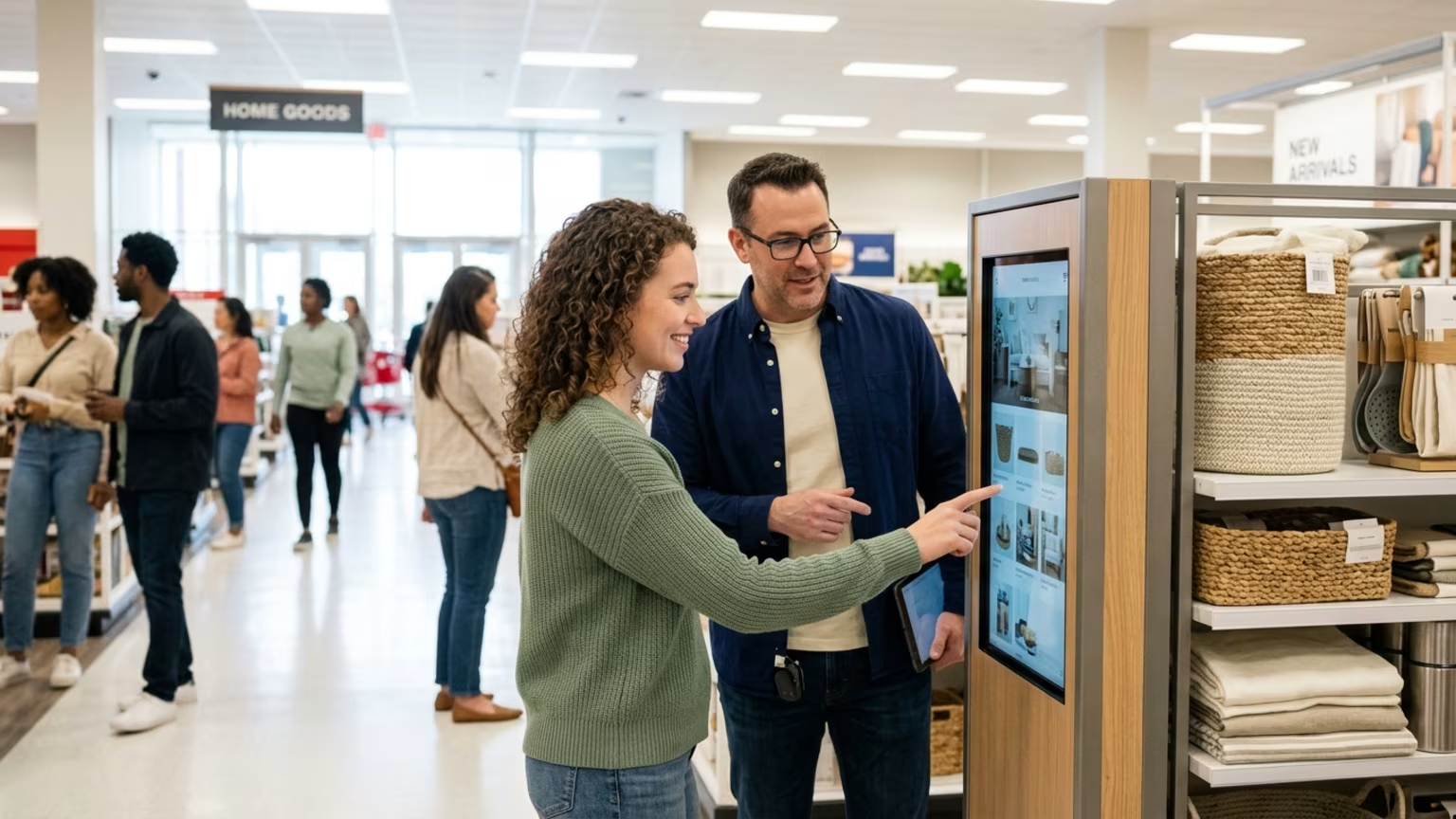
Brand teams must also adapt to interactive digital formats that require direct consumer participation. Some new in-store displays include QR-enabled interactives or complex audio-screen combinations at service counters. Brands are realizing why AI event analytics matter when evaluating these complex physical engagements. Every digital touchpoint in the store requires a highly coordinated logistical response from the field marketing team.
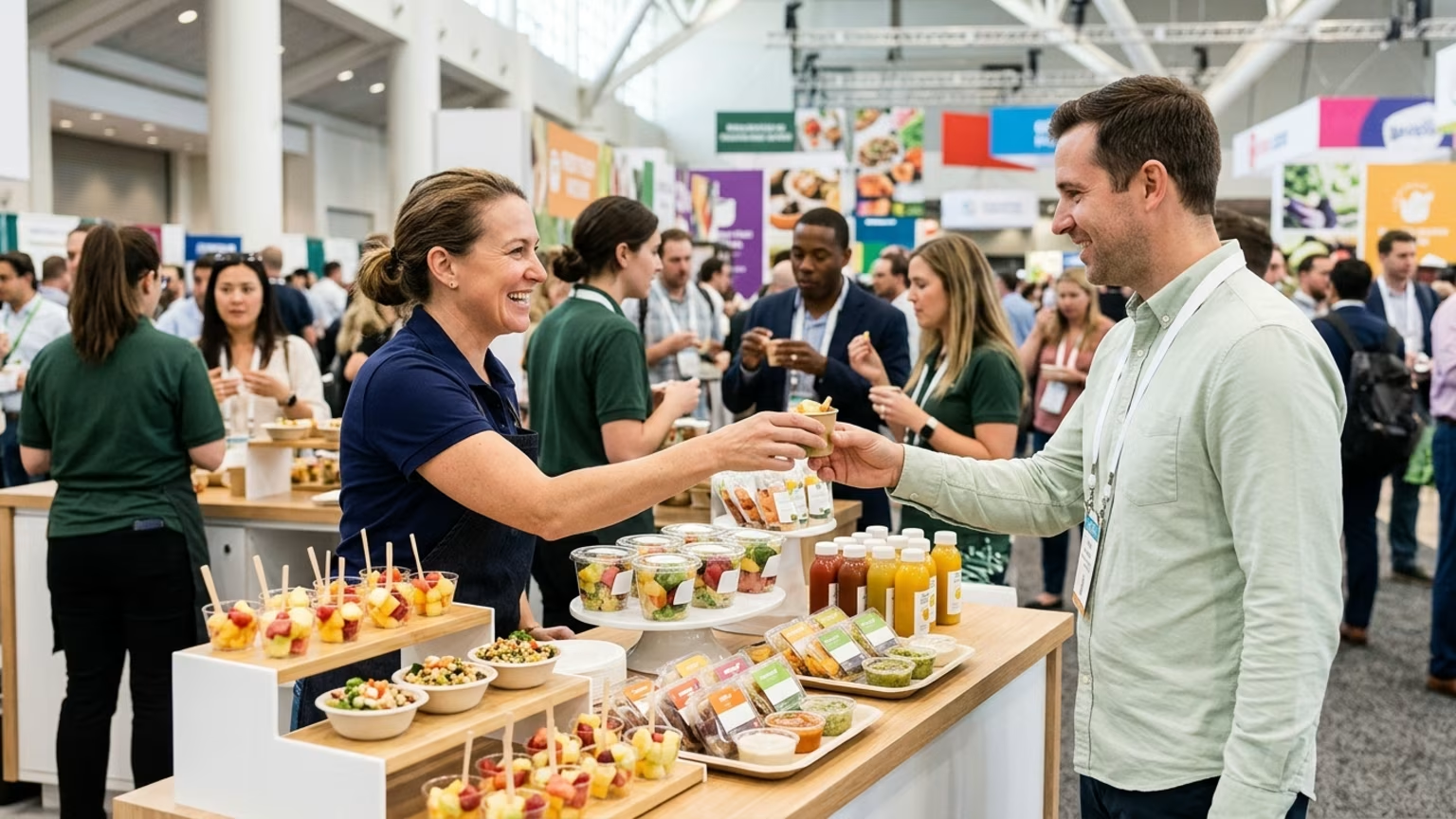
There are also new challenges regarding friction on the retail floor. QR codes on in-store screens require the consumer to take multiple steps to claim an offer or view a recipe. This friction can limit conversion rates compared to passive viewing or a direct interaction with a trained representative. A live brand ambassador removes this friction entirely by simply handing the product directly to the consumer.
Retailers are heavily investing in creative entertainment to capture shopper attention and drive higher engagement. In June 2026, Albertsons launched a 22-episode scripted series produced with Procter & Gamble called Rico's Tacos. This series features 15-second teasers on in-store screens with QR codes to drive viewers to the retailer app for recipes. Content like this proves that grocers are actively trying to entertain shoppers while they walk the aisles.
This level of creative investment raises the stakes for physical brand activations across the board. CMOs should look to reuse high-quality vertical video assets within these new in-store networks to maintain visual consistency. However, a highly produced video ad will not save a sloppy physical product demonstration. The execution on the floor must match the premium quality of the digital content playing on the screen above it.
Instead of relying on broad physical sampling, marketing leads can use retail media data to target specific buyers. Grocers increasingly offer targeted sampling bundled with delivery orders to drive trial among specific demographic segments. High-value households can receive physical samples directly to their door based on their digital purchase history. Physical and digital tactics must work together to build trust through repeated exposure.
While digital reach is vast, the physical infrastructure is still expanding at a measured pace. The current rollout of the Albertsons display network covers only about 36% of its total store footprint. Brands must strategically select where and when to deploy their physical teams to maximize impact alongside these new screens.
Digital screens can prompt a shopper to look at a product on the shelf. A real human interaction makes them taste the product, trust the brand, and actually buy it. We know from our daily operations that hands-on experiences connect emotionally and turn customers into loyal brand ambassadors.
A Director of Brand Strategy in the CPG snack division shared: "The Makai team turned our product launch into a sensory event that shoppers still talk about. From creative storytelling to flawless in-store execution, they made snack time unforgettable. We couldn't have asked for a stronger partner." Our team created an in-store experience that left a lasting impression on consumers and became a memorable brand moment.
Technology provides the initial targeting data, but trained brand ambassadors provide the actual hospitality. High-tech discovery hubs are only effective if the person handing out the sample can hold a meaningful conversation with the shopper. Operational excellence in the field remains the ultimate deciding factor for securing long-term retail success.
The $70 billion U.S. retail media market is clearly moving beyond digital borders and into physical store aisles. Grocers are building highly trackable environments filled with interactive screens and targeted audio. The brands that successfully merge these high-tech digital formats with flawless physical execution will easily dominate the grocery shelf.
Are your physical marketing operations disciplined enough to capture the localized demand generated by these new retail media networks?

30 Years Experiential & Retail Activation Partner for CPG & Beverage Brands | Multi-Market Demos, Roadshows & Costco/Club Programs That Actually Sell