Robbie Thain
Founder, CEO

Major retailers are updating in-store demo programs to drive CPG product trial and recover center-store traffic. Learn how to execute high-converting events.
The field marketing director stares at her phone in aisle four. Two demo tables sit empty, the scheduled staff is missing, and a pallet of new products remains completely untouched. This is the precise second a massive retail investment turns into a total financial failure.
Consumer shopping behaviors are shifting rapidly across the national grocery sector. Shoppers increasingly browse the perimeter of the store for fresh items and order their boxed pantry staples through online delivery apps. This behavioral shift creates a massive dead zone in the middle aisles where premium CPG brands traditionally rely on impulse purchases. To counteract this physical traffic deficit, sophisticated retailers are reimagining the basic in-store demo as a highly localized brand experience. They recognize that giving away a free bite of food is no longer enough to change entrenched consumer buying habits.
Major grocery and club chains are aggressively updating their in-store sampling strategies to win back center-store traffic and basket size. By deploying structured event calendars and integrating physical trials with loyalty app data, brands can transform casual aisle browsers into loyal repeat buyers.
The disorganized reality of a basic retail demo often resembles a nightmare on a packed trade show floor. When you exhibit at a massive industry expo, you secure premium real estate, ship expensive materials, and wait for the sales to roll in. Instead, operators often face unmotivated temporary staff, terrible booth traffic flow, and distracted attendees who ignore the display entirely. A chaotic trade show floor exposes every operational weakness in your experiential marketing plan.
Consider the sheer logistical nightmare of managing a twenty-by-twenty booth at a major food and beverage expo. You must navigate complex union rules, coordinate expensive freight drayage, and guarantee your visual assets perfectly communicate your value proposition. A single missing pallet or an unenthusiastic staff member can ruin months of meticulous corporate planning. Competitors blast loud music across the hall, attendees rush past your setup to find coffee, and unqualified leads waste your valuable time.
This identical sensory overload happens in massive retail environments when brands rely on passive hope rather than rigid operational discipline. Grocery shoppers are completely distracted by long shopping lists, crying children, and an overwhelming wall of endless product choices. Capturing human attention in these environments requires a physical presence that commands respect and naturally stops foot traffic.
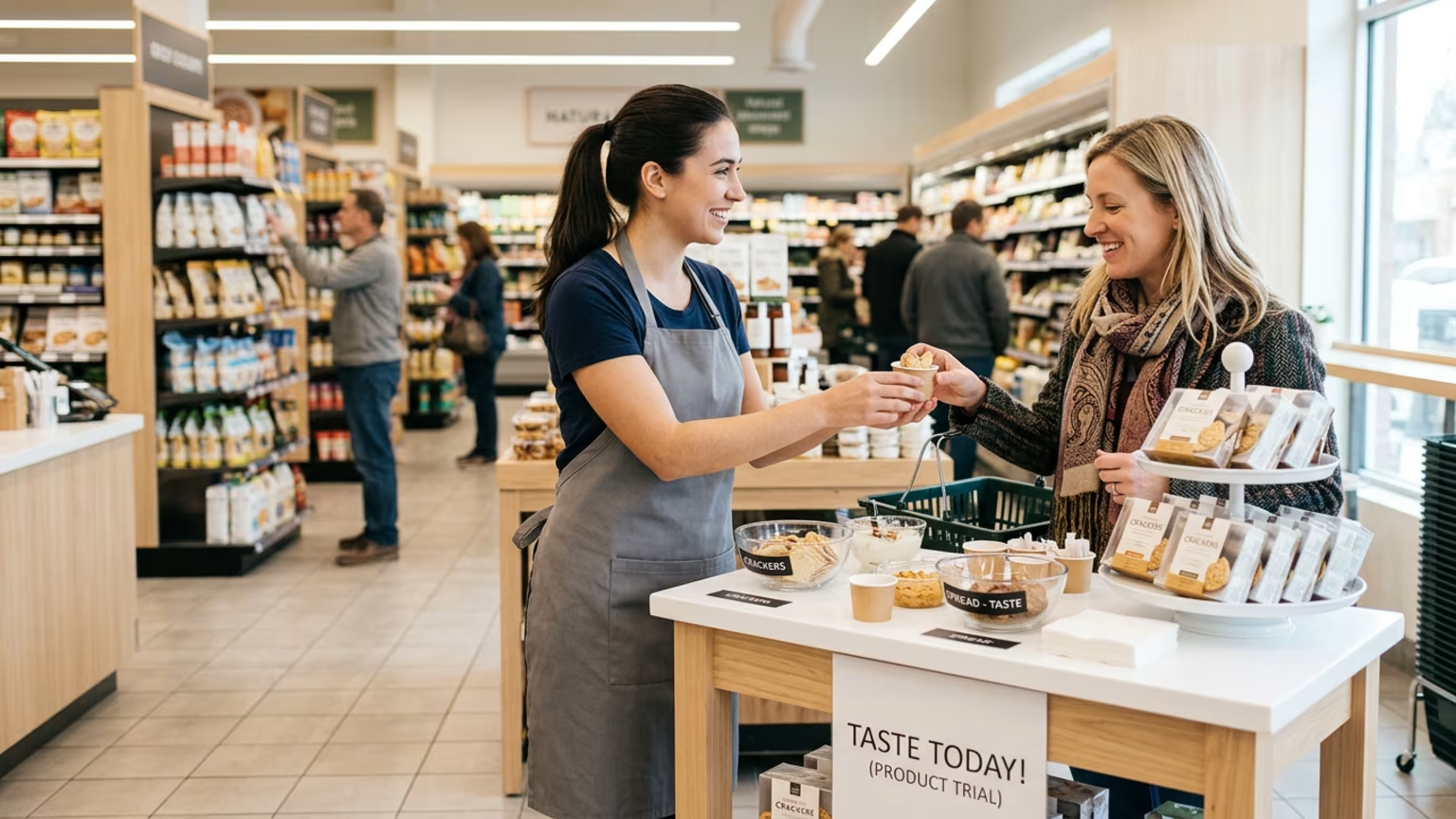
When a brand activation lacks proper staff training and tight logistical oversight, it becomes just another annoying obstacle in the aisle. Retail sampling demands this exact same level of logistical paranoia, yet many brands treat it like an casual weekend afterthought. They drop off a folding table, a branded tablecloth, and a few boxes of product at the customer service desk. This amateur approach guarantees failure before the first shopper even walks through the sliding glass doors. Brands desperately need a systematic framework to cut through this environmental noise and guide people toward a meaningful product interaction.
Large grocery and dollar chains are finally recognizing that passive endcap displays do not fix lagging center-store sales performance. These retailers are now demanding that their CPG partners execute highly structured sampling campaigns rather than approving random weekend pop-ups. This aggressive shift forces field marketing teams to treat every retail demo like a miniature, high-stakes brand activation.
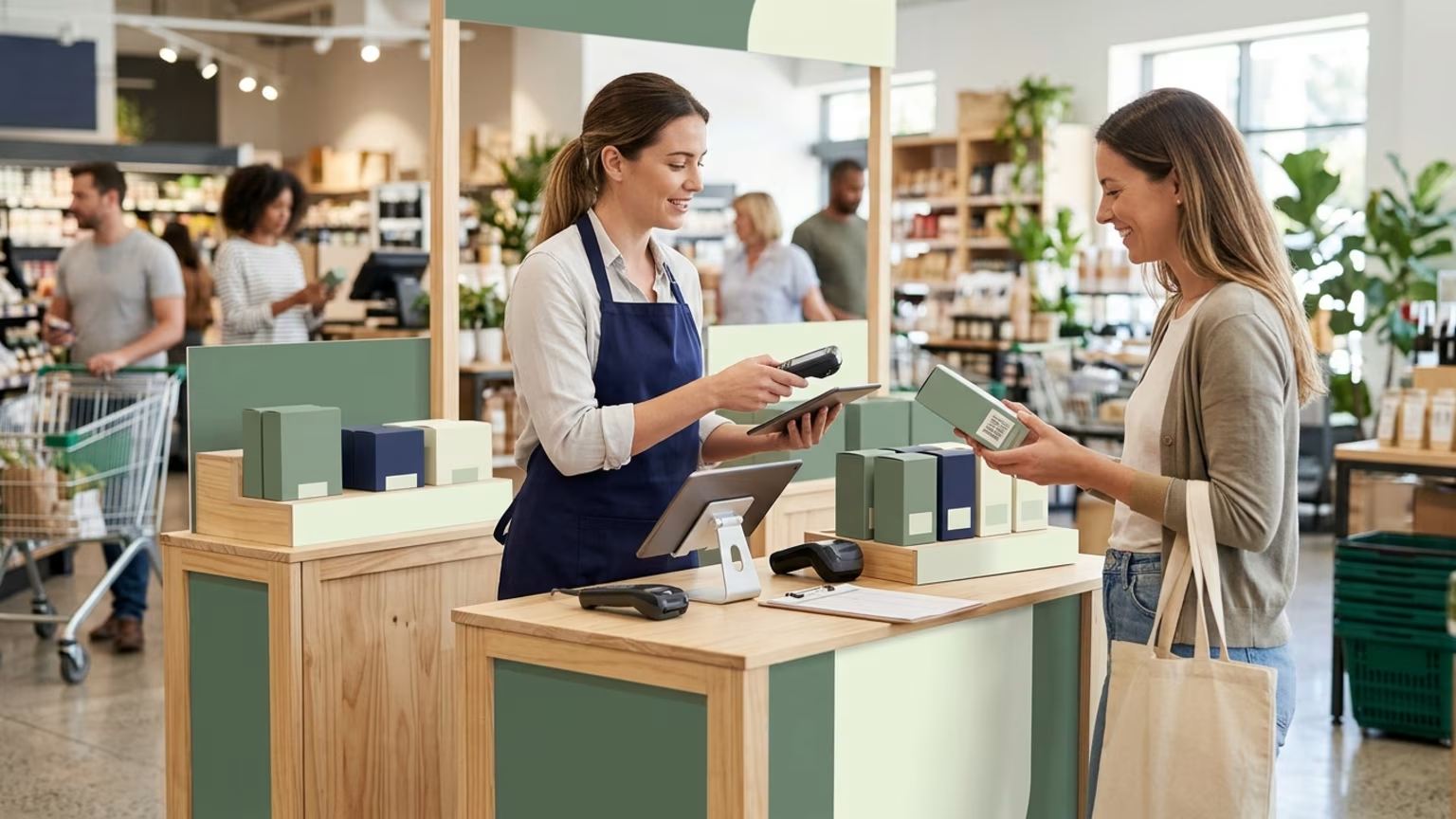
The new operational standard requires a completely seamless integration between the physical product trial and existing digital loyalty programs. When a customer tries a new snack or beverage, the retailer application immediately offers a targeted digital discount to incentivize the purchase. This modern closed-loop system replaces old-school guesswork with concrete, actionable sales data. It perfectly connects the immediate sensory experience of tasting a physical product with instant checkout tracking capabilities.
In our experience, campaigns that marry trained brand ambassadors with digital retailer integrations generate significantly higher sell-through rates. We provide clear reporting on reach, trials, leads, and sales to guide next steps in campaign optimization. Our measurement approach tracks awareness, engagement, and conversion, turning brand moments into actionable data that demonstrates business impact.
Planning these incredibly cohesive consumer experiences requires operator-grade discipline and an absolute refusal to cut logistical corners. Field teams must coordinate store scheduling, health permit approvals, cold chain product storage, and rigorous staff training weeks before launch. Many field leaders readily acknowledge that consistent demo support and trained staff are mandatory for driving meaningful retail sell-through.
Transforming a chaotic retail environment into a high-converting product trial zone demands a highly strict operational playbook. You cannot simply hand a cheap folding table to an untrained independent contractor and expect a positive Return on Investment (ROI). True experiential success requires rigorous systematic planning, absolutely flawless logistics, and relentless execution on the ground.
Follow these exact tactical steps to deploy a retail activation that commands immediate shopper attention and drives massive volume:
Skipping even one of these mandatory operational steps will drastically reduce your final shopper conversion rate. A highly structured, disciplined approach guarantees that every single dollar spent on logistics translates into measurable consumer action. If you want to permanently eliminate these execution gaps, Book a strategy call with our expert experiential planning team today.
Worthless vanity metrics like total store foot traffic or mere consumer smiles mean absolutely nothing to your executive leadership team. Brands must actively measure exact lead and lag indicators to mathematically prove that physical activations generate legitimate business revenue. Clear, uncompromising reporting separates a professional field marketing operation from an amateur, budget-draining hobby project.
Leading performance indicators help you aggressively adjust the campaign tactics while the live event is still happening. These core leading metrics include the raw number of qualified interactions, total product samples distributed per hour, and digital coupon scans at the booth. Monitoring these exact numbers allows your field managers to rapidly pivot their engagement approach if participation drops below acceptable baselines.
Lagging indicators provide the ultimate, final verdict on your true financial success long after the experiential event concludes. You must consistently track same-day retail sales lift, long-term loyalty app redemption rates, and center-store shopping basket size increases. To fully understand and defend these financial outcomes, aggressive brands must track core performance indicators beyond basic foot traffic to secure future budget approvals.
Many field marketers make the fatal mistake of reporting only positive feedback and total samples distributed to their leadership teams. This makes for a pleasant recap presentation, but it completely fails to justify the operational expense to a skeptical Chief Financial Officer. Financial leaders need to see a direct mathematical correlation between the event spend and the resulting register ring. Combining these specific qualitative and quantitative data points creates a completely definitive picture of your true customer conversion cost.
A premium sparkling water brand recently faced severely declining sales volume in a major national grocery chain. Center-store aisle traffic was incredibly sluggish, and their standard cardboard endcap displays were utterly failing to attract new category buyers. The brand desperately needed a highly visible, disruptive intervention to force physical product trial and quickly restore retail buyer confidence.
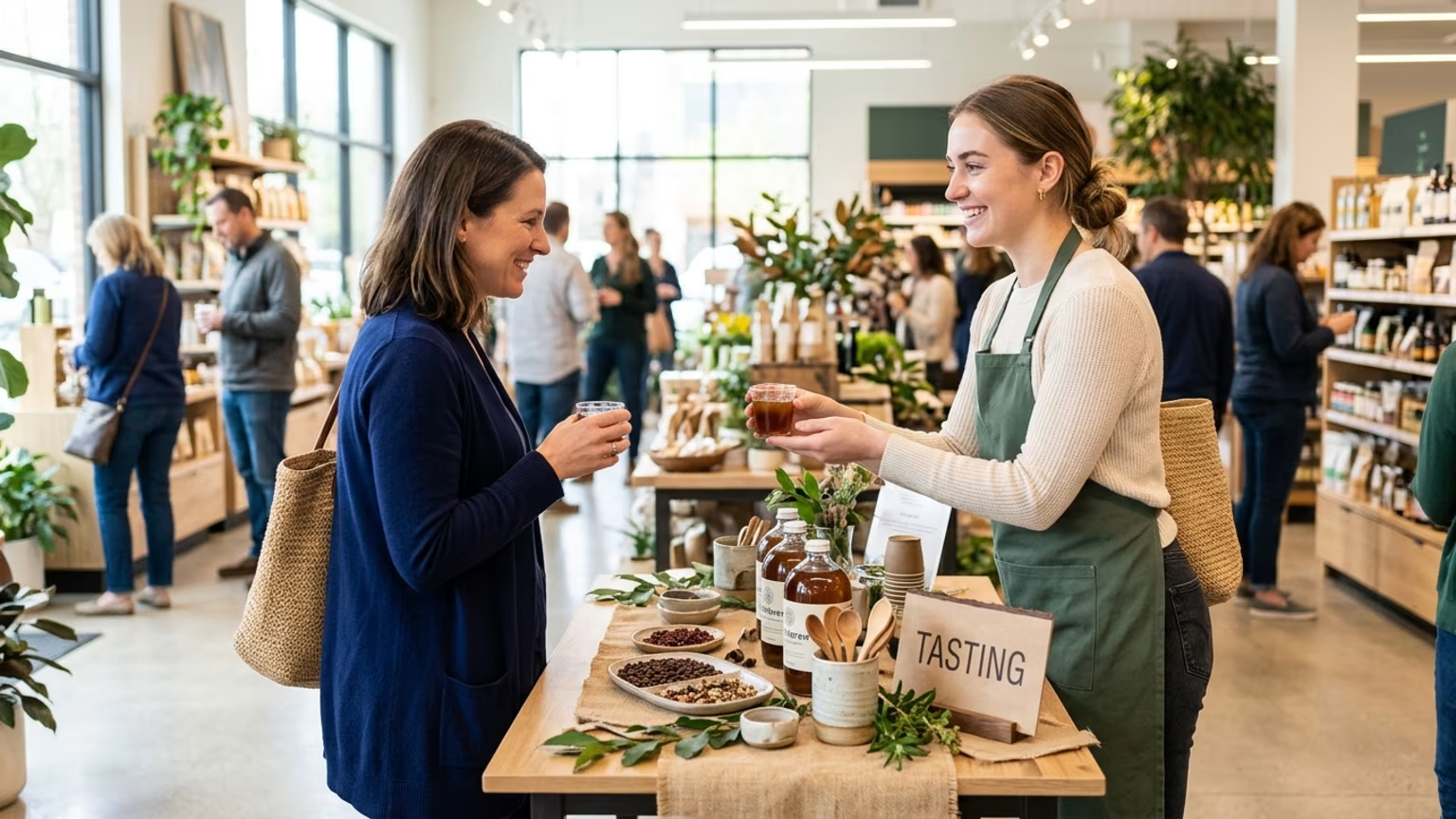
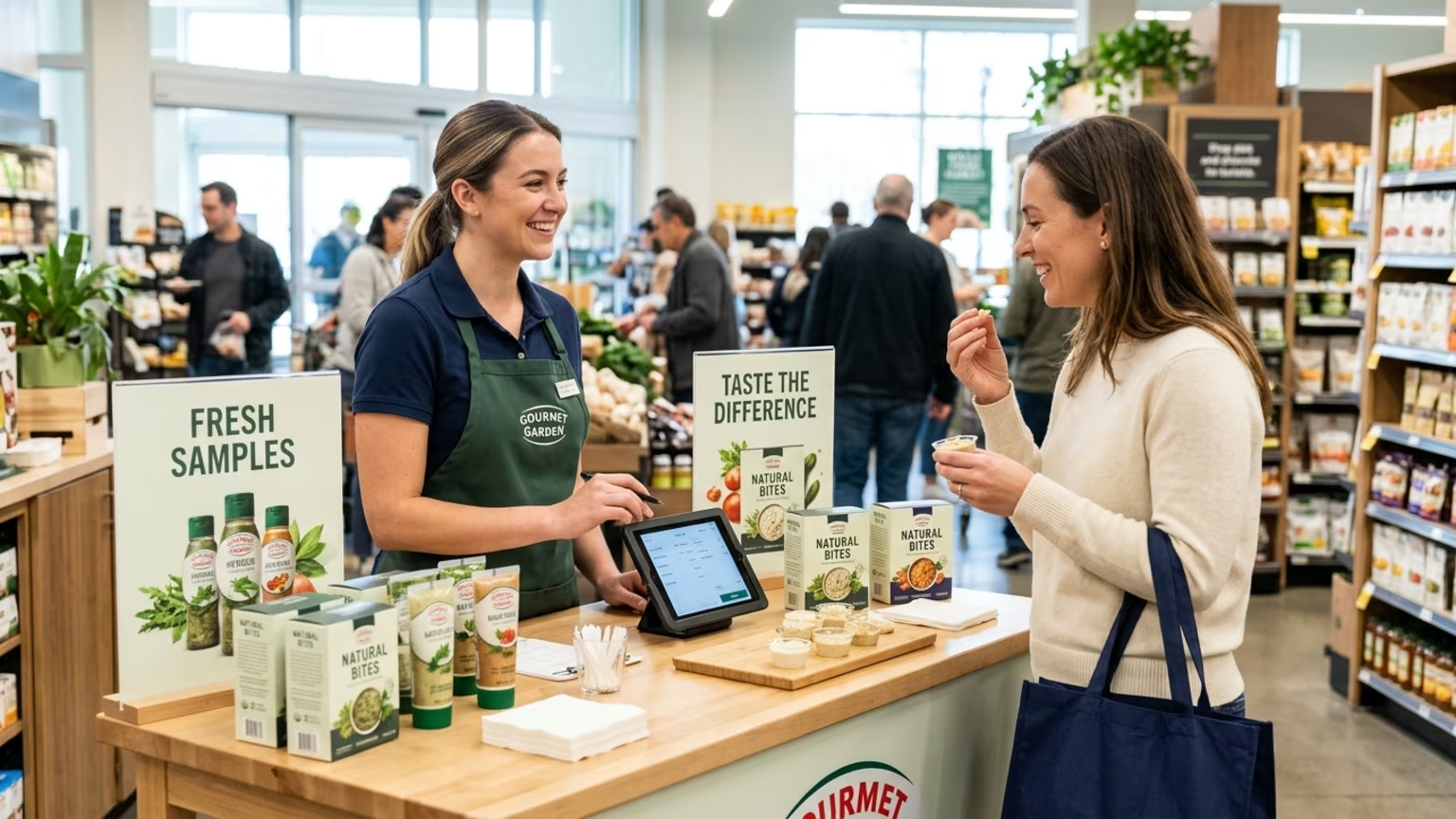
Instead of deploying basic, uninspired sampling tables, our specialized team designed a massive, sequential roadshow across fifty high-volume locations. We integrated dynamic QR codes directly into the physical display architecture to instantly link interested shoppers to the store loyalty app. This aggressive approach closely mirrors the highly successful tactic of blending physical trials with digital amplification to maximize brand reach. The trained brand ambassadors actively stopped distracted shoppers, offered a perfectly chilled sample, and expertly guided them to scan the promotional code.
This direct, human-to-human engagement bypassed the usual overwhelming aisle distractions and forced a rare moment of genuine product consideration. The immediate digital smartphone connection provided real-time visibility into exactly who was engaging, tasting, and buying the product. Our team implemented a strict daily reporting cadence to monitor the exact inventory levels at each participating retail location. This prevented the devastating scenario where an ambassador successfully sells out the product by noon and spends the rest of the shift standing empty-handed.
Our logistics team coordinated directly with local store managers to guarantee adequate backup stock was always readily available. The final campaign results completely validated the strict operational methodology and rigorous logistical planning process. The participating grocery stores saw a massive surge in same-day product sales, and the digital coupon redemptions stayed abnormally high for several weeks. This is exactly how strategic retail demo roadshows can permanently reverse declining traffic trends and create lasting revenue momentum.
Start treating your retail sampling program like a high-stakes operational performance and demand daily metric reports from your field marketing teams.

30 Years Experiential & Retail Activation Partner for CPG & Beverage Brands | Multi-Market Demos, Roadshows & Costco/Club Programs That Actually Sell