Robbie Thain
Founder, CEO

The Friday Night Lights 20th Anniversary Roadshow proves the power of live experiential marketing. Learn how to convert multi-city mobile tours into pipeline.

Stop assuming that digital reach alone will sustain long-term brand loyalty. PRWeek reports that the 'Friday Night Lights' 20th Anniversary Roadshow recently kicked off a multi-city tour in Dallas. Entertainment brands now realize that physical environments deepen audience connection far better than another social media post. This direct engagement turns casual viewers into fiercely loyal advocates.
This analysis breaks down how mobile activations convert fleeting fan interactions into sustained brand equity. You will learn how to structure touring roadshows that deliver clear pipeline value and operational excellence.
Live marketing events often look beautiful on paper but operate like complete anarchy behind the scenes. Brand teams pour massive budgets into custom fabrication and highly anticipated celebrity appearances. Then the activation opens to the public and basic logistics break down immediately. Staff members miss their cues, crowd flow bottlenecks near the entrance, and no one captures any usable customer data.
This operational failure leaves marketing directors staring at a six-figure invoice with zero proof of actual business impact. You might have a massive footprint that attracts thousands of passing glances. If those visitors cannot interact smoothly with the core product, the entire effort wastes valuable resources. Companies frequently misjudge the sheer physical demands of moving a complex activation from city to city.
Local municipalities often throw sudden roadblocks at touring campaigns without any prior warning. A permit approved in Dallas might face severe pushback when the same exact footprint arrives in Chicago. Marketing leaders find themselves trapped on endless phone calls with local fire marshals as the crowd waits outside. This lack of centralized operational control bleeds money and damages the consumer perception of the brand.
We have executed over 1000 campaigns across all 50 states, bringing brands to life in every major U.S. market. From retail demos in Seattle to roadshows in Miami and events in Honolulu, our teams activate brands wherever our clients' audiences are located. Success requires treating the roadshow like a highly disciplined traveling sales channel. Every stop must function as a precision instrument designed for maximum audience engagement.
The recent Dallas activation shows how specialized mobile units bring a brand experience directly to fans. ATX TV and Plex designed immersive engagements that recreated key elements of the beloved television series. This framework removes the friction between the consumer and the brand narrative. Brands leaning into strategic mobile pop-up tours consistently see better field results overall.
Fixing the chaos demands a centralized command structure for the entire touring operation. You need one primary point of contact handling everything from local city permits to specialized vehicle maintenance. The strategy must align the emotional hook of the brand with the harsh realities of physical field execution. A proper roadmap anticipates bad weather, truck breakdowns, and unexpected staffing shortages before they happen.
The physical fabrication of the mobile unit dictates how easily the team can set up each day. Smart brands invest heavily in modular designs that fold out rapidly from a custom trailer or truck. You must minimize the sheer physical labor required to erect the footprint in a hot parking lot. A faster setup process keeps your field staff energized for the actual work of speaking with consumers.
Translating a major television anniversary or a national product launch into a multi-city tour requires operator-grade discipline. You cannot rely on hope and good vibes to move physical assets across the country. Teams must follow a strict playbook to guarantee consistent performance at every single tour stop. Book a strategy call with our logistics specialists when you need help building this operational framework.
A successful roadshow operates with military precision from the moment the truck engine starts. You must anticipate every single failure point across the entire logistical chain. Relying on untrained local labor to manage complex custom fabrication is a recipe for absolute disaster. Your core team needs a repeatable system that scales effortlessly across different geographies and weather conditions.
Here is the step by step process for implementing a flawless touring activation.
Experiential marketing must generate measurable business outcomes to justify the heavy logistical investment. You must track specific lead and lag metrics to calculate your precise Return on Investment (ROI) accurately. Vanity metrics like total event attendance will not satisfy your chief financial officer during budget reviews. You need concrete data that connects physical interactions directly to your sales pipeline.
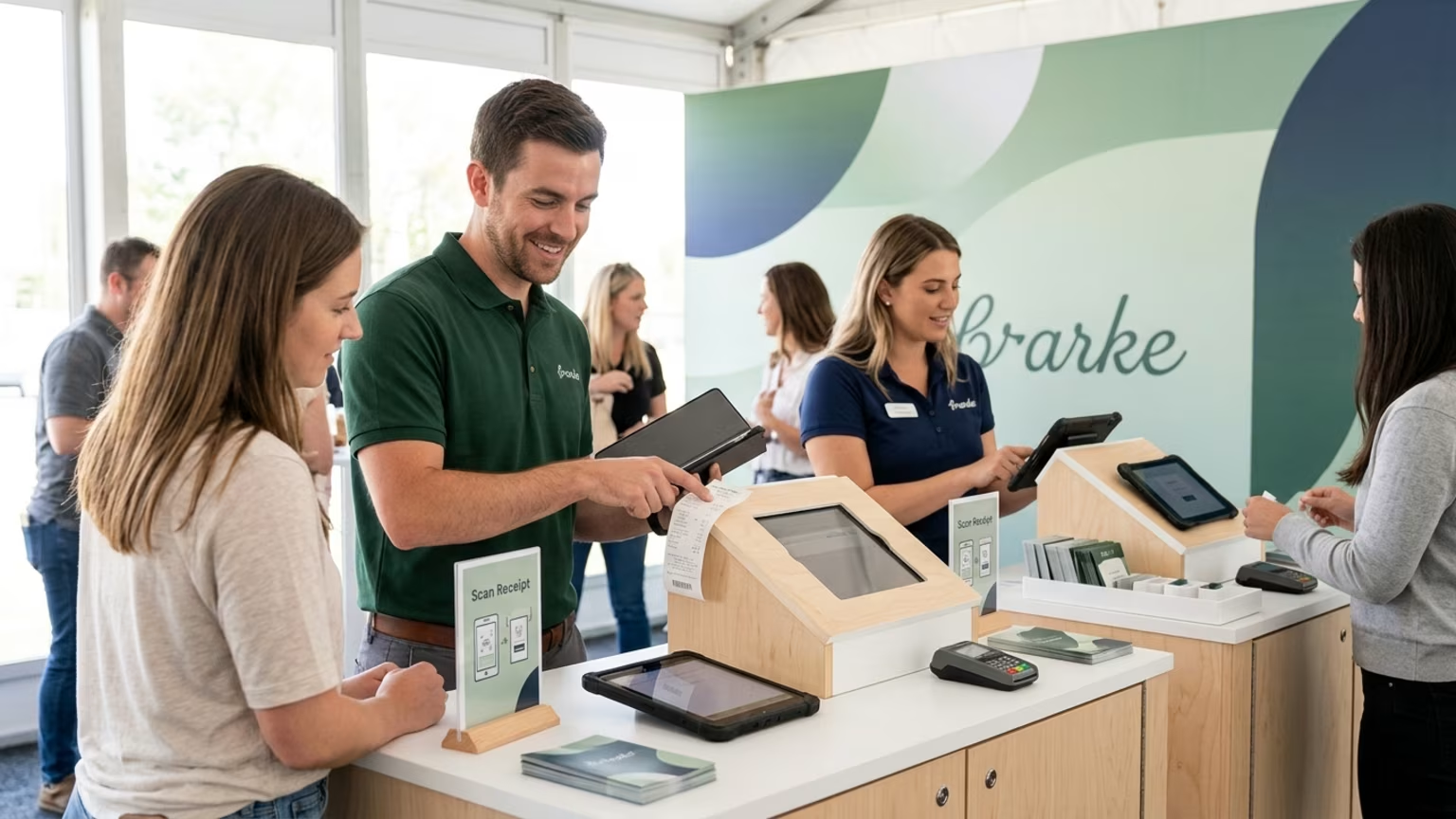
Focus first on the lead indicators happening directly on the ground during the activation. Track total dwell time to understand how long consumers actually interact with your footprint. Monitor the active participation rate by counting how many visitors scan a code or sample a product. Understanding how to measure touring outcomes provides total clarity for future campaign planning.
Lag metrics tell the final story of your campaign success weeks after the event concludes. Look closely at post-event sales lift in the specific zip codes where your tour stopped. Measure the overall growth of your CRM database against the total operating cost of the tour. Evaluating trade show pipeline conversions helps marketing leaders prove the undeniable value of physical brand experiences.
Capturing contact data means nothing if that information rots inside an unorganized spreadsheet for three weeks. Your experiential technology stack must pipe those new leads directly into your main sales software instantly. This rapid transfer allows regional sales managers to strike when the emotional iron is still incredibly hot. A fast follow up email dramatically increases the chance of closing a lucrative retail contract.
Entertainment properties use heavy nostalgia to drive immediate viewership and merchandise sales. Consumer packaged goods companies apply this exact same touring model to force massive product trial. A major national energy drink brand recently launched a cross-country mobile sampling tour to support retail expansion. They needed to capture attention in crowded markets dominated by heavily entrenched legacy competitors.
The field teams deployed custom branded vehicles to high traffic locations near key retail partners. Brand ambassadors distributed cold cans and engaged consumers in conversations about the unique flavor profiles. Digital redemption codes on the cups allowed the brand to track exactly which consumers visited a store afterward. Reviewing similar beverage sampling pipelines reveals the sheer revenue potential of a well executed mobile tour.
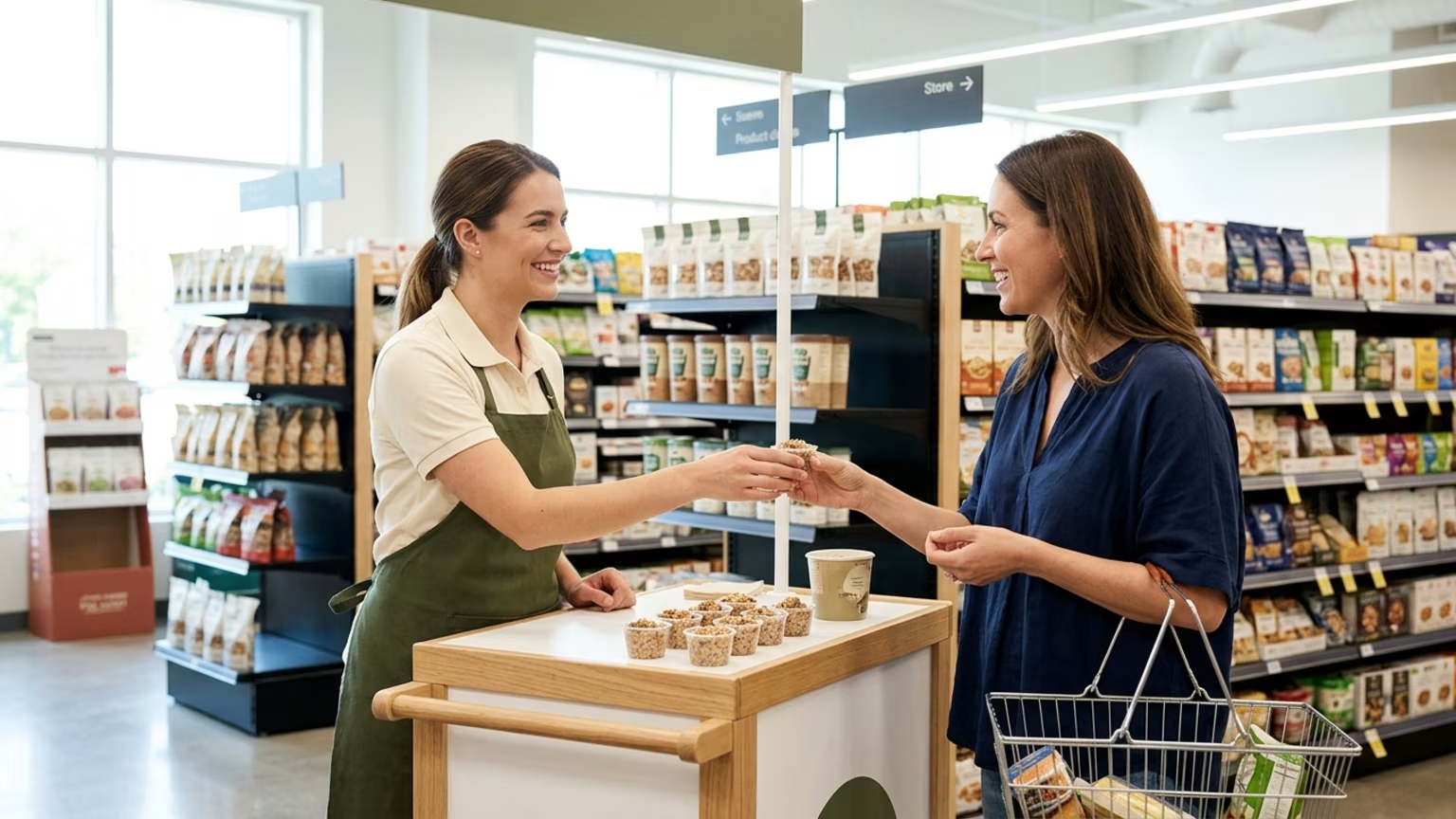
Many premium food brands use these mobile tactics to support massive wholesale club expansions across the country. They park custom sampling trailers directly outside major retail locations during peak weekend shopping hours. This aggressive strategy interrupts the normal shopping routine and captures consumer attention before they even grab a cart. Integrating these live stops with a Costco wholesale roadshow approach builds immense confidence with regional retail buyers.
The best live engagements leave a mark long after the transport trucks pack up and leave town. True brand loyalty is built in these rare moments of shared physical space. When the lights finally go down on a tour stop, the only thing remaining is the distinct feeling the brand left behind.

30 Years Experiential & Retail Activation Partner for CPG & Beverage Brands | Multi-Market Demos, Roadshows & Costco/Club Programs That Actually Sell