Robbie Thain
Founder, CEO

Learn how leading CPG brands integrate digital tracking with physical experiential activations to prove live event return on investment and drive retail sales.
Power Digital recently appointed former Hershey executive Charlie Chappell to lead its CPG growth strategy, signaling a massive industry shift toward integrated marketing models. Field marketers must now connect in-person brand experiences with hard digital data to prove tangible commercial value for their live events.
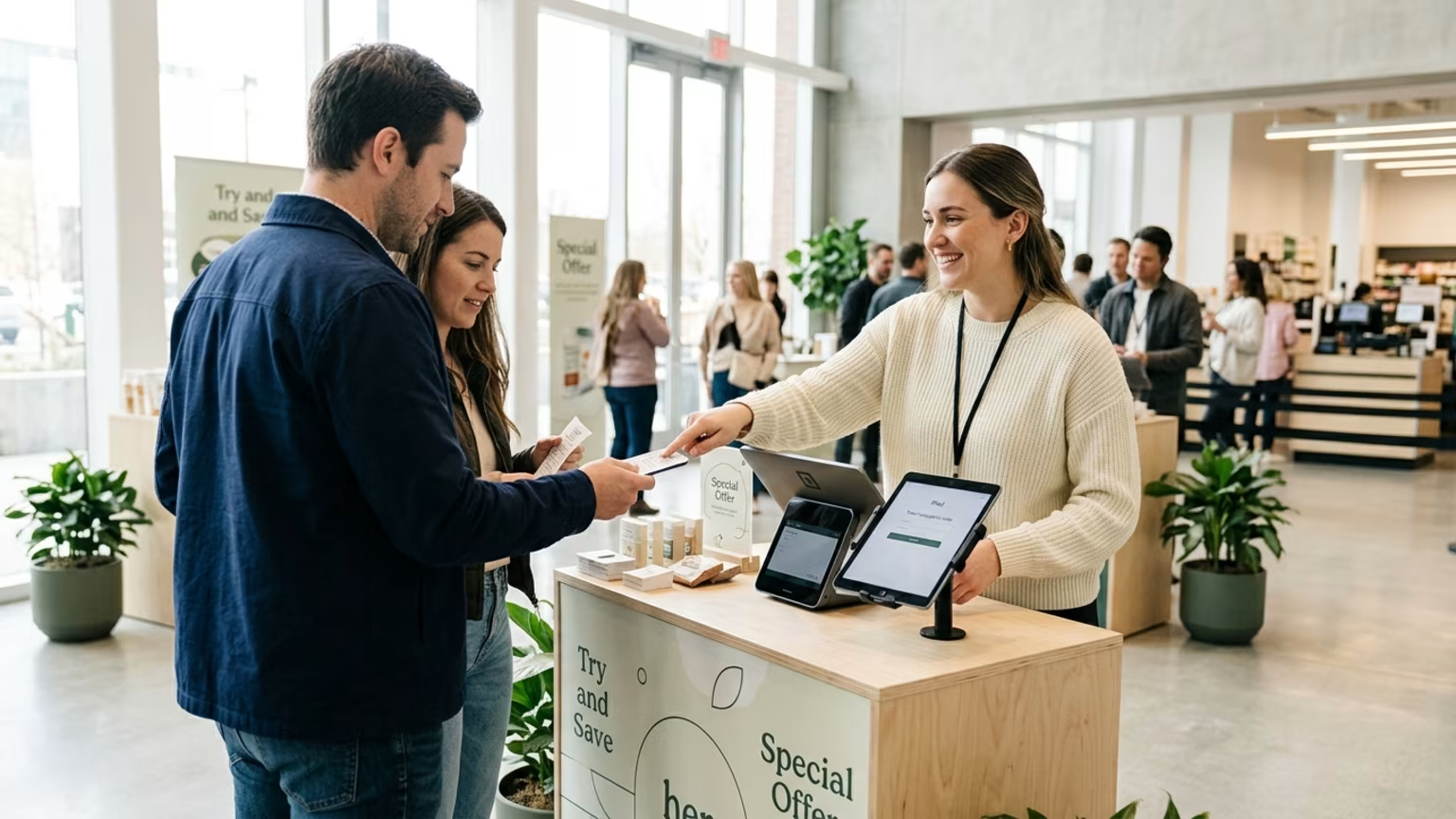
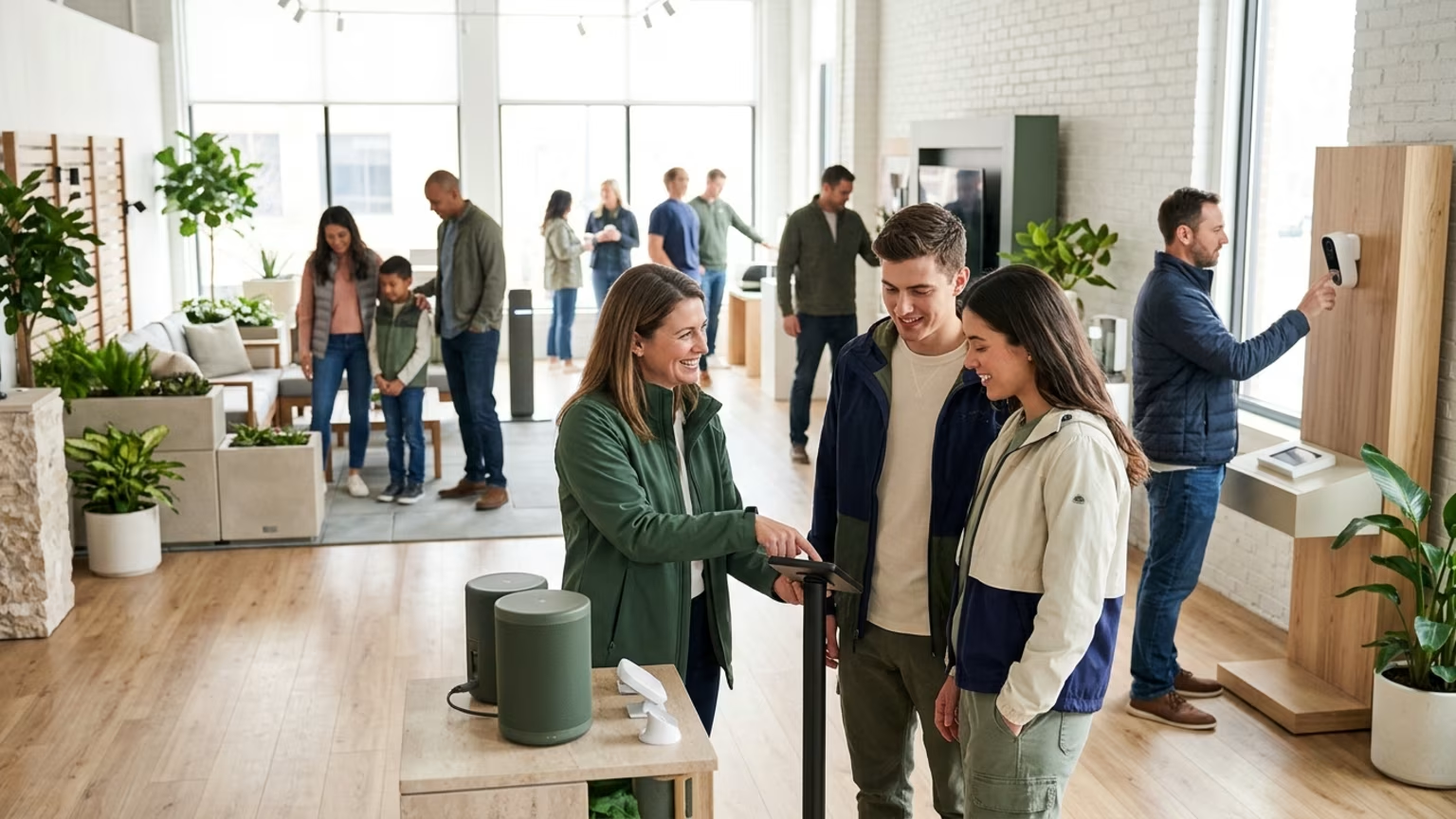
Imagine a massive convention center packed with competing food and beverage brands all shouting for consumer attention. Your booth is flooded with eager attendees ready to try your latest product line. Brand ambassadors are rapidly handing out hundreds of premium samples per hour to keep up with the crowd. From a visual perspective, the activation space looks incredibly successful and full of energy.
You scan a stack of attendee badges before the day ends to collect some basic contact information. The event concludes, and your team returns to the corporate office with tired feet and a confusing spreadsheet. Your leadership team asks for the Return on Investment (ROI) from this highly expensive activation. You can only point to total samples distributed and vague estimates of general foot traffic.
This common scenario represents a massive operational failure for modern consumer packaged goods companies. Handing out free food without a strict conversion mechanism wastes your valuable marketing budget. Retail buyers and executives expect direct evidence that physical interactions lead to actual shelf velocity. Without an integrated data capture strategy, your team produces expensive theater rather than measurable sales pipeline.
The disconnect often happens when field teams operate completely separate from digital marketing departments. The events team cares about booth logistics, shipping product, and making sure the signage looks pristine. Meanwhile, the digital team sits back at headquarters looking for data to fuel their retargeting campaigns. When these two units fail to communicate, the brand loses the ability to track the consumer. You end up with empty boxes of product and zero proof that anyone actually bought the item later.
This lack of clarity puts immense pressure on the Chief Marketing Officer. When the finance department reviews the quarterly budget, the event line item often looks like a massive liability. Without proper tracking, the marketing team cannot defend the cost of the booth, the travel expenses, or the temporary staffing. The brand inevitably scales back their real-world presence, losing critical market share to competitors who understand how to measure engagement.
The recent news from MarTechEdge regarding Power Digital highlights a profound shift in marketing leadership. They officially named Charlie Chappell to spearhead their consumer packaged goods strategy. This move proves that major brands demand a blend of data intelligence and physical engagement. Experiential programs can no longer operate in isolated silos without strict financial accountability.
We create experiential marketing programs built to connect emotion with action. Our process blends creativity, strategy, and data to ensure every brand interaction drives measurable results. We craft experiences that engage all five senses, helping people not just see brands, but feel them, turning moments into meaningful business outcomes.
Consumer behavior patterns have fundamentally changed over the past ten years. According to industry analysis from MediaPost, modern buyers do not move through traditional sales funnels in a linear fashion. A shopper might try a product at a local roadshow and purchase it weeks later via a retail app. We must design physical activations that capture these highly fragmented touchpoints automatically.
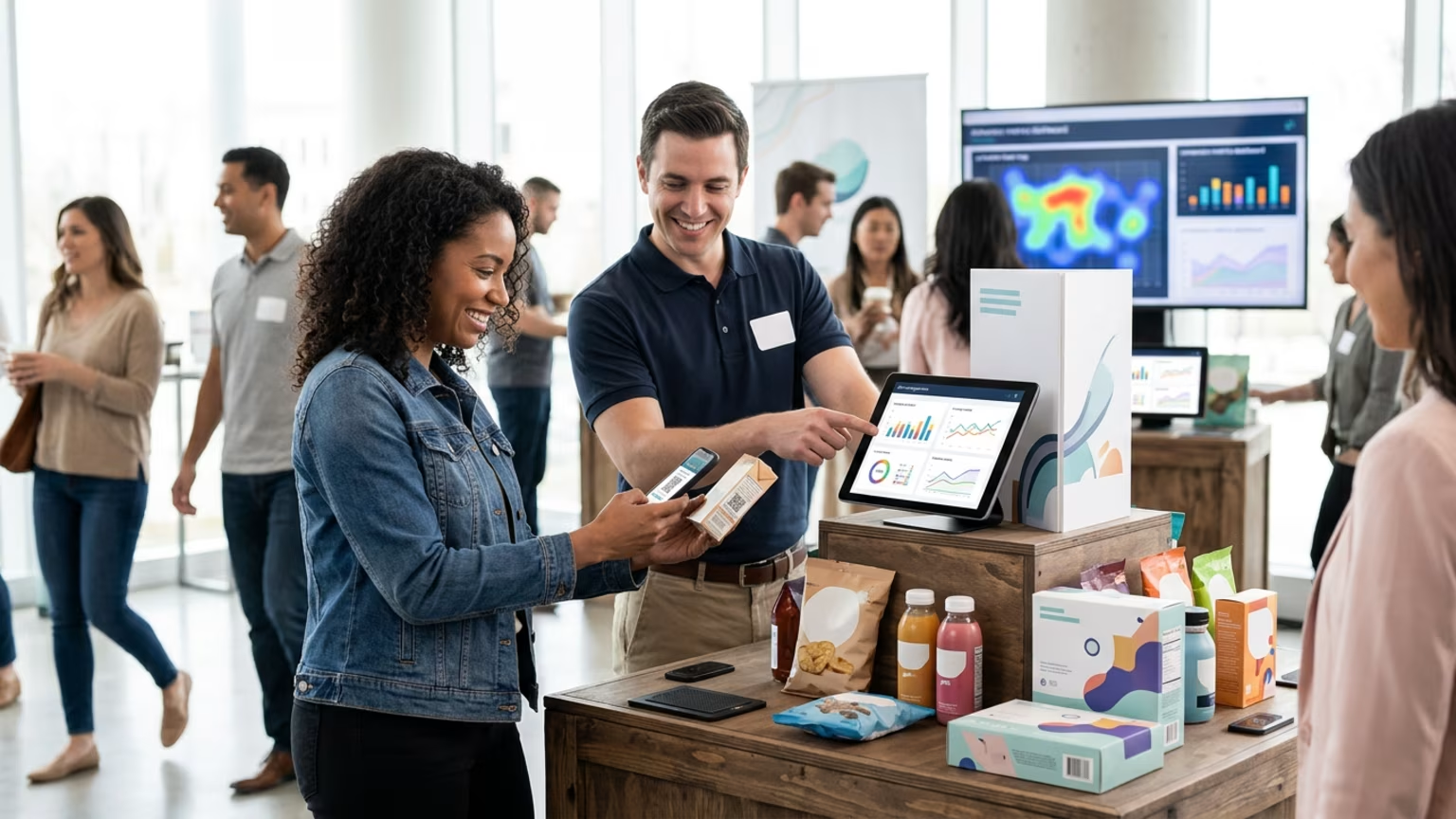
The modern framework requires connecting physical trials directly to your digital tracking systems. You must turn a simple product taste test into a highly trackable digital event. This approach allows brands to measure exact conversion paths from a live demo to a completed online sale. When you build a clear business case for your investments, you protect your field marketing budget from executive cuts.
The integration of robust data systems helps brands secure better retail partnerships. When a buyer at a major grocery chain considers stocking your product, they want proof of consumer demand. Presenting a spreadsheet of verified, localized lead data is far more persuasive than showing pictures of a busy booth. Data-driven activations provide the exact evidence retail buyers need to confidently allocate shelf space for your brand.
Creating a strong data foundation allows for much better predictive modeling. According to retail technology insights from GoCrisp, building a vertical data structure helps brands analyze consumer behavior with extreme precision. You can predict which regions will respond best to specific product flavors based on previous event data. This analytical capability transforms your experiential marketing department from a cost center into a reliable revenue generator.
Converting a chaotic event floor into a reliable data collection engine requires strict operational discipline. You must plan the exact data capture mechanism long before you ship the booth materials to the venue. The following steps will guide your field marketing team through a highly trackable and profitable activation.
You simply cannot improve what you refuse to measure accurately. Moving away from useless vanity metrics requires a strict focus on data points that reflect true commercial intent. You must separate your reporting structures into clear lead indicators and long-term lag indicators.
Lead indicators tell you if your live activation is functioning properly in real time. Cost per engagement measures the exact financial input required to secure one meaningful consumer interaction. Your contact capture rate tracks the percentage of total booth visitors who willingly provide their personal information. The sample-to-scan ratio reveals how many distributed products resulted in a direct digital engagement on site.
Lag indicators prove the long-term financial value of your experiential marketing investments. Retail sell-through lift measures the actual increase in product sales at specific regional stores following your activation. Digital reorder rate tracks how many event attendees purchase your product online within thirty days of the show. Customer lifetime value determines the total revenue generated from a consumer originally acquired at a physical event.
Tracking these numbers requires pristine data management practices across your entire organization. If you rely on manual data entry after the event, you will lose extremely valuable consumer insights. Poor data hygiene will completely ruin your reporting capabilities and executive presentations. In fact, corrupted data severely hurts marketing returns when you attempt to analyze event performance and lead scoring.
You must establish these reporting dashboards well before your staff arrives at the venue. Waiting until the event concludes to configure your analytics will result in lost data and broken tracking links. Make certain your field managers have mobile access to real-time dashboards during the activation. If the lead capture rate drops below your target threshold, the manager can adjust the staff script immediately to improve performance.
A premium sparkling water brand recently applied this exact framework during a massive national trade show. They faced extreme competition from dozens of similar beverage companies on the crowded convention floor. Instead of just handing out cold cans to passing attendees, they designed a highly targeted interactive tasting bar.
Consumers who approached the bar received a customized flavor profile based on a quick digital quiz. Scanning a code at the counter delivered the short quiz and simultaneously logged the user into the brand database. The brand effectively captured first-party data from thousands of highly engaged attendees in just three short days. They avoided the common trap of anonymous mass sampling.
They used this specific audience segment to launch targeted retail media advertisements the following week. The targeted ads directed the attendees to purchase the newly sampled flavors at local grocery chains. The brand documented a massive spike in regional sales directly correlated to the captured trade show audience.
This activation proved that physical sampling combined with digital tracking drives massive retail growth. They utilized predictive modeling from the collected data to plan their upcoming multi-city mobile tour. By analyzing exactly which flavors resonated with specific demographics, they optimized their mobile stage activations to reduce product waste. The entire campaign shifted from a guessing game into a predictable revenue generation machine.
Marketing leaders must stop treating physical events as unmeasurable brand exercises. By integrating rigorous data collection into your field operations, you can turn fleeting interactions into predictable revenue. Stop guessing about the true value of your trade show presence and start tracking every consumer touchpoint accurately. Book a strategy call with our team today to build a trackable experiential program for your brand.

30 Years Experiential & Retail Activation Partner for CPG & Beverage Brands | Multi-Market Demos, Roadshows & Costco/Club Programs That Actually Sell