Robbie Thain
Founder, CEO

Learn how CPG brands use experience design and live activations to lower the shopper permission tax, turning hesitation into measurable retail sales.
Market research firm Suzy recently identified a psychological barrier called the permission tax that forces shoppers to justify their everyday indulgences. By designing precise experiential marketing campaigns and retail activations, consumer packaged goods brands can remove this mental friction and turn hesitation into confident purchases.
Recent market analysis indicates that modern shoppers require distinct emotional justification before purchasing premium or indulgent goods. This psychological barrier is the deciding factor between a product sitting on the shelf and landing in a shopping cart. When consumers cannot internally validate a small luxury, they simply walk away.
Walk onto a chaotic trade show floor or down a crowded grocery aisle. A shopper stops in front of your premium snack display. They pick up the product, read the label, and then put it right back down. The issue is rarely the price point or the packaging design. The actual problem is a silent internal debate happening in real time.
The shopper is deciding if they have earned this indulgence today. Shoppers constantly negotiate with themselves over what Suzy refers to as the internal permission economy of self treating. They look for a reason to say yes. If your activation does not actively help them win that argument, your conversion rates will flatline. We see this exact scenario play out constantly across national retail chains.
Brands often set up beautiful displays but fail to give the consumer a compelling reason to act in that exact moment. CMOs and Field Marketing Directors face immense pressure to prove that activations lead to measurable sales lift. When campaigns rely on passive aesthetics instead of active psychological engagement, they fail to produce tangible results. The brand experience must shift from simple display to active persuasion.
When a brand relies entirely on its packaging to do the heavy lifting, it leaves money on the table. Shoppers are bombarded with thousands of marketing messages every single day. Their default response to a new premium product is almost always rejection. Overcoming this requires more than just a clever tagline or a bright logo. It requires a deliberate disruption of their routine shopping patterns.
To overcome this mental block, your live activations must systematically lower the permission tax. This requires a shift from simply showing product features to designing an environment that validates the consumer. You must build emotional justification directly into the physical sampling experience. The goal is to make the act of self treating feel like a logical, necessary, and completely deserved choice.
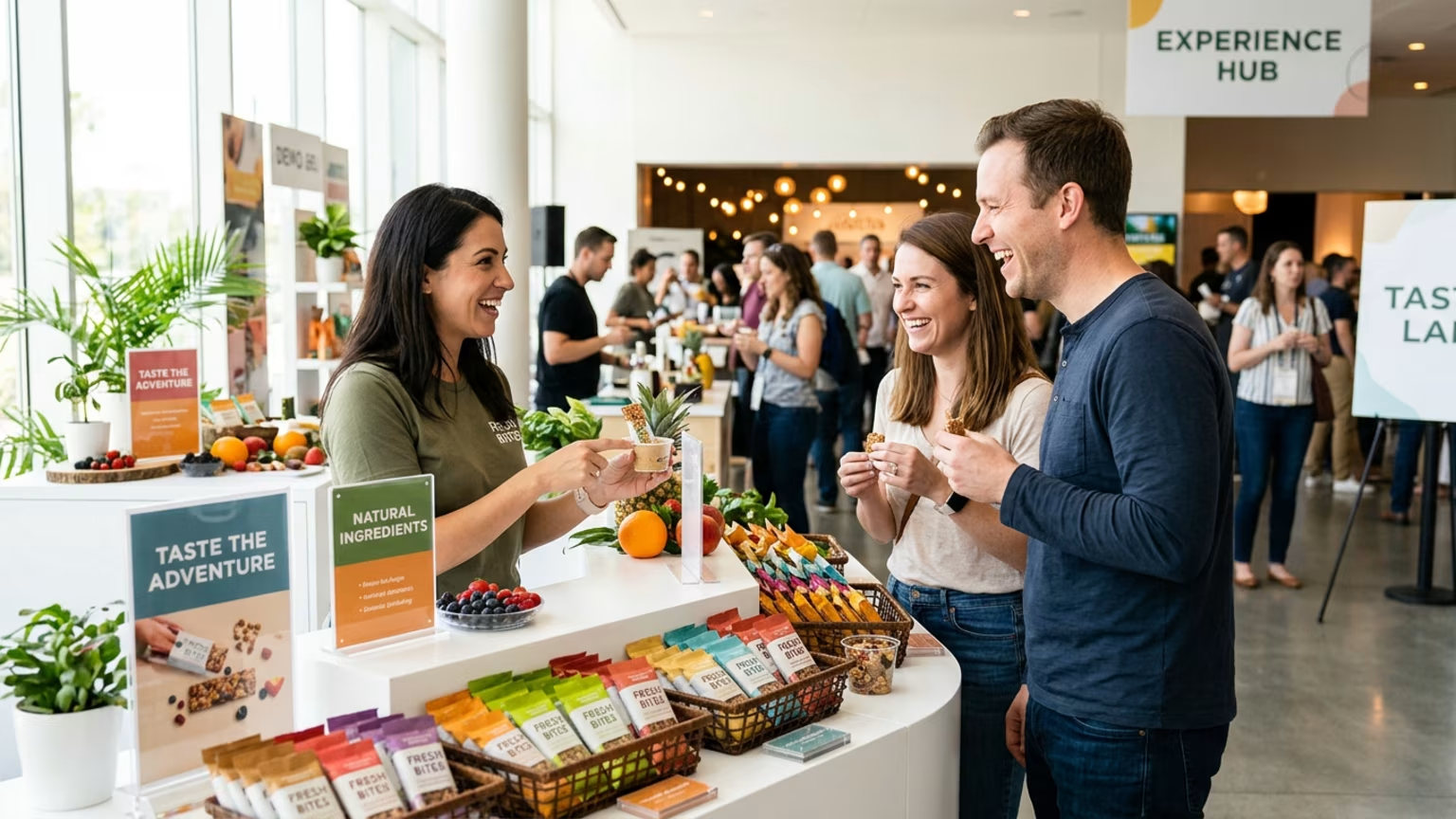
Our team relies on a structured approach that blends sensory engagement with targeted messaging to clear this psychological hurdle. We specialize in creating retail demos, product sampling programs, and roadshows that bring brands face to face with their audiences. Each program is designed to drive trial, build consumer relationships, and accelerate retail velocity across multiple locations. We focus on framing the product trial as an immediate reward or a functional benefit.
This strategy bypasses the guilt commonly associated with indulgent purchases. By aligning the activation script with the specific occasions that trigger buying behavior, we give the shopper the exact narrative they need. This methodology removes the friction from the transaction entirely. This framework aligns perfectly with how beverage makers capture specific consumption moments to accelerate retail sell through.
The success of this approach relies heavily on the quality of your field staff. Your brand ambassadors are the frontline negotiators in the consumer's internal debate. If they simply hand out a sample and smile, they are wasting a critical conversion opportunity. They must be trained to read body language, anticipate objections, and deliver the right emotional trigger. This operator grade discipline is what separates high performing campaigns from average ones.
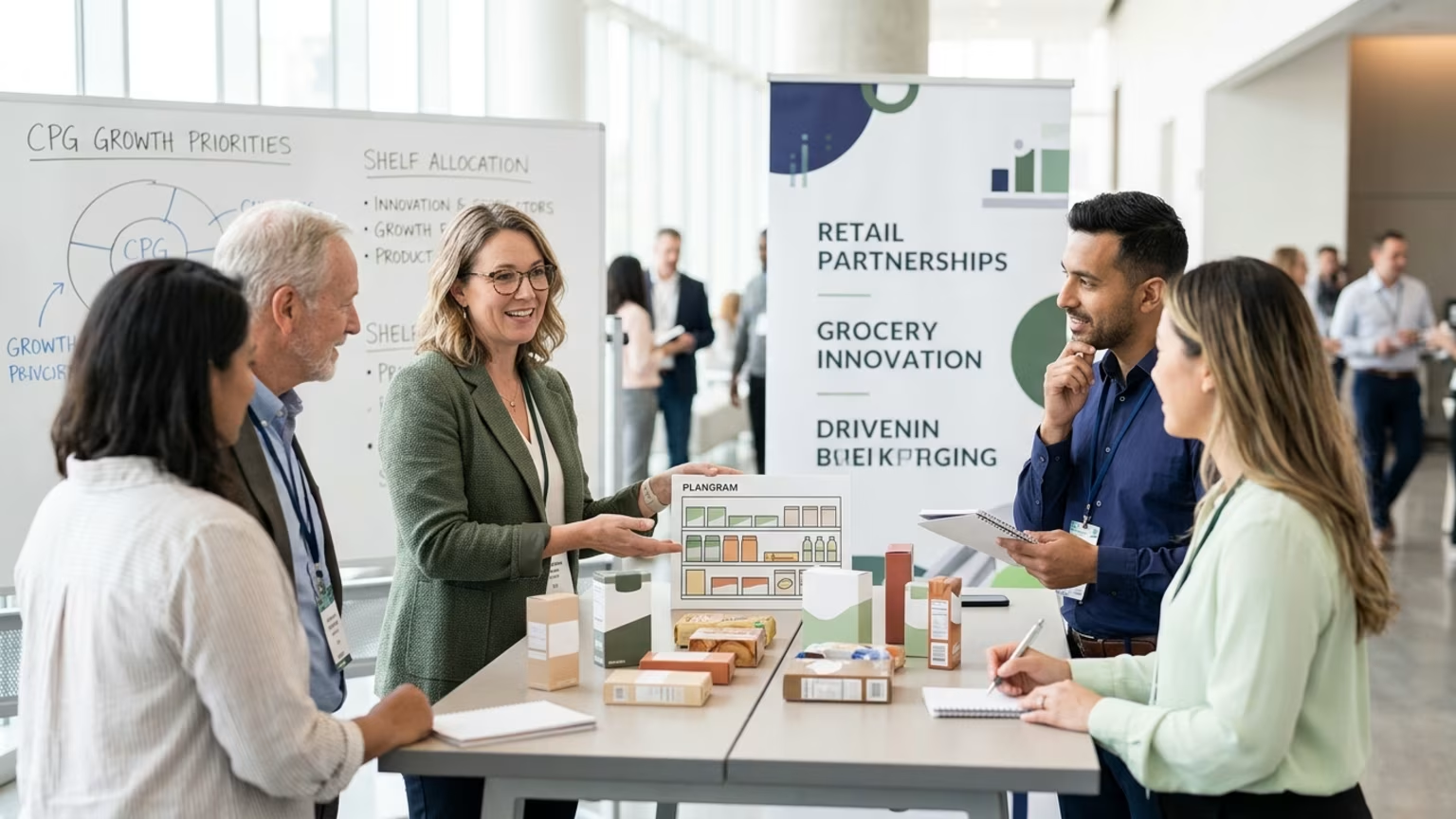
Trade show floors present a distinct version of this challenge. Attendees face severe decision fatigue after walking past hundreds of competing booths. When they approach your space, they are already looking for an excuse to keep moving. Your booth design must immediately signal that stopping is worth their limited time. If the engagement feels like a high pressure sales pitch, their mental barriers go up instantly. The design must invite them in with a low pressure, high reward sensory experience.
Execution matters more than theory when you manage high volume retail demonstrations. You need clear steps to transform a casual observer into a confident buyer. Implementing the right strategies on the floor is the only way to generate real pipeline velocity.
Train your brand ambassadors to provide the emotional justification for the purchase. The conversation should not just cover flavor profiles or ingredient lists. Instead, field staff must offer phrases that validate the consumer. Simple statements like "you deserve a midday reset" reframe the purchase completely.
If the product is a treat, point out its functional value to reduce any lingering guilt. Point out protein content, natural ingredients, or specific energy boosting properties. This rationalizes the emotional desire to buy the item. Consumers want the indulgence, but they need the logic to finalize the decision.
Use the physical environment to transport the shopper out of the standard retail mindset. Design the activation space to feel like an exclusive break room or a high end relaxation lounge. When the environment feels special, the product feels earned. A premium atmosphere automatically lowers resistance.
Give the consumer a physical or digital incentive right after they taste the product. This creates an immediate financial justification to complement the emotional one. A well timed discount removes the last bit of financial friction. We specialize in creating retail demos that combine these triggers seamlessly.
Frame the activation as a limited time experience to drive immediate action. When the consumer feels the moment is fleeting, the urgency overrides their internal debate. The fear of missing out becomes the ultimate permission slip. This tactic is frequently used in highly visible limited edition consumer campaigns to force immediate purchasing decisions.
Sometimes the permission tax cannot be lowered immediately on the floor. In these cases, you must capture the lead and continue the justification process online. Use QR codes that lead to targeted landing pages offering recipes, lifestyle content, or usage ideas. This extends the conversation and gives the consumer more time to rationalize the purchase.
The physical layout of your activation dictates consumer flow and comfort. A cramped booth forces the shopper to make a rushed decision. A spacious footprint allows them to linger and process the emotional alibi. Give them the physical room to comfortably make the choice.
Lowering the permission tax sounds qualitative, but operators demand hard data. You must prove that your experiential design actually drives Return on Investment (ROI) and measurable pipeline growth. Tracking the right indicators separates profitable activations from expensive brand theater. Your measurement framework needs to monitor immediate reactions alongside long term purchasing patterns.
First, you must track your trial to conversion ratio meticulously. This primary lead metric measures the percentage of consumers who engage with the sample and immediately buy it. A low ratio indicates that your messaging is failing to lower the mental barrier at the shelf. If they taste it but leave it, your emotional alibi is weak.
Second, monitor the average dwell time at the activation footprint. Longer interactions usually mean the consumer is successfully negotiating their internal permission. The extra time allows your brand ambassadors to build rapport and deliver the right justification script. Short interactions rarely lead to premium conversions.
Finally, the ultimate lag metric is your post event retail velocity. You need to verify if the initial emotional justification translates into repeat behavior over the following weeks. Sophisticated operators are now demanding precise attribution models to prove trade show value and retail performance. Real success means the consumer continues to grant themselves permission long after the activation ends.
Consider the recent launch of a new premium functional beverage in the competitive grocery sector. The brand faced heavy resistance since the price point stood significantly higher than standard options. Consumers were interested in the health benefits but hesitant to spend extra money on a daily basis. To solve this particular problem, we deployed a national mobile sampling program.
Our team positioned the activation footprints near high traffic commuter hubs and large office parks. We trained our field staff to pitch the beverage not merely as a tasty drink, but as a mandatory afternoon productivity tool. By highlighting the functional ingredients and framing it as an investment in their workday, we eliminated the guilt. The premium price suddenly made logical sense to the target audience.
The results were immediate and highly measurable for the client. Consumers stopped negotiating with themselves and started buying full cases on the spot. The campaign drove significant initial trial and secured major retailer confidence in several key regional markets. The brand proved that emotional justification drives volume. Similar strategies are detailed in reports analyzing how major food corporations aim to win grocery carts through strategic messaging.
Returning to that crowded retail aisle, the scenario changes completely when you understand the permission tax. The consumer picks up your product, but this time, your messaging and environment have already done the heavy lifting. The internal debate is completely bypassed before it even begins.
The shopper feels validated, the product goes into the cart, and the transaction is complete. You do not need aggressive sales tactics when the psychological environment is perfectly tuned. The process feels natural to the buyer and highly systematic to the operator. It turns a fleeting interaction into a permanent customer relationship.
To achieve this level of operational excellence, you need a partner who understands the psychology of physical engagement. We know how to engineer these moments at scale across the country. Book a strategy call with our team to start turning hesitation into measurable sales. Let us help you eliminate the friction on the retail floor.

30 Years Experiential & Retail Activation Partner for CPG & Beverage Brands | Multi-Market Demos, Roadshows & Costco/Club Programs That Actually Sell