Robbie Thain
Founder, CEO

Gen Z is facing digital fatigue. Learn how marketing operators use structured physical experiences and live events to drive measurable retail sales.
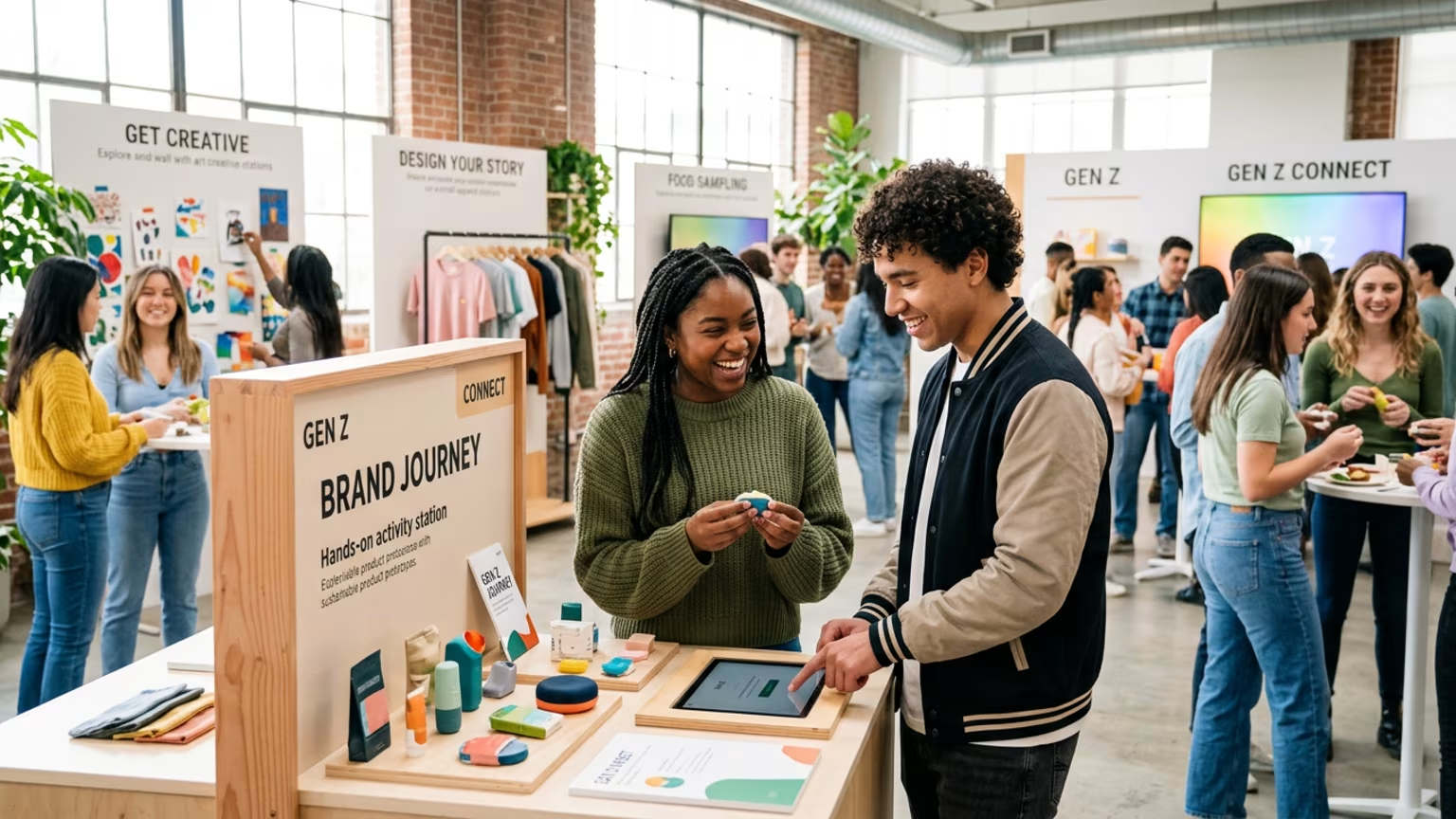
Sarah stared at the dashboard glowing on her laptop. Another heavy social media ad spend yielded flat conversion rates for her new energy drink. The target demographic was scrolling right past her content. She realized that winning Gen Z required showing up where they actually live.
Gen Z buyers are experiencing massive digital fatigue and are actively seeking out offline brand interactions. Marketing operators must shift their strategy from purely digital campaigns to measurable physical experiences that generate real sales pipeline.
Imagine a massive college campus activation or a crowded trade show. Brands spend hundreds of thousands of dollars to build beautiful booths. Staff members stand around waiting for attendees to approach them. The target demographic walks past with their heads buried in their phones.
This passive strategy creates an expensive vanity exercise instead of a structured lead generation channel. Brand managers face immense pressure to show a Return on Investment (ROI) from these live events. A beautiful booth without a system to capture attention becomes a massive liability. The pressure to justify the marketing spend mounts with every passing hour.
Consumer packaged goods companies often treat live events like a box to check. They ship pallets of product to the venue and hope for the best. The floor reality is highly competitive and visually overwhelming. Thousands of attendees walk the aisles with fragmented attention spans.
Your booth is fighting against sensory overload and competing activations. If your field team lacks a precise operational protocol, the activation quickly devolves into chaos. People grab free samples and walk away without ever learning your brand story.
The logistics of moving a massive booth across the country are staggering. Teams deal with delayed freight trucks, missing graphics, and union labor disputes at the convention center. The marketing director spends half their time acting as a supply chain manager. All this effort goes into building a temporary retail space that exists for three days.
A poorly executed floor strategy drains your budget and demoralizes your field team. Ambassadors standing behind a table quickly lose their energy when attendees ignore them. The lack of proactive engagement turns a premium brand activation into a glorified storage unit. You need a system that forces interaction and captures attention immediately.
The cost of failure is too high to rely on foot traffic alone. Every square foot of your event space must be optimized for lead generation. Marketing leaders must realize that hope is not an operational strategy. The chaotic reality of live events demands rigorous planning and flawless execution. Without strict discipline on the floor, your premium brand becomes just another background element.
Winning over a younger demographic requires an active engagement framework. You must intercept consumers physically before asking for digital interaction. The initial touchpoint needs to be tactile and sensory to break their screen addiction. Our team approaches this by grounding the interaction in an actual product trial.
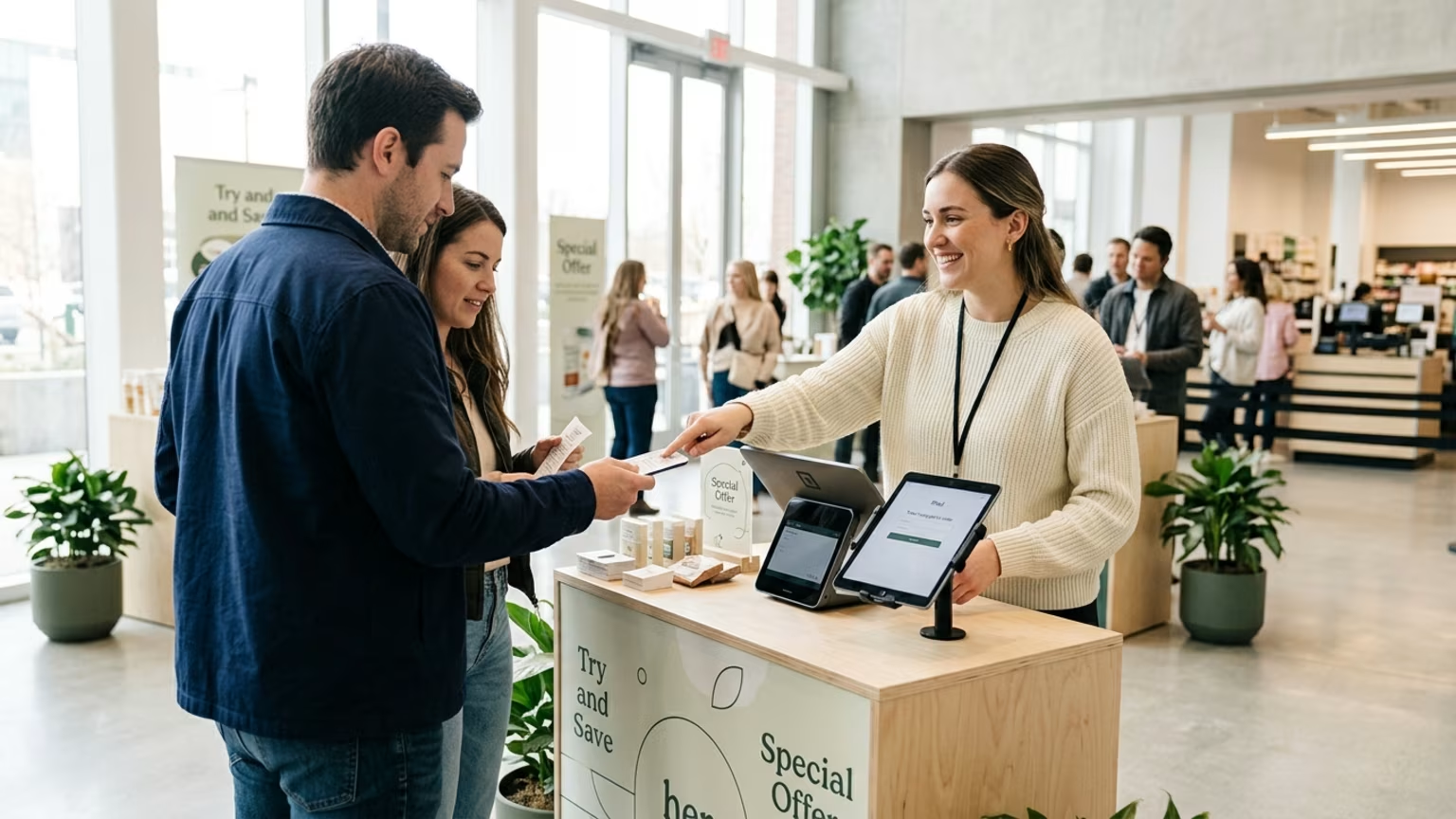
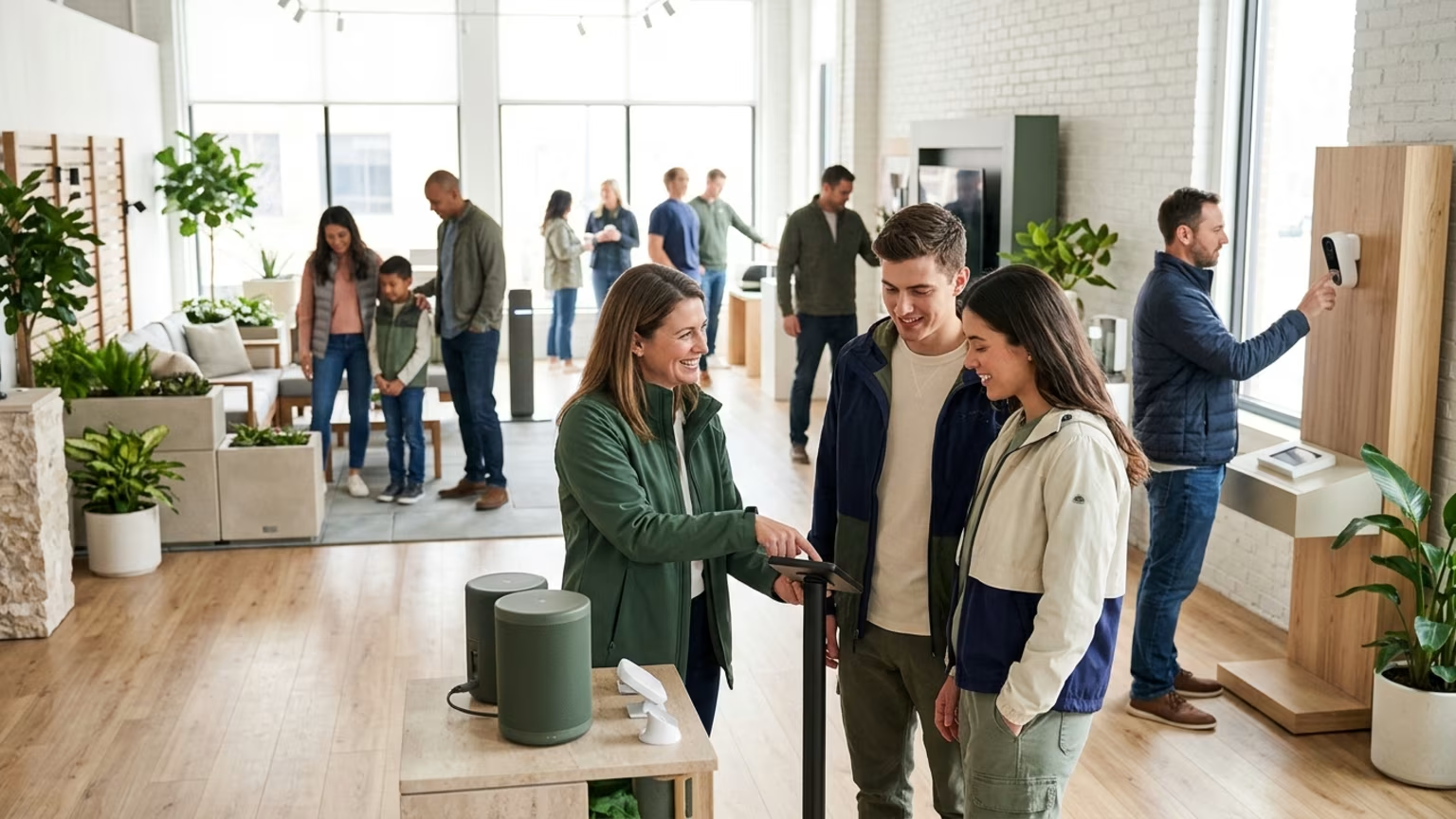
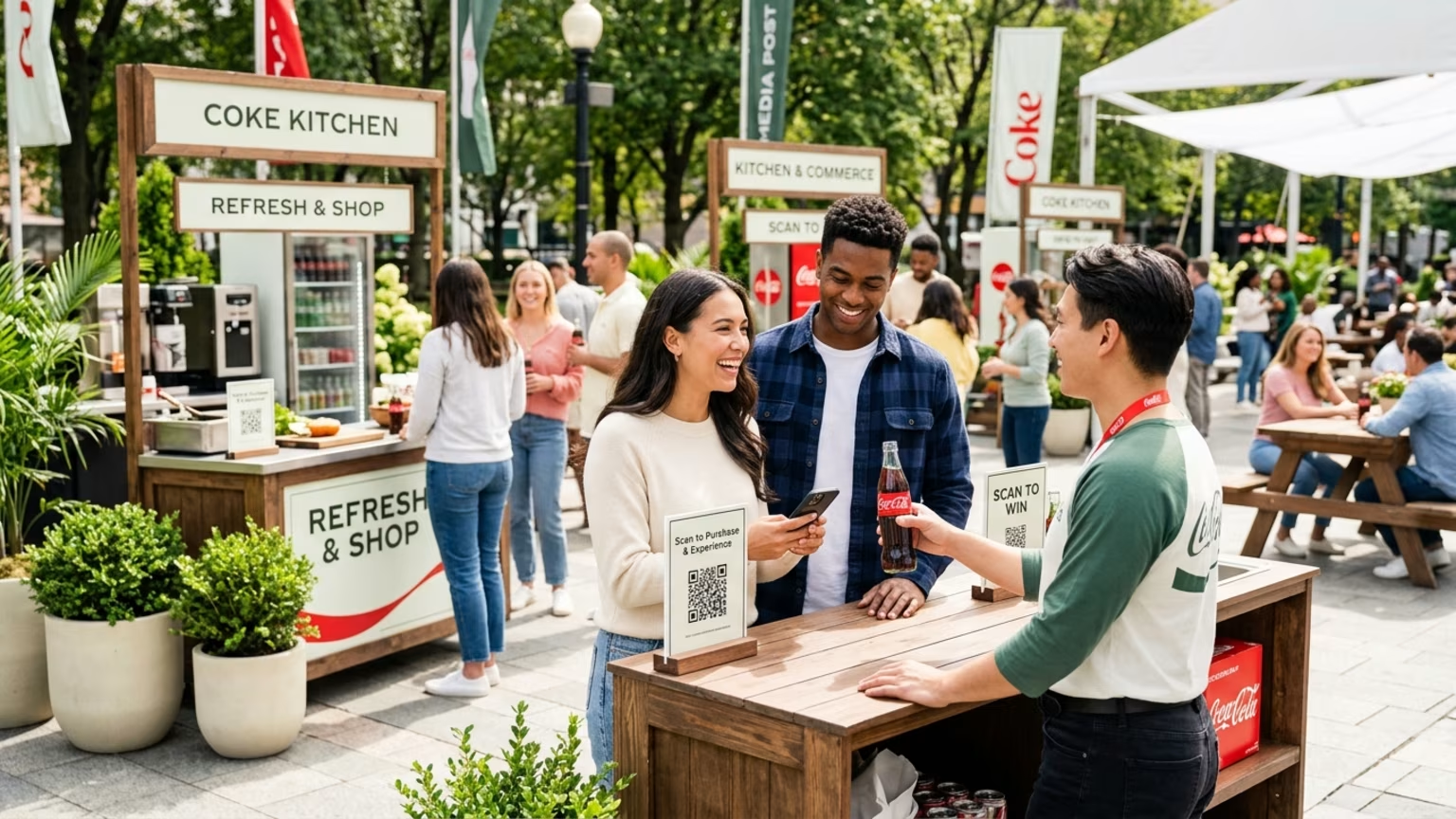
We blend physical and digital experiences by integrating QR codes and mobile tech into a cohesive layer across retail and tour events. This connected approach is not a standalone service but an upgrade we apply to many types of experiential work to drive connected results. This methodology bridges the gap between tasting a product and buying it later. It allows marketing leaders to maintain rigorous data collection standards.
According to MediaPost, recent reports indicate that Gen Z finds digital media less satisfying today. Brands must fill that void with authentic human connection. Our strategic approach relies on a concept called the tactile intercept. The field team physically hands the product to the consumer to break their digital trance.
A younger consumer can spot an inauthentic marketing pitch from a mile away. They crave transparency and direct communication from the brands they consume. The strategic approach must respect their intelligence and their time. By prioritizing a physical connection over a digital ad, you break through the screen addiction.
This framework demands high level training for every brand ambassador. They must understand the core brand messaging and the primary conversion goal. The strategy fails if the staff treats the activation like a simple retail transaction. They are there to build a relationship and capture measurable data.
A systematic approach requires mapping every step of the consumer path. You must anticipate where the consumer is walking and what they are thinking. The activation should feel organic to the attendee but operate like a machine for the brand. Marketing leaders must realize that offline first activations win attention back from distracted audiences.
Implementing this offline-first approach takes operator-grade discipline on the floor. You cannot rely on spontaneous moments to generate sales pipeline. The execution must follow a strict playbook to guarantee consistent results.
Marketing operators cannot rely on vanity numbers like total event attendance or social media likes. You need hard numbers and metrics to prove field activation ROI to validate the campaign to your leadership team. Establishing the right key performance indicators requires tracking specific financial metrics.
Lead metrics tell you if the event is working in real time. Track the cost per physical trial and the digital scan rate per hour. If the scan rate dips, your staff might be failing to deliver the digital bridge. The number of meaningful conversations logged per ambassador is another critical real time indicator.
Lag metrics prove the financial success after the event concludes. Measure the retail sell-through rate in the surrounding zip codes over the next thirty days. Track the email open rates from the leads generated on site. A successful activation will show a clear lift in regional sales figures.
You must establish a baseline measurement before the event begins. Compare the post event sales data against historical averages to determine the true lift. This level of rigor separates professional marketers from those who just throw parties. You must present undeniable evidence of financial return.
According to marketing research from Omdia, mastering the customer lifecycle requires proving ROI across multiple touchpoints. Live events are no exception to this rule. By tracking both lead and lag metrics, you can confidently defend your event budget.
For a consumer brand, the focus is on trial velocity and retail conversion. For a business to business company, the focus might be on qualified pipeline value and sales meetings booked. Both scenarios require a strict definition of what constitutes a qualified interaction. An interaction only counts if the consumer meets your target demographic profile.
Compare the cost of acquiring a customer digitally versus experientially. A heavy digital ad spend might yield a lower cost per click. The experiential interaction often yields a much higher lifetime customer value. The physical trial builds a strong memory structure that digital media cannot replicate.
A national sparkling water brand recently faced declining engagement from younger consumers online. They launched a mobile sampling tour targeting university towns and regional food festivals. The field team distributed ice-cold cans from a heavily branded vintage truck.
Ambassadors engaged students in conversations about their study habits and hydration needs. They placed a QR code right on the sampling cup. Scanning the code revealed a digital coupon for the nearest grocery store. The brand tracked a massive spike in localized retail sales within two weeks of each stop.
The field manager audited the flow of foot traffic at every campus. They relocated the sampling truck to intersect with students leaving major lecture halls. This simple adjustment doubled their daily sample distribution rate. The team logged over five thousand meaningful interactions during the first week.
This campaign succeeded by trading digital noise for physical refreshment. The brand did not ask for a digital action until they had provided real value. They turned a simple product trial into a highly trackable sales engine.
Before adopting this strategy, the brand relied on a fragmented approach with multiple regional vendors. The reporting was inconsistent and the field staff often lacked proper training. They had no way to prove if the sampling events were driving actual retail velocity. Moving to a centralized operator model solved these systemic issues.
The new reporting dashboard allowed the brand team to see real time trial numbers. They could pivot their messaging on the second day of a festival if the initial pitch fell flat. This agility turned their field marketing program into a massive competitive advantage.
The marketing director used the event data to secure a massive retail expansion. The grocery buyers saw the direct correlation between the sampling tour and regional sales velocity. This is how experiential marketing builds serious commercial momentum.
Your next live event must include a documented plan for bridging the physical interaction into a trackable digital action. Book a strategy call.

30 Years Experiential & Retail Activation Partner for CPG & Beverage Brands | Multi-Market Demos, Roadshows & Costco/Club Programs That Actually Sell