Robbie Thain
Founder, CEO

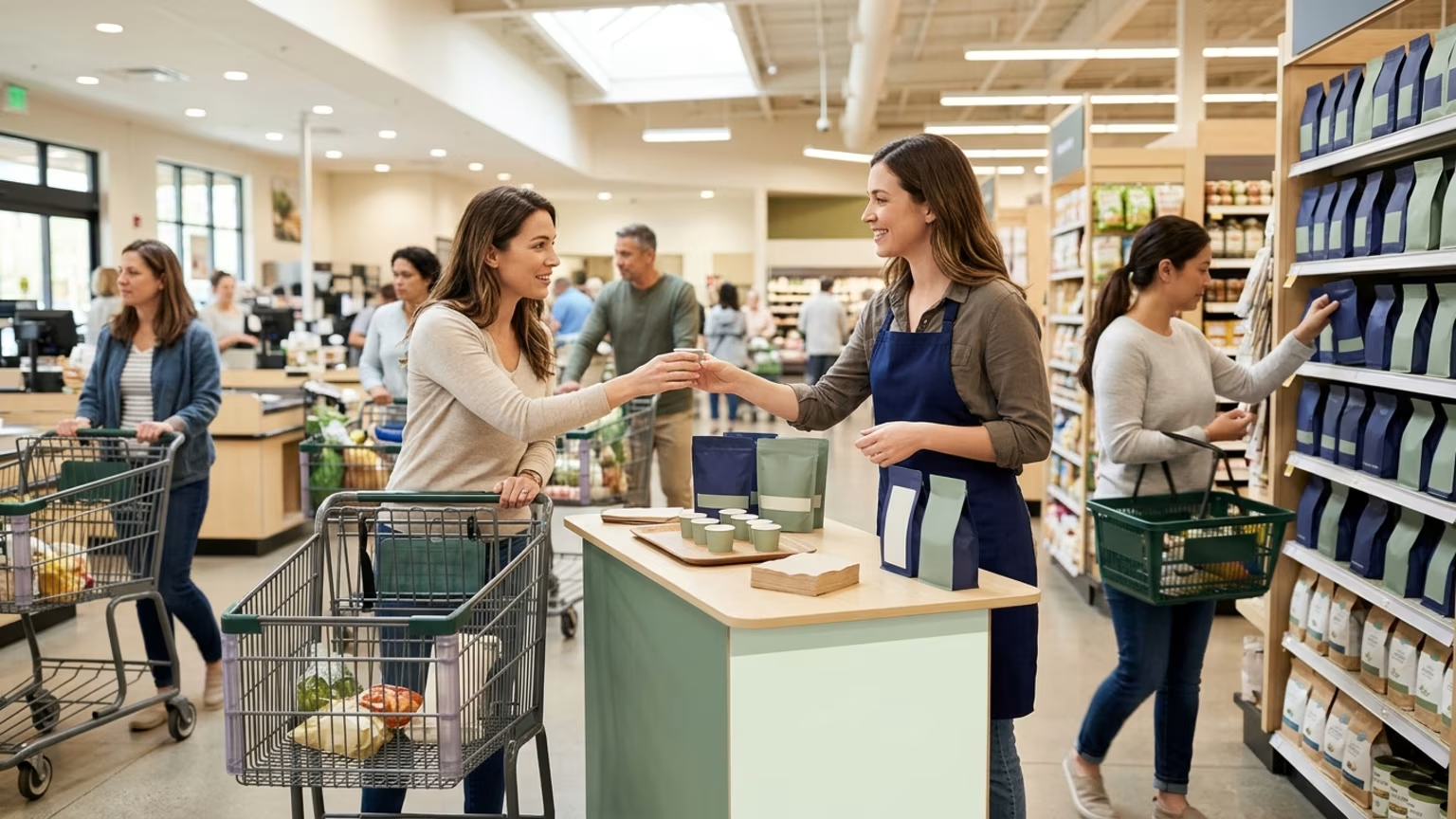
Choose retail demo stores and schedules around shopper relevance, stocked inventory, retailer coordination and clearly measured outcomes.

Six weekends of observations in one U.S. grocery chain suggested that sampling could influence product and category purchases, according to a published field-study summary. That makes sampling worth evaluating against a purchase objective. It does not establish a universally best store or time slot, so treat the findings as directional evidence rather than a campaign forecast.
The practical answer is to choose stores and schedules around the campaign objective, relevant shoppers and stocked inventory. Coordinate the placement and event logistics with the store team. Then evaluate trial separately from purchase, using consistent measures across the locations and dates being compared.
A sensory trial objective calls for a different evaluation than a lead-generation objective. An awareness campaign also needs a different scorecard from an activation intended to support immediate purchase. Foot traffic belongs in the discussion, but it should not stand in for those decisions.
We specialize in retail demos, product sampling programs and roadshows that bring brands face to face with their audiences. Our view is that location planning should serve the intended consumer relationship and business outcome, not simply produce a busy table.
Store selection and scheduling should come together in an operating brief that the retailer can review. The brief should explain what the activation is intended to accomplish and how the proposed setup supports that objective.
Retail demo vendor guidance recommends giving store managers scheduling and setup information in advance. It also recommends considering high-traffic areas for exposure. That is practitioner guidance, not proof that the busiest position will produce the strongest purchase outcome.
Makai's integrated services extend from permitting to CRM reporting. For planning purposes, retailer approval and any permitting questions should remain tied to the selected format rather than an assumed chain-wide process.
A useful store-selection discussion should cover:
The sampling framework cited above identifies proximity to stocked inventory as a short path to purchase. That makes product availability part of location planning rather than merely a reporting detail. Our guide to matching the setting with shopper intent develops this decision further.
The scheduling recommendation is to compare promising windows through a pilot rather than declare a preferred hour in advance. Record the store and day alongside availability and outcomes. Compare dates only when the measures and operating conditions are reasonably consistent.
We ran a four-week Dole Whip summer sampling program across San Francisco, Boston, Tampa and Orlando. The activations distributed more than 64,000 servings, and we built creative assets for reuse in future campaigns. For us, reusable creative and local operating decisions are separate planning questions: the concept can travel while each location and schedule still needs a rationale.
The staffing decision should follow the job the interaction needs to do. A product trial needs a person who can support a real conversation, not merely distribute samples and repeat a slogan.
Makai's retail demonstrations use trained brand ambassadors to connect product trials with in-store sales. Our human-centered view of aloha is straightforward: be approachable and give the shopper's actual question room in the conversation. Warmth should support a useful exchange rather than pressure someone to participate.
Training should connect the product experience to the campaign objective. A preparation brief can focus on the sensory question the trial addresses and where the stocked product can be found. It should also clarify which observed outcome belongs in the report.
For example, favorable comments belong in shopper feedback. Sample acceptance belongs in trial reporting. Neither should be treated as a purchase without purchase evidence.
Our experience includes more than 1000 campaigns across all 50 states. For us, the useful consistency question is about the quality of the encounter and the meaning of each reported outcome. A repeatable program should retain its purpose without treating every shopper conversation as interchangeable.
That balance is also the focus of our discussion of welcoming product conversations backed by operational discipline.
Start by deciding whether lead capture belongs in the activation at all. A retail purchase objective and a qualified-lead objective should not be forced into the same reporting category. The sampling framework distinguishes different campaign jobs and recommends tracking purchase outcomes when available.
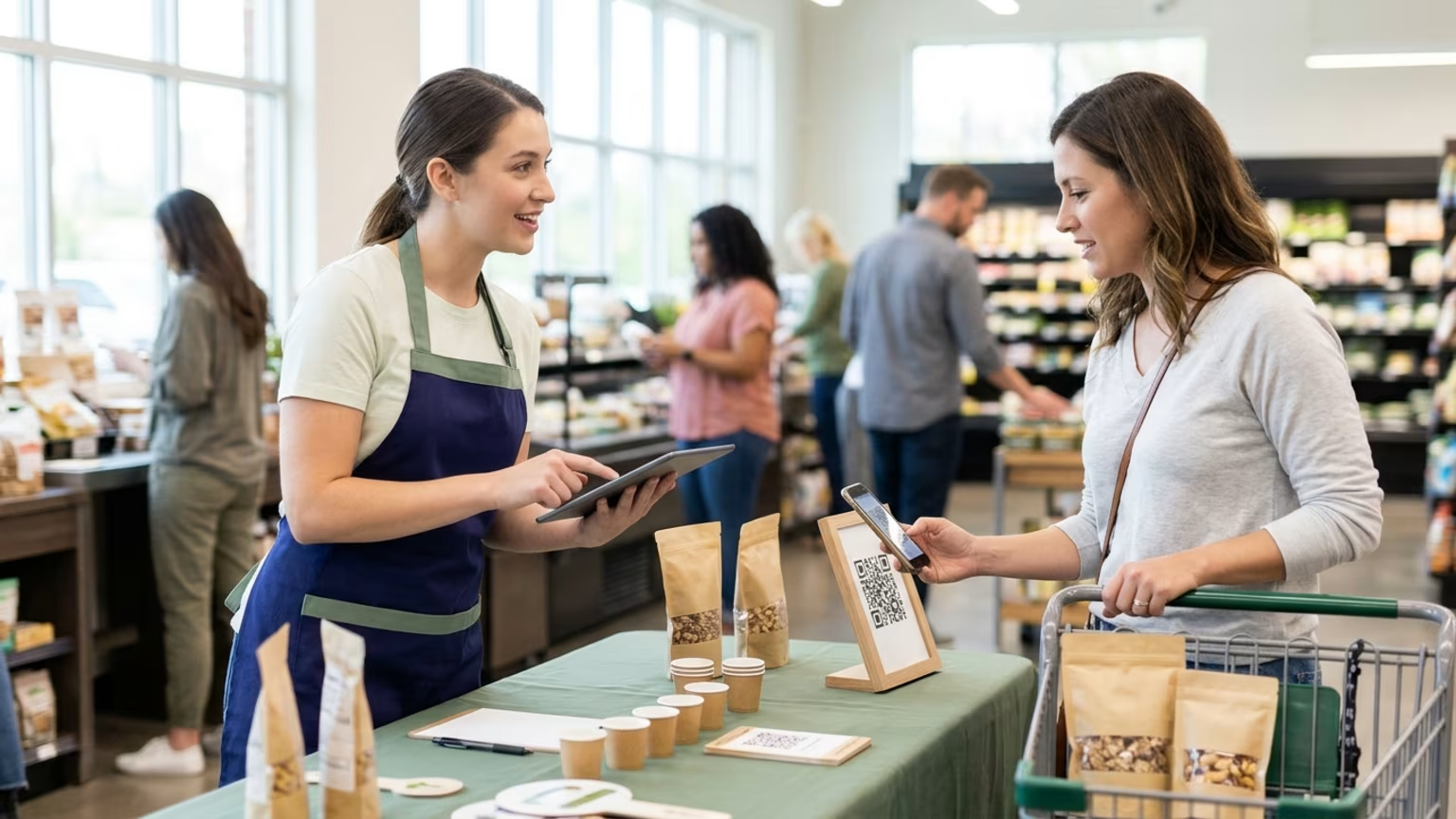
For programs intended to generate leads, Makai's positioning connects face-to-face engagement with qualified pipeline and CRM reporting. The operational brief should therefore describe the transition from a conversation to a customer relationship management (CRM) record.
A planning sequence is:
This is a framework for defining the handoff, not a claim about a particular software integration. The important planning distinction is between collecting evidence of an interaction and assigning responsibility for what happens next.
The sampling framework recommends recording encounters and accepted samples along with store and day. It also recommends tracking product availability, activation cost and purchase outcomes when available. Those measures provide different views of performance and should retain their separate meanings.
We designed and managed a 40 by 20 foot trade show environment for Glanbia at Natural Products Expo West 2025. Our work covered concept and operations as well as staffing and breakdown. More than 14,000 recorded product samples were distributed across the activation stations.
That sample total is a distribution measure. It should not be relabeled as qualified leads or retail sales. The same distinction matters when choosing a Return on Investment (ROI) model that matches the available evidence.
A no-show, failed device or stock problem changes what the activation can deliver. The contingency plan should protect the integrity of the interaction and the report rather than preserve the appearance of a completed event.
The planning response should stay grounded in staffing, retailer coordination, availability and observable outcomes:
Replacement staffing and offline capture should not be assumed capabilities. Any such arrangements belong in the program's specific operating plan.
The field lesson is to report what actually ran. An interrupted activation can still produce useful operational observations, but those observations should remain distinct from measured retail sales lift.
The next step is a pilot brief that states the objective and proposed locations. It should also identify the schedule, retailer coordination needs and available outcome measures.
Use the pilot to compare stores and dates under reasonably consistent conditions. Then decide what to repeat based on shopper relevance, execution feasibility and the outcome the campaign was designed to produce, not the busiest-looking photograph.
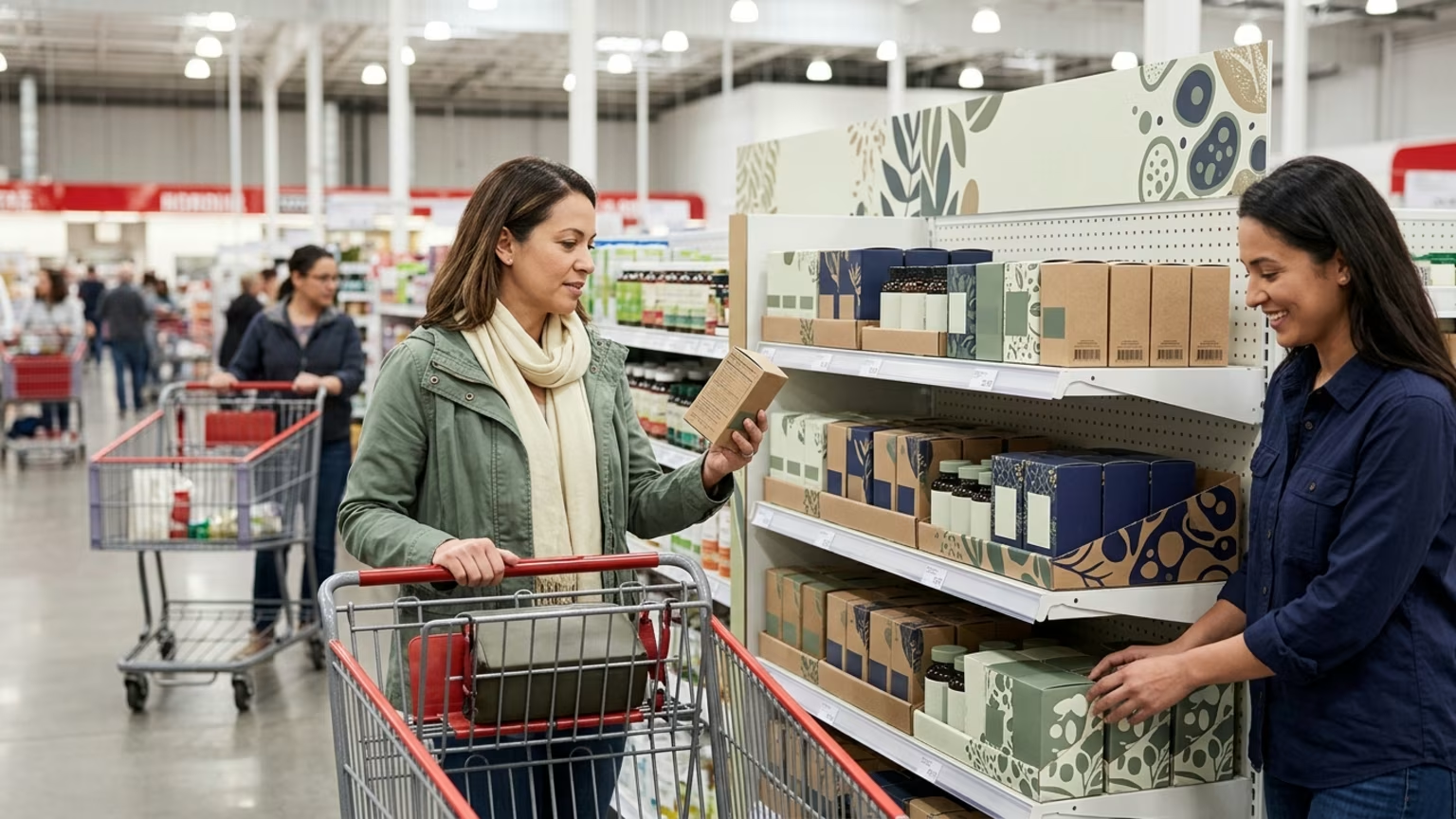
Deciding whether a Costco roadshow fits the campaign connects store planning with execution, where Makai manages the roadshow from end to end. The service combines live demos and real conversations with measurable sales impact for brands meeting shoppers in person.

30 Years Experiential & Retail Activation Partner for CPG & Beverage Brands | Multi-Market Demos, Roadshows & Costco/Club Programs That Actually Sell