Robbie Thain
Founder, CEO

Learn how brands are testing AI tools to improve field marketing coordination and store execution for measurable, tech-enabled retail success.
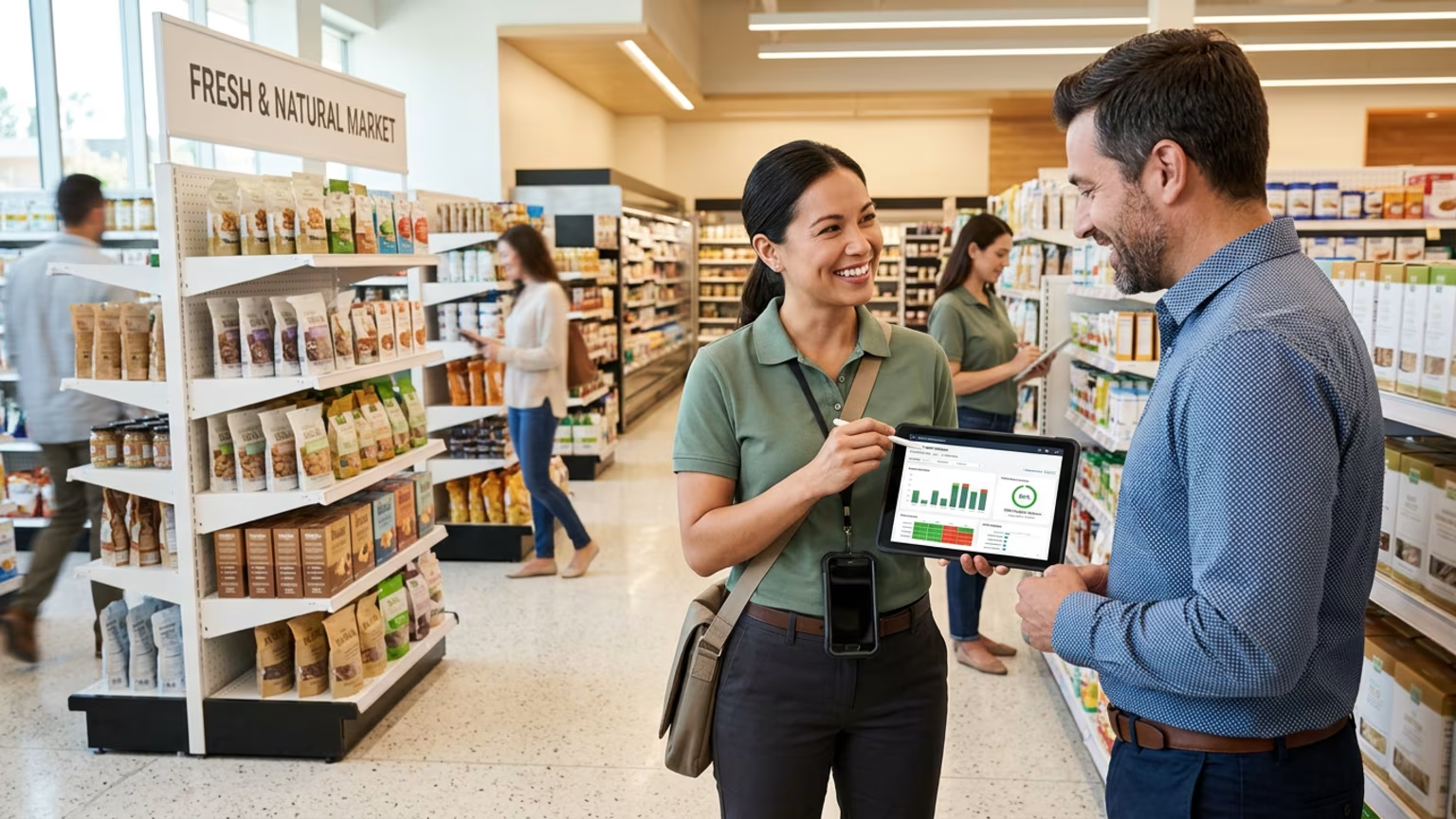
Artificial intelligence is rapidly shifting field marketing from static recaps to real-time action across customer touchpoints. Brands that adopt these connected systems are turning isolated store activations into measurable and accountable retail success.
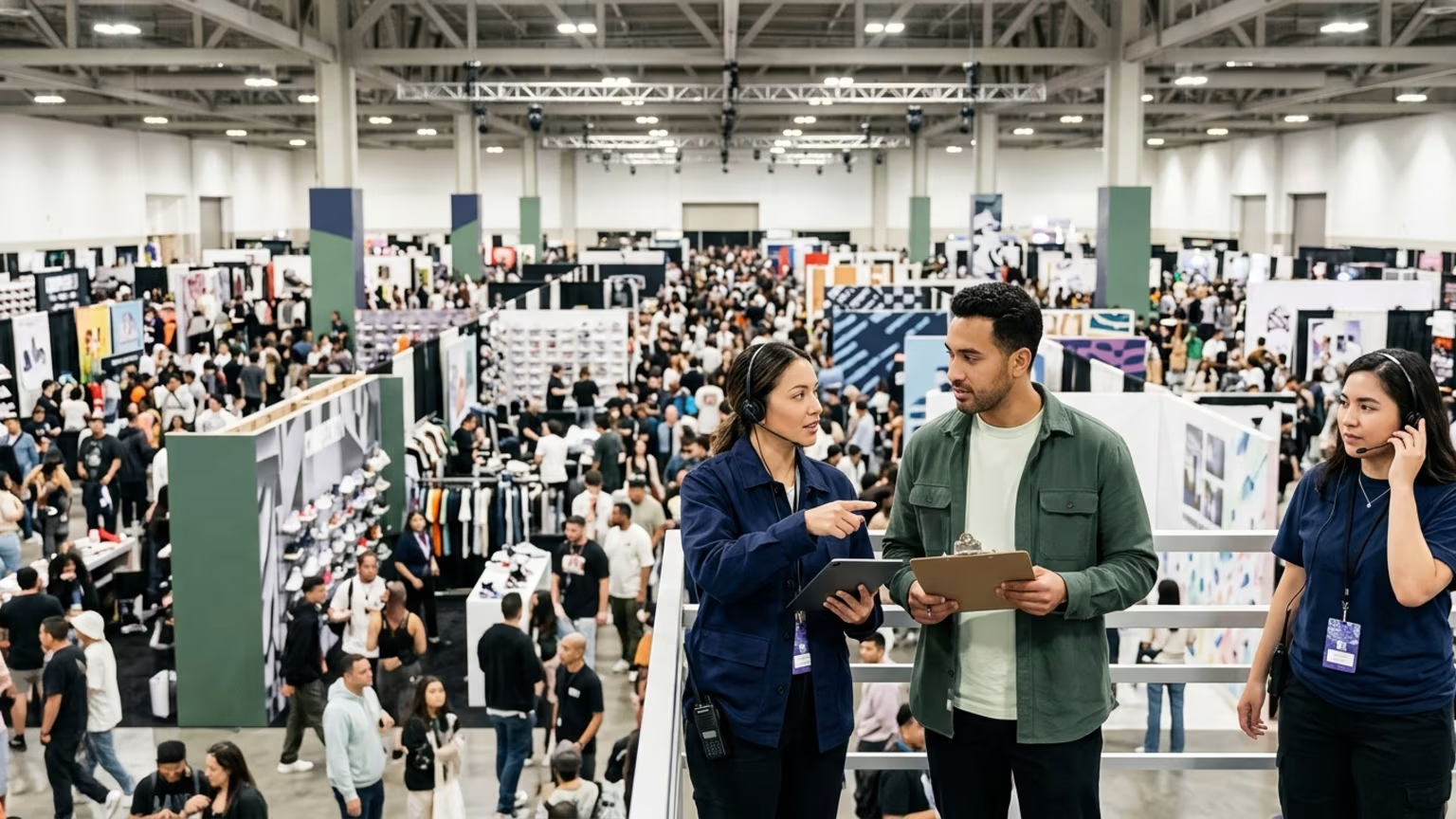
Brand managers invest heavily in trade shows and local promotions to drive immediate trial. They expect field representatives to engage shoppers directly while maintaining strict presentation standards. However, visibility into these physical spaces drops to near zero once an event begins. Without connected reporting tools, marketing directors spend weeks chasing down photos and inventory logs. This delay paralyzes decision making for future retail pushes.
A field manager stands in aisle four with a clipboard and a missing pallet. The promotion was supposed to go live three hours ago. The activation data will not reach the marketing director until next week. This scenario plays out daily for brands relying on fragmented reporting tools.
Modern experiential operators know that isolated retail events often produce fog instead of evidence. The real problem is not a lack of information. “The challenge today isn't collecting data, it's knowing what matters and acting on it quickly,” said Karthik Suri, Chief Product and Corporate Strategy Officer at Sprinklr. Marketing leaders face immense pressure to prove that activations drive trial and retailer confidence. When data moves slowly, brands miss the window to fix out-of-stock items or staffing gaps.
Consumer packaged goods companies are rethinking how they handle market development roles for retail execution. To bridge the gap between physical events and digital systems, brands are testing artificial intelligence to tighten store compliance. Sprinklr’s Summer ’26 release aims to shift brands from static dashboards toward connected systems that interpret signals and drive real-time action across marketing and service. This evolution moves field programs away from vanity metrics. Brands now expect their live events to produce actionable insights on the same day.
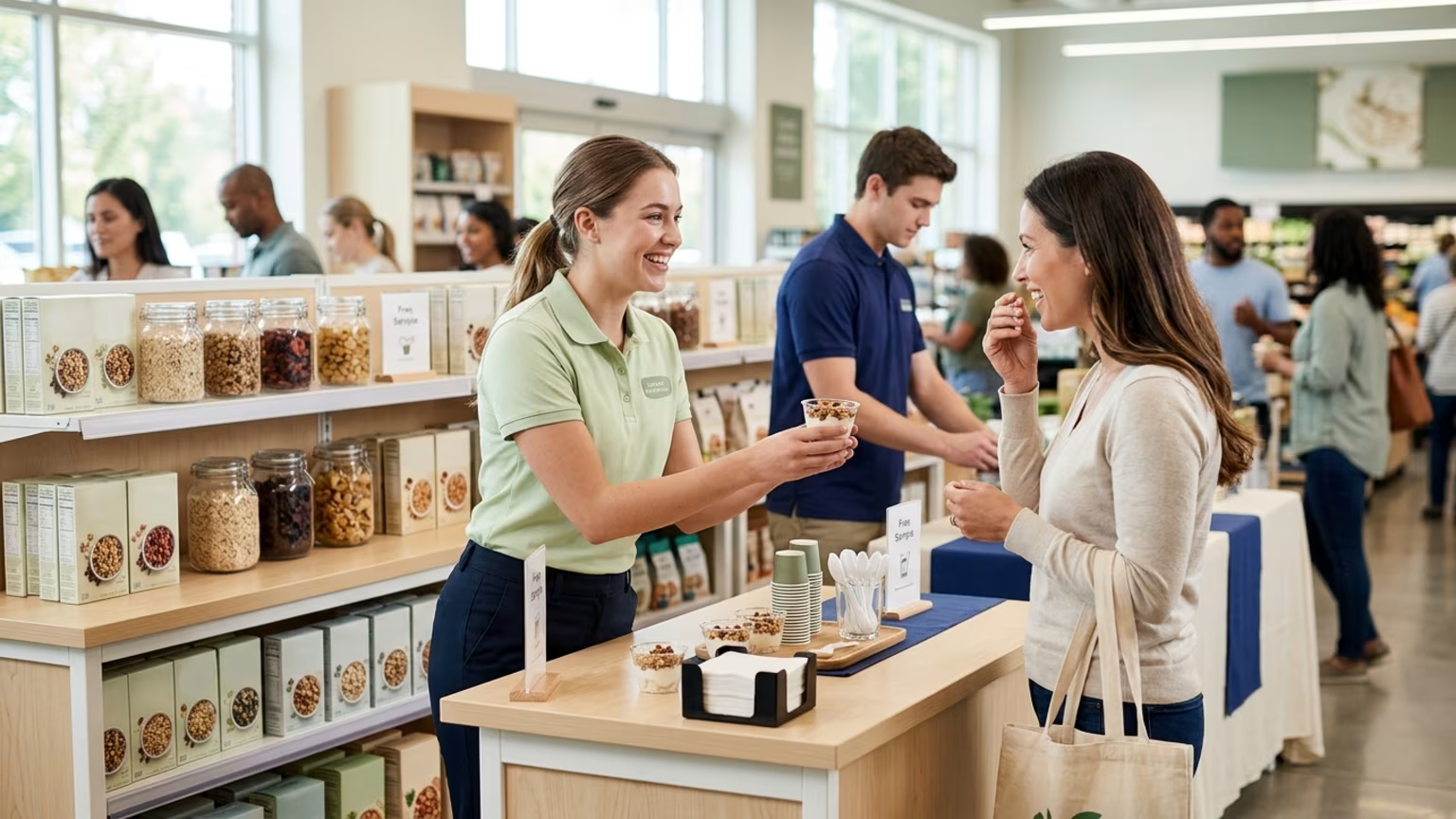
Retail demonstrations require constant optimization to deliver peak performance. Marketing departments can no longer wait for a quarterly business review to learn that a promotional campaign failed. The integration of modern technology allows companies to track the precise impact of every poured cup and handed out sample. Verified Market Research notes that content intelligence companies help brands analyze consumer behavior and preferences to deliver tailored information. Brands can use these insights to adjust in-store displays and sampling programs on the fly.
Verified Market Research forecasts that by 2027, content intelligence will shift from retrospective dashboards to autonomous intent realignment and contextual multi-agent auditing. This tech-enabled execution requires clear guardrails. Reporting on TikTok Shop indicates that brands are concerned AI-generated shopping videos could misrepresent products and blur the line between authentic and synthetic reviews. Some companies are setting limits on how their products appear in these videos.
Artificial intelligence can track and audit, but the physical tasting or demo must remain an authentic human experience. Sprinklr describes its unified platform as covering social media management, marketing, and advertising. The system also handles customer feedback and contact center operations to help enterprises act on real-time insights.
Implementing connected systems requires a structured approach. Field leaders must carefully align their technology with actual human workflows.
Proving the Return on Investment for field marketing requires separating immediate operational indicators from long-term business outcomes. Teams need to know exactly how logistics secures field marketing Return on Investment through measurable milestones. Lead metrics provide the early warning signals needed to adjust campaigns in real time. These include real-time inventory flags, field compliance rates, and daily sample distribution counts. Monitoring these indicators allows operators to fix problems before a retail activation ends.
Marketing executives must translate experiential success into the language of finance and operations. A beautifully executed pop-up means very little if the data cannot prove a direct link to retail sell-through. Tracking the correct metrics transforms an activation from a creative expense into a revenue engine. Operators should establish baseline numbers before any representatives hit the retail floor.
Lag metrics demonstrate the ultimate business value of an activation. Ntooitive recommends monitoring AI citation frequency, brand mention sentiment, share of AI answer presence, and assisted conversion attribution. Tying physical sales lift to specific retail events gives marketing operators the hard data they need to report success. When a brand integrates these data points, it turns fleeting consumer interactions into repeatable pipeline growth.
Even the most advanced technology stack relies on the quality of the physical brand activation. Shoppers remember how a product tastes and how a brand ambassador makes them feel. makai specializes in creating these precise retail interactions for premium consumer goods.
A Director of Brand Strategy in the CPG snack division shared: 'The Makai team turned our product launch into a sensory event that shoppers still talk about. From creative storytelling to flawless in-store execution, they made snack time unforgettable. We couldn't have asked for a stronger partner.' Our team created an in-store experience that left a lasting impression on consumers and became a memorable brand moment.
When field events generate genuine excitement, the resulting data feeds directly into broader marketing success. Sprinklr reports that its Copilot content tools allow marketers to generate and refine social posts and even create videos from natural language prompts, accelerating time to publish. High-quality physical activations provide the raw, authentic material that these systems need to amplify a brand. True operational excellence combines disciplined data collection with unforgettable consumer engagement.
Field teams that adopt connected systems will outperform competitors who rely on delayed recap reports. Book a strategy call today to align your experiential marketing with measurable operational excellence.

30 Years Experiential & Retail Activation Partner for CPG & Beverage Brands | Multi-Market Demos, Roadshows & Costco/Club Programs That Actually Sell