Robbie Thain
Founder, CEO

Learn how consumer goods brands use centralized operational leadership to scale event-based sales teams, track real metrics, and drive retail growth.
The field marketing manager stands next to an empty sampling booth in Chicago. The product arrived three days ago, but the brand ambassadors are completely absent. One dropped text message just cost the company thousands of dollars.
Fast moving consumer goods companies are rapidly moving away from scattered event management toward unified operational leadership. Treating field marketing logistics as a core business function helps brands deploy high performing sales teams that turn consumer interactions into measurable revenue.
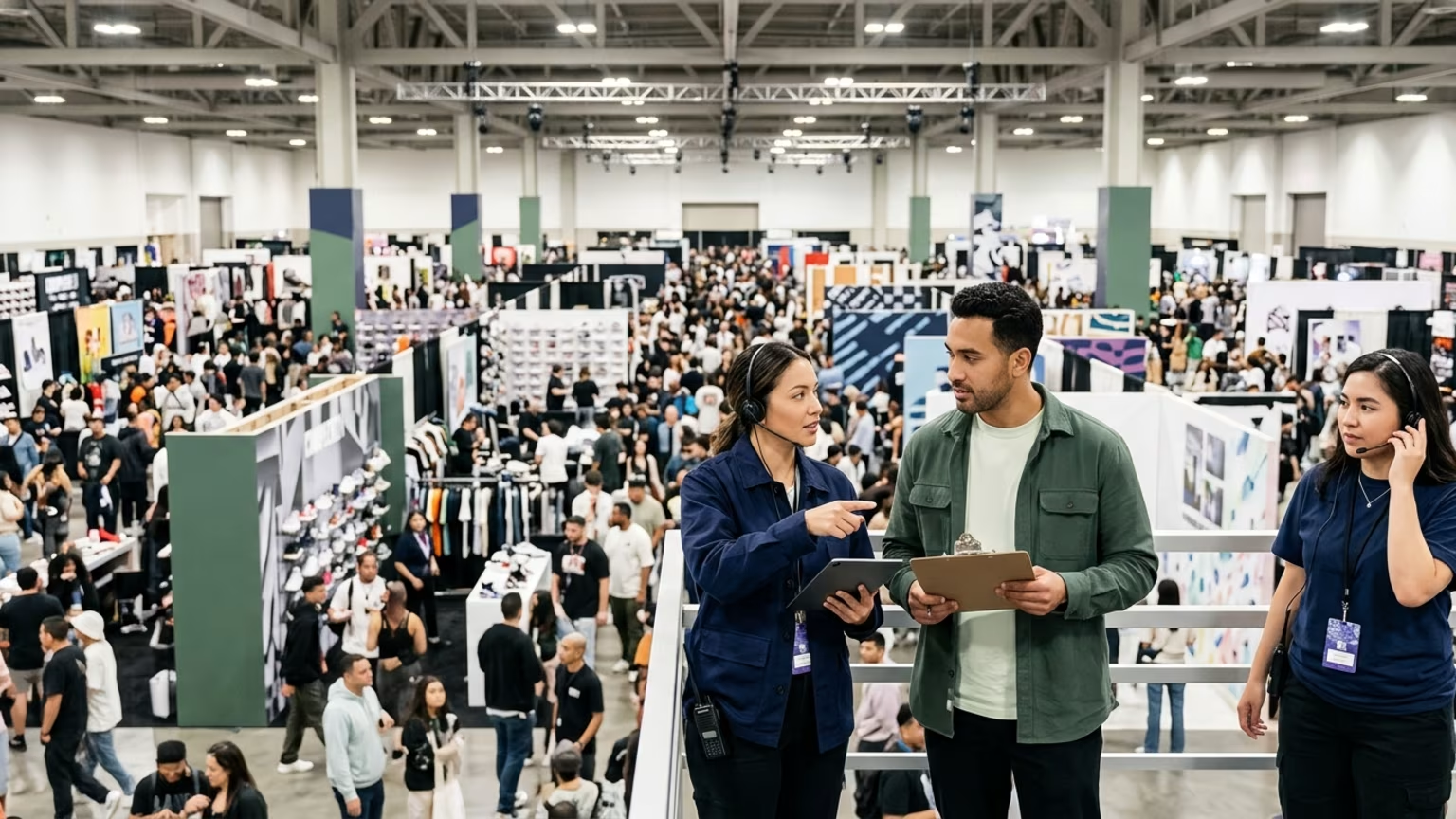
The modern trade show floor is an unforgiving environment for unprepared brands. Many consumer packaged goods companies rely on disconnected local agencies to staff massive national campaigns. This fragmented approach usually results in inconsistent messaging, missing inventory, and confused brand ambassadors. Without centralized operational discipline, regional roadshows quickly turn into expensive logistical failures.
Brand leaders often arrive at an expo expecting flawless execution. They instead find half built displays, malfunctioning equipment, and staff members reading from outdated cue cards. The underlying issue is rarely a lack of creative vision. The failure almost always stems from a lack of operational control over the final mile of execution.
A localized approach creates dangerous blind spots for national marketing directors. When five different agencies handle five different cities, the brand loses its unified voice. Every separate vendor introduces new risks regarding staffing reliability, payroll compliance, and reporting standards. Consumer packaged goods brands cannot build retailer confidence when their activations look completely different from one state to the next.
Consider the hidden costs of poor logistics on the event floor. When a pallet of premium snacks gets lost at a convention center, the financial hit goes beyond the missing product. The brand loses the opportunity cost of hundreds of missed consumer trials. Booth staff stand around idle on the payroll clock. The retail buyer walking the floor sees an empty table instead of a thriving brand presence.
These execution failures erode confidence within the entire sales organization. Regional sales managers begin to view field marketing as a distraction rather than a valuable business asset. The relationship between the marketing department and the sales team fractures under the weight of repeated logistical errors. A professional field operation prevents this internal friction by delivering predictable and flawless support.
Recent industry hiring trends reveal a massive shift in how brands view live events. Major field marketing organizations are now recruiting dedicated operations managers to oversee staffing, fleet management, and deployment. This signals that large consumer brands are professionalizing the back end of their roadshows. The strategic answer to chaos is unified operational oversight.
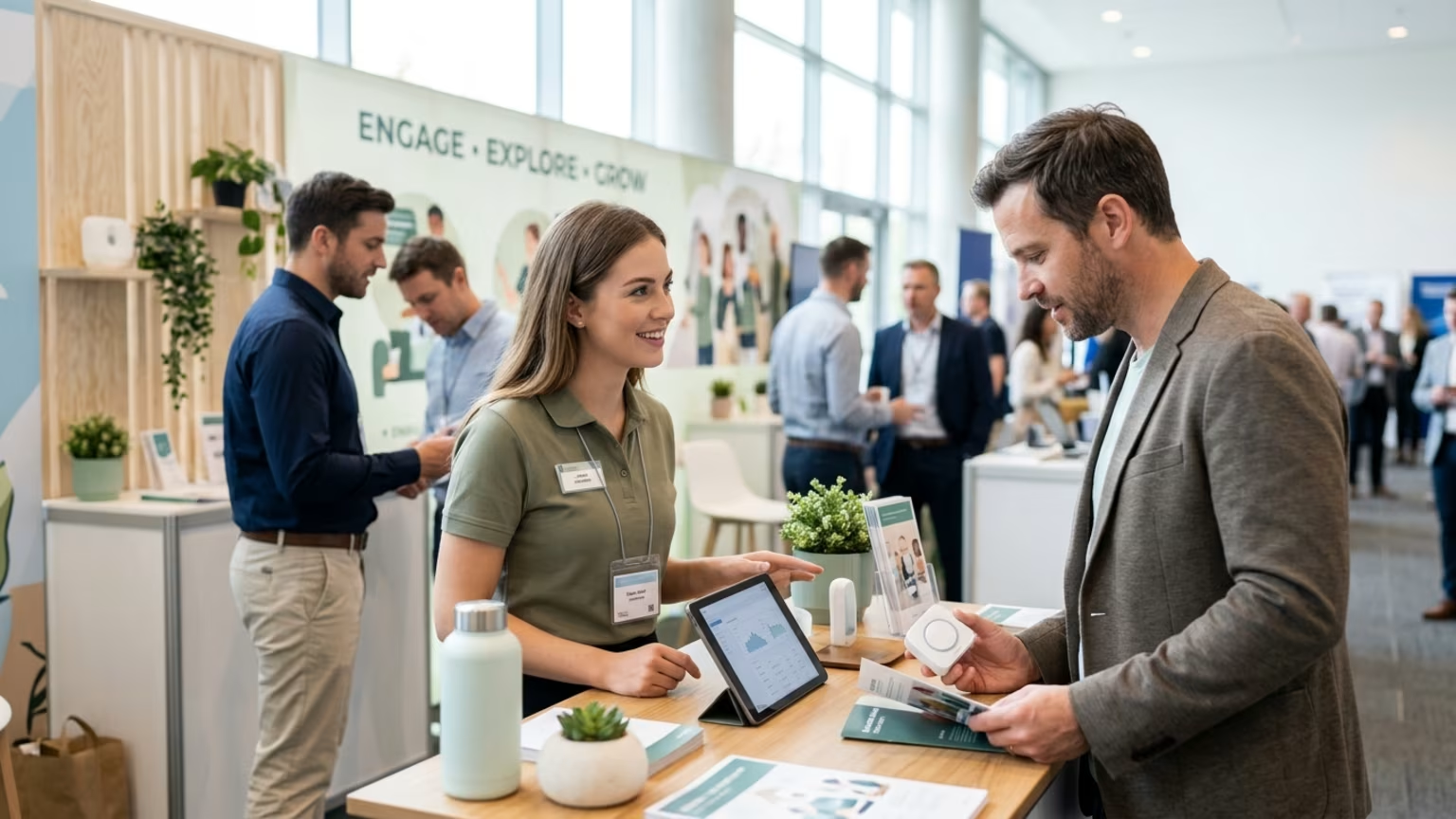
Instead of treating each market as an isolated project, successful brands centralize their calendar management and resource allocation. We have executed over 1000 campaigns across all 50 states, bringing brands to life in every major U.S. market. From retail demos in Seattle to roadshows in Miami and events in Honolulu, our teams activate brands wherever our clients' audiences are located. This national perspective proves that centralized planning prevents regional failures.
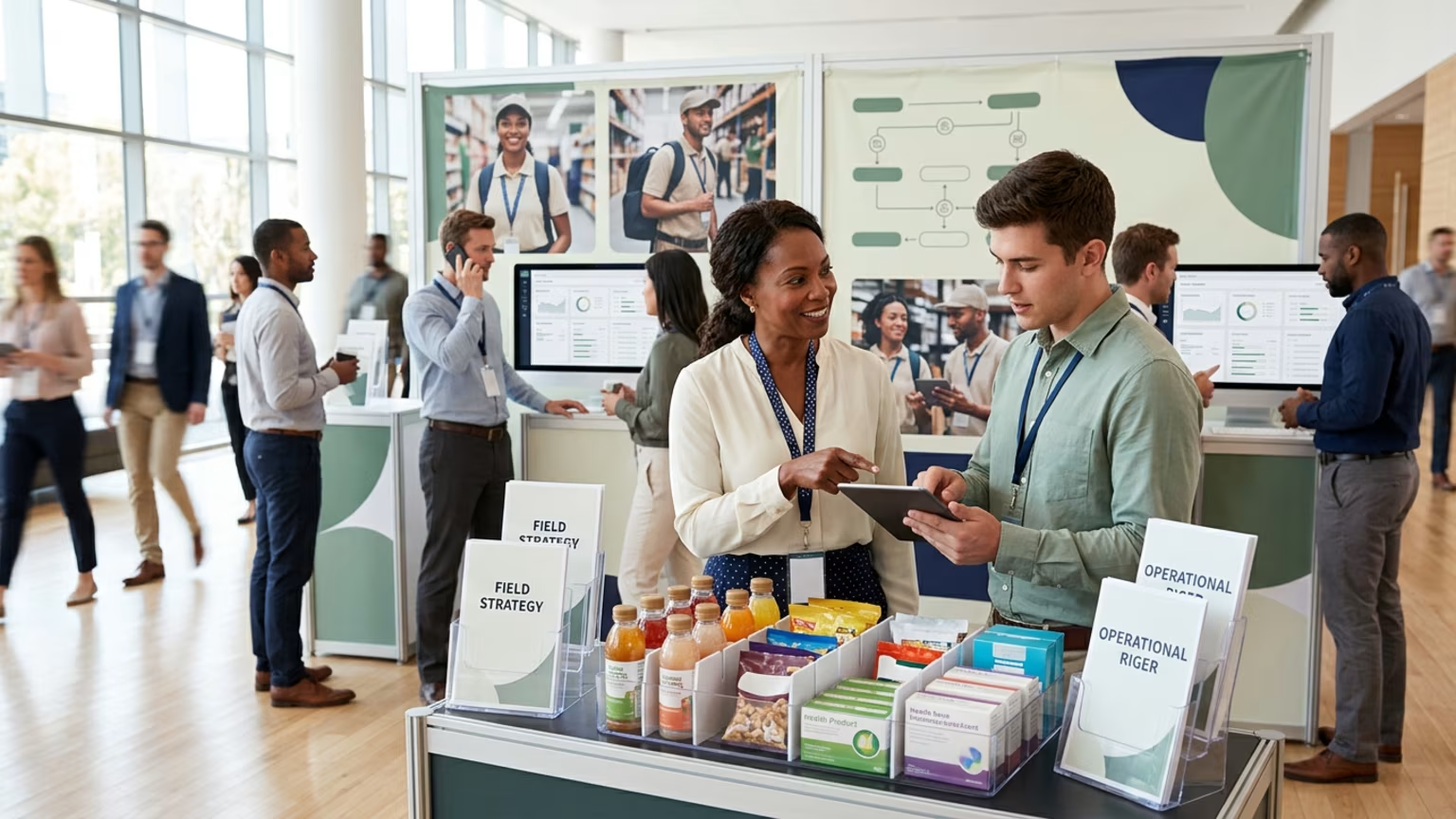
Companies that invest in centralized field marketing frameworks maintain tight control over their brand message across multiple cities simultaneously. A dedicated operations leader treats every activation like a military deployment. They align fleet logistics, product staging, and local permitting under one cohesive strategy. This centralized command center removes the heavy lifting from the creative marketing team.
Delegating logistics to a single operational hub creates immediate cost efficiencies. Shared physical assets can route intelligently from one city to the next without sitting idle in expensive storage units. Centralized leaders can negotiate better rates for shipping, warehousing, and trade show drayage. The result is a leaner operation that delivers a much higher quality consumer experience.
Transitioning from regional chaos to national consistency requires a strict operational playbook. Field marketing teams must follow a standardized process for every single deployment. A well documented system eliminates guesswork and keeps every team member focused on driving sales.
Every field marketing campaign must justify its budget through strict Return on Investment tracking. Vague goals like brand awareness no longer satisfy senior leadership. Operators must measure both lead indicators and lag metrics to present a complete performance picture. Lead metrics tell you the activation status, and lag metrics confirm final financial success.
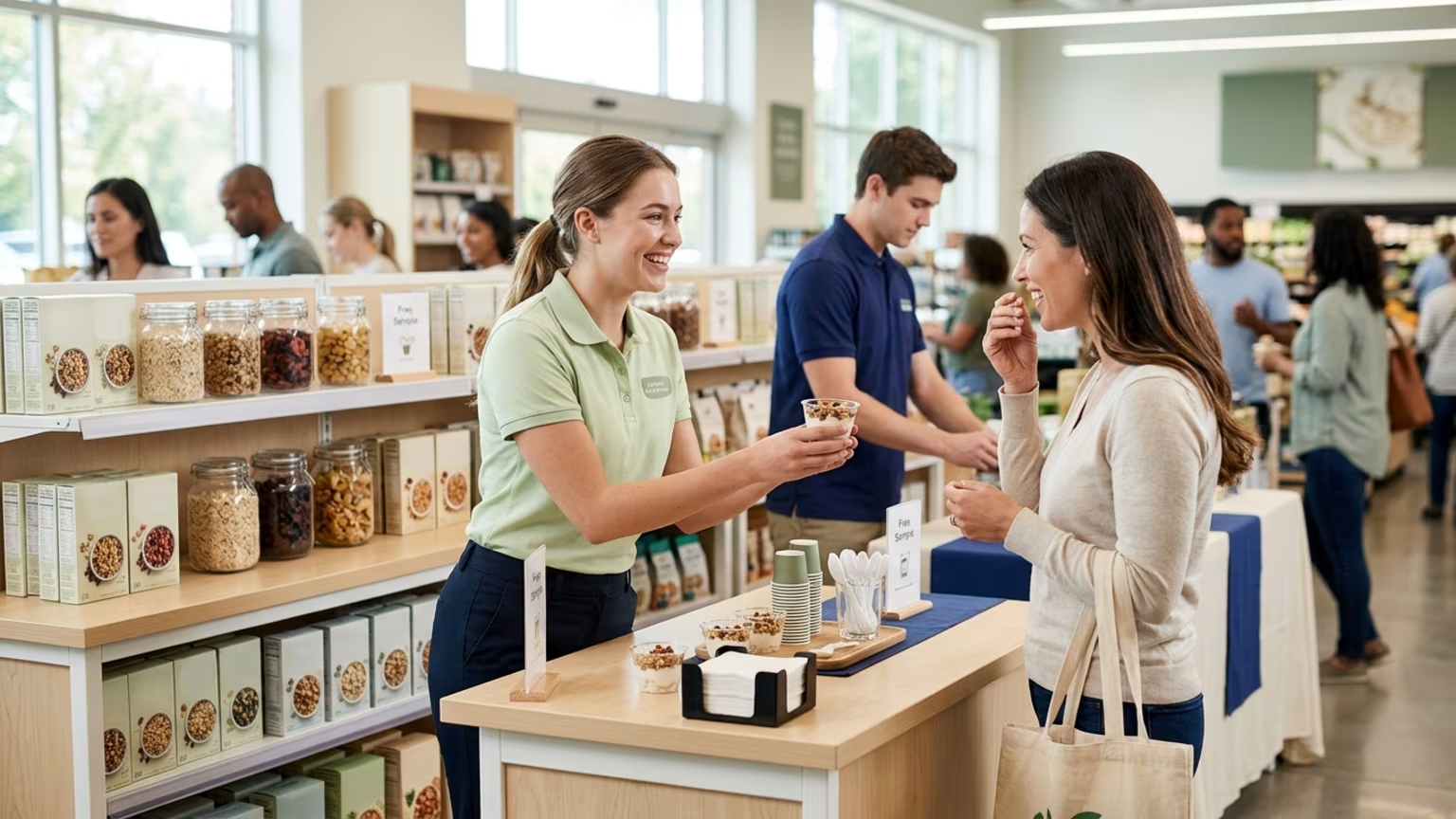
Lead metrics should include daily engagement rate, cost per interaction, and ambassador attendance accuracy. If your team tracks these live activation numbers accurately, they can fix underperforming booths before the event ends. Operators must track the percentage of product samples distributed versus the total inventory shipped. A low sample distribution rate usually indicates poor booth placement or unengaged staff.
Measuring cost per interaction reveals the true efficiency of your floor strategy. To calculate this metric, divide the total event spend by the number of meaningful consumer conversations. A high cost per interaction suggests your booth design is failing to attract natural foot traffic. Lowering this cost requires better location scouting, improved ambassador training, and more aggressive pre event promotion.
Lag metrics define the long term business value of the campaign. Post event sales lift, retailer reorder rates, and qualified lead conversion percentages matter most. A strong operational leader connects the dots between a consumer tasting a product and a retail buyer expanding shelf space. These lagging indicators provide the concrete evidence needed to secure future marketing budgets.
Beyond strict numbers, operational leaders must capture structured qualitative feedback from the field. Brand ambassadors hear direct objections and compliments from the target demographic every single day. Packaging this feedback into standardized reports gives the product development team incredibly valuable intelligence. The field team acts as an active focus group gathering real time data from actual buyers.
A growing beverage brand recently faced major issues during a multi city summer roadshow. They relied on five different regional agencies to manage staffing and asset storage. By mid July, they experienced widespread missing inventory and wildly inconsistent consumer messaging. The brand realized they needed a dedicated operational leader to rescue the campaign.
They consolidated their entire program under one unified agency structure. This central command team took over the event calendar, standardized the ambassador training, and routed all fleet logistics through one system. The results were immediate and measurable. The brand cut their logistical waste by thirty percent and doubled their qualified sales leads.
The activation transformed from a source of anxiety into a predictable revenue driver. Brands seeking scale must eventually adopt this level of centralized discipline. Teams can build repeatable processes for field marketing to stop wasting budget on disjointed regional efforts. A structured system protects the brand reputation and accelerates retail growth.
Operational rigor is the true engine behind any profitable field marketing campaign. Your brand cannot afford to leave live event execution to chance. Evaluate your upcoming event calendar and consolidate your logistics under a single unified strategy today. If your team needs operator grade support to fix fragmented deployments, book a strategy call with our logistics specialists.

30 Years Experiential & Retail Activation Partner for CPG & Beverage Brands | Multi-Market Demos, Roadshows & Costco/Club Programs That Actually Sell