Quick answer: A strong field marketing manager does three things very well. They walk stores with a clear checklist, they run demos and events with repeatable routines, and they report results in a simple format that sales and brand can read in seconds. This post gives you a practical checklist for each part so nothing falls through the cracks during busy weeks.
Why a checklist makes field life easier
Field work is busy. One week you are walking key accounts, the next you are lining up retail demos, club roadshows, or a mobile tour. Requests come from sales, brand, trade, and leadership. Without a simple checklist it is easy to miss small details that later turn into bigger problems, like a missing sign or a late report.
This guide pulls together habits from programs such as retail demonstrations, Costco roadshows, mobile sampling tours, and local events, plus the reporting tools covered in Experiential marketing reporting. How to measure ROI with clean data.
Daily and weekly rhythm for field marketing managers
Before we look at specific checklists, it helps to place them in a weekly rhythm. This keeps travel, store visits, and live activities from piling up in the same day.
- Monday. Route planning, calls with sales, update on inventory and shipments.
- Tuesday and Wednesday. Store walks, display checks, short meetings with managers.
- Thursday and Friday. Demos, events, or setup for weekend programs.
- End of week. Clean reports and photos for leadership and buyers.
You will adjust this based on your markets, but the idea is simple. Plan early, visit midweek, and execute late week with enough time left to close the loop.
Store visit checklist
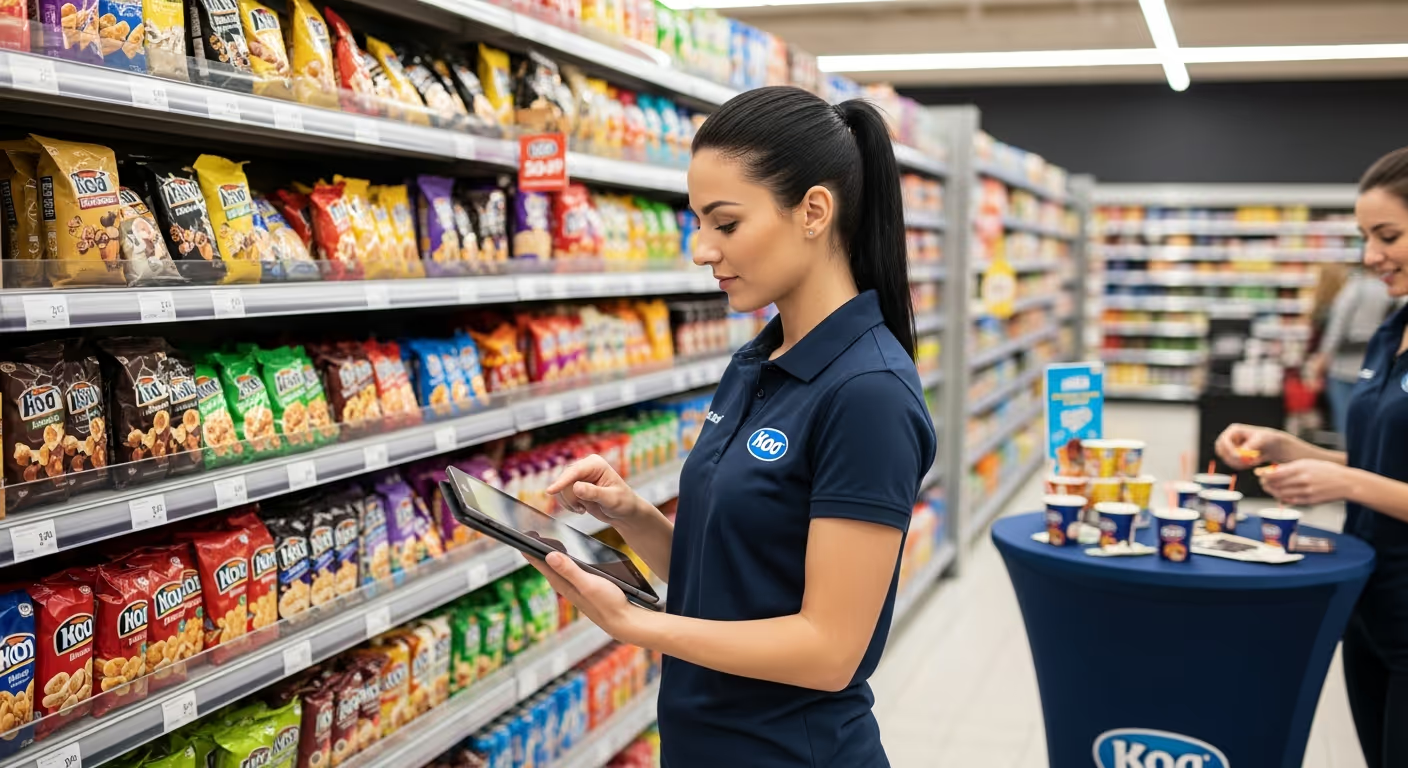
Store visits are the backbone of field marketing. They keep you close to real shelves, shoppers, and teams. A short checklist helps you gather useful data in less than twenty minutes per stop.
Before you enter the store
- Review your route and goals for the day.
- Check any notes from previous visits, including open issues.
- Bring samples if allowed, plus any small tools for quick fixes.
- Make sure your phone is charged so you can take photos and submit reports.
On shelf and in aisle
- Check distribution. Are all planned SKUs in place.
- Check facings and shelf position against your plan.
- Look at price tags and promotions for accuracy.
- Note out of stocks and low back stock risks.
- Take clear photos of the shelf from a few steps away and close up.
Displays and secondary placements
- Confirm that displays are set in the right location and in good shape.
- Check that signs and toppers are straight, clean, and on brand.
- Count remaining units so you can estimate pace.
- Fix small issues on the spot when possible.
Quick chat with store staff
- Greet department managers or key staff by name when you can.
- Ask how the product is moving and what shoppers say.
- Ask about upcoming events or in store themes you can support.
- Log any requests or concerns for the sales team.
After the visit
- Submit a short store recap with photos while the stop is fresh.
- Tag issues that need follow up from sales or supply.
- Update your route plan if certain stores need faster revisits.
The same habit supports programs covered in CPG sampling strategy. How to choose between retail demos, roadshows, and tours, since you can quickly see where demos and events will work best.
Retail demo checklist
Retail demos are still one of the most direct ways to drive trial. They are also complex if you do not have a routine. This checklist ties into the deeper guide in Retail demonstrations. How to turn tasting into sales lift.
Planning and booking
- Confirm target stores and dates with sales and the retailer.
- Verify product availability and any display support.
- Lock in time windows based on traffic patterns in each store.
- Confirm brand ambassador staffing for each shift.
Kit and materials
- Sampling tools such as cups, spoons, napkins, tongs, and trays.
- Small waste bin and cleaning wipes for the table.
- Table cover, branded signs, and simple price or offer signs.
- Ingredient and allergen information if required.
On site setup
- Arrive at least thirty to forty five minutes before start.
- Check product location at shelf and any display tie in.
- Set the table close to traffic without blocking aisles.
- Lay out product, samples, and tools in a clean pattern.
During the demo
- Use one simple greeting line and one key message for shoppers.
- Point people to shelf or display and confirm price when asked.
- Watch pace of samples to avoid running out too early.
- Note which flavors or pack sizes shoppers prefer.
End of shift
- Clean the area and thank store staff.
- Count leftover product and used sleeves or trays.
- File a short recap with samples served, sales estimate if available, and one or two shopper quotes.
Club and Costco roadshow checklist
Roadshows in club stores look like demos, yet they run at a much larger scale. Planning mistakes become expensive very quickly. This section follows the advice in Costco roadshows. Guide to planning sampling at scale.
Before the roadshow period
- Align with sales on target warehouses and timing by region.
- Confirm supply plans and any special packs.
- Review club rules for sampling, signage, and storage.
- Plan staffing for every day, including backups.
On site standards
- Consistent table layout in every warehouse.
- Branded elements that are easy to ship and reset.
- Clear price and offer signs where members can see them fast.
- Safe handling of hot or frozen items according to club rules.
Reporting and lift
- Capture samples served and cases sold daily if possible.
- Note patterns in member questions or objections.
- Share quick highlights and photos with sales each week.
- Summarize by warehouse and region at the end of the period.
Local event and pop up checklist
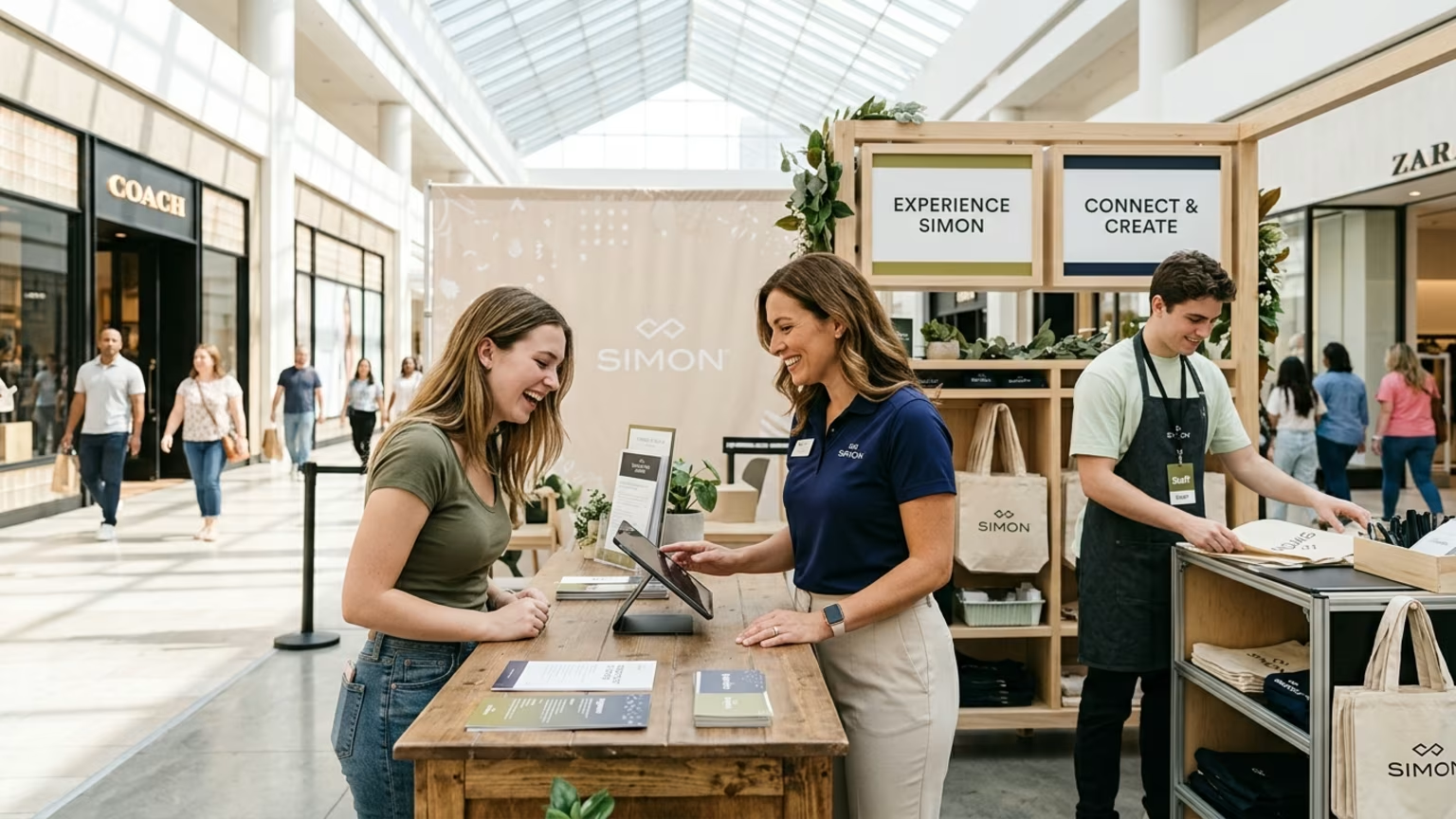
Field teams often support smaller local events that sit between demos and full brand activations. These events fit into the work described in Brand activations. How to plan pop ups people actually visit and Event permits and logistics. City by city checklist for smooth activations.
Choosing the right events
- Check that the audience matches your target shopper.
- Confirm that there is a clear way to tie back to retail.
- Review event rules for sampling, sales, and branding.
- Ask for expected attendance, past sponsor feedback, and load in details.
Pre event planning
- Secure permits or event approvals early.
- Plan your footprint, including tent, table, signs, and storage.
- Decide how you will capture leads, content, or feedback.
- Prepare a simple run of show for setup, live time, and tear down.
On site habits
- Arrive early enough to avoid rushed setup.
- Keep the space tidy and inviting throughout the event.
- Rotate staff between greeting, sampling, and reset tasks.
- Record quick notes about crowd flow and best time blocks.
Staffing and brand ambassador checklist
None of this works without the right people. Field managers spend much of their time hiring, training, and guiding brand ambassadors. The full playbook lives in Brand ambassadors. How to hire, train, and manage field teams, but this section gives a quick list to keep handy.
Hiring
- Look for people who are friendly, reliable, and comfortable in busy spaces.
- Confirm that they can lift, stand, and work the needed hours.
- Check past event or retail experience when possible.
Training
- Share a simple product one sheet and short talk track.
- Walk through setup photos and step by step instructions.
- Review key do and do not points such as dress code and phone use.
- Practice common shopper questions and how to answer them.
On going management
- Send clear confirmations with time, address, and contact details.
- Ask for a photo of the setup at the start of each shift.
- Give quick feedback when something looks off so it improves next time.
- Recognize strong work in reports and team calls.
Reporting checklist for field work
Field work only feels real to leaders when they can see it in numbers and photos. A shared reporting format is just as important as a shared trade plan. It ties into the full framework in Experiential marketing reporting. How to measure ROI with clean data.
Information to capture every time
- Date, city, and store or venue name.
- Type of activity such as store visit, demo, roadshow, or event.
- Hours on site and number of staff.
- Samples served and estimated reach when relevant.
- Sales data or lift when available.
- Notes on display status and store feedback.
- At least one clear photo of the setup.
Turning reports into learning
- Group results by region and retailer for easy comparison.
- Share simple highlights with sales and brand each week.
- Tag strong stores or events that could handle bigger activity next time.
- Flag problem spots early so strategy can shift.
Using this checklist across your full plan
Field marketing managers sit at the center of store reality, brand plans, and live experiences. A simple checklist makes it easier to serve all three without burning out. You can print the sections of this post or copy them into your own tools, then adapt them for your categories and markets.
If you want to connect field checklists with larger experiential plans, have a look at posts like Trade show strategy. How to book real meetings and pipeline, Event permits and logistics. City by city checklist for smooth activations, and Experiential marketing brief template. How to set up agencies for success.
When your team is ready to link store visits, demos, roadshows, and mobile tours into one national plan, you can review the service pages for retail demonstrations, Costco roadshows, and engagement marketing, then request a proposal or contact us. A simple checklist today can turn into a calmer, more effective field program next season.