Robbie Thain
Founder, CEO

A clear guide for CPG and beverage teams on when to use retail demos, Costco roadshows, mobile sampling tours, and pop ups, plus how to mix formats and measure impact.
.avif)
Quick answer: Start with your goal, then choose one main sampling format that fits store size, budget, and timeline. Retail demos are best for steady trials and lift in key accounts, club roadshows for volume and retail proof, mobile tours for coverage and content, and pop ups for buzz. Mix them only when you can staff, ship, and report cleanly.
Digital can drive clicks. Shelf can drive impulse. Live sampling changes how people feel. A short taste or sip lets shoppers decide on the spot whether your product belongs in their weekly habits. That is why many brands still rely on demos, club roadshows, and tours even with strong media plans. Sampling done well creates proof, stories, and data you can share with buyers.
Most CPG programs fall into a few clear buckets. Knowing how each one behaves helps you choose the right one for your launch or push.
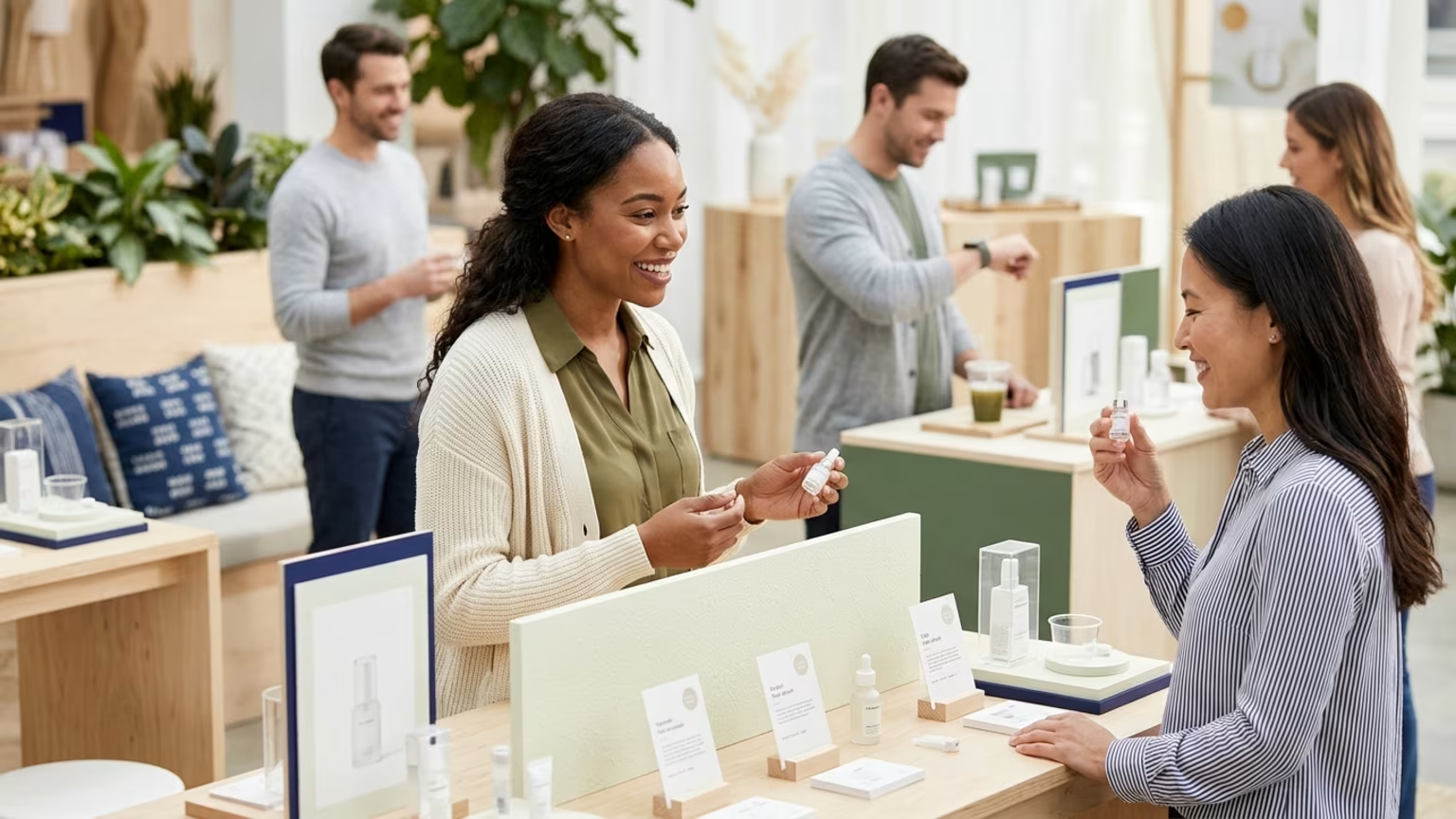
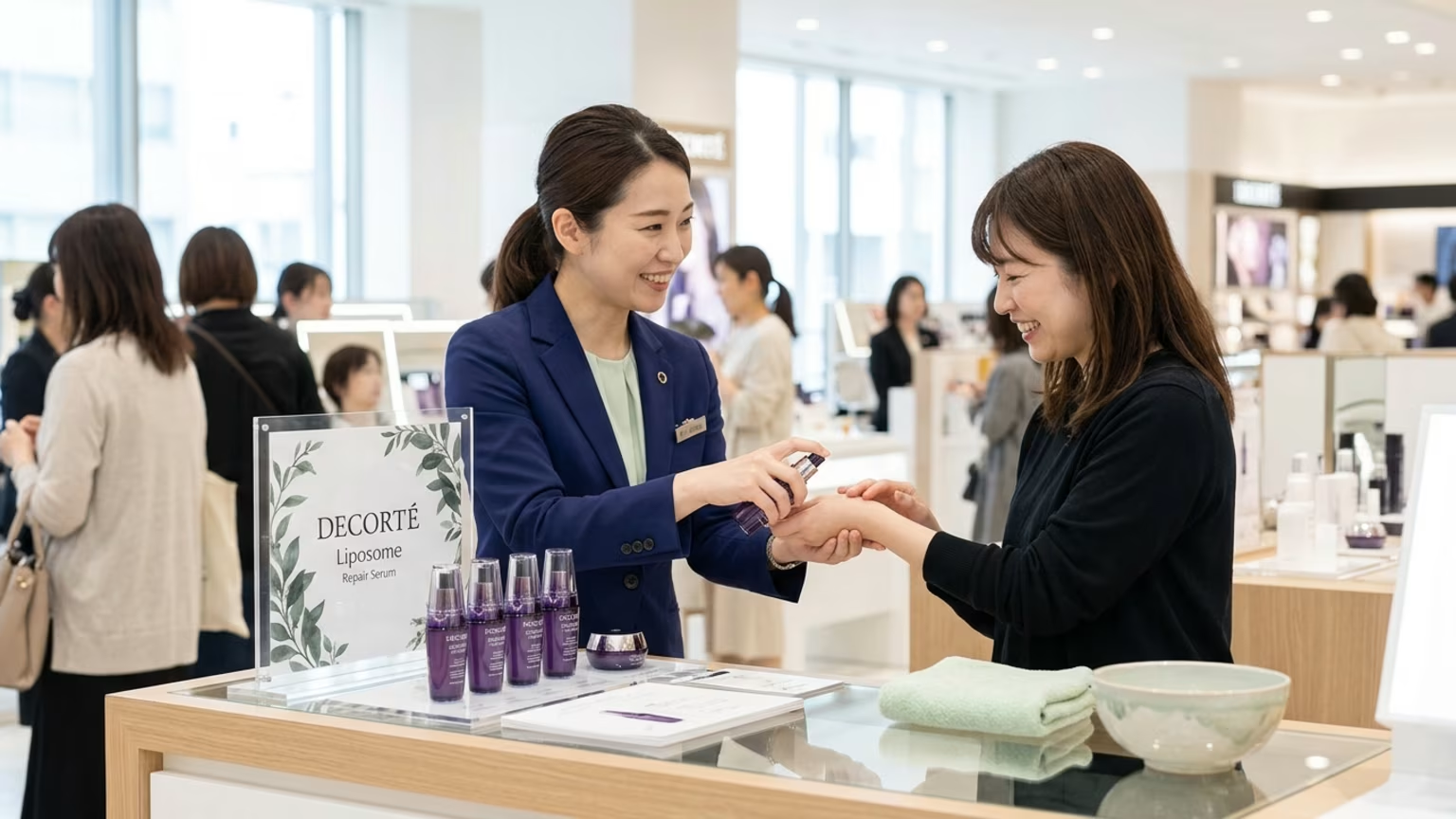
One table, one store, one shift. A brand ambassador runs a small setup in front of the shelf or in a high traffic aisle. This is the core format covered in Retail demonstrations and in the guide Retail demonstrations. How to turn tasting into sales lift.
Club formats turn volume up. One or more days in a club store with high traffic and strong appetite to sample. Programs like these are described in Costco roadshows and the guide Costco roadshows. Guide to planning sampling at scale.
Mobile tours use vans or trailers to bring the brand to cities, events, and neighborhoods. They can support retail, online, or brand campaigns. Makai builds these in Mobile sampling tours and shares route tools in Mobile sampling tours. Route planning and permits made simple.
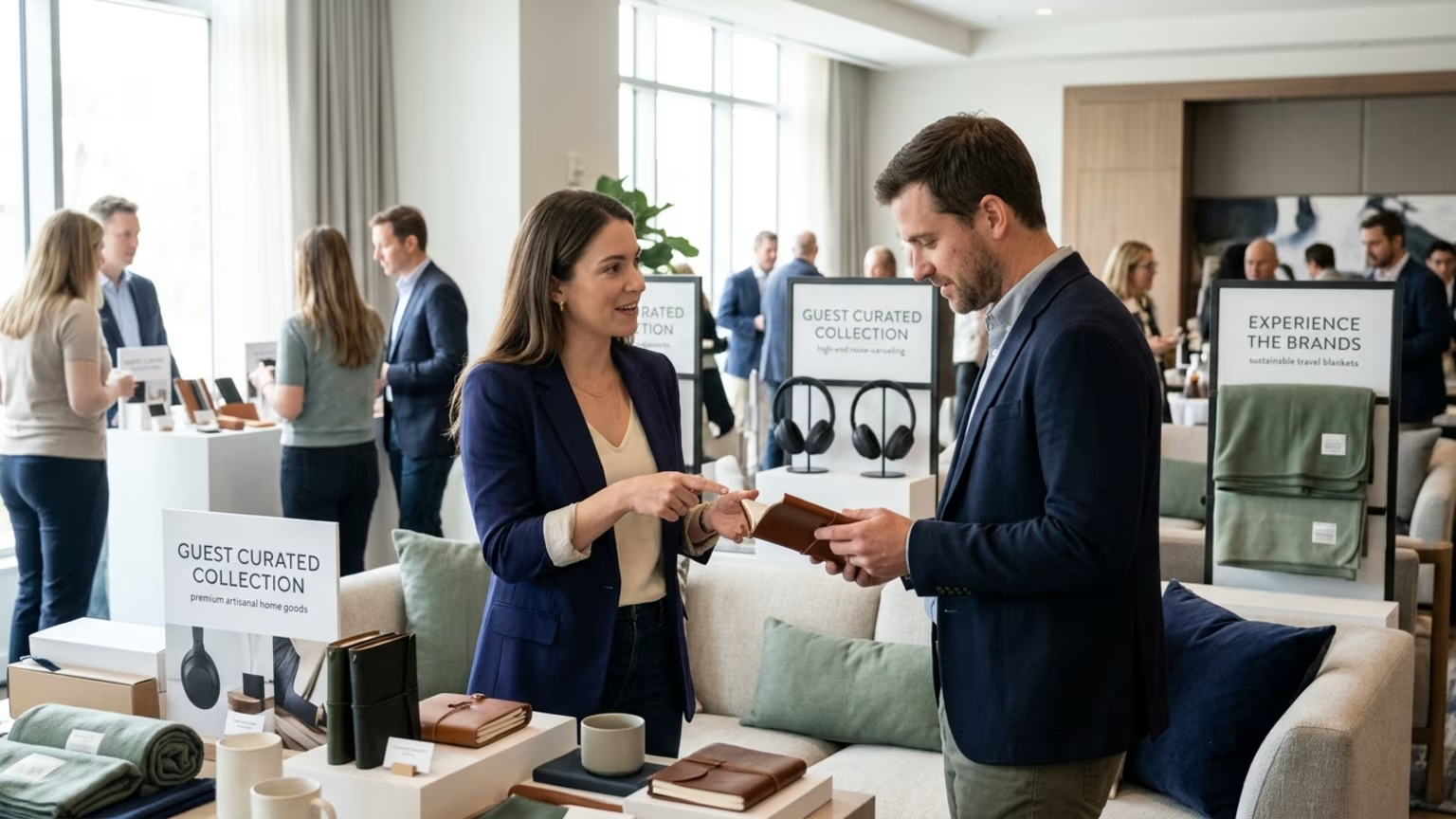
Pop ups and activations are flexible setups in plazas, parks, or private outdoor sites. They can support launches, holidays, or retailer tie ins. The playbook is in Brand activations. How to plan pop ups people actually visit and supported by Engagement marketing.
Before you pick a format, write one line in plain words. This line should fit on top of your brief and recap decks.
When the line is clear, format choice is easier and debates get shorter. If the team fights about formats, return to the line and ask which option serves it best.
You can think about four main outcomes. Trials, velocity, proof for retail, and learning. Each one maps better to some formats than others.
If you want many people to taste and buy now, focus on retail demos or club roadshows.
Make sure inventory and displays support the plan. Sampling without stock or with weak placement turns wins into frustration.
Buyers care about how your product moves. Use live sampling to create a clean story for them.
Pair these numbers with photos from the aisle or floor. Sales decks feel stronger when leaders can see how the program looked.
Mobile tours and pop ups shine when you need to be seen in many spots or want to reach people who may not yet encounter you in store.
These programs benefit from simple digital bridges. Short codes, social handles, and finders that link the moment back to retail or online.
If you are testing flavors, pack, or pricing stories, choose formats that allow calmer conversations.
Give ambassadors short, structured questions and simple ways to collect answers. For measurement templates, see Experiential marketing reporting.
You do not need every format at once. Many strong CPG brands use a simple ladder approach.
Each step should scale only when the earlier one has learned something. Copy what works, not what looks big in photos.
Sampling cost is more than cups and pay rates. Each format has a different budget shape.
Ask for a clear model that shows how cost per sample and cost per store change when you add days or locations. Tie spend to realistic trial goals and sales targets instead of pushing for volume without support.
Live programs succeed or fail on human work. Retail, club, tours, and pop ups each ask for slightly different strengths.
In every format, give crews a simple talk track, allergen notes, and a clear ask. For staffing systems and habits, read Brand ambassadors. How to hire, train, and manage field teams.
No matter which format you pick, leaders need a quick view of what happened. Keep reporting simple so it gets filed and read.
Use the same view for every format. When club, retail, and pop ups share a reporting structure, patterns are easier to spot. The full framework lives in Experiential marketing reporting.
Most of these problems come from skipping the one line goal and jumping straight into tactics. Return to that line when conversations drift.
You can see sampling mixes in the Makai case studies. Each brand chose formats that matched its stage and goals.
If your brand is still finding its footing on shelf, retail demos in key accounts are usually the first step. Club roadshows make sense when your pricing, pack, and operations are ready for large volume and you can support big days without stockouts.
For a small CPG team, even ten to twenty well chosen stores can show patterns if you log lift and questions. The key is clean data and clear control periods, not huge store counts.
Tours are great for reach, stories, and support for regional retail, but they do not remove the need for sampling near the shelf. In practice, strong brands blend both. Tours open doors and create buzz. Retail demos turn local interest into steady sales.
Very important. Even one wide photo and one product close up per day help sales, brand, and social teams share what is working. Content should not block service, but it should not be an afterthought either.
Start narrow with a simple format. A handful of retail demo days in perfect fit stores can teach more than a scattered program. When you have proof, you can scale into roadshows, tours, or pop ups with more confidence.
Ready to choose the right sampling mix for your next launch. Start by writing your one line goal, then review the format pages for retail demonstrations, Costco roadshows, mobile sampling tours, and engagement marketing. When you want dates, routes, and store lists on the calendar, request a proposal or contact us. For a view of active regions, visit Where we work.

30 Years Experiential & Retail Activation Partner for CPG & Beverage Brands | Multi-Market Demos, Roadshows & Costco/Club Programs That Actually Sell