Robbie Thain
Founder, CEO

Plan consistent brand ambassador execution with role-based staffing, practical training, escalation ownership and clear CRM reporting definitions.

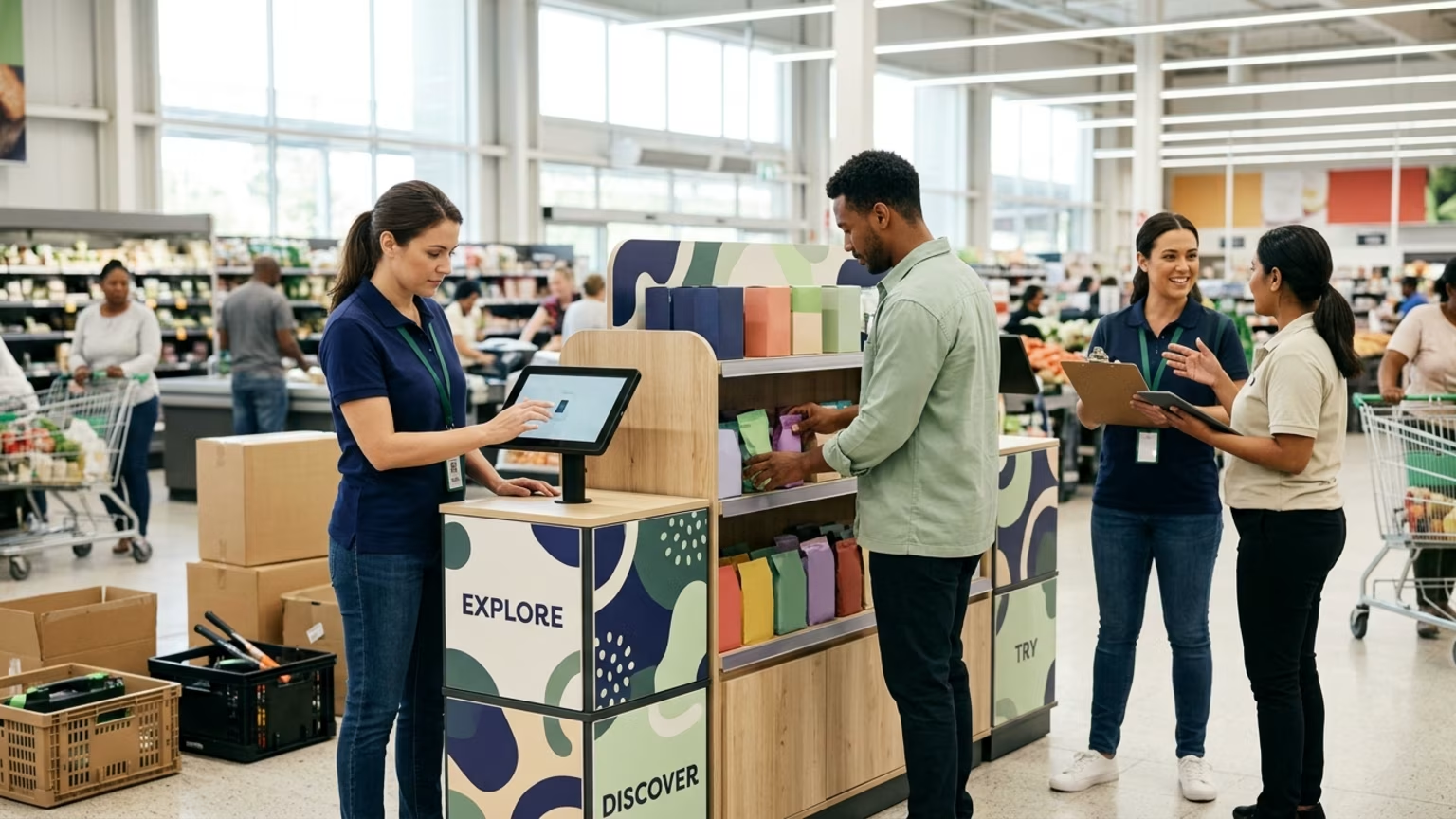
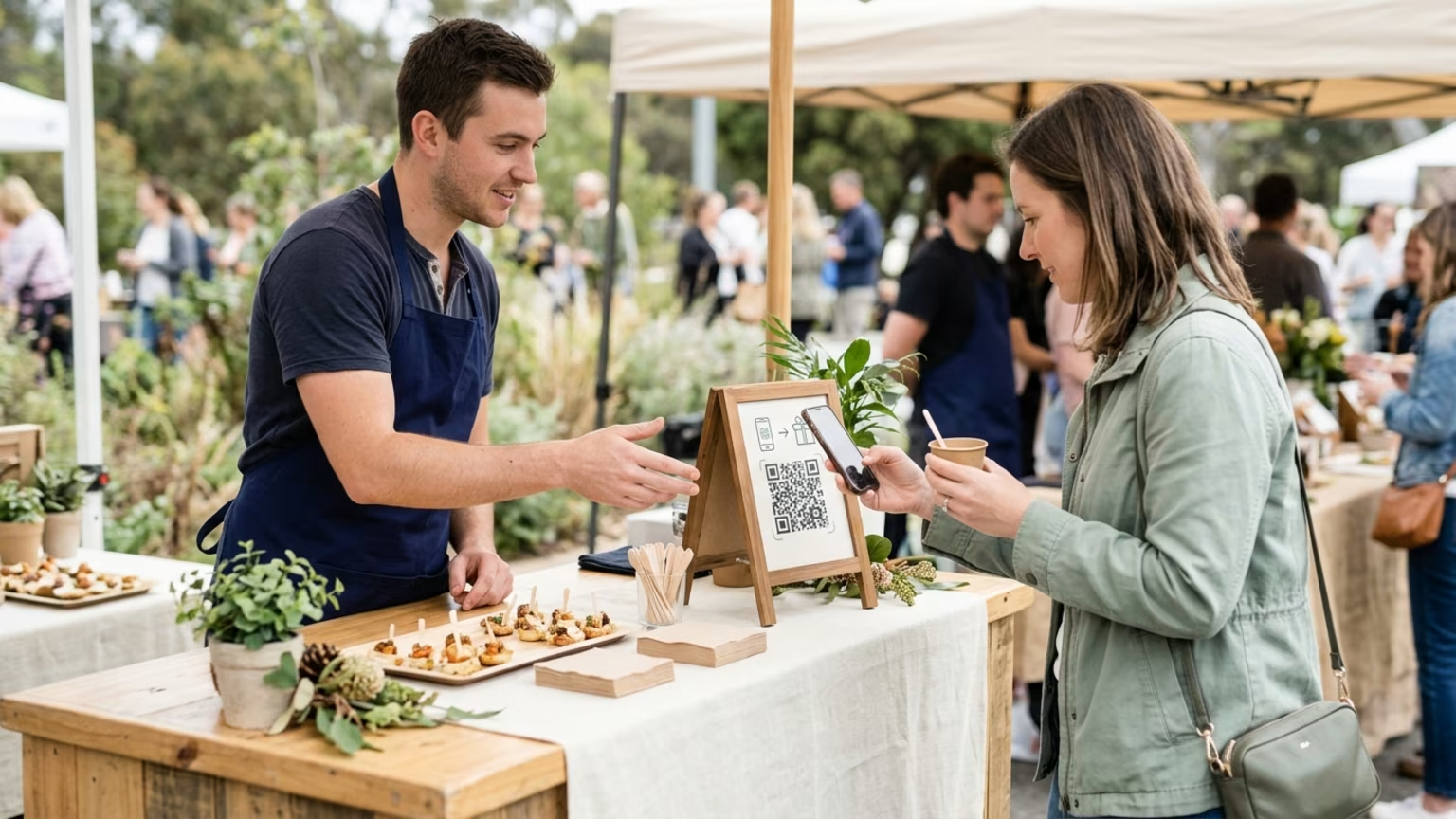
Keep approved product facts and role boundaries consistent, then give ambassadors room to deliver them through natural conversation. Support that foundation with observed practice and clear escalation ownership. Makai’s retail demonstrations center on trained brand ambassadors, real conversations and product trials. Operational discipline should support that human connection rather than replace it with a rigid script.
The Drum reported that Spiro’s 2025 Experiential Marketing Impact Report: The Deeper Dive surveyed 2,000 live-event attendees. Of those respondents, 43% said knowledgeable staff increased their trust in a brand.
That is a self-reported response, not proof that staffing alone caused trust or sales. The operational recommendations below are practitioner guidance rather than a validated staffing formula.
Across our history, we have delivered more than 1,000 campaigns in all 50 states for more than 200 brands. That range includes different products and retail settings rather than a single activation format. Our view is straightforward: consistency means protecting the facts while giving the person delivering them room to listen.
Preparation reaches beyond the staffing roster. Makai runs experiential and engagement programs coast to coast with local crews, logistics and permit expertise. Those capabilities connect the people representing the product with the operational work surrounding them.
Keep permit ownership in the operating plan. The ambassador brief should identify who handles operational questions rather than leave consumer-facing staff to interpret approvals. Treat that brief as a reference for responsibilities, not as authorization to operate.
An agency staffing guide recommends sizing crews around interaction duration and peak demand. Its planning guidance also accounts for setup and breaks alongside replenishment and supervision.
Translate that approach into questions about the actual work:
The same guidance recommends a short reference sheet covering approved claims and the demonstration sequence. Purchase information and escalation contacts belong there too, alongside shared reporting definitions.
For the wider operating plan, connect those responsibilities to the realities of each retail setting. The useful planning question is not simply how many people are available. It is whether the planned crew covers the work the experience requires.
Evaluate candidates against the interaction they will need to handle. A brand-ambassador hiring guide recommends role-play based on a product brief. It suggests assessing how candidates respond to a skeptical visitor and whether they stay within approved claims. It also suggests a paid trial shift or campaign where appropriate.
For us, aloha means being approachable and attentive while staying accurate. It is a human-centered stance, not permission to improvise product benefits. A welcoming conversation and a disciplined answer belong together.
A useful role-play therefore asks more than whether a candidate sounds confident. Can they explain the product clearly? Can they handle an unexpected question without inventing an answer? Do they recognize when the conversation needs an escalation contact?
A brand-ambassador operations guide recommends sending a concise brief in advance and walking staff through it. It also recommends hands-on product training where suitable, followed by questions that check understanding.
The staffing guidance adds observed demonstrations rather than relying only on written training. Together, these recommendations support a practical distinction: receiving the brief is not the same as showing readiness to use it.
The shared material can cover:
Leave the exact phrasing flexible within those boundaries. That preserves space for a real exchange without changing what the brand can accurately say. For further planning, focus on practice conversations that test field readiness.
Our team’s in-store snack launch work offers a reminder of the human purpose behind that preparation. A Director of Brand Strategy in the CPG snack division shared: “The Makai team turned our product launch into a sensory event that shoppers still talk about. From creative storytelling to flawless in-store execution, they made snack time unforgettable. We couldn't have asked for a stronger partner.”
Return on Investment (ROI) requires a different reporting question from “How many people stopped?” The planning question is what happened during the interaction and how that outcome will be represented after the event.
Makai’s end-to-end services extend from permitting to CRM reporting. That scope puts field execution and post-event measurement in the same planning conversation. It does not make every consumer interaction a qualified lead.
The staffing guidance recommends agreed reporting definitions and review of field reports. Apply that principle to the handoff from a face-to-face conversation to a CRM record:
The CRM entry should reflect the agreed outcome rather than merely indicate that someone visited. A qualification definition belongs in the planning discussion, not in an ambassador’s improvised judgment on the floor.
Technical routing belongs in the CRM implementation plan. The staffing brief needs the reporting definitions and ownership that make that routing meaningful.
Keep the commercial claim equally disciplined. Samples distributed and leads recorded describe different outcomes. Neither should be presented as a financial return simply because the activation looked busy.
The contingency plan should start with named decision-making authority. Agency staffing guidance recommends clear role boundaries and escalation contacts. It also recommends reviewing interruptions and stockouts in reporting.
Apply those principles to the function that has been lost, rather than asking the remaining team to improvise everything around it.
Identify the uncovered responsibilities and take the gap to the operational owner. Review break coverage and replenishment alongside supervision. Any revised assignment should remain within the team’s defined roles and product knowledge.
The decision is about what work can be covered accurately. Headcount alone does not answer that question.
Escalate the failed function to the named owner. Keep any continuing product explanation within approved facts. Do not invent a substitute demonstration or represent an incomplete reporting action as a completed lead.
Record the interruption and its effect on the activity being reported. If the reporting function is affected, distinguish known outcomes from records that still need review.
The operations guide describes spot checks and shift-report reviews alongside team-leader observations. The staffing guidance adds checks on message accuracy and visitor movement through the experience.
Use those observations to assess the revised operation, not just whether the space still looks active. For multi-stop programs, connect the contingency discussion to preventing repeat execution problems.
Work through a complete interaction from introduction to reporting. Identify the approved facts and the responsibilities surrounding that exchange. Then use observed practice to check whether the brief answers a difficult product question and an operational interruption.
The next research task is to confirm venue-specific permit requirements and the intended CRM handoff with their respective owners. Bring those answers back into the operating plan. That gives the staffing discussion a defined job to support rather than a headcount target in search of a purpose.
Consistent messaging alone does not answer whether live engagement produced commercial value; Makai addresses that gap through ambassador-led retail demonstrations centered on product trials and real conversations. For CPG marketers facing difficulty measuring event Return on Investment, Makai’s experiential campaigns focus on turning consumer interactions into qualified leads.

30 Years Experiential & Retail Activation Partner for CPG & Beverage Brands | Multi-Market Demos, Roadshows & Costco/Club Programs That Actually Sell