Robbie Thain
Founder, CEO

Connect product sampling to purchase availability, clear next steps, CRM routing and follow-up measurement with an evidence-informed operating plan.
The pre-event brief should connect physical readiness with data ownership. Makai’s integrated services run from permitting to CRM reporting. Our storage and logistics work includes nationwide shipping, tracking and delivery coordination for sampling products and event gear.
We believe that operational discipline matters because an activation has both a physical delivery plan and a commercial purpose. The brief needs to account for both.
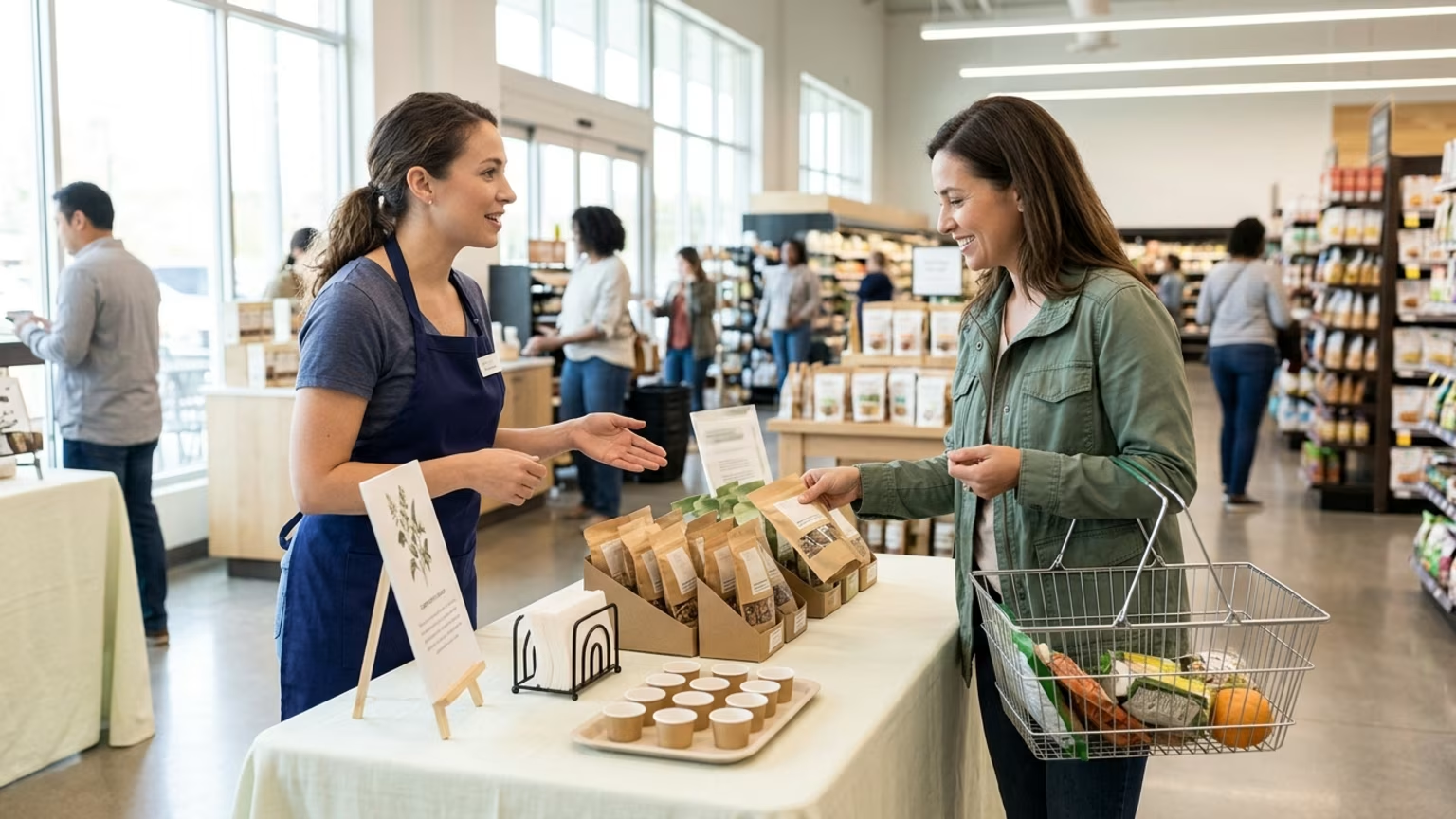
A retail sampling guide recommends confirming product availability before scheduling a demonstration. For an in-store activation, that means establishing where shoppers can find the product and buy it during their visit.
Treat sample supply and purchase availability as separate planning questions. Having enough product to distribute does not answer whether the shopper has a clear purchase opportunity. The brief should connect the trial location with the purchase location.
Keep permitting in the pre-brief rather than treating it as a last-minute production detail. For mobile formats, include vehicle staging in the logistics discussion alongside product and equipment delivery. Planning should also balance sample availability with waste and cost.
A practitioner guide to event measurement recommends defining how each KPI will be captured, who owns it and where the data will be stored. It also recommends placing measurement data in the CRM or marketing platform where the business outcome is tracked.
Translate that guidance into clear answers before opening:
Use this as a measurement framework, not a universal conversion formula. It sets no standard sales-lift benchmark or ideal follow-up window. Permitting and vehicle staging require their own operational plans; no site-specific procedure is prescribed here.
The supported method connects trial with a purchase opportunity and then records the actions relevant to the campaign objective. It does not require every shopper to become a lead or every campaign to use the same scorecard.
Our reporting covers reach, trials, leads and sales to guide campaign optimization. We track awareness, engagement and conversion so the review can connect the brand interaction with business outcomes. For this playbook, the useful distinction is between what happened at the sampling station and what happened next.
Two failure points deserve particular attention: a purchase path that was never made practical and tracking that stops before the commercial outcome.
A sampling station can fulfill its distribution goal while leaving the purchase opportunity unresolved. The planning mistake is treating sample inventory as evidence of retail readiness.
The corrective question is concrete: where can this shopper buy the sampled product during this visit? Answer it in the brief and carry that answer into the demonstration. Product availability and a clear purchase location are part of the experience design, not an appendix to the sample count.
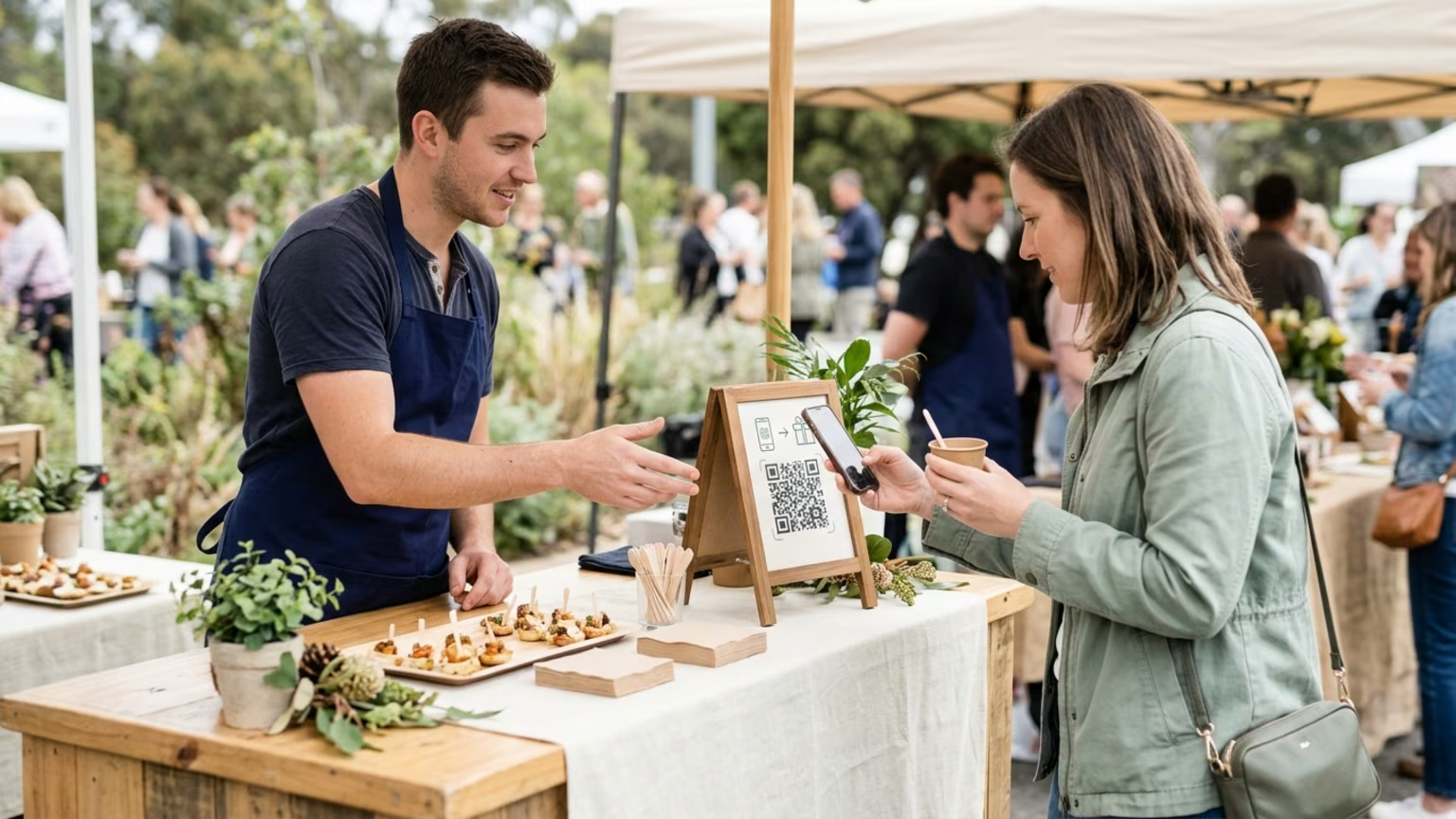
For mobile and street formats, define the intended next action just as clearly. If that action happens later, the measurement plan needs to follow it beyond the distribution point.
The tracking mistake is not simply using paper instead of a device. It is capturing an interaction without deciding where the record goes or who acts on it.
A separate spreadsheet may contain activity data without connecting it to the system used for follow-up. That is the gap the practitioner measurement guidance addresses. Assign capture ownership and storage before the event rather than asking the reporting team to reconstruct the handoff afterward.
Also resist turning every positive conversation into a qualified lead. Match the record to the action actually captured: feedback, an opt-in, a redemption or a purchase.
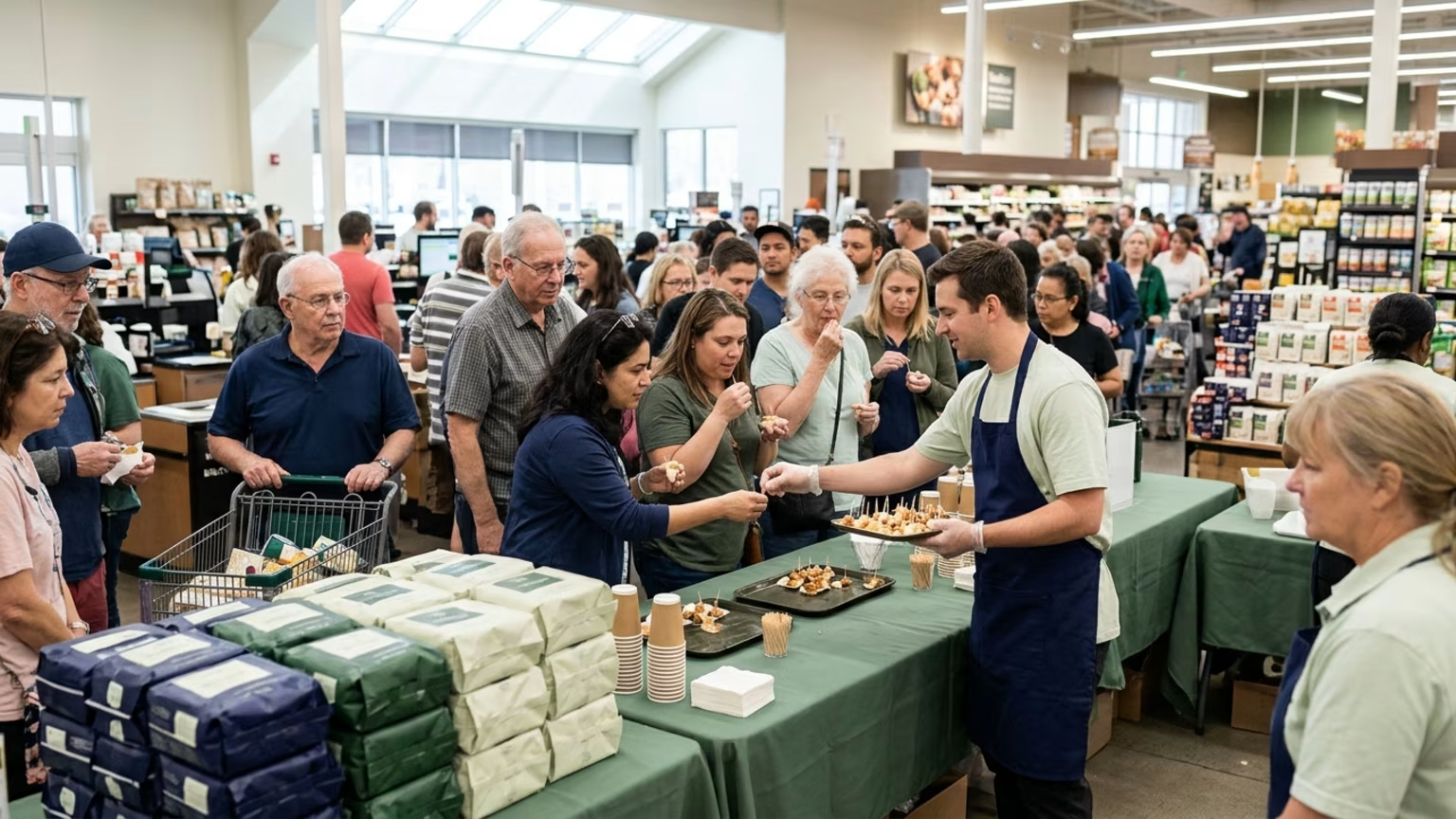
We managed a four-week, multi-market Costco sampling program for Pulmuone’s PlantSpired line. The program delivered more than 65,000 samples and recorded an 18 percent sold-to-sale rate.
The useful lesson here is the pairing of distribution with a sales-related outcome. The sample total describes the program’s trial volume. The reported sold-to-sale rate adds a different piece of commercial information.
Keep the measure’s original label when discussing that result. Do not silently turn it into shopper conversion or incremental sales lift. For a campaign review, the practical discipline is to keep the trial measure and the sales measure visible together without treating them as interchangeable.
That is a more useful reporting conversation than asking whether the sample count alone was large enough.
Watch what happens after the immediate interaction. The event-measurement guidance includes later engagement among opted-in consumers as well as offer redemption and retail sales comparisons.
Set and disclose the follow-up period in the campaign plan. Then review whether the intended next action happened within that period. Keep later engagement separate from immediate purchase so the report preserves the sequence of events.
The next operating decision should follow the evidence. If trial volume is recorded but the purchase opportunity remains unclear, revisit availability and purchase direction. If opt-ins are captured but later engagement is not being measured, revisit the data owner and reporting handoff.
What to watch next: whether the campaign record stays connected from the sampling location through the next measured action. That connection deserves attention after the event team has packed up.
Defining the shopper’s next action comes before staffing the demo; Makai handles retail demonstrations through trained brand ambassadors, real conversations and product trials. For CPG marketers facing inefficient post-event follow-up and CRM routing, Makai’s experiential campaigns and trade show activations focus on turning brief consumer interactions into qualified leads.

30 Years Experiential & Retail Activation Partner for CPG & Beverage Brands | Multi-Market Demos, Roadshows & Costco/Club Programs That Actually Sell