Robbie Thain
Founder, CEO

Mars is weighing immersive retail with retailers. Makai examines the staffing, space and measurement questions behind the plan.
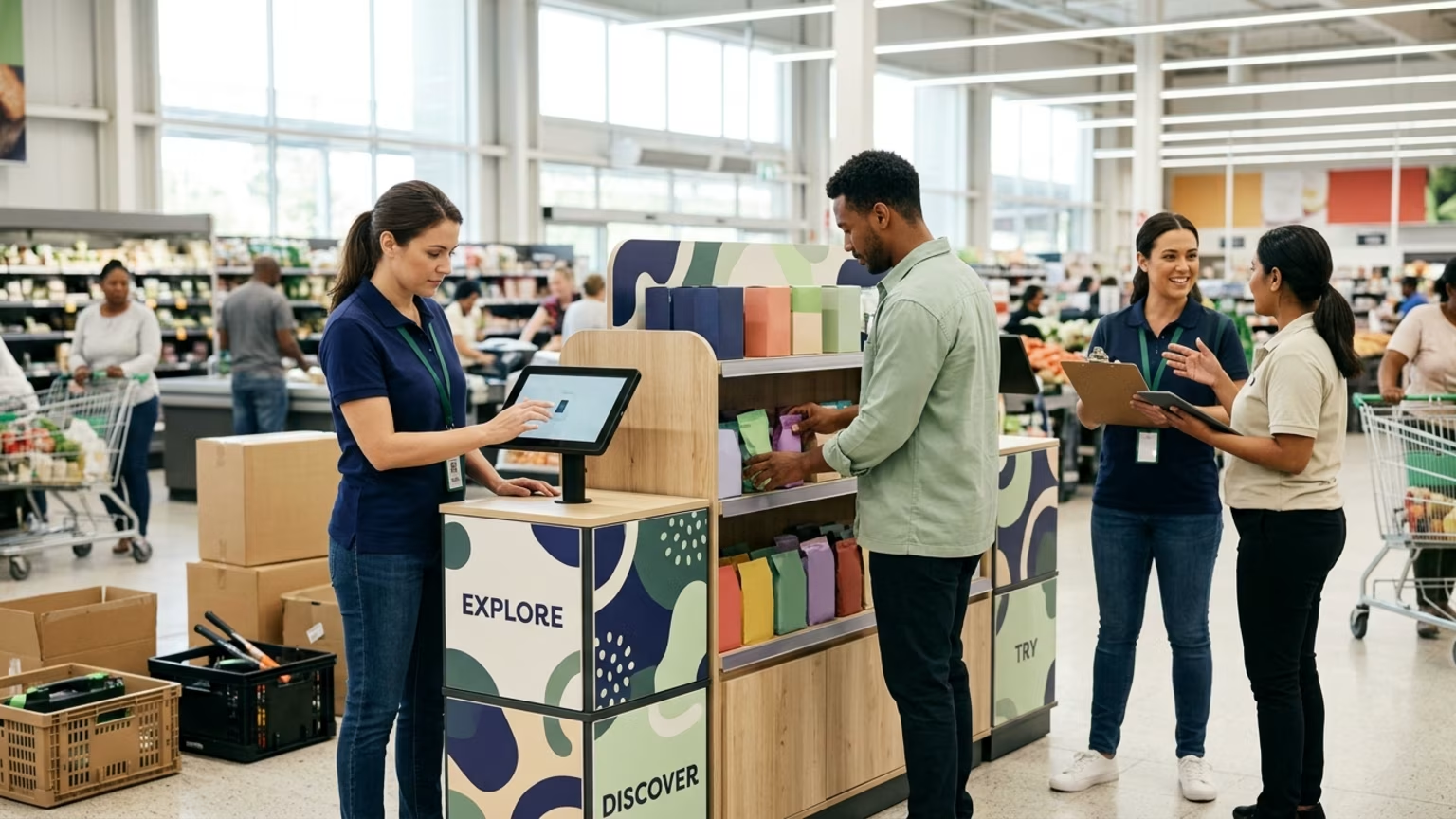
On November 11, 2026, Digiday published an interview in which Mars Snacking’s global chief customer officer Neil Reynolds described Mars’s plans to pursue AI commerce while exploring immersive retail destinations with retailers.
For CPG and beverage leaders, that puts a familiar field challenge inside a new commerce debate. In our view, physical engagement needs a clear commercial job even as brands prepare for more automated purchasing.
According to Reynolds’s Digiday interview, Mars is pursuing parallel road maps. One concerns whether AI shopping systems can find its brands and support conversion. The other concerns retailer partnerships around more immersive experiences for snacking.
Reynolds described ongoing “store of the future” conversations with leading retailers. He also said Mars is working to establish baseline data on how its categories and brands appear in large language models.
Mars’s Future Snacking Shopper Journey analysis supplies the strategic context. The company says its work with Kantar and Synthesis drew on more than 180,000 global data signals across four continents. It organizes future shopping demands around “Effortless,” “Personal” and “Experiential.” Mars also reports 15.3% year-over-year growth in immersive brand spaces within that analysis.
Kantar offers a useful adoption check. Its September 2026 Commerce Barometer synthesis found that 28% of U.S. shoppers were comfortable with AI purchasing on their behalf. Our reading: prepare for delegation without treating it as the default behavior of every shopper.
The evidence has clear boundaries. Mars’s analysis is company-led forecasting based on research inputs rather than a consumer survey or controlled sales test. Digiday’s reporting describes plans and retailer discussions without a specific format, launch timetable or activation budget. Neither source establishes sales lift or increased impulse buying from the proposed destinations.
For Makai, the response is not to make physical marketing louder. It is to make the encounter worth a shopper’s attention and connect it to a meaningful action. Aloha belongs in the welcome. Discipline belongs in the plan that turns a friendly moment into a product trial or qualified conversation.
We create experiential programs that connect emotion with action through creativity, strategy and data. Our experiences engage all five senses so people can feel a brand rather than only see it. That positioning matters here because an immersive environment should have a commercial purpose beyond looking impressive.
For a beverage or snack brand, that purpose might be product trial or a conversation that establishes genuine interest. For a trade show team, it might be a qualified lead with a defined follow-up path. We believe creative work and commercial intent belong in the same brief rather than in separate presentations.
We managed a four-week, multi-market Costco sampling program for Pulmuone’s PlantSpired line. The program delivered more than 65,000 samples and recorded an 18 percent sold-to-sale rate. Its relevance to this story is the connection between a defined sampling program and a purchase measure. That is the kind of operational clarity we believe belongs behind ambitious retail creative.
Our mobile activations and roadshows are built for 90-day product launch windows. We design them to accelerate trial and build consumer trust while supporting retail velocity. For us, the useful lesson for a retail destination is continuity: the experience needs a purpose beyond its opening moment. A launch brief should connect the immediate encounter with the longer commercial task rather than treating attendance as the finish line.
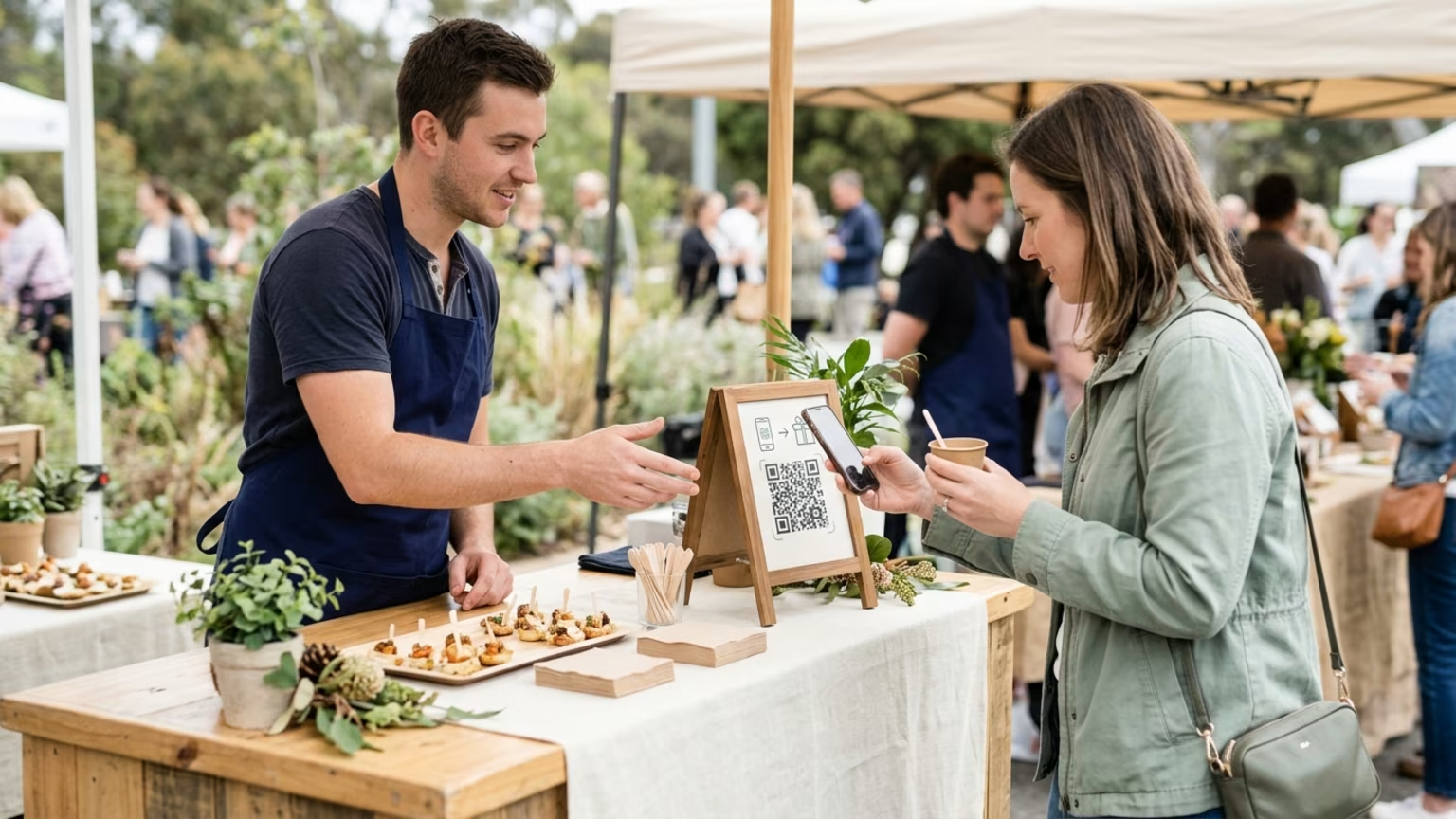
We also integrate QR codes and mobile technology across retail experiences, events and tours. Those tools connect physical participation with digital interaction. In our view, they should support a relevant next step instead of becoming another task placed between a person and a product.
This starts with shared retail objectives. A retailer partnership should shape what the experience is trying to accomplish before the brand decides how much equipment or space to bring.
Reynolds told Digiday that Mars is setting up “One Demand performance squads.” He described those teams as bringing brand and insights colleagues together with key-account, category and agency colleagues. For other CPG operators, our takeaway is straightforward: the operating owner belongs in the creative conversation.
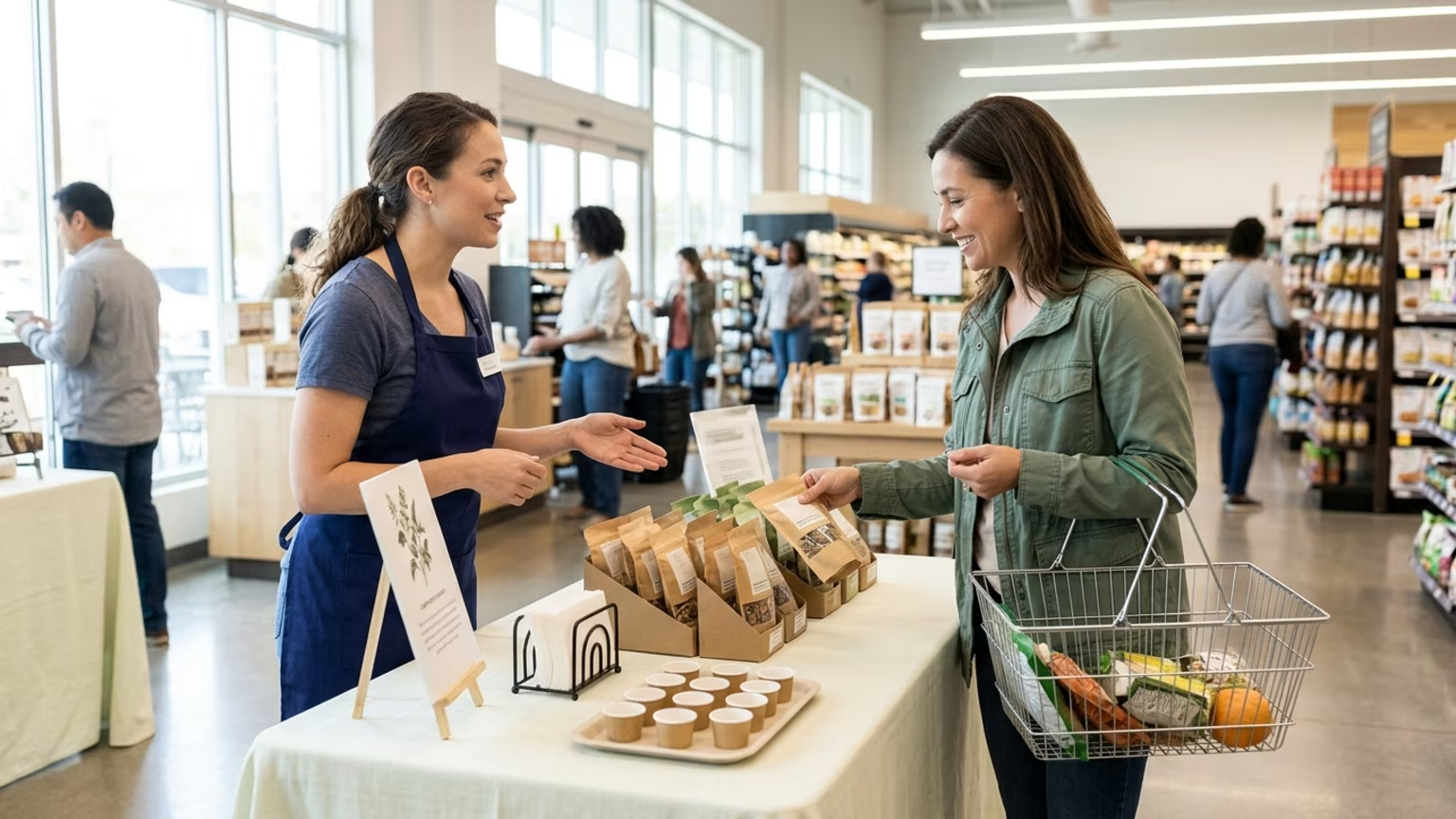
Makai’s retail demonstrations use trained brand ambassadors for product trials and real conversations. That capability is directly relevant to an experience-led brief. A staffing plan should describe the interaction the brand wants, not simply the number of people needed to occupy a footprint.
Our recommendation is to make product explanation and the intended next action explicit in the brief. If a concept combines sampling with digital participation, the team needs clarity about how those activities fit together. Adding technology to the environment should not substitute for deciding what the ambassador is there to do.
Makai’s integrated services extend from permitting to CRM reporting. We see permissions and retailer alignment as part of the experience itself, not as cleanup after a creative concept is approved.
For an immersive retail proposal, the planning discussion should establish the proposed use of space and ownership of any applicable permissions. The field brief should distinguish creative ambition from what the retailer has agreed to accommodate. Retailer collaboration should govern the footprint rather than be reduced to a final approval request.
At trade shows, Makai plans and manages spaces designed to attract attention and start conversations that can become customer relationships. Our interpretation of the Mars discussion is not that every booth needs to become a retail destination. It is that the physical environment deserves a defined role within the wider buying journey.
The practical design question is how product trial and conversation fit within the agreed footprint. A digital next step belongs in that same discussion when it is part of the concept. We recommend treating those activities as connected parts of the experience rather than adding them to the floor plan after the visual design is finished.
Makai stores sampling products and event gear and coordinates shipping, tracking and delivery nationwide. That is the less visible side of a hands-on encounter. An experiential concept still needs the product and equipment that make the interaction possible.
For a multi-market program, our recommendation is to bring delivery ownership into the same brief as staffing and retailer coordination. Physical execution planning deserves the same attention as the headline creative. A concept should be evaluated as something a team can deliver, not only as something an audience might enjoy.
Mars’s effort to establish AI visibility baselines offers a useful planning principle for physical work: decide what will count before interpreting performance. For CPG leaders, the comparable discussion is about the intended action and how it will be recorded.
Makai’s positioning centers on face-to-face experiences designed to generate measurable sales pipeline. Our view is that trial activity and qualified leads should not be treated as interchangeable outcomes. A clear link between the encounter and retail follow-through gives the team a more useful evaluation brief than a broad promise of immersion.
For a lead-focused activation, the brief should name who receives the contact and what makes the lead qualified. For a retail demonstration, it should define the purchase-related measure alongside the sampling activity. These are different reporting jobs. We believe the choice should shape the experience before creative production begins.
The next move for a CMO or VP of Marketing is to bring the retail partner conversation and the field operating brief together. That means defining the role of the human interaction alongside the role of AI commerce. Creative ambition should have a named operating owner and a stated commercial purpose.
The opening scene in the Digiday interview was a discussion about two parallel road maps. The sharper planning challenge is making the physical one concrete enough to execute and evaluate.
When your next retailer conversation turns from AI shopping to an immersive experience, who will own the path from a shopper’s first product trial to a measurable next action?
Brand managers carry the daily work of translating immersive retail ideas into consumer experiences; Makai brings hands-on brand moments and emotional connection to that brief. Makai builds experiential campaigns and trade show activations designed to turn consumer interactions into qualified leads for premium CPG brands.

30 Years Experiential & Retail Activation Partner for CPG & Beverage Brands | Multi-Market Demos, Roadshows & Costco/Club Programs That Actually Sell