Robbie Thain
Founder, CEO

Choose a CPG activation format by audience, product availability, and objective, then plan staffing, lead routing, measurement, and contingencies.
The best CPG activation format is not the one that attracts the biggest crowd.
It is the one that reaches the right audience and supports a clear next action.
That choice starts with the campaign objective, product availability, and the operating plan.
For a CPG team, the practical question is whether the experience should support an immediate purchase, reach consumers across locations, or create a qualified business conversation. Choose the format around that job before committing to the footprint or creative concept.
These are planning recommendations, not a proven ranking. The available evidence does not provide a controlled comparison across all five formats.
Sparks and Event Marketer’s EventTrack 2026 reports that 61% of consumers are more inclined to purchase after attending a live event. It also reports that 85% of surveyed B2B attendees feel more educated after an in-person event. Those are reported attitudes, not measured sales increases or evidence that one format delivers better Return on Investment (ROI).
Our experience also shows why format and outcome need separate descriptions. We ran the Little Debbie Share a Smile Tour across 21 markets using a branded truck, trailer, and Cupcake Smart Cars. We distributed 224,534 cupcakes across the tour. That documents the program’s sampling activity, but the distribution count alone does not establish incremental retail sales.
The format decision does not determine the specific permits or setup approvals a site requires. Treat permission to operate as an unresolved planning item until the proposed activity and location have been assessed.
Makai’s integrated services span permitting through CRM reporting. Our storage and logistics services include storing sampling product and event gear, then coordinating shipping and nationwide delivery tracking. Those capabilities connect the visible experience to the operational work behind it.
A useful preparation brief separates three questions:
For a retail-focused program, product availability belongs in this discussion before the activation is finalized. A location can fit the audience while leaving the intended purchase step unresolved.
Our guide to matching the setting with shopper intent offers a useful next layer of planning. The point is not to choose between creativity and logistics. It is to make the proposed experience answerable to both.
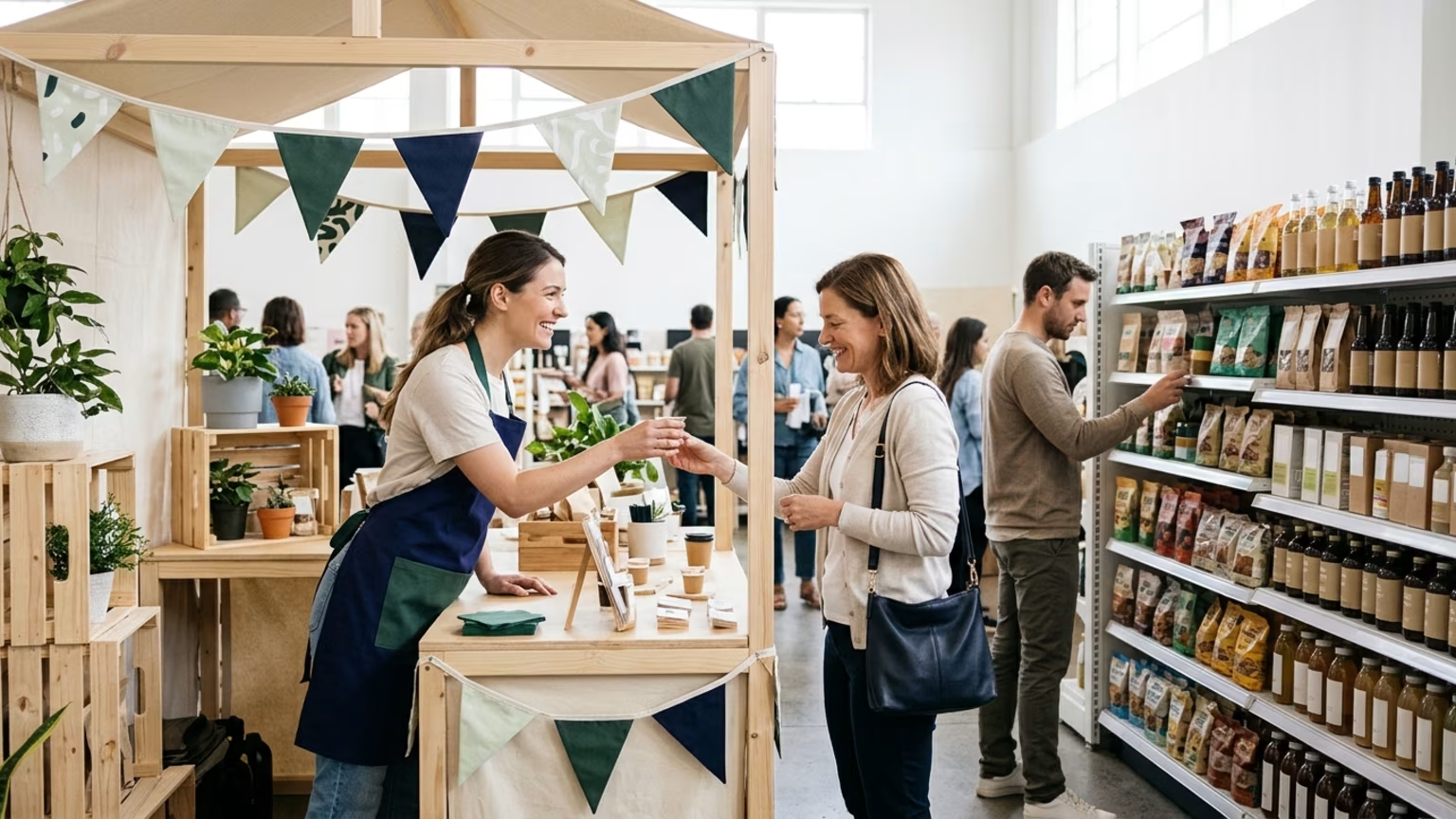
Ambassador preparation should connect the human conversation to the purpose of the activation. A retail demo and a B2B trade show may both involve product trial, but the intended next action can be different.
For us, aloha means warmth without pressure and respect for the person’s attention. It is an approach to human connection, not a substitute for commercial clarity. Makai’s positioning brings those priorities together through hands-on experiences designed to connect emotionally and generate measurable opportunities.
A useful staffing brief asks what the ambassador needs to help the participant understand. It also asks what action would make the interaction useful. For a retail demo, that may center on product trial and an available purchase opportunity. For a trade show, it may center on education and a relevant follow-up conversation.
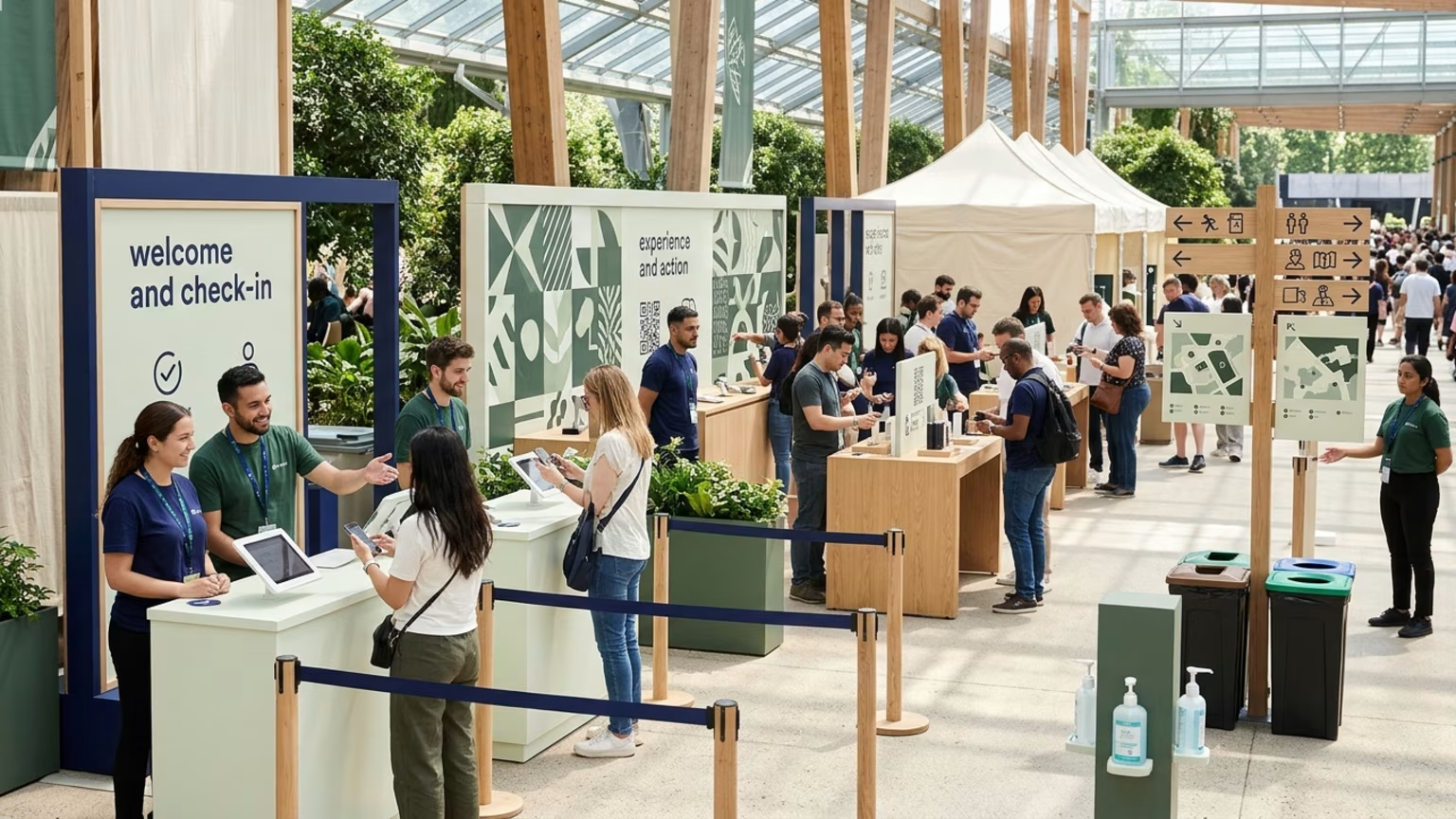
At Natural Products Expo West 2025, we designed and managed a 40 by 20 foot trade show environment for Glanbia. The space brought think!, Isopure, Optimum Nutrition, and Amazing Grass into one coordinated environment. We handled concept, operations, staffing, and breakdown.
More than 14,000 recorded product samples were distributed across the activation stations. The staffing lesson is about coordinating a shared environment across distinct brands. That sample total records activity; it should not be presented as a qualified-lead total.
Measurement starts before the physical handshake. Event Marketer’s coverage of GPJ’s Experience Intelligence System describes an approach built around aligning objectives, KPIs, and data capture before an event.
For format selection, that means defining what evidence the campaign should produce before deciding how impressive the experience should look. Sampling reach and qualified pipeline are different objectives. They need different records.
The handoff from conversation to CRM can be framed as a planning sequence:
This is a planning framework, not a prescribed software integration or a claim about Makai’s internal CRM configuration.
GPJ’s decision-science director, Mike Paglia, also describes client interest in tracking groups of stakeholders from the same organization. Event Marketer reports that some clients want to understand whether those groups return or take actions that help demonstrate a shorter lead lifecycle.
For CPG teams, the implication is to match reporting to the actual buying process. A retail-purchase objective needs purchase evidence. A B2B objective needs relevant contacts and follow-up evidence. Our discussion of measurement beyond event headcount provides another planning reference.
A no-show or broken capture device tests the operating plan, not just the format choice. The field lead needs to distinguish what can still be delivered from what can still be measured.
Replacement staffing coverage and technical recovery require an event-specific contingency plan. This format comparison does not establish staffing substitutions or a technical failover procedure.
The useful planning questions remain tied to the objective:
We believe the field general’s priority is an honest assessment of delivery before an optimistic report of success. A reduced experience should not be described as unchanged. Missing qualification information should not become an assumed qualified lead.
The same discipline applies to physical logistics. Makai stores sampling product and event gear and coordinates shipping and delivery tracking nationwide. That is a defined operating capability, not a guarantee that every disruption can be prevented.
The contingency brief should therefore settle recovery responsibilities before the event. The reporting brief should preserve the distinction between the original plan and what actually happened.
Before selecting a format, write a short decision brief naming the audience and intended action. Add the product-availability constraint and the evidence needed to judge the result.
Then assess the candidate format against that brief. Leave unresolved permissions and recovery procedures visible rather than assuming the format solves them.
If the objective is still vague, work through the relationship between campaign goals and tactics before commissioning the execution plan. The next useful decision is the one that makes the campaign easier to deliver and more honest to evaluate.
Choosing between a mobile tour and a trade show means separating consumer trial from qualified-lead goals, and Makai works across both settings. For CPG teams facing low-quality trade show contacts, its mobile sampling experiences focus on trial and awareness while its trade show activations focus on qualified opportunities.

30 Years Experiential & Retail Activation Partner for CPG & Beverage Brands | Multi-Market Demos, Roadshows & Costco/Club Programs That Actually Sell