Robbie Thain
Founder, CEO

Learn how CPG brands drive growth by designing physical retail activations around consumer desires, transforming passive shoppers into active buyers.

Modern brand growth relies on architecting physical retail activations around deep consumer desires like daily rituals and shared moments. Translating these emotional drivers into precise field marketing strategies turns passive shoppers into active buyers.
A field marketing manager watches shoppers speed their carts right past a beautifully stacked endcap. The bright signage lists impressive protein counts, organic certifications, and zero sugar claims. Nobody stops to grab a sample or ask a question. The display looks flawless, but it generates absolutely zero emotional friction to halt the foot traffic.
This is the reality of modern retail and trade show floors across the country. Brands pour massive budgets into physical displays that read like technical manuals. A busy consumer simply does not care about your impressive ingredient list when they are rushing to finish their weekly shopping. They make purchasing decisions based on how a product fits into their actual life.
The disconnect happens when marketing departments prioritize product features over human behavior. Teams spend months perfecting package designs and nutritional profiles, completely forgetting the chaotic environment of the actual store. The result is a cold, clinical presentation that asks the consumer to do all the imaginative work. Shoppers are too distracted to translate a list of health benefits into a compelling reason to buy.
We handle every step of activation execution with precision and purpose, from initial concept through final logistics. Our comprehensive approach ensures that each program is designed to spark curiosity, drive action, and leave a lasting impression on consumers. Companies that only pitch product attributes lose the battle for attention. Your field team must sell the occasion, the feeling, and the specific moment of consumption.
Recent industry analysis from branding firm LPK highlights a major shift in consumer behavior. Shoppers are increasingly hungry for underlying desires like ritual, self-reward, and shared experiences. Retailers want clear stories that explain exactly when and how someone will consume a new beverage or snack. Brands must shift their focus from the physical item to the context of its use.
Designing for desire requires structural changes to your field marketing strategy. You must build retail theater that places the product inside a recognizable life moment. If you sell a premium hot chocolate, your booth should not just dispense hot liquid in tiny cups. It should transport the buyer to a cozy winter evening with visual cues, specific messaging, and trained ambassadors.
This concept works beautifully across different product categories and retail environments. A sparkling water brand might focus its messaging entirely on the mid-afternoon slump at the office. A frozen pizza company could build an entire campaign around the chaotic, joyful reality of feeding children after soccer practice. These specific scenarios give the consumer an immediate, practical reason to put the item in their cart.
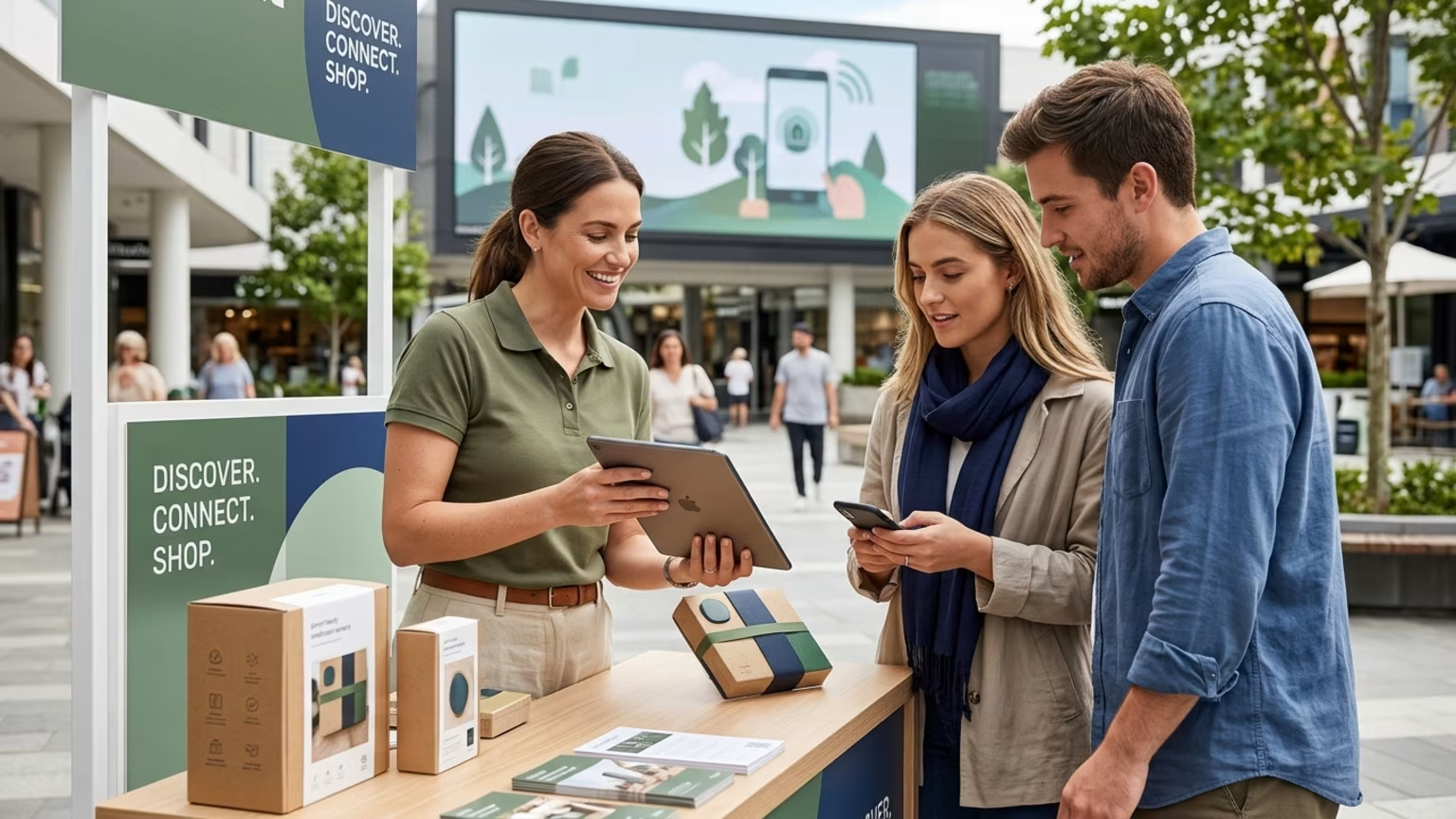
This shift completely changes the way your brand ambassadors interact with potential customers. Instead of reciting nutritional facts, they ask the shopper about their weekend plans or morning routines. This creates an immediate opportunity tying products to highly specific usage moments right on the store floor. The conversation moves seamlessly from a friendly greeting into a qualified trial experience.
In our experience, retailers heavily reward brands that bring these contextual stories to life. Store managers give better placement to activations that clearly answer a specific shopper need. When you align your physical presence with a distinct consumer desire, you give the retailer a compelling reason to expand your shelf space. This method consistently drives higher Return on Investment than standard sampling tables.
Many modern marketing teams rely entirely on social media algorithms to tell their brand story. They build beautiful video campaigns that showcase these exact moments of self-reward and shared experience. The digital ads perform well, but the actual retail execution remains completely disconnected from that online vision. Shoppers see a compelling lifestyle on their phones but find a boring, static box on the store shelf.
This disconnect creates a massive vulnerability for consumer packaged goods companies. Your digital marketing might create the initial desire, but the physical retail floor is where the transaction actually happens. If your in-store presence fails to trigger that same emotional response, the consumer will buy a competitor's product instead. Physical retail theater bridges the gap between online awareness and real-world purchasing behavior.
An effective experiential campaign acts as the physical manifestation of your digital storytelling. It forces the consumer to interact with the brand using all five senses. Tasting a product, touching a well-designed display, and talking to a knowledgeable ambassador creates a permanent memory structure. This multi-sensory approach locks in the desire far more effectively than a fleeting screen interaction.
Brands must stop treating field marketing as a separate, lower-tier channel. It requires the same level of strategic thought and emotional intelligence as a national television spot. Integrating your high-level brand themes into street-level activations produces a unified brand experience. This consistency is what turns a one-time impulse buyer into a loyal, lifelong customer.
Translating a high-level emotional concept into a functional event requires rigid operational discipline. A brilliant idea will fail immediately if the logistics, staffing, and routing fall apart on site. You need a structured playbook to turn these psychological insights into measurable field marketing programs. Following a systematic approach keeps your team focused on moving past passive displays into active participation.
Here is the exact framework to deploy occasion-based activations on the ground.
Creative activations mean nothing if you cannot prove their financial value to your executive team. You must track precise metrics that demonstrate clear Return on Investment from your field programs. Fluffy engagement numbers and estimated impressions will not satisfy a rigorous marketing director. You need hard data that connects emotional storytelling directly to revenue generation.
Start by tracking your immediate lead metrics on the event floor. Count the total number of qualified engagements where a shopper actively discusses the product context. Measure your trial-to-purchase conversion rate by comparing total samples distributed against daily units sold. These early indicators tell you if your occasion-based messaging actually stops shoppers in their tracks.
Next, you must analyze the lagging indicators that prove long-term business impact. Monitor the sell-through velocity at the specific retail locations for four weeks after the activation. Track any increases in retailer re-order rates and new shelf placements within the same territory. These numbers show that your experiential campaign successfully shifted consumer habits and built lasting retail partnerships.
If you are planning a large-scale program, it is critical to align these metrics before the first tent goes up. Setting clear benchmarks allows your team to adjust messaging or ambassador training mid-campaign. When designing a high volume activation at wholesale, this proactive tracking becomes the difference between a minor sales bump and a major market expansion. True experiential marketing turns fleeting attention into documented, repeatable pipeline growth.
Consider a mid-sized premium snack brand trying to break into the competitive club channel. They initially pitched their product as a healthy, low-calorie alternative to standard potato chips. Their early sampling events featured plain tables, standard brochures, and a very clinical presentation. Shoppers took the free food, nodded politely, and kept walking without putting boxes in their carts.
The brand realized they needed to design the activation around a specific shared experience. They stopped talking about calories and shifted their entire focus to the weekend tailgating occasion. The field team replaced the generic table with a mock tailgate setup, complete with astroturf and cooler props. The ambassadors started asking shoppers who they were hosting for the big game that Sunday.
This single shift in context completely transformed the consumer response on the floor. Shoppers immediately visualized the product sitting on their own kitchen counters during a football party. The brand saw a massive spike in trial-to-purchase conversions right there in the warehouse. By framing the product around a beloved shared ritual, they generated the undeniable sales velocity needed to secure national distribution.
The lesson for marketing leaders is incredibly clear and highly actionable. Stop wasting your marketing budget on displays that only list ingredients and certifications. Focus on the emotional context, the specific consumer ritual, and the flawless execution of that vision. The smartest brands win by connecting their physical product to the realities of daily life.
Taking the time to build these narrative structures will transform your physical retail presence. You can replace the anxiety of an empty booth with the confidence of a proven playbook. Book a strategy call today to turn your passive sampling programs into high-converting consumer experiences. Let our team handle the logistics so you can focus on building a brand that lasts.

30 Years Experiential & Retail Activation Partner for CPG & Beverage Brands | Multi-Market Demos, Roadshows & Costco/Club Programs That Actually Sell