Robbie Thain
Founder, CEO

Learn how to build high-performing field teams by establishing recruitment profiles, training modules, and measurement frameworks that drive retail pipeline.
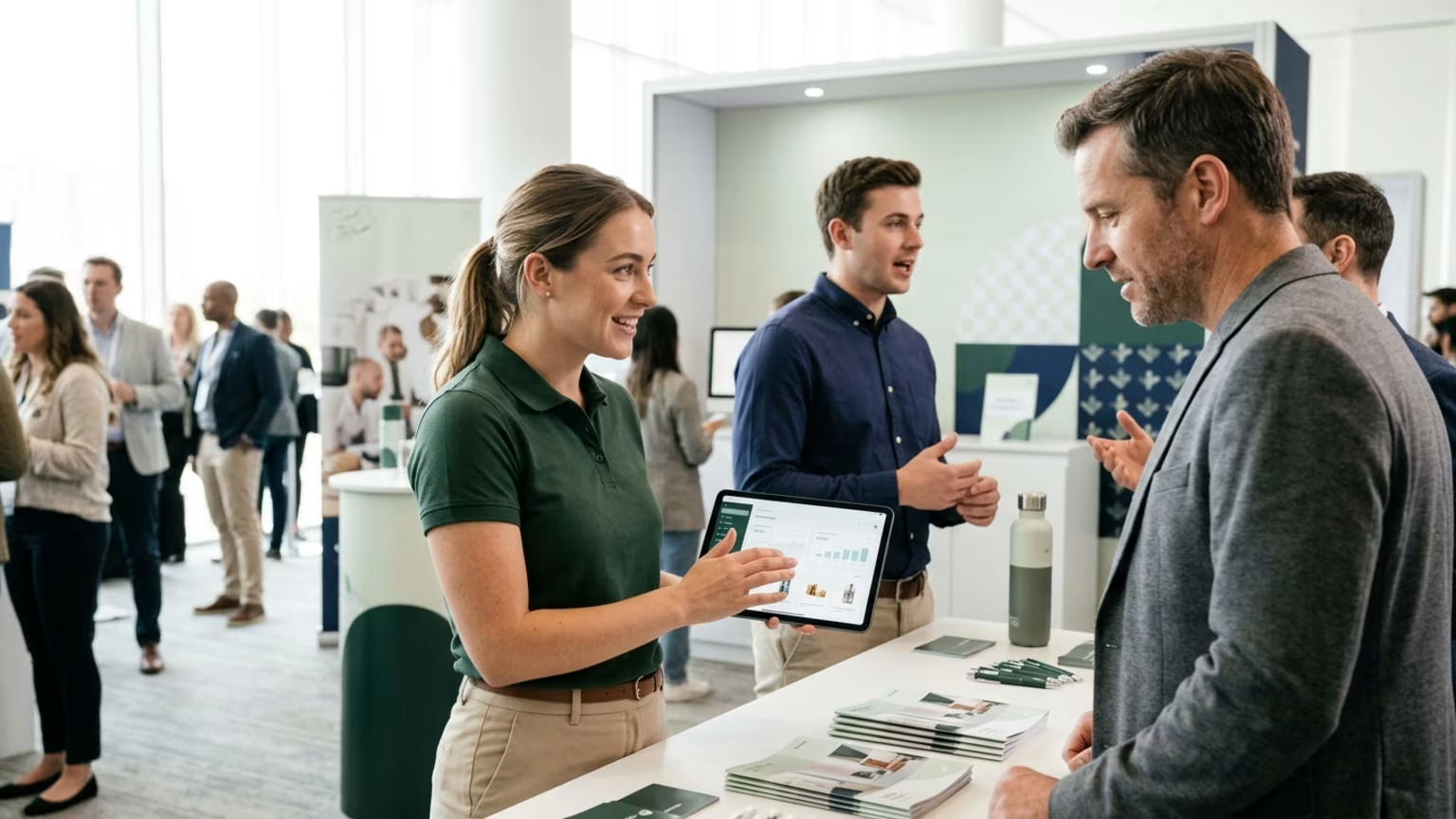
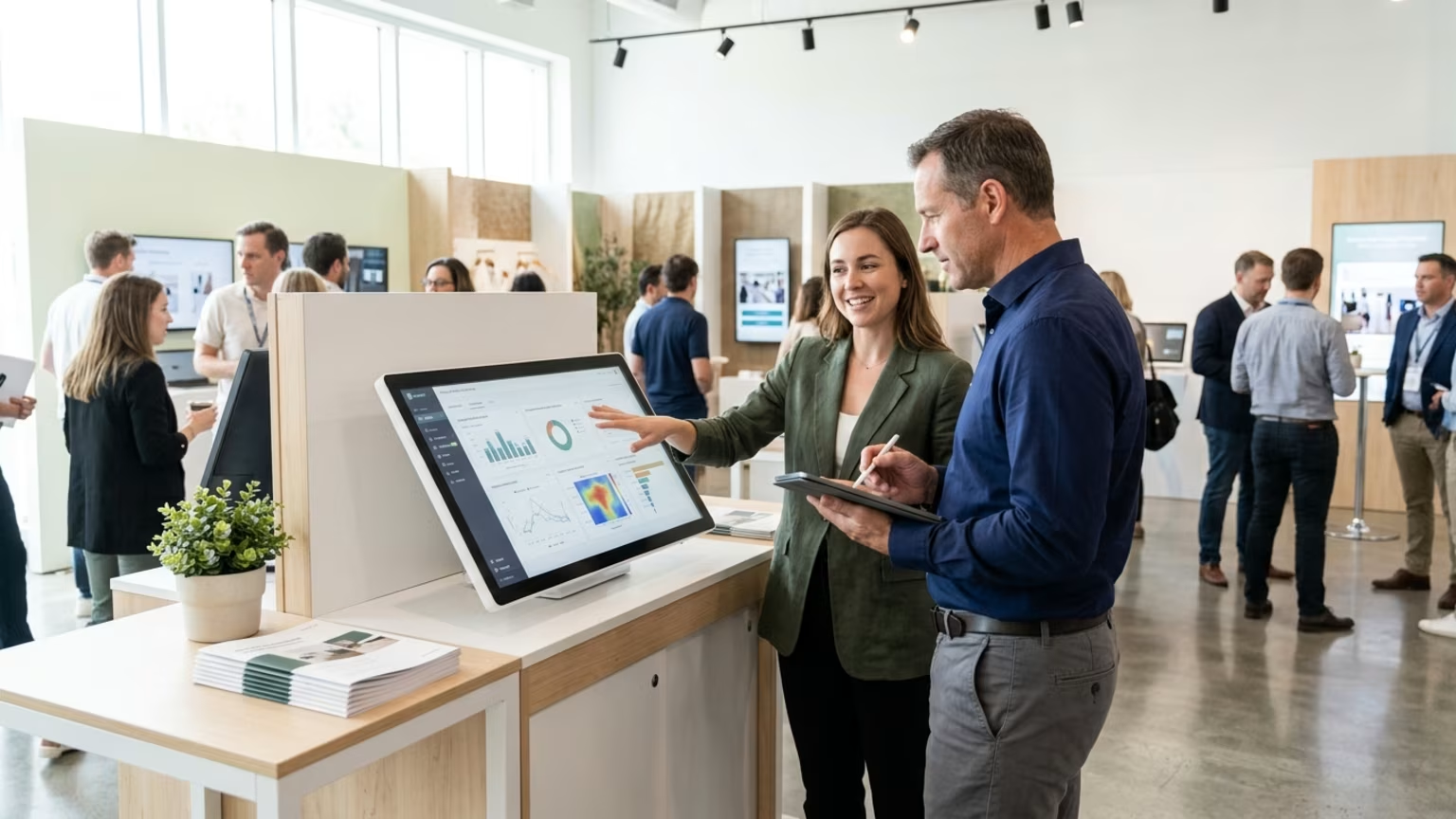
A field marketing director watches a crowded activation space, but the reporting dashboard only shows generic contacts instead of qualified retail buyers. The gap between a busy floor and actual pipeline is entirely defined by the people working the booth. That tension is why brands must rethink how they prepare their frontline teams.
Field ambassador training is the structured process of equipping frontline staff to progress consumer interactions from basic awareness into measurable commercial pipeline. This approach frames the physical interaction through the lens of qualified intent rather than isolated brand impressions. Brand ambassadors typically distribute samples and explain products. They also answer questions, create engagement, and record interaction data in retail and public spaces.
However, passive distribution rarely translates into sustained momentum. The true operating purpose of an ambassador is to link a physical encounter to a specific commercial action. To secure a high Return on Investment (ROI), marketers must treat these teams as an extension of the sales force.
In the physical world of consumer goods, a creative activation concept will underperform if the staff cannot explain the product accurately. Many campaigns rely on high activity counts that create the illusion of success. A high number of contacts does not prove that the conversations were relevant or that consumers actually understood the product.
A field program generally has four operating components. These include strategy and planning, recruitment and training, field execution, and comprehensive reporting. That structure matters because an activation can have a strong creative concept but still fail commercially. If the people delivering it cannot handle objections or guide consumers toward a next step, the pipeline stalls.
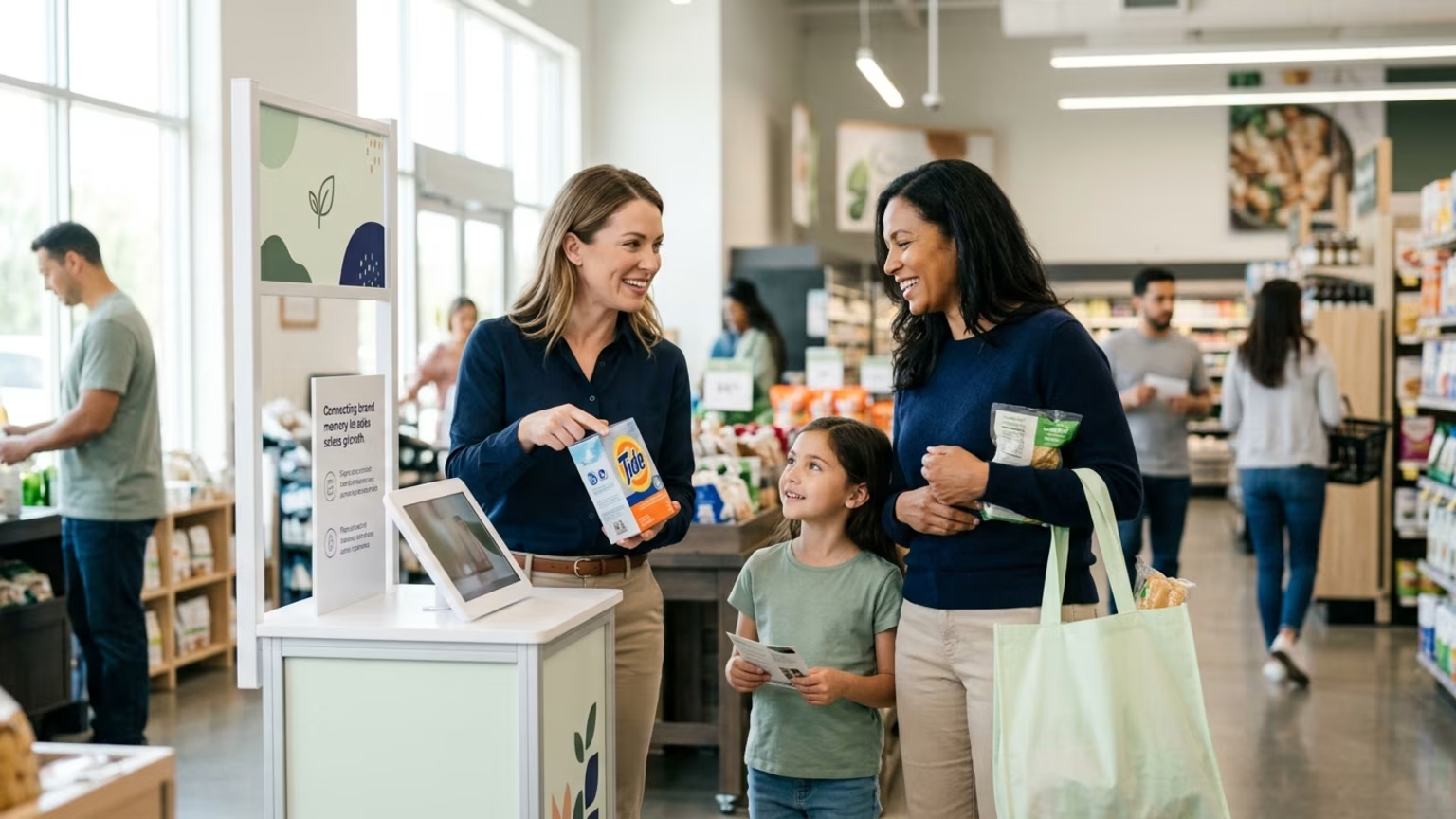
We specialize in creating retail demos, product sampling programs, and roadshows that bring brands face to face with their audiences. Each program is designed to drive trial, build consumer relationships, and accelerate retail velocity across multiple locations. Brands must distinguish between staff who simply memorize a slogan and those who can navigate a dynamic interaction. EventStaff recommends treating staff capability as a progression from basic product recall to explanation and audience adaptation.
The progression then moves to lead qualification, handoff, and field reporting. If a brand wants to hire, train, and manage field teams correctly, it must prioritize these operational skills over generic friendliness. Frontline teams are the vital human layer between a brand message and a consumer decision.
Transforming a basic staffing model into a pipeline engine requires three fundamental components. American Guerrilla Marketing describes four core components of a street-team program: planning, recruitment and training, field execution, and measurement. Focusing on the human elements ensures that strategy translates seamlessly into reality.
A recruiting profile should be based on the exact interaction the activation requires rather than a vague personality label. The right profile depends entirely on whether the assignment involves technical demonstration, retail selling, or high-volume street sampling. For a simple sampling assignment, the team needs product knowledge, approved talking points, and clear daily expectations. Useful selection criteria include communication clarity, active listening, and strict operational discipline.
Recruiting should also screen for the ability to handle uncertainty under pressure. The field environment is highly unpredictable. An ambassador must remain calm when a consumer asks an unexpected question or raises a difficult objection. Prioritizing these behavioral traits over pure availability protects the integrity of the campaign.
Field staff must also be trained to refer a question to an approved contact rather than guess when they lack the answer. That protocol is especially critical for regulated food, beverage, and dietary supplement programs. An improvised health claim can create immense regulatory and reputational risk. For student or campus programs, existing peer relationships and campus knowledge may be useful, but those advantages should be treated as program-specific rather than assumed to guarantee better conversion.
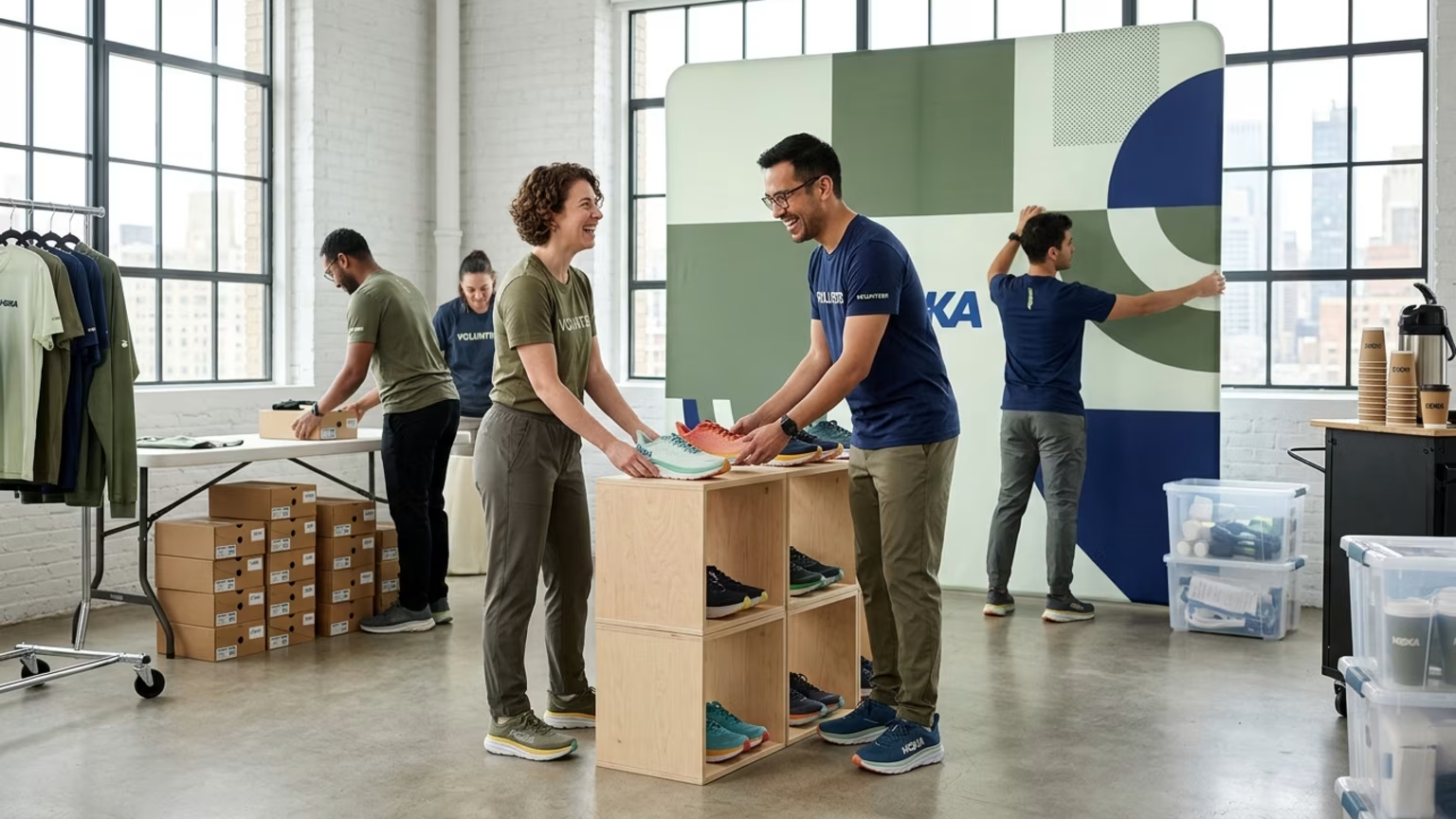
Training should provide a repeatable structure without forcing staff into rigid robotic scripts. The briefing should explain the campaign objective and target audience. It must also cover product facts, approved talking points, and lead-capture processes. Without a clear hierarchy of goals, ambassadors may optimize for the easiest visible activity instead of the required business outcome.
Product training should cover the brand story, major benefits, and relevant ingredients. The goal is not to turn every ambassador into a technical expert. It is to give them enough fluency to answer common questions accurately. From there, they can transition naturally to a demonstration, retailer, or lead form.
A practical knowledge check should require the ambassador to explain what the product is, who it is for, and what problem it addresses. They must also know why it is meaningfully different, where the consumer can buy it, and what to say when the product is not a fit. Practitioner guidance recommends opening with context-specific, open-ended questions. The staff should then qualify the person’s needs before moving to a demonstration or next step.
This sequence allows the ambassador to diagnose relevance before presenting every consumer with the identical message. Role-play should cover curious, rushed, and skeptical consumers. It should also include distracted or technically demanding shoppers. Ambassadors should practice short and honest responses to common objections.
These objections include concerns about price, ingredients, availability, and competing products. Staff should never invent facts, imply guarantees, or make unapproved health claims. Teaching staff how to deliver consistent brand experiences ensures that interactions remain authentic yet commercially productive.
Training must also cover strict compliance and disclosure protocols. The FTC identifies its Endorsement Guides, revised in 2023, as relevant guidance for advertising and marketing. Brands should follow FTC guidance by making material connections clear and conspicuous when the relationship could affect how consumers evaluate an endorsement. Transparency is a critical part of the experience design.
Pre-event training is never enough to sustain peak performance during a long regional deployment. Coaching must continue during the shift through live observation, quick feedback loops, and daily operational debriefs. Supervisors should observe interactions, evaluate openings, and correct behaviors while the activation is still actively running. A supervisor can coach against a small scorecard that measures whether staff listen before pitching and demonstrate the product correctly.
Field quality checks turn theoretical training into observable, enforceable standards. Mystery shopping can evaluate both operational standards and the qualitative reasons an interaction feels smooth, frustrating, trustworthy, or forgettable. Live audits check product availability, display compliance, offer visibility, and accurate data capture.
Any conversion-based incentive should include careful safeguards. A bonus tied only to the number of samples or scans can encourage duplicate entries or pressure tactics. Brands should verify leads, redemptions, or scans before paying performance bonuses.
Tracking the success of a physical program requires moving past indiscriminate badge scans and basic footfall metrics. Ulala recommends reporting direct revenue and other hard outcomes separately from softer brand and engagement measures. The reporting form should separate raw activity, conversation quality, verifiable outcomes, and competitive field intelligence. If the team is asked to record too many arbitrary fields, data quality will inevitably decline.
Reporting can include meaningful conversations, completed demonstrations, and observed purchase behavior. A practical form separates simple contacts from highly qualified retail discussions. This distinction forces the team to focus on the quality of the interaction rather than raw volume. Marketing leaders can then use this data to calculate the true cost of acquisition.
American Guerrilla Marketing recommends building a retail-linked coupon or digital offer into sampling programs so brands can create a clearer path from trial to purchase. Retail velocity comparisons can provide directional evidence of impact. However, brands should control for other factors before treating the difference as incremental sales. Store traffic, competing promotions, and weather can all affect the final numbers.
Pricing changes and distribution shifts also play a major role. Street-team guidance similarly suggests unique codes, QR tracking, and retail-velocity comparisons as ways to connect field activity to commercial behavior. A sample, demo, conversation, or stated purchase intention does not prove a completed purchase. However, American Guerrilla Marketing says it evaluates sampling programs by the movement from sample to purchase intention, not only by units distributed.
Tracking this sequential progression provides a reliable measurement framework that proves event pipeline value. This approach prevents marketing teams from reporting false positives. It also ensures that every field deployment actually contributes to the broader commercial strategy.
Build your digital or retail next step before staffing your booth so your ambassadors have a clear commercial destination for every consumer conversation.
Treating brand ambassadors as passive sample distributors inevitably creates poor conversion data. Makai solves the problem of low quality leads from crowded trade shows by designing our flagship Promotional Campaigns. Our campaigns connect digital and real world touchpoints to boost visibility and spark brand conversations that produce verifiable outcomes. Request a proposal

30 Years Experiential & Retail Activation Partner for CPG & Beverage Brands | Multi-Market Demos, Roadshows & Costco/Club Programs That Actually Sell