Robbie Thain
Founder, CEO

Discover how CPG brands adapt retail sampling and demo strategies to defend shelf conversion as tariffs put pressure on grocery staple prices.
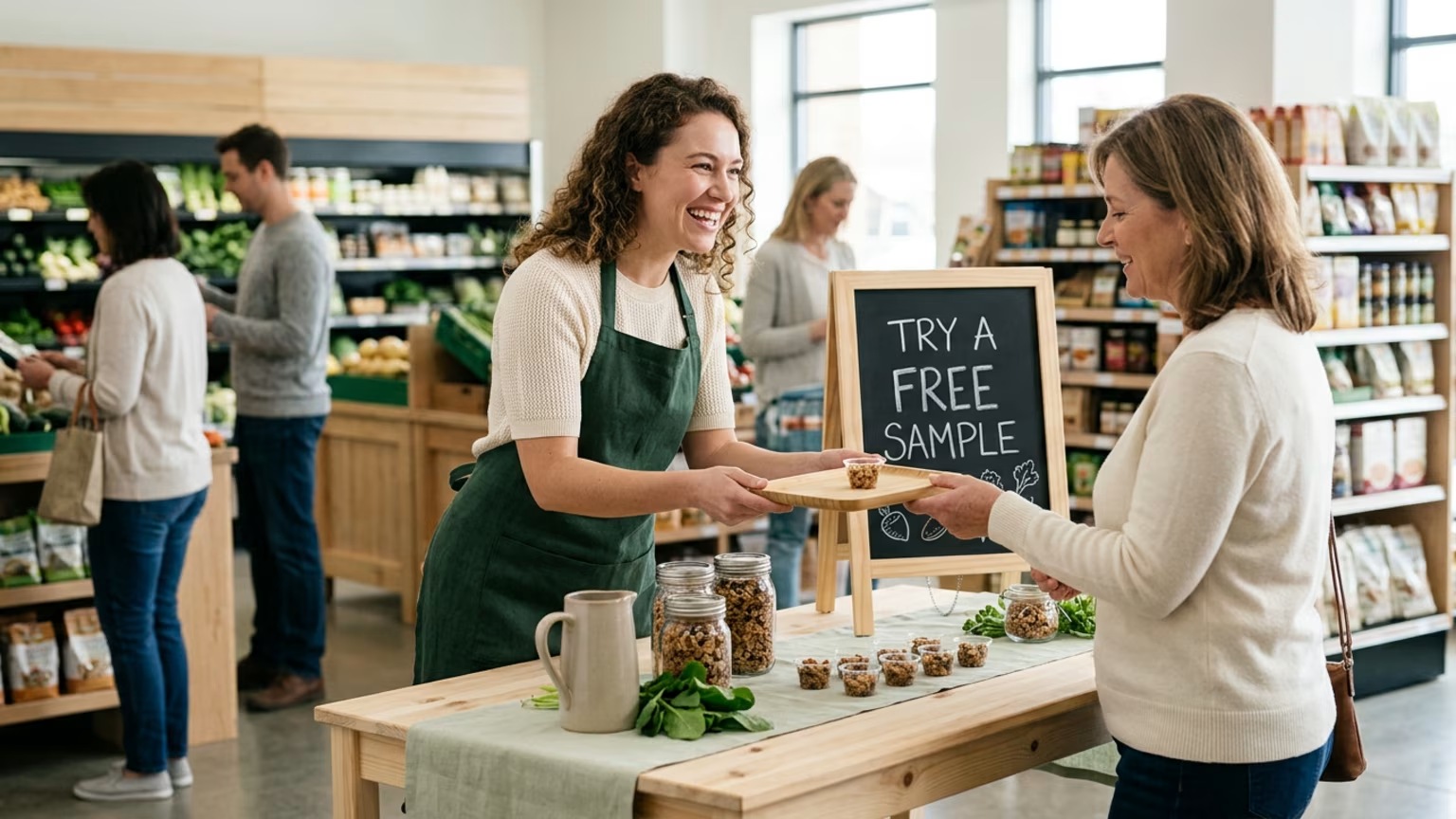
Macroeconomic policy shifts and tariff-driven price pressures are changing how consumers evaluate food staples at the shelf. Experiential marketers must adapt their retail sampling strategies to defend trial and secure immediate conversion.
Retail demo programs get judged on cups poured instead of incremental pipeline. That mismatch becomes dangerous when macroeconomic pricing pressure changes how shoppers behave. Consumers scrutinize their budgets closely before they put an item in the cart. Free samples do not guarantee paid purchases when basic grocery costs feel unpredictable.
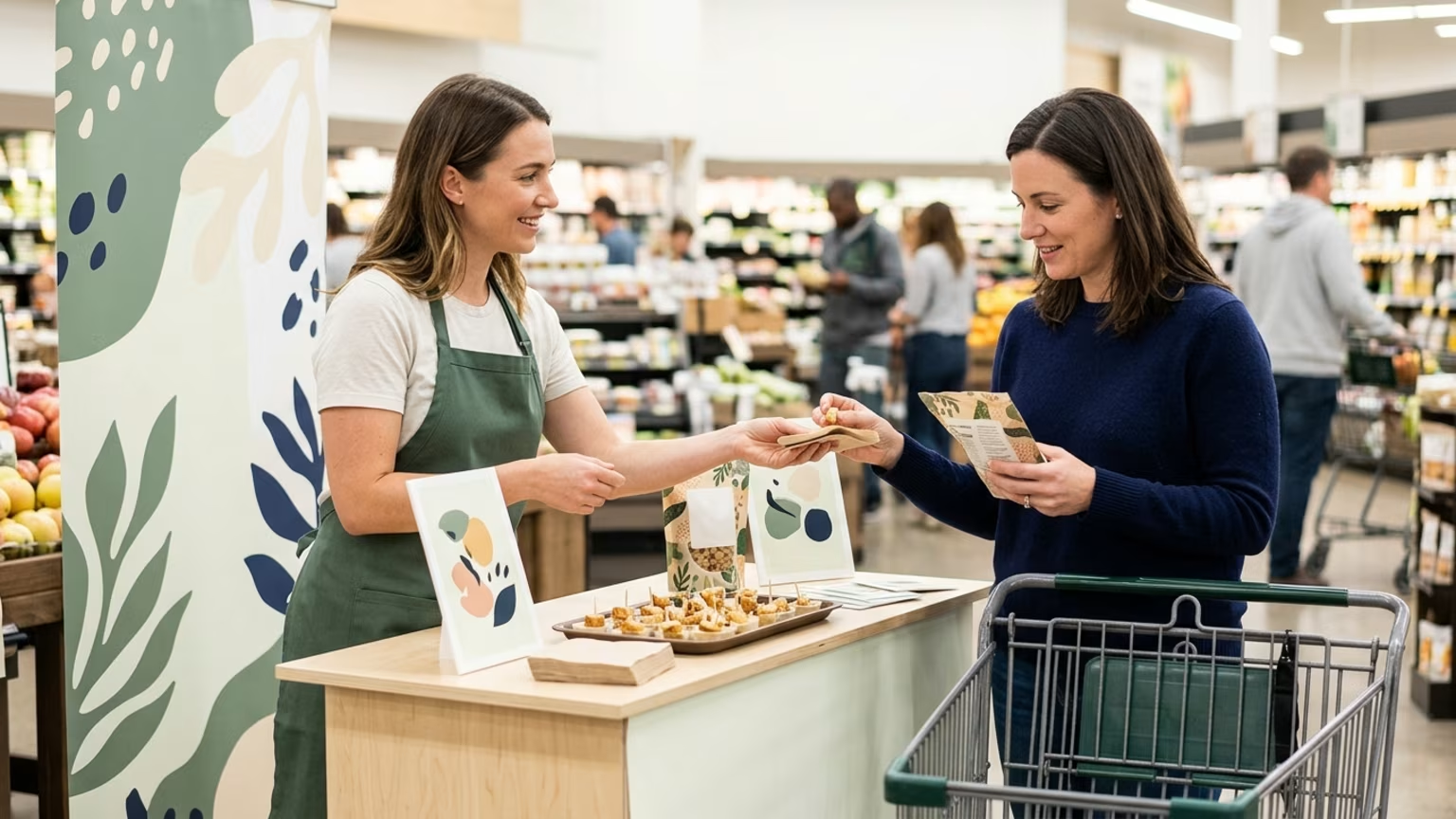
Consider the standard retail demonstration environment. A brand ambassador sets up a clean display for a specialty item. Shoppers approach the table to taste the product and nod in approval. Then they check the shelf tag and slowly walk away.
This gap widens noticeably when trade policy applies direct pressure to food budgets. Reuters reports that consumers are already seeing tariff-related price pressure on some food staples. Shoppers respond with caution when a price increase feels unexpected. Field teams watch heavy booth traffic result in surprisingly light register receipts.
The broader national data presents a more complicated picture. The Bureau of Labor Statistics reported that producer prices fell 0.3% in June. This was the biggest decline since April 2025. The Consumer Price Index also fell 0.4% in June.
This CPI movement was the largest monthly decline since April 2020. The annual CPI rate slowed to 3.5% in June. Core consumer inflation was reported at 2.6% after being unchanged for the month. Wholesale food prices fell 0.6% in June.
Specific categories saw even sharper drops. The cost of fresh fruits and melons fell 2.2%. Despite these easing inflation indicators, shopper perception remains highly sensitive to localized staple price jumps. Marketers must build campaigns that address this exact consumer hesitation.
Supply chains react aggressively to international trade disputes. When input costs rise rapidly, brands frequently pass those margins down to the consumer. Shoppers notice these subtle increases on their favorite pantry items almost immediately. They adapt by leaving discretionary purchases out of their weekly rotation entirely.
Experiential teams must shift from basic awareness plays to aggressive reassurance strategies. When sticker shock threatens shelf conversion, brands must reframe the value proposition immediately. We focus on bridging the gap between a pleasant taste and a logical purchase. This approach requires tightly coordinating the physical demonstration with visible pricing logic.
Trade policy risk remains highly fluid for consumer packaged goods. Reuters reported the U.S. is preparing a possible 25% tariff on thousands of Brazilian imports. This signals potential cost volatility for imported ingredients and packaging materials. Brands cannot simply absorb these supply chain costs indefinitely.
Further geopolitical moves could compound these pricing challenges. Reuters reported that proposed sanctions legislation could authorize tariffs of up to 100% on goods from major buyers of Russian energy. These supply shocks eventually trickle down to the retail shelf. When prices rise, the marketing strategy must pivot heavily toward conversion.
The strategic response involves treating every sample as a measurable sales pitch. We train brand ambassadors to read consumer hesitation instantly. They must intercept price objections before the shopper walks away. This localized operator discipline prevents marketing budgets from burning out on empty engagements.
Promotional campaigns must connect digital touchpoints with real world experiences. A shopper might see a digital ad warning of limited supply or a seasonal discount. When they enter the store, the physical activation must reinforce that exact same message. Consistency across these channels builds credibility and reduces consumer friction.
Many brands see that retail sales slip when economic pressures mount for consumer packaged goods. Buyers evaluate every premium snack or beverage against their shrinking discretionary budget. The sampling table becomes the primary defense line against this downward pressure. makai designs these interactions to protect the retail pipeline.
Brands need a disciplined methodology to execute this strategy effectively. Field teams must operate with clear directives to secure the sale. These operational steps separate successful activations from expensive tasting sessions.
Measuring Return on Investment separates operator grade execution from mere brand theater. Field teams must track specific indicators to prove their value to leadership. A busy activation only succeeds if it generates measurable pipeline. We divide our reporting into distinct lead and lag indicators.
Lead metrics provide the earliest warning signs of campaign health. Total engagements measure the raw volume of stopped traffic at the booth. Sample distribution counts verify how many physical units reached consumer hands. Coupon redemption velocity tracks the immediate intent to purchase during the live shift.
Qualitative feedback serves as another vital lead metric. Brand ambassadors record common price objections heard directly from shoppers. This field intelligence helps category managers adjust their promotional messaging in real time. Fast feedback loops allow brands to correct failing campaigns before the weekend ends.
Lag metrics confirm the final financial outcome of the activation. Incremental retail lift isolates the revenue generated above baseline store averages. Post event sell through monitors the sustained momentum after the field team leaves. We also measure retailer confidence through reorder rates and expanded shelf allocations.
Category managers face intense scrutiny when launching new items during economic uncertainty. They must prove that their field marketing spend actually moves cases. Thorough CRM reporting and precise metric tracking provide this required evidence. Without this data, brands cannot justify their continued presence on the floor.
We have executed over 1000 campaigns across all 50 states. Our teams bring brands to life in every major U.S. market. From retail demos in Seattle to roadshows in Miami, we activate brands wherever our clients' audiences are located. This national coverage reveals how different regions respond to pricing pressure.
Our roster includes premium consumer goods companies like Dole, Popchips, and Pulmuone. These categories often experience immediate friction when shoppers trade down to private label options. To defend their market share, brands rely on hands on brand moments. These interactions turn curious onlookers into active purchasers.
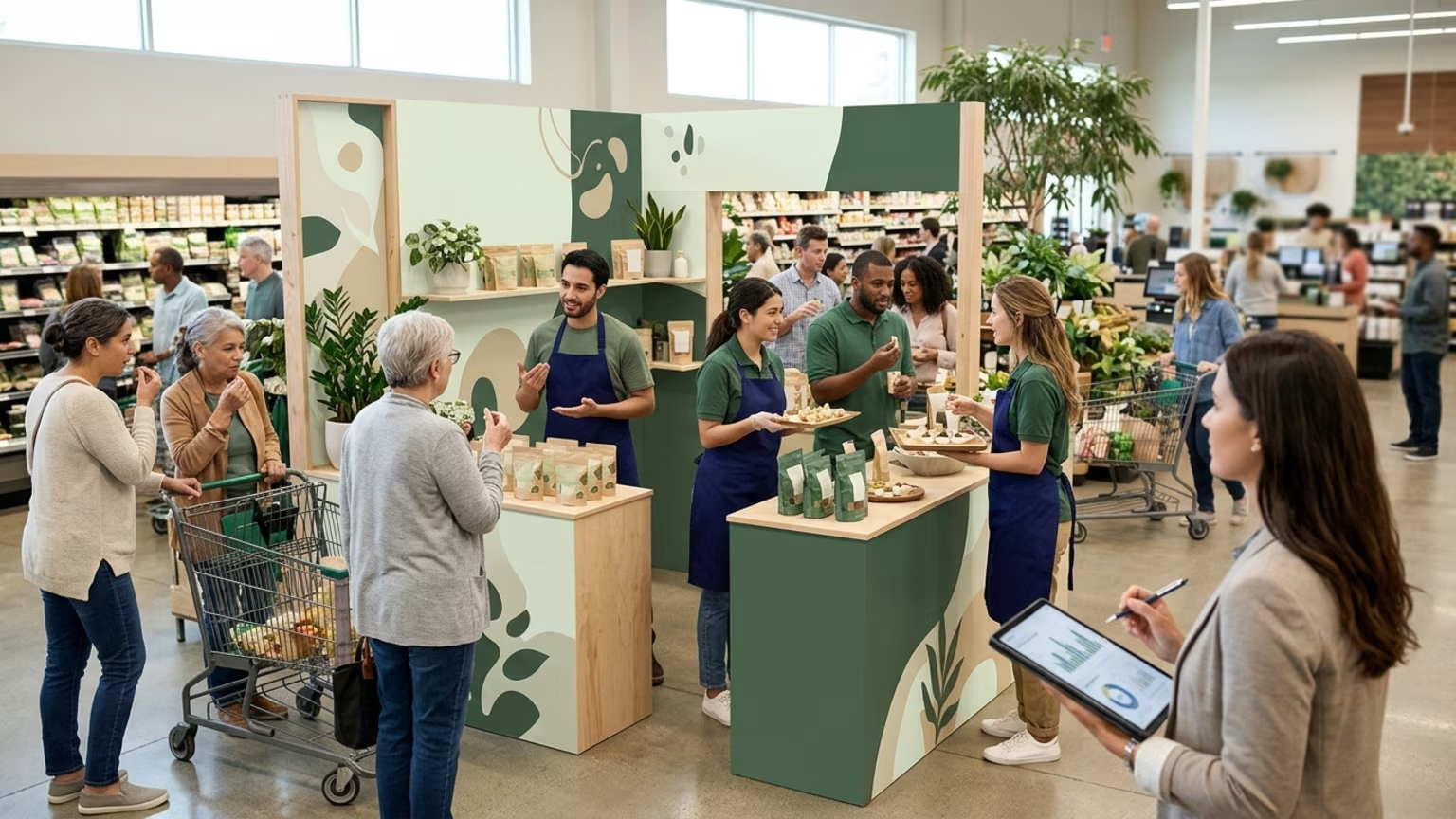
We manage end to end Costco roadshows that bring brands directly to shoppers. These environments amplify consumer expectations for immediate value and clear pricing. Brand ambassadors drive in store sales through real conversations and product trials. The sheer volume of foot traffic tests the durability of the conversion strategy.
We also launch creative street level ideas that generate authentic word of mouth. Guerilla marketing tactics can surprise shoppers before they even enter the retail environment. Catching a consumer in a positive mindset lowers their natural defense against premium pricing. This integrated approach shields the core product from raw price comparisons.
Retailers recognize this shift, which is why Whole Foods Market expands in store sampling programs to help emerging brands win shelf space. makai designs memorable live experiences that bring companies and people together. We turn fleeting consumer attention into measurable commercial response.
The grocery aisle remains an unforgiving environment for premium products. Shoppers will always balance their desire for quality against the reality of their weekly budgets. When external policies push prices higher, the physical interaction at the shelf becomes the final deciding factor. A well executed sample might just be the only thing that keeps a product in the cart.

30 Years Experiential & Retail Activation Partner for CPG & Beverage Brands | Multi-Market Demos, Roadshows & Costco/Club Programs That Actually Sell