Robbie Thain
Founder, CEO

Consumers report high price stress but still make expensive impulse purchases. Learn how CPG brands use retail demos to capture emotional spending and drive ROI.

Economic anxiety does not stop people from spending money on premium indulgences. In fact, financial stress actively drives shoppers to buy expensive home goods and premium snack brands instead of saving cash. This article breaks down the consumer impulse paradox to show how in-person marketing drives sales lift. By turning retail floors into tactical trial zones, CPG brands can capture emotional spending and prove Return on Investment (ROI) through measurable conversions.
Walk into any major grocery store or big box retailer this weekend. You will see shoppers staring blankly at shelves with overflowing carts and a palpable sense of fatigue. Brand ambassadors often stand behind flimsy folding tables and hand out warm beverage samples without making real eye contact. The signage screams about discounts and value packs to an audience that feels overwhelmed by rising grocery costs. Retail marketers assume these consumers only care about saving cents on everyday staples.
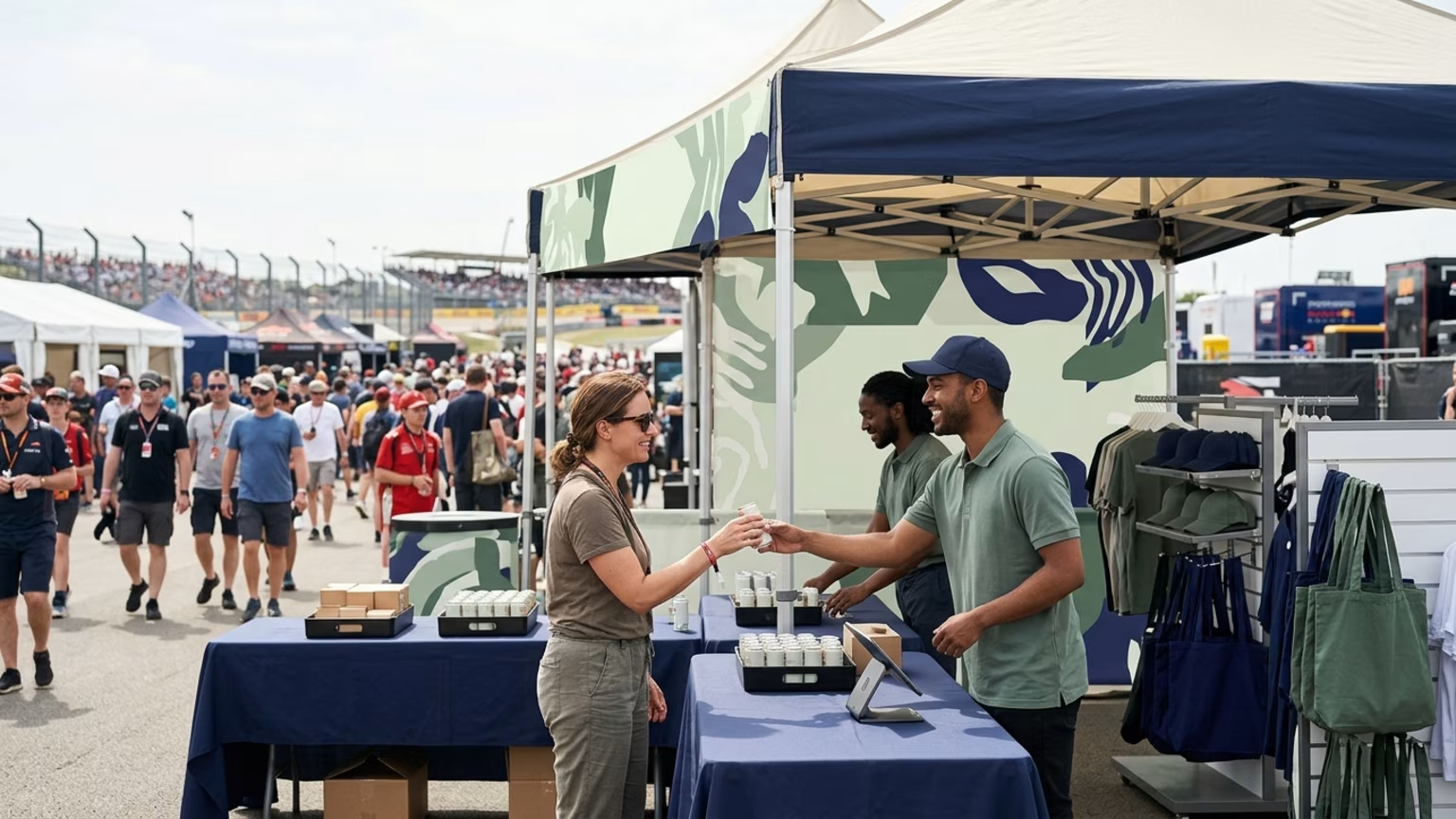
The reality on the ground tells a very different story about modern consumer behavior. Shoppers are bypassing generic bulk items to justify a forty dollar premium adaptogen drink or an expensive decorative item. The trade show floor reflects this exact same contradiction in real time. Attendees walk past massive booths offering software discounts, but they line up for thirty minutes to sample an artisan sparkling water. They are mentally exhausted by logistical headaches and constant digital notifications.
Marketers often miss the underlying psychology driving this erratic purchasing behavior across different income brackets. They read headlines about reduced discretionary spending and immediately slash their field marketing budgets. This reactionary move leaves a massive void on the retail floor for savvy competitors to fill. When you abandon the physical environment, you lose the ability to interrupt a stressed shopper with a moment of genuine delight.
The brands that maintain a strong physical presence are quietly sweeping up the remaining consumer dollars. Fragmented execution wastes thirty percent of experiential budgets across the industry. This poor execution amplifies the risk of creating a beautiful disaster instead of a profitable campaign. You need a structured approach to cut through the noise and deliver a tangible experience that actually converts.
A 2024 survey by Qualtrics and American Express found 74 percent of U.S. consumers feel stressed about finances. Inflation, healthcare costs, housing, and groceries rank as their top daily concerns. Yet 48 percent of those same people made an impulse purchase in the past month averaging over one hundred dollars. McKinsey’s 2025 consumer report notes that 62 percent of households cut back on discretionary spending overall. Surprisingly, impulse buys in categories like home decor and premium bedding rose 15 percent year over year.
Experts refer to this phenomenon as stress spending. Sheila Shayon, a brand anthropologist at +SHE Media, notes that inflation actively erodes daily joy. She argues that consumers voice price pain but reward themselves with expensive pillows to reclaim a sense of control. Brands must create tactile, trust building moments to capture that impulse at the point of sale. Dr. Kit Yarrow, a consumer psychologist, adds that 70 percent of impulse purchases stem from feeling overwhelmed.
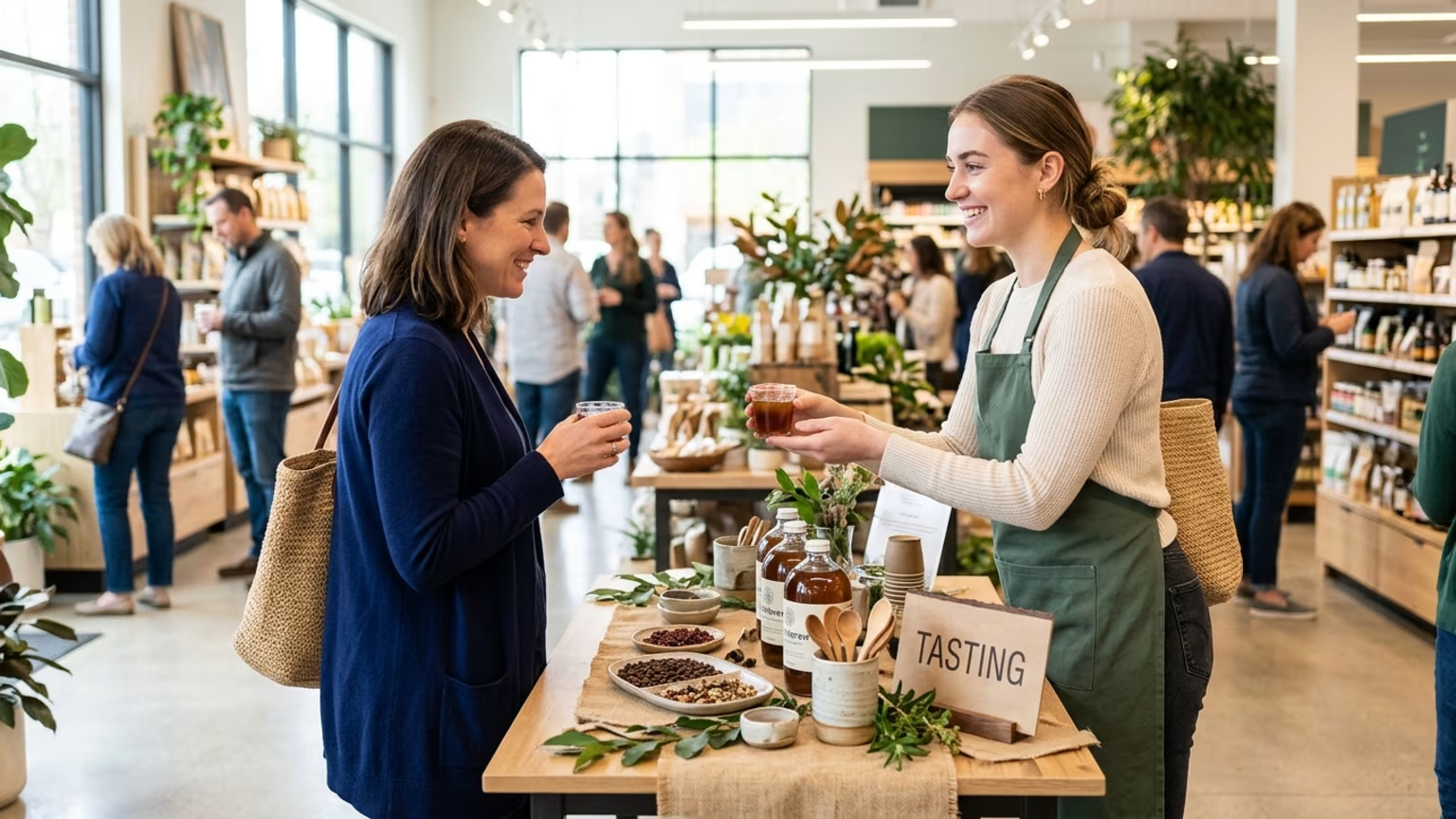
This shift completely changes the role of field marketing for consumer packaged goods. Former McDonald's Global CMO Larry Light points out a glaring truth about retail environments. He notes that experiential demos convert stressed shoppers three times faster than digital ads. The strategy requires placing highly trained staff in high traffic aisles to create brief moments of joy.
These activations act as a physical interruption to routine shopping habits. When executed correctly, physical engagement turns consumer sentiment into a fifteen to thirty dollar basket lift. A recent Pew Research poll showed that 55 percent of shoppers still prioritize treats over savings. You simply have to be present in the aisle to claim that emotional spend before they check out.
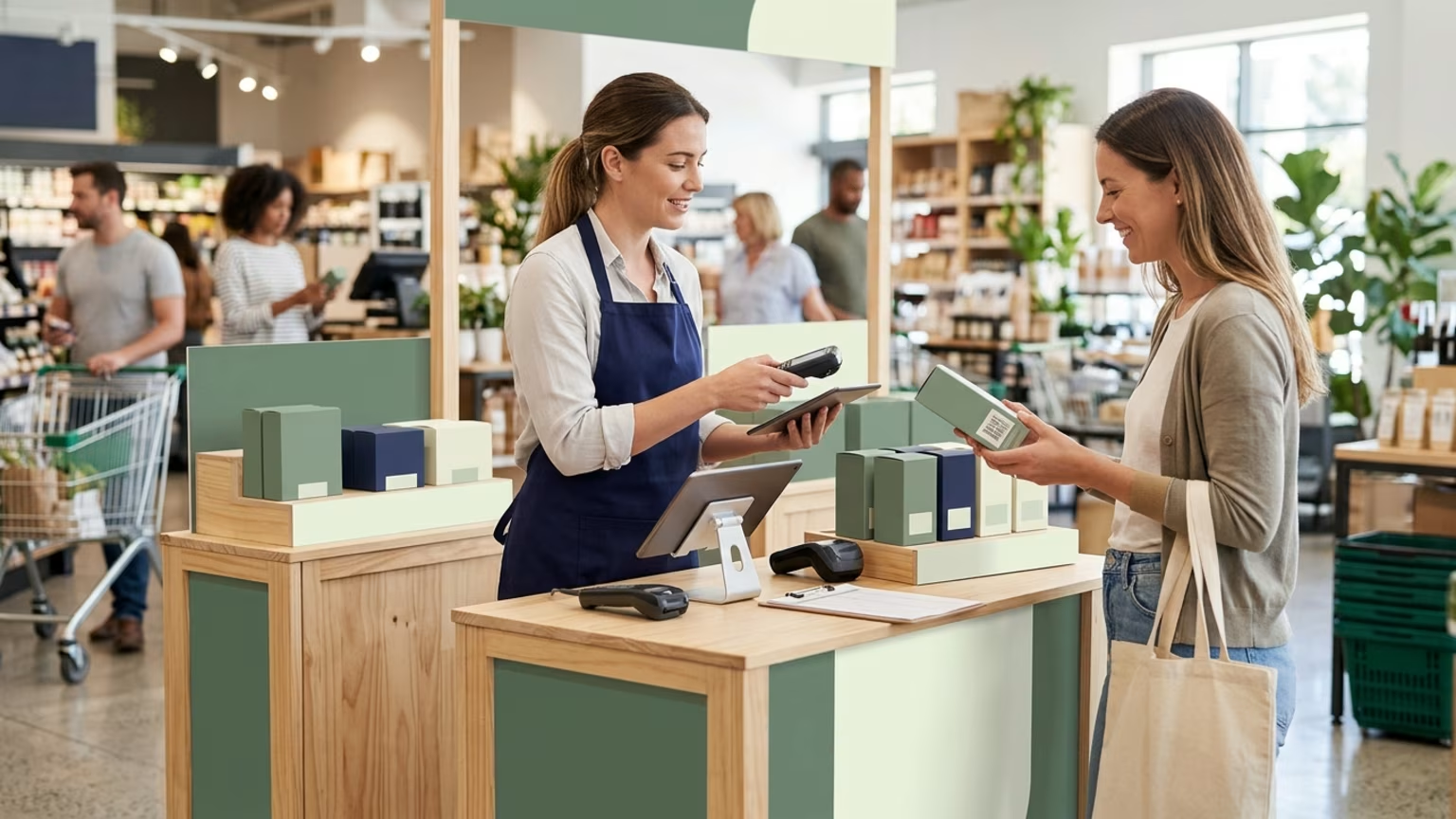
Translating consumer psychology into field success requires operator grade discipline. You cannot just drop a branded tent in a Costco and expect shoppers to empty their wallets. It takes precise execution to capture impulse sales at the point of purchase. Follow these steps to align your activations with modern spending habits.
You cannot secure cooperative funding from retail partners with simple photos of smiling attendees. Marketing leaders must deliver clean data that proves a direct correlation between field events and sales lift. Start by tracking lead metrics like total qualified interactions and sample distribution rates. These early indicators show if your footprint is actually attracting the right foot traffic. Event Marketer benchmarks from 2025 indicate physical activations drive 28 percent higher trial rates for impulse categories.
Next, focus on the lag metrics that validate your total financial spend. The most critical number is your same day retail sell through percentage. Track the incremental basket lift during the activation hours compared to the baseline store volume. You should aim for a twenty to thirty percent uplift during the active demo window.
You must measure the seven day post event conversion rate to see if the trial created a lasting habit. Sixty five percent of event attendees typically convert to a purchase within a week of a strong activation. Advanced tracking tools are replacing the outdated clipboard and paper surveys of the past. Using RFID tracking and digital receipts helps connect the initial conversation to the final register scan.
Brands that master live event data tracking eliminate guesswork and easily defend their budgets against skeptical finance teams. Standardizing your reporting across all national markets requires serious operational focus. Using a comprehensive field execution checklist guarantees that your metrics tell a consistent story of growth.
We can look at recent retail shifts to see this exact strategy in motion. In 2026, companies like Yeti and Liquid Death launched physical trial zones across hundreds of retail locations. They blended hands on product demos with interactive elements to draw shoppers out of their routine. The results validated the massive shift away from pure digital advertising. According to the Event Marketing Institute, these brands achieved a 32 percent sales lift per store.
Another clear example comes from the competitive health and wellness sector. Kantar Worldpanel reported a 27 percent jump in impulse trials for premium adaptogen drinks. These brands focused heavily on trade show sponsorships and strategic retail pop ups. They framed their expensive products as accessible stress relief for anxious and tired consumers.
Pepsico utilized similar tactics during their 2025 activations to hit a 35 percent conversion rate via staffed booths. They recognized that thirty five percent of modern grocery baskets include unplanned items. By placing enthusiastic staff directly in the path of purchase, they captured those dollars before the shopper reached the register.
The shift toward physical trust building represents a massive opportunity for growth. You can capture this revenue by launching highly targeted sampling programs that connect with stressed buyers. Book a strategy call with our field execution team. We will build a framework that turns fleeting interactions into verifiable revenue.
The modern retail aisle is crowded with hesitant shoppers carrying heavy mental loads. A simple, well timed product sample does more than introduce a new flavor to a passing stranger. It offers a brief moment of certainty in an otherwise unpredictable day. That small connection often becomes the only reason a product makes it into the cart.

30 Years Experiential & Retail Activation Partner for CPG & Beverage Brands | Multi-Market Demos, Roadshows & Costco/Club Programs That Actually Sell