Robbie Thain
Founder, CEO

Retail’s store-success debate has practical consequences for CPG demo briefs, staffing, store layouts, and evidence of commercial impact.
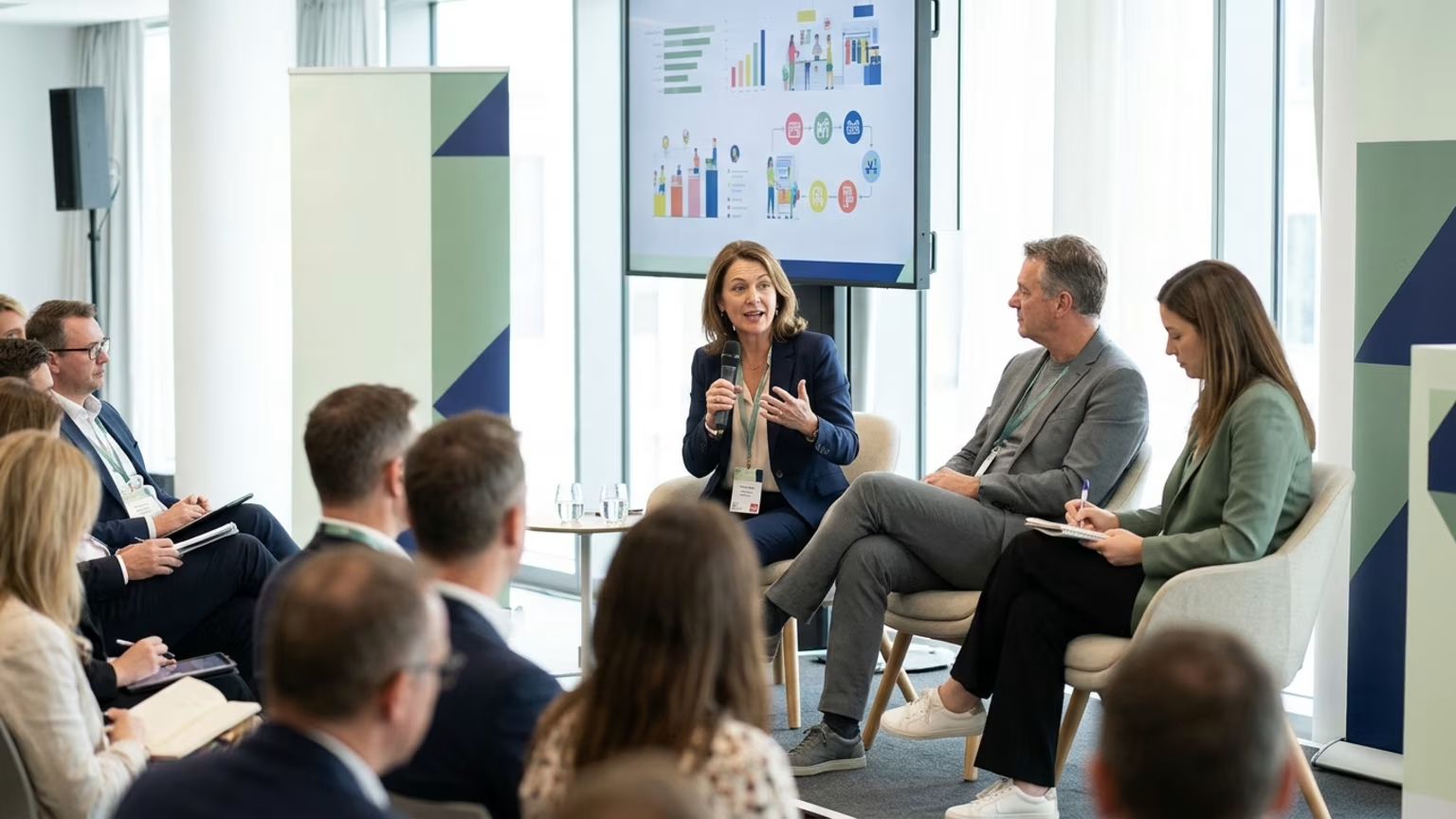
On October 30, 2026, Inside Retail published Taylor Fielding’s argument that stores should be judged partly by the experiences and relationships they create rather than standalone profitability alone. Drawing on a podcast conversation with Simon Beard about Culture Kings, Fielding challenged a transaction-only view of physical retail.
For CPG and beverage leaders, the operational question is how that broader view should change the activation brief. A store experience can have a purpose beyond the immediate purchase while still carrying a clear commercial responsibility.
The development was an editorial challenge to store evaluation rather than a new operating requirement. Fielding’s argument in Inside Retail was that discovery and brand experience deserve consideration alongside transactions when assessing what physical stores contribute.
Fielding reports Beard’s account that 85% of Culture Kings customers experienced the store first, while digital generated 100% more money as a channel. The article describes trained floor staff and distinctive product displays among the retailer’s experience-led practices. Beard’s point was that the store helped create the customer relationship even when another channel captured more revenue.
A related measurement tension appeared in Progressive Grocer’s coverage of Target’s Roundtable. Roundel executive Shawn McGahee said 66% of Roundel advertisers cited sales growth as their primary investment reason. Yet 8% used incremental return on ad spend (iROAS) as their primary performance metric.
The evidence has clear limits. Fielding’s opinion-led account does not disclose the methodology behind the Culture Kings figures or provide a controlled test of commercial impact. The Roundel figures describe its advertisers rather than the wider market. IAB Europe’s committee summary offers practitioner context without publishing underlying study details.
For experiential teams, the useful distinction is between broadening the objective and proving the outcome. Discovery can be an intended result. A claim that an activation generated additional sales requires evidence suited to that claim.
At Makai, we create experiential marketing programs built to connect emotion with action. Our work blends creativity with strategy and data. That positioning gives us a straightforward response to this debate: welcome the broader view of store value without giving the experience a free pass on commercial accountability.
Aloha belongs in the interaction. Discipline belongs in the plan. We believe shoppers deserve a welcoming conversation rather than a rushed handoff, while marketing leaders deserve clarity about what that conversation is intended to accomplish.
Our retail demonstrations use trained brand ambassadors to drive in-store sales through real conversations and product trials. We also specialize in sampling programs and roadshows that bring brands face to face with their audiences. Across those formats, our stated purpose connects trial and consumer relationships with retail velocity.
That makes the intended next action part of the creative decision. A taste experience designed around first purchase needs a different emphasis from an interaction intended to introduce an unfamiliar product. McGahee’s guidance supports starting with the behavior a campaign is meant to change rather than selecting whichever metric is easiest to collect.
For CPG leaders under budget pressure, this is a more useful basis for discussing Return on Investment (ROI) than treating engagement and sales as opposing camps. The task is to connect them without assuming they are interchangeable.
The same principle sits behind connecting a product experience to a purchase decision. A memorable moment and a commercial next step should belong in the same brief.
The practical response reaches staffing and store layout before it reaches the final report. Our view is that a broader definition of success should make execution more precise, not more complicated.
Progressive Grocer reports that McGahee urged teams to plan measurement around the behavior they want to change. Applied to a retail demonstration, that principle also gives the ambassador brief a clearer job.
For a trial objective, the role should support a real product conversation rather than only distribution. For a first-purchase objective, the interaction should connect the trial with a buying decision. Those are different emphases even when the physical setup looks similar.
The operational implication is to define what a useful interaction means before treating every interaction as equivalent. Otherwise, a distribution count can become the default definition of success regardless of the campaign’s actual purpose.
Makai’s retail demonstration positioning combines trained ambassadors with product trials and sales-focused conversations. In our view, that combination is the right starting point for supporting the people responsible for product trial. The business objective should clarify their role rather than sit in a separate presentation.
According to Progressive Grocer, Target executive Jenny Holleran said in-store media should not disrupt shopping. She described shoppers’ preference for clean and uncluttered stores.
For an experiential team, the implication is not automatically a larger installation or another participation feature. It is a footprint that gives the intended interaction a clear place within the shopping journey.
Our view is that the activation concept should explain how product trial and conversation fit the space. A relationship-building objective is not a reason to fill every available area with activity.
This changes the design discussion. Instead of judging the setup only by how much attention it attracts, the team can judge whether it supports the intended behavior without competing with the store’s basic function. The store remains a place to shop, even when the brand wants people to pause.
Progressive Grocer’s Target account describes geographic holdout testing that compares markets where advertising runs with comparable markets where it does not. It also notes resistance to withholding activity in selected markets, making early planning important.
For experiential leaders, the relevance is a design choice to resolve before scheduling: whether a comparable holdout is practical for the proposed activation. The source describes advertising tests. Applying that logic to a demo program is a planning consideration rather than an established result for every field format.
The downstream effect is operational. If the test requires selected locations to remain inactive, the rollout plan must reflect that choice when assigning staff and product. Measurement cannot be treated as a reporting layer added after every location has already been activated.
This is also why separating activation performance from normal store performance belongs in the planning conversation. A busy demonstration and a strong sales period are observations. Establishing what the activity added is a different task.
IAB Europe’s October 2026 committee summary says retailer data can arrive inconsistently or late. It also says longer attribution windows may capture returns from in-store activity that continue to build over months.
The practical response is to align the reporting plan with the intended behavior and the available retailer data. A first-purchase objective and a longer relationship-building objective need a deliberate view of when each will be assessed.
For launches or retail expansion, the research supports aligning brand and retailer around a shared outcome such as unit sales or sales velocity. That agreement gives the field activity a commercial destination while allowing engagement to remain part of the picture.
Our view is that reporting should distinguish execution from behavior and commercial outcomes. Whether the experience happened as planned is one question. Whether shoppers took the intended action is another. Whether the activation generated additional business calls for the appropriate comparison.
Keeping those distinctions clear gives leadership a more useful account than either a transaction total alone or a collection of participation counts.
As a CMO or VP of Marketing, how will your next activation answer Inside Retail’s challenge with a brief that values human connection and a test that holds its commercial purpose accountable?
Deciding what a product trial should accomplish is where the store-success debate meets the retail demonstration work Makai handles for CPG and food and beverage brands. Makai uses trained brand ambassadors for real conversations and product trials designed to drive in-store sales.

30 Years Experiential & Retail Activation Partner for CPG & Beverage Brands | Multi-Market Demos, Roadshows & Costco/Club Programs That Actually Sell