Robbie Thain
Founder, CEO

IAA TRANSPORTATION 2026 shifted from static booths to live product trials and guided tours. See how decentralized layouts improve trade show lead capture.
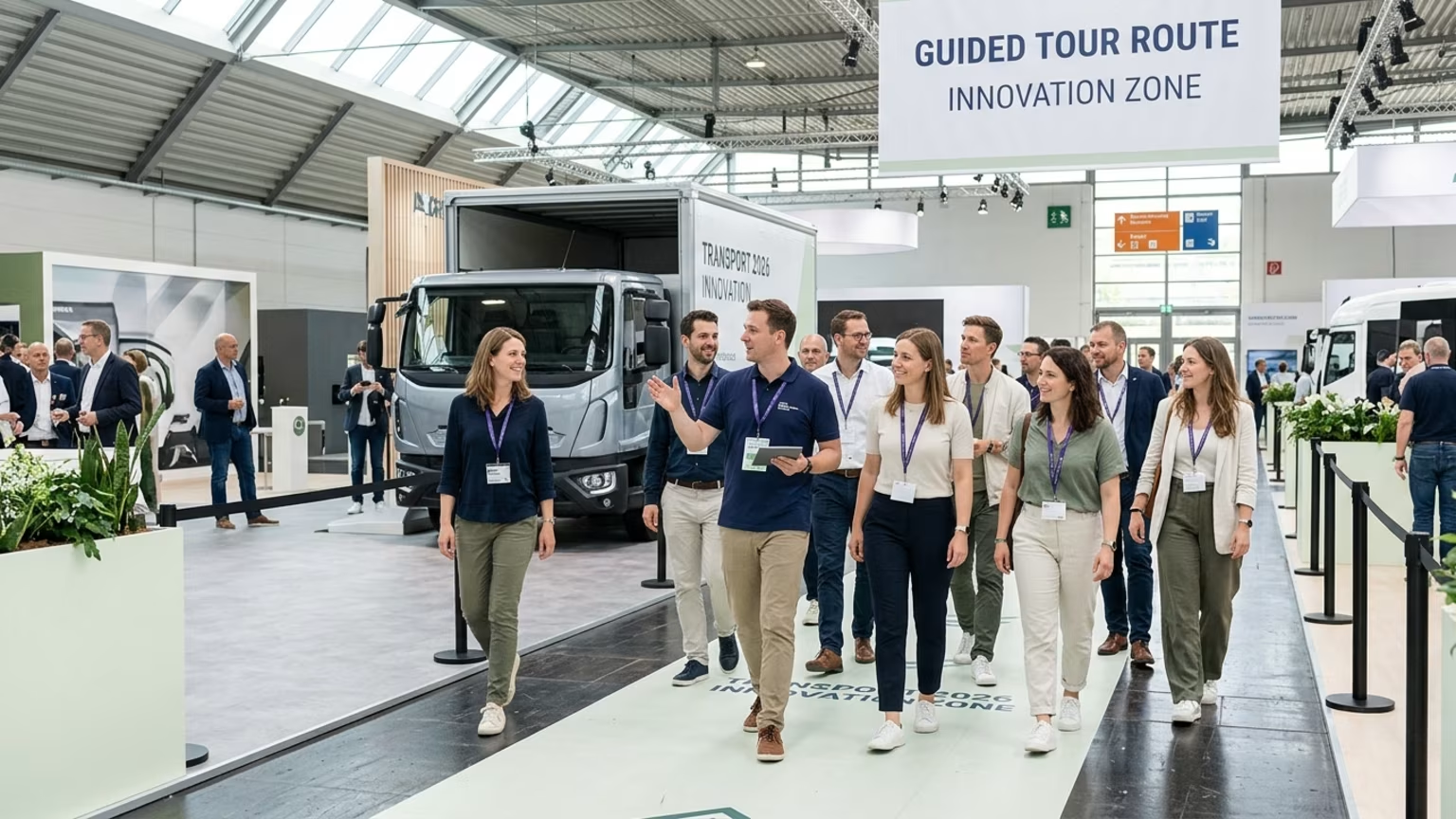
On September 15, 2026, IAA TRANSPORTATION 2026 opened in Hanover with a format designed to pull attendees through specific exhibit zones. The event moved beyond static displays by integrating live product trials directly into the broader exhibition grounds. Organizers connected three separate stages with a curated program of test drives, targeted networking routes, and historical attractions. This operational shift forced participating brands to rethink how they capture and route visitor traffic across a massive physical footprint.
The most significant logistical change involved the sheer scale of live product demonstrations. IAA reported that 84 vehicles from 17 exhibitors were available for test drives in 2026. This represents a 40 percent increase from the 60 vehicles offered during the 2024 event. Exhibitors immediately booked all available test-drive slots, according to the official event announcement. This early sell-out highlights the massive demand for active product trials over passive observation within professional buying environments.
To handle this vehicle volume, the event completely decentralized its operational footprint. Test drives departed from three separate locations across Hall 11, Halls 14/15, and Halls 19/20. Organizers also routed foot traffic through guided Networking Tours focused specifically on battery technology and software-defined vehicles. Outside Hall 26, a Showtruck Mile featured more than 20 historic commercial vehicles to attract visitors toward the outer campus zones.
The broader event communications positioned the show around more than 150 world premieres and new product launches. The schedule also integrated the 16th IAA India Day into the afternoon programming. This combination of heritage displays, localized discussions, and live testing completely replaced the traditional single-hall gathering. Brands had to actively manage attendee movement across these sprawling zones to secure viable business leads.
When brands invest massive budgets into a physical space, they often fail to control what attendees actually do once they arrive. A beautiful booth is just expensive wallpaper if visitors walk away without a qualified brand interaction. The strategy at IAA Transportation 2026 proves that structured evaluation paths generate more commercial intent than unstructured wandering. By forcing attendees into guided tours and scheduled trials, exhibitors guarantee focused buyer attention.
For marketing leaders in the consumer packaged goods and beverage sectors, this automotive format offers a clear operational blueprint. A shopper walking past a retail display is structurally no different from an attendee wandering a massive convention hall. You have to intercept them, qualify their interest, and give them a structured way to experience the product. That is exactly why we design mobile activations and roadshows that accelerate consumer trial, build trust, and boost retail velocity during 90-day product launch windows.
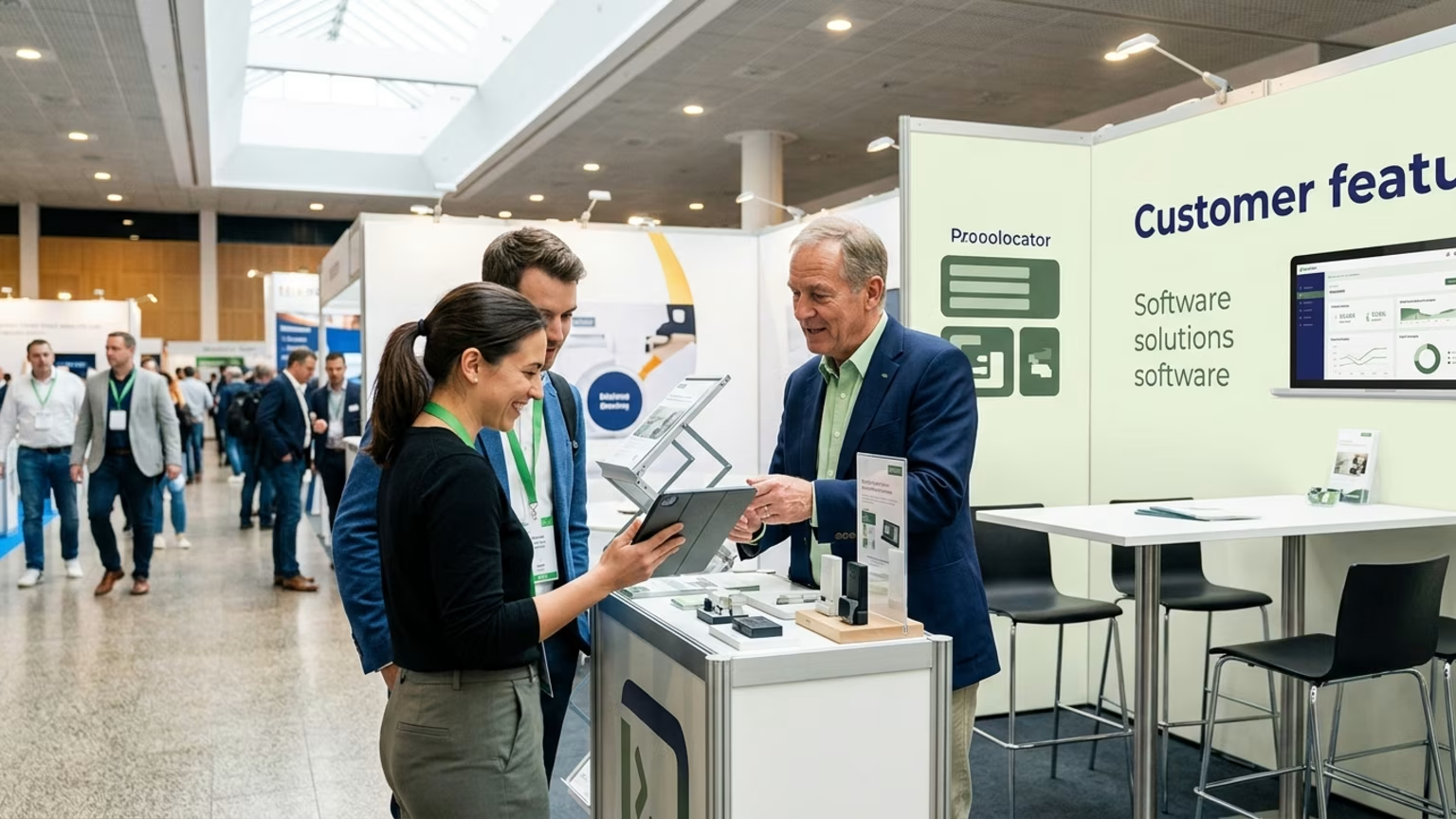
If a prospect tastes a new beverage without a guided conversation, the interaction rarely translates into measurable retail sell-through. Structured product trials allow field teams to qualify the buyer, understand their unique needs, and secure a firm follow-up commitment. Active participation always outperforms passive sampling when the goal is Return on Investment. We see this daily when we plan and manage trade show spaces that attract attention, start conversations, and convert visitors into customers.
Your physical footprint must dictate exactly where the prospect goes next to prevent lost opportunities. You cannot rely on hope or accidental foot traffic to fill your sales pipeline. Organizers in Hanover used specialized stages and themed tours to dictate this physical flow. Consumer brands must adopt a similar mindset by building mandatory interaction points into their event architecture.
A guided journey requires highly trained staff who understand how to move people without making them feel rushed. Our trained brand ambassadors drive in store sales through real conversations and product trials that follow a very specific operational path. They do not just hand out samples and wait for the consumer to act. They lead the conversation, control the physical product trial, and direct the buyer toward a measurable purchase decision.
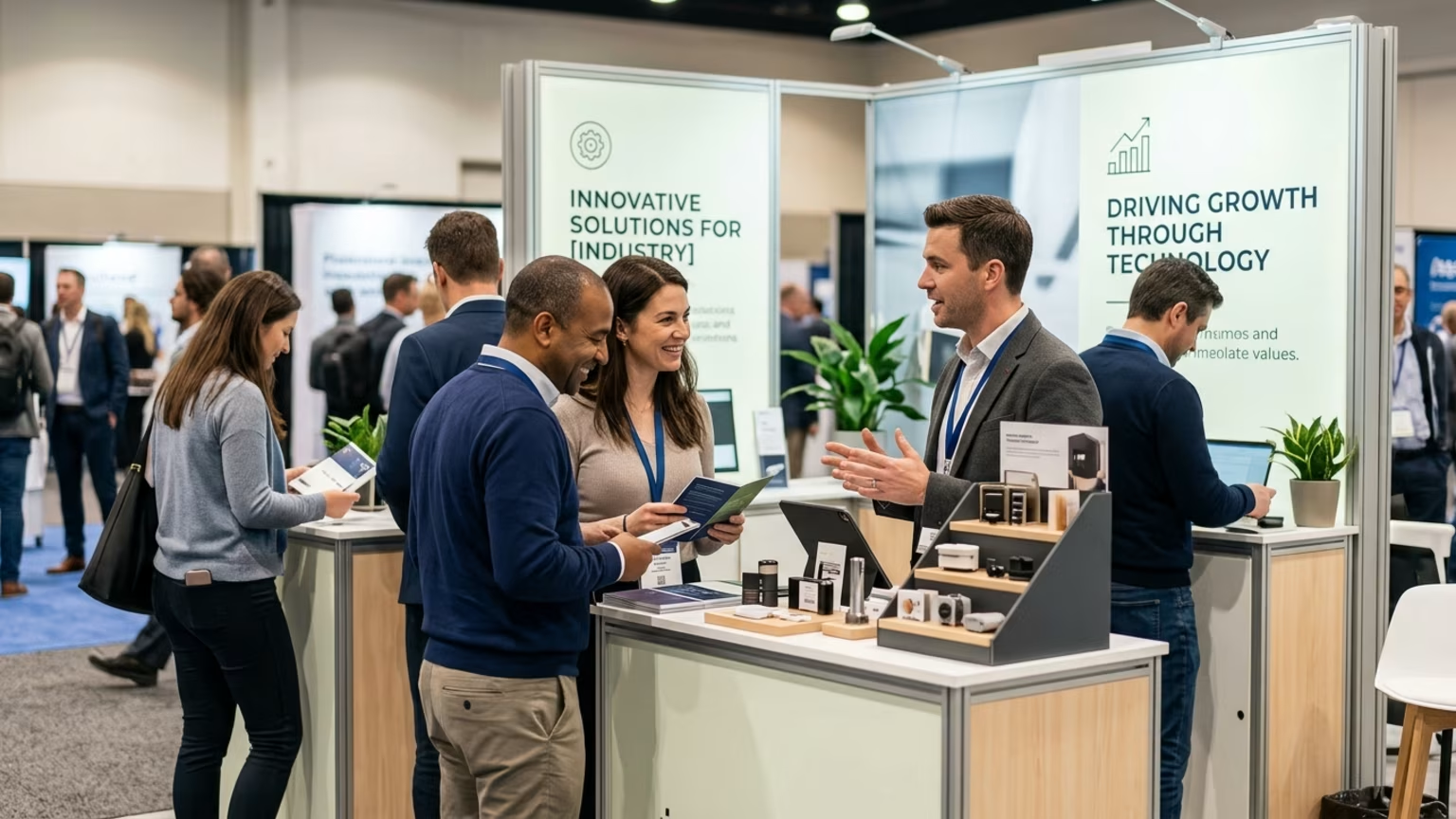
We designed and managed a 40 by 20 foot trade show environment for Glanbia at Natural Products Expo West 2025. This activation brought multiple premium nutrition brands into one coordinated space. We handled concept, operations, staffing and breakdown.
Our team distributed more than 14,000 recorded product samples across the various activation stations. Moving that many physical items requires strict directional flow. This mirrors the logistical challenge of routing 84 test vehicles through a convention center.
Moving attendees through scheduled experiences creates a massive operational challenge for field teams. When you shift from a static booth to multiple departure zones, your staffing requirements multiply immediately. Brand ambassadors must now manage registration queues, oversee strict safety protocols, and route traffic safely across massive venues. If one transition fails, the entire schedule backs up and frustrating delays occur for the consumer.
Permitting and venue compliance also become incredibly complex when activations cross property lines. Running vehicles or mobile sampling units through public roads and crowded convention spaces requires precise logistical control. Teams must secure distinct clearances for the static footprint, the transit routes, and the active demonstration zones. We manage end to end Costco roadshows that bring brands to shoppers through live demos and real conversations precisely to mitigate these exact logistical hurdles.
Logistics managers must treat every physical asset as a moving piece of inventory. We store your sampling product and event gear, then ship, track, and coordinate delivery nationwide so every activation stays on schedule. The Hanover event required massive logistical support to ensure that dozens of demonstration vehicles remained operational throughout the exhibition. CPG brands face the exact same pressure when rotating sampling kiosks across multiple high-volume retail locations.
Data capture must evolve rapidly to match these decentralized event layouts. You cannot rely on a single badge scanner at a welcome desk when critical interactions happen across three different halls. Field teams need integrated reporting tools that track an attendee from their initial tour registration to their final product trial. Without this strict operational framework, brands risk executing an expensive activation that produces zero actionable pipeline.
Many leading brands now rely on consistent multi-city mobile sampling tours to solve this exact measurement problem. By standardizing the check-in process across every location, you eliminate data gaps and ensure clean CRM routing. This level of control allows marketing directors to tie specific physical interactions to actual retail performance. Using trade shows as a growth channel in 2026 requires this exact commitment to measurable performance metrics.
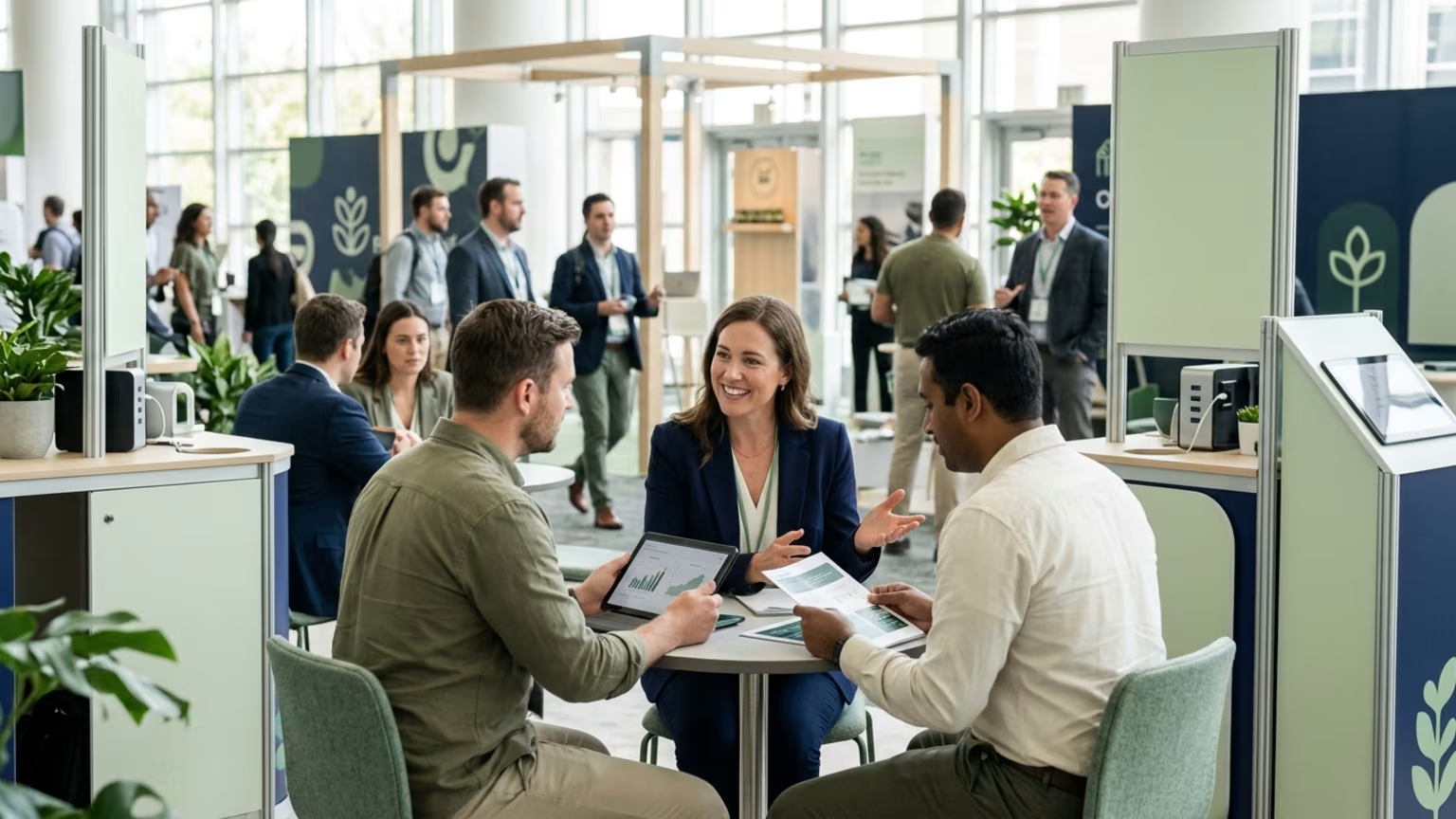
Furthermore, poor flow directly impacts lead quality during peak event hours. When a booth becomes too crowded, brand representatives cannot separate curious onlookers from serious buyers. Structured departures and timed appointments naturally filter out unqualified attendees from the primary activation space. This creates a highly focused environment where genuine sales conversations can actually happen.
Daimler Truck capitalized on this decentralized layout to prove their product claims in a highly practical environment. The manufacturer stated that its Mercedes-Benz Trucks presence in Halls 19/20 served as a central starting point for ride-alongs and customer test drives. These specific routes crossed the exhibition grounds and partly used public roads. This layout allowed the brand to demonstrate vehicles under real operating conditions instead of relying on theoretical presentations.
For a premium beverage or snack brand, this approach validates the need for contextual sampling. You do not just want consumers to try your product in a sterile, isolated environment. You want them to experience it in a setting that mimics their actual daily routine or primary usage occasion. This contextual approach builds emotional resonance and drastically increases the likelihood of a long-term purchase commitment.
The shift toward structured experiences proves that the traditional trade show model requires a massive operational upgrade. As you review your physical marketing calendar for the next fiscal year, are your field teams prepared to build guided, high-conversion experiences rather than just staffing another passive exhibit space?
Moving attendees from initial curiosity into structured product trials requires intense operational discipline. When scattered attention and poor booth flow prevent your marketing team from generating qualified retail demand, Makai redesigns the physical interaction. Through our Mobile Sampling Tours, we deliver your brand directly to audiences through on the go experiences that drive trial and awareness. Request a proposal

30 Years Experiential & Retail Activation Partner for CPG & Beverage Brands | Multi-Market Demos, Roadshows & Costco/Club Programs That Actually Sell