Robbie Thain
Founder, CEO

HubSpot rebranded its 2026 convention as UNBOUND, shifting from passive booths to active engagement mechanics. See the operational lessons for physical brands.

On September 16 to 18, 2026, HubSpot hosted its annual convention in Boston. This marked the first edition under the UNBOUND name after 15 years as INBOUND. The rebranding effort signaled a major shift in how the software provider structures its physical experiences. EventMarketer reported that HubSpot positioned the rebrand as reflecting its business evolution.
The company wanted to reach beyond a marketing-only audience to support an agentic customer platform. The live execution required a massive logistical lift across the entire venue. EventMarketer noted that more than 13,000 in-person attendees were expected before the event began. To support this expanded scope, planners programmed more than 200 sessions into the schedule.
They also introduced new breakout formats and curated networking programs to drive participation. The goal was to build an environment that prioritized real business growth discussions. Planners achieved this by physically changing how attendees moved through the available spaces. A new name demands a structurally different approach to floor operations.
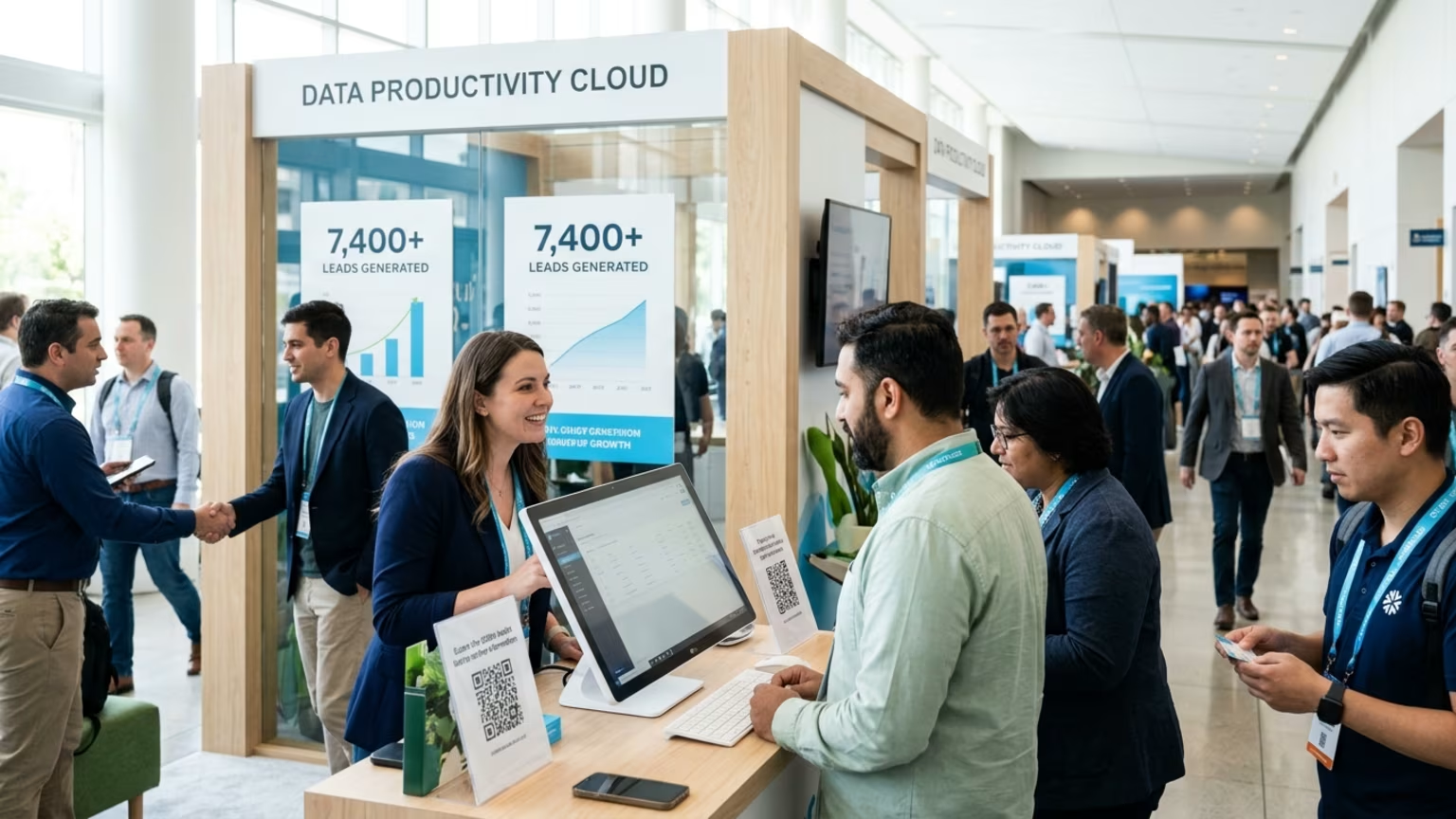
The physical layout of the convention evolved from standard exhibit rows into a highly interactive environment. HubSpot VP of global events and experiential marketing Kat Tooley described the rebrand as a full event transformation. She noted the team pressure-tested whether each part of the event felt like UNBOUND rather than INBOUND with a new banner. The resulting show floor combined sponsor activations, games, branded merchandise and food.
Tooley said that more than 14,000 people registered for the conference. Furthermore, she reported that more than 1.6 million joined the livestream over the event days. HubSpot built specialized spaces to facilitate different tiers of professional interaction. The Meeting Hub & Suites hosted one-on-one conversations for targeted business discussions.
The Exchanges operated as community spaces that drew attendees back repeatedly during the week. Planners also implemented two major structural additions to the standard floor plan. HubSpot introduced The Unlock, which functioned as a venue-wide NFC scavenger hunt. This specific mechanic extended the physical reach of the conference far beyond the main hall.
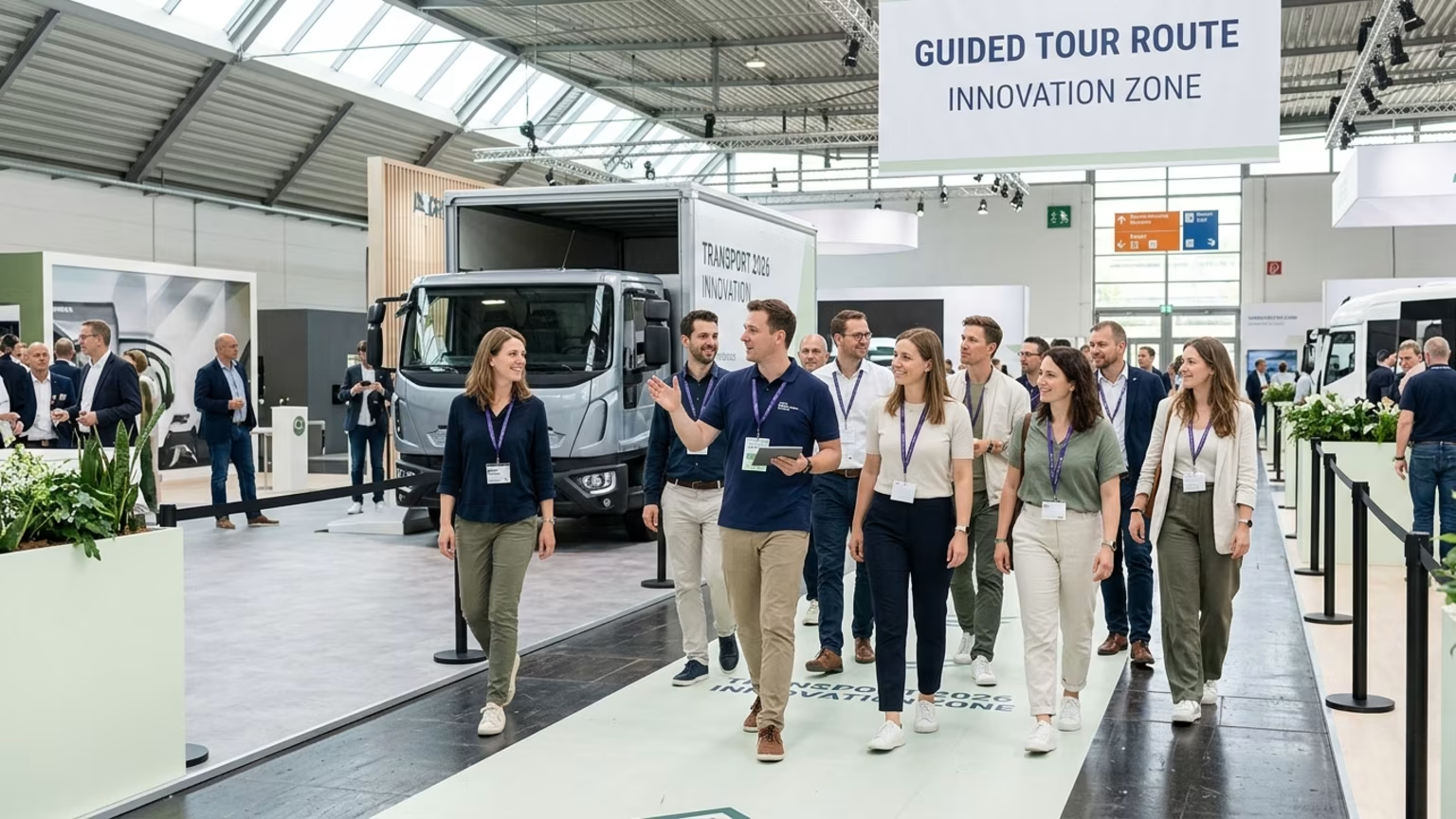
They also launched the Tech Stack Showcase as a secondary interactive zone. This gave sponsors another way to bring products to life outside a traditional booth. Spreading the interactions across multiple areas prevents severe floor bottlenecks. It also forces attendees to actively navigate the environment rather than passively observing it.
Makai views this operational pivot as a prime example of disciplined event design. A fresh brand identity only succeeds if the physical mechanics on the floor validate the new messaging. CPG and beverage brands face this exact operational test when launching multi-city tours or major retail programs. We know that securing square footage is merely the first logistical hurdle.
Changing a corporate logo is simple, but rebuilding how a shopper physically experiences a product requires rigorous execution. Marketing leaders must prioritize formats that force meaningful human interaction over passive visual branding. If your footprint relies entirely on signage, you will lose the crowd to competitors offering active participation. Proper planning requires anticipating how AI marketing tools might help quantify these floor interactions.
This approach aligns closely with our core focus on highly controlled field systems. We designed and managed a 40 by 20 foot trade show environment for Glanbia at Natural Products Expo West 2025. We built a coordinated space for think!, Isopure, Optimum Nutrition and Amazing Grass. Our team handled concept, operations, staffing and breakdown for the entire footprint.
Ultimately, we oversaw more than 14,000 recorded product samples distributed across the activation stations. Success at that volume demands the exact same pressure testing that HubSpot applied to its rebranded Boston convention. Generating measurable pipeline from a massive crowd requires turning chaotic foot traffic into documented trial. Attention means nothing if your field team fails to capture the data.
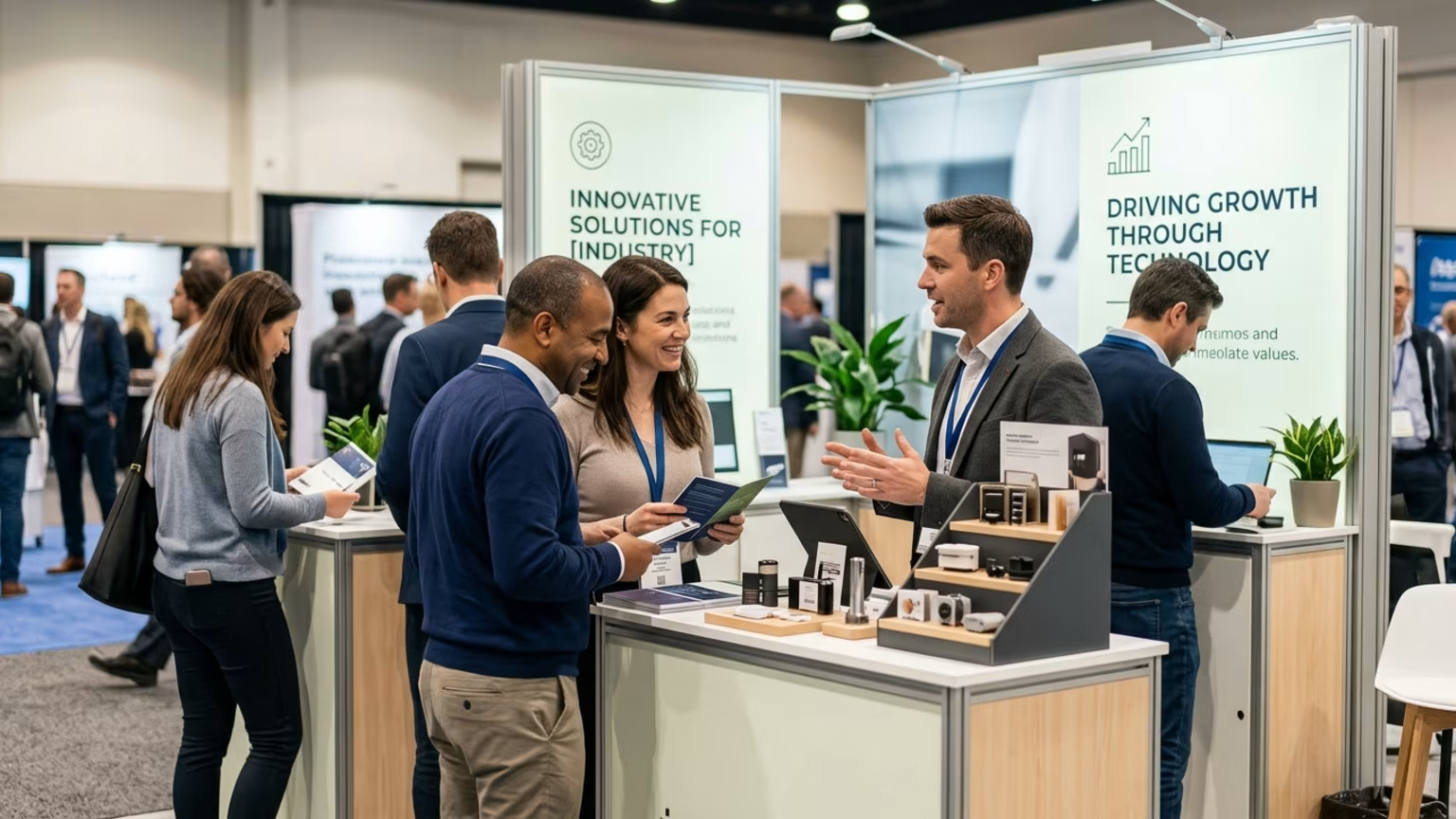
Replacing static product displays with active games radically alters the demands placed on field staff. Exhibitors can no longer afford to staff their spaces with passive representatives. Instead, teams must integrate physical mechanics with trained personnel who understand how to guide a conversation. Aurasell proved this by running a claw machine that offered chances to win Starbucks or Amazon gift cards.
The game acted as an immediate visual draw for passing attendees. However, Aurasell's head of global event marketing Kari Reynosa stressed that the machine was not a standalone solution. Reynosa said her team was explicitly trained to engage attendees who stopped to play. A strong physical mechanic always requires an equally strong conversational follow-up.
Other sponsors deployed comparable engagement tactics that required strict crowd management and operational oversight. Trestle attracted visitors with a jelly-bean guessing game offering a chance to win a Tin Can device. WiseStamp executed a targeted giveaway of Beats by Dre headphones for attendees who followed the company on LinkedIn. HubSpot's pre-event show-floor guide specifically advertised these sponsor games, custom takeaways and photo opportunities.
Managing these interactive elements requires brands to tightly control their trade show ROI through strict data capture. For physical consumer brands, running multiple active touchpoints simultaneously introduces complex permitting and logistical hurdles. If your brand ambassadors cannot process a long line efficiently, an engaging activation quickly deteriorates into a frustrating bottleneck. Your field staff must balance the speed of the game with the depth of the subsequent sales conversation.
This balancing act requires a precise understanding of universal lead capture systems to secure contact data quickly. Operating an interactive environment successfully means ensuring that every piece of physical hardware functions perfectly for days. A broken game or a missing prize creates an immediate operational failure. Preparedness is the only metric that matters before the doors open.
The ultimate worth of any floor activation is measured in documented business outcomes rather than mere crowd size. Reynosa reported that Aurasell had booked more than 50 meetings by the first day of the show. This result highlights the critical link between a simple game and a structured operational goal. A claw machine stops the foot traffic, but a trained ambassador secures the actual commercial commitment.
Tooley noted that the floor was specifically designed to offer attendees repeated reasons to stop and interact. She argued that people continued to value connecting in person despite the heavy focus on artificial intelligence content. This proves that high-performing lead generation still relies heavily on face-to-face dialogue. The technology simply facilitates the human introduction.
When event organizers prioritize venue-wide engagement, exhibitors must adjust their own operational standards. Active participation mechanics require rigorous planning, flawless physical execution and highly trained field personnel. Attention remains nothing more than a temporary metric until an ambassador converts it into documented value. The most visually stunning brand environment eventually answers to the cold reality of operational readiness.
When exhibitors shift from static displays to high-volume interactive mechanics, securing the physical infrastructure becomes a critical operational requirement. Makai resolves the difficulty of navigating complex event logistics, permits, and staffing. We store your sampling product and event gear, then ship, track, and coordinate delivery nationwide so every activation stays on schedule.

30 Years Experiential & Retail Activation Partner for CPG & Beverage Brands | Multi-Market Demos, Roadshows & Costco/Club Programs That Actually Sell