Robbie Thain
Founder, CEO

Consumer packaged goods marketers are shifting from vanity metrics to measurable pipeline by using experiential roadshows to drive regional retail velocity.

A towering augmented reality installation sits in a grocery store parking lot. Two brand ambassadors stand nearby while consumers take selfies with the massive structure. The activation looks stunning on social media. Yet not a single person has tasted the product or received a coupon for the retailer fifty feet away.
Your massive interactive installation is bleeding you dry. Brands pour budgets into these spectacles hoping for a halo effect. The reality is that unmeasured visual theater rarely moves consumer packaged goods off the shelf.
MarketingProfs, citing industry estimates, reports global experiential spending of $128.35 billion in 2024. The U.S. accounted for $52.80 billion of that total, representing 45.5 percent of the global market. Despite this massive investment in live events, many marketing operators still struggle to connect physical activations with retail velocity. This mismatch between spending and measurement is exactly why modern field marketing requires an operational overhaul.
Mainstream experiential marketing often collapses under its own weight. Marketing leaders approve six-figure budgets for multi-city tours and expect a measurable Return on Investment. Instead they get a beautiful dumpster fire of high sample counts and zero qualified pipeline. Teams treat a roadshow as a collection of isolated stops rather than a coordinated system.
Field teams frequently optimize for the easiest metrics available. They count the number of free items handed out. They report on total foot traffic and call the campaign a massive success. But impressions do not establish repeat purchase.
A launch program must distinguish between passive exposure and actual retail conversion. When event staff are not trained to drive buyers toward a specific retailer, the consumer journey ends at the sampling tent. The Chief Marketing Officer receives a post-event wrap report full of vanity metrics. Meanwhile regional sales data shows absolutely no movement.
This disconnect creates massive internal anxiety for brand directors facing pressure to justify their field marketing spend. The sales team wants retail meetings booked and category buyers impressed. The field team just wants to distribute their quota of samples by Sunday afternoon. The failure to prevent experiential campaigns from becoming dumpster fires stems from this exact lack of operational focus.
The alternative to this chaos requires a fundamental shift in operator mentality. At makai we approach every campaign with a blend of warm human authenticity and brutal operational discipline. We design mobile activations and roadshows that accelerate consumer trial, build trust, and boost retail velocity during 90-day product launch windows. Our structured approach transforms initial product trial into sustained consumer confidence and retail performance.
This means treating every activation as an extension of the retail strategy rather than a standalone event. PRWeek reports that consumer packaged goods marketers are doubling down on multi-city experiential roadshows to support new-product launches. These operators are building systems that prioritize commercial outcomes. They understand that a roadshow is a powerful sales tool when executed correctly.
According to PRWeek, the profiled brands are using modular event setups to scale their efforts. A modular build allows a brand to reuse a core physical platform while adapting messaging for different markets. This operational consistency simplifies fabrication, transportation, and training across multiple cities. It also allows field teams to adjust product displays and sampling formats based on the specific retail environment.
Reusable structures improve efficiency and help brands maintain quality control on a national level. The discipline of a modular system ensures that the brand presents a unified front whether activating in a grocery lot or a downtown plaza.
A beautiful physical footprint is useless without the right human interaction. PRWeek says the profiled brands are using performance-based staffing models to improve their field execution. This implies that staffing decisions are being evaluated against measurable outputs rather than headcount alone. For operators this means defining exactly what field staff are expected to produce.
Teams need a clear definition of a qualified interaction. Is it a completed product demo, a specific data capture, or an offer redemption? A strong staffing protocol limits wasted effort. When teams understand their commercial purpose, they stop chasing unqualified interactions just to pad their daily numbers.
Ambassadors should be evaluated on product education, offer explanation, and accurate reporting rather than simple sample volume. A team member who secures fifty qualified loyalty signups is far more valuable than one who blindly hands out five hundred samples. This disciplined approach ensures every consumer interaction deliberately moves the needle toward a purchase. It completely changes the incentive structure on the ground.
Marketers must shift their focus from tracking vague impressions to demanding pipeline from mobile roadshows. This requires clear alignment between the physical activation and the retail destination. According to PRWeek, the brands profiled are tying live demos and sampling to retailer-specific promotions and loyalty programs. The brand creates trial in person and directly routes consumers toward a retail partner.
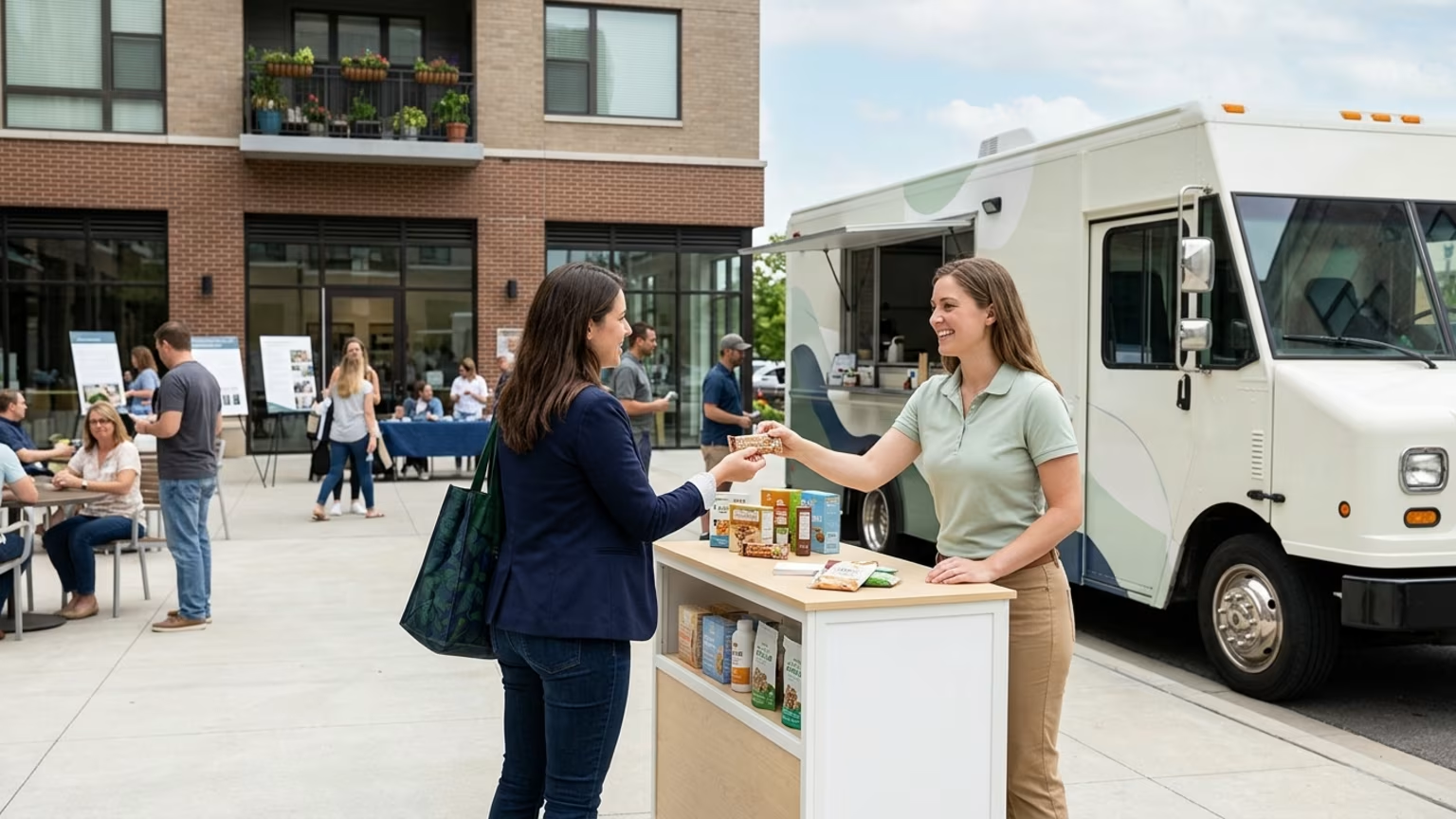
They use offers or loyalty tools to make the interaction highly measurable. Instead of reporting total crowd size, field managers must track tangible outcomes. This includes tracking the precise number of samples distributed to target buyers or retail meetings booked directly from the event. This integrated process turns a standard field marketing tour into a localized revenue engine.
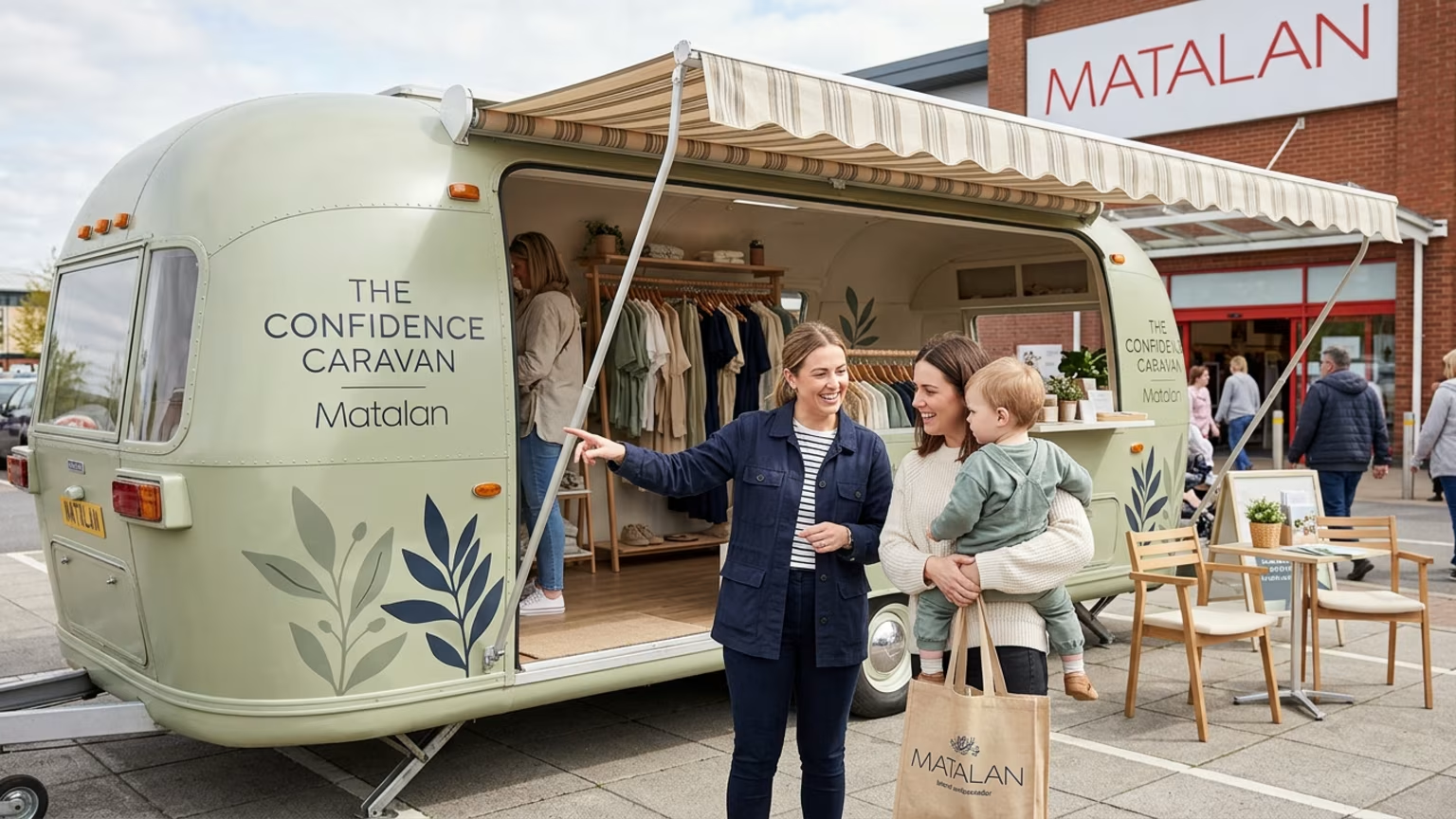
Roadshow operators argue that placing an activation near a store can connect product trial with the shopper purchase journey. When a brand parks a mobile tour outside a key retailer, they intercept consumers at the critical moment of decision. This physical proximity removes friction from the path to purchase. Using retailer-specific offers, store locators, and redemption codes gives the consumer a clear next step.
Tailoring promotions to different retailers can drastically improve local relevance. However, it also introduces complexity into cross-market comparisons. A dashboard should preserve enough common definitions to compare markets while still recording local differences. This strategy transforms a simple sampling stop into a direct driver for regional retail performance.
Product launch roadshows succeed when they bridge the gap between tasting the product and actually buying the product.
To prove the value of these integrated campaigns, brands need rigorous tracking mechanisms. PRWeek says the profiled brands use post-event analytics dashboards to link experiential reach with regional sales uplift. However, tracking requires serious preparation before the trucks ever leave the warehouse. A broader experiential marketing measurement article from MarketingProfs similarly recommends defining the business objective before the activation begins.
Campaign teams should decide which two or three numbers matter before an event starts. They must put the tracking infrastructure in place before launch. This level of foresight separates successful operators from those simply burning budget. Marketers should establish baseline sales, activated and comparison markets, event dates, and redemption windows early.
This allows teams to select metrics appropriate to their objective. This could include sample-to-sale measurement where purchase tracking is possible. Leading indicators might include qualified conversations, loyalty enrollments, and offer redemptions. Lagging indicators typically include retail sales, repeat purchase, and incremental revenue.
Using experiential roadshows to drive retail growth means holding the physical channel accountable for real business results.
The era of experiential marketing as pure visual theater is ending. Consumer packaged goods brands can no longer afford to fund massive roadshows that produce great photography but zero retail momentum. Success requires demanding execution over aesthetics at every stage of the campaign. It requires integrating physical product trial with digital loyalty tools, enforcing disciplined staffing, and tracking measurable regional sales impact. When brands prioritize operational rigor over flashy gimmicks, live experiences become a powerful engine for commercial growth. Demand more from your field activations, and the pipeline will certainly follow.

30 Years Experiential & Retail Activation Partner for CPG & Beverage Brands | Multi-Market Demos, Roadshows & Costco/Club Programs That Actually Sell