Robbie Thain
Founder, CEO

Design mobile activations that accelerate consumer trial, build trust, and boost retail velocity during 90-day product launch roadshows.

The convention center doors open at eight in the morning sharp. Within twenty minutes, a flood of buyers and consumers swarms the aisles. Pallets of sample product sit half-wrapped behind your display counter. Your brand ambassadors are still reading the brief on their phones.
Product launch roadshows require a structured 90-day window to convert physical sampling into verifiable retail velocity. A disciplined strategy connects live consumer trial directly to regional sales data without waiting on point-of-sale reporting delays.
Many marketing operators treat trade shows and launch events as isolated branding moments. They throw money at massive booths and hope for organic buzz. According to trade show analysis by Makai Inc, 81 percent of attendees at these events hold direct buying power. A disorganized activation means losing the attention of retail buyers who dictate your shelf space.
Industry research shows that trade shows rank as the second most effective tactic for lead generation across the country. Brands invest heavily to secure floor space at these massive events. The physical presence alone does not guarantee any meaningful business outcome. You have to earn the attention of the buyers walking the aisles.
Sloppy execution actively amplifies consumer distrust. Serving warm samples or using generic scripts does more harm than good. A poor physical sample actively repels potential buyers. The reality on the ground requires precision over pure theater.
Fragmented execution leaves marketing leaders under immense pressure. They struggle to prove that their expensive field activations generate actual retail confidence. An event that looks busy often produces fog instead of evidence. You need clear systems to turn that busy trade show presence into repeatable sales.
When planning high impact trade show calendars, every detail matters. Buyers from major chains expect your presentation to give them absolute confidence in your product. They want to see reliable retail velocity alongside a great tasting item. A weak demonstration will cause you to lose opportunities with retailers like Costco or Target.
The shift toward digital content creates a severe crisis of truth for new consumer packaged goods. Consumers increasingly doubt digital claims and demand physical proof. Research from HerBusiness indicates that marketing strategies need a minimum 90-day evaluation window to establish trust and sales lift. Rushing judgments early risks abandoning strategies right when momentum builds.
A successful roadshow treats physical trial as the primary engine for consumer trust. Sensory experiences clear up skepticism instantly. Artificial intelligence cannot replicate the crunch of a chip or the chill of a cold drink. Brands must design transparent activations where consumers see the exact preparation process.
Analysis from Makai Inc on recent SXSW activations reveals that physical events effectively counter modern AI skepticism. Hidden backroom preparations mimic the black box algorithms that consumers already distrust. Showing the physical product preparation builds immediate rapport. This transparency proves your brand has nothing to hide.
It creates an authentic connection that digital advertising cannot match. Digital opt-ins should never precede the actual physical trial. Forcing consumers to fill out forms before they taste the product deters engagement. Physical proof must always lead the interaction. Once consumers experience the quality firsthand, they become far more willing to share their contact information.
Executing a nationwide tour requires operator-grade discipline. You must break the process down into measurable actions. The following steps outline how to run a high impact roadshow.
Secure lean event footprints
A compact ten-by-ten booth performs perfectly for high-traffic trial events. Massive spaces often waste budget that should fund better staff training. Keeping the footprint tight forces your team to optimize engagement flow. This lean approach scales perfectly across multiple regional events.
Train for retail velocity
Ambassadors must know how to sell reliable product movement. They need deep objection training to win over buyers from major retail chains. Sampling specialists at CPM International emphasize that active selling campaigns connect brands directly with consumers. This training separates a basic sampling station from a true revenue generator.
Deploy interactive data elements
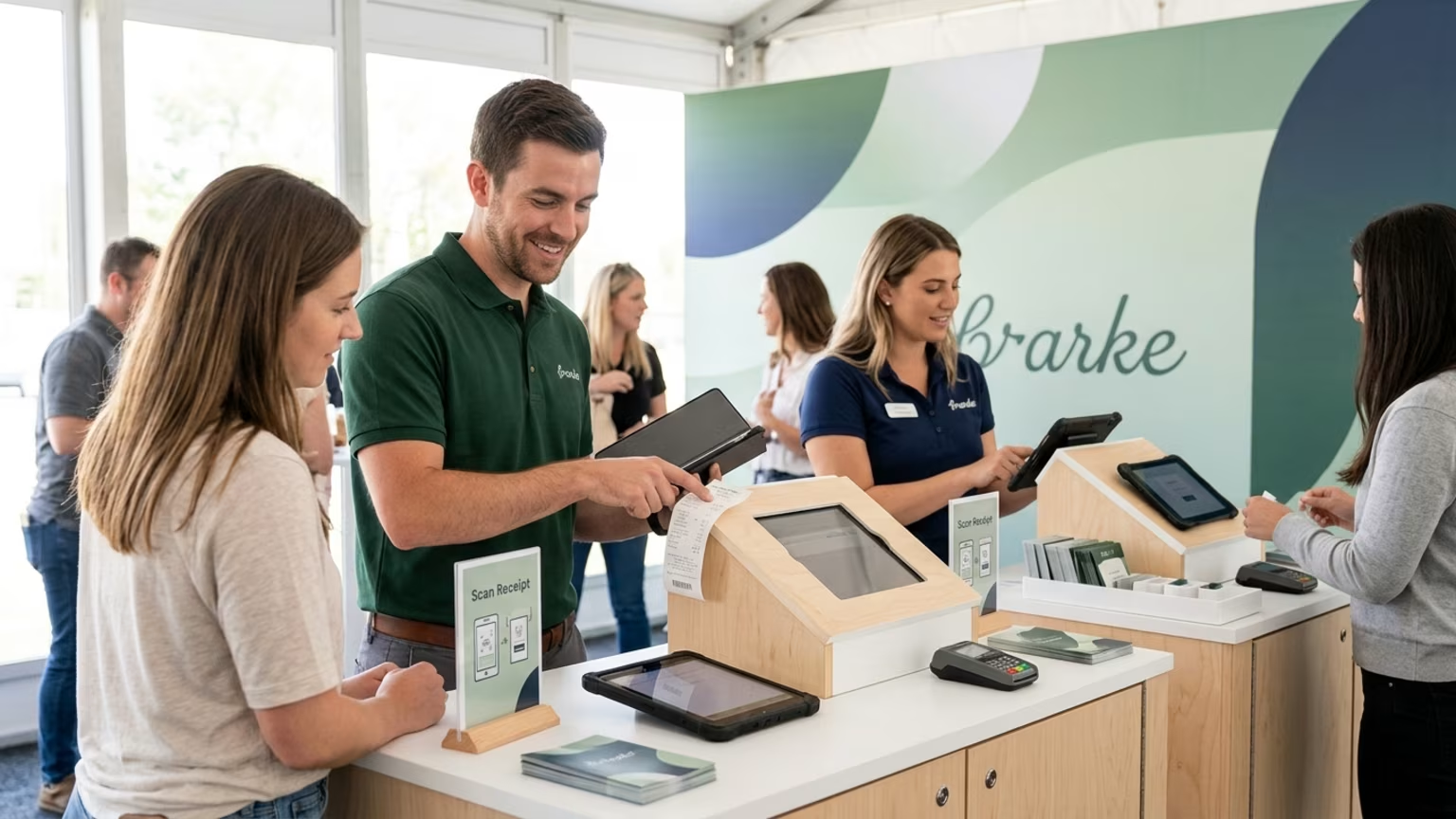
Interactive technology boosts wait lines and speeds up data capture. Data from Made for Arcade shows one interactive totem at a four-hour event handled over 300 plays. The machine collected 240 contact details and created the longest queue on the floor. Gamification turns a passive sample into an engaging brand moment.
Pre-qualify your event attendees
Not all event leads hold the same value for your business. Volume alone fails without a system to filter out casual observers. Pre-qualify your attendees by asking simple questions during the initial sample handoff. This quick verbal filter helps your staff identify serious buyers instantly.
Automate rapid follow up sequences
Implement strict communication timelines to prevent lead decay. Next-day emails and day-three texts keep the brand fresh in the consumer mind. Delays in communication will kill your 90-day sales lift. Consistency in follow up turns a fleeting interaction into a loyal customer.
Tie regional events to targeted store expansions
Plan your activations in territories matched to targeted store rollouts. This localized approach helps you test campaigns live on expo floors for immediate feedback. When you align your events with structured product launch strategies, you create immediate localized demand. Buyers notice when an activation drives foot traffic directly to their targeted retail locations.
Event teams often struggle to connect physical interactions to actual pipeline growth. Measuring Return on Investment requires shifting focus away from sheer foot traffic. You need lead metrics that show immediate engagement and lag metrics that prove financial impact. Clear tracking prevents your marketing spend from becoming a vanity exercise.
Your primary lead metric is the volume of verified product trials. You must track the exact number of qualified conversations your ambassadors complete. You then measure the percentage of those interactions that result in a digital opt-in. This data gives you a clear baseline for activation performance.
Lag metrics include regional retail sell-through within the four weeks following an activation. Sending post-event texts with store locator links helps track trial-to-purchase conversion. This strategy tracks sales lift without relying on slow point-of-sale data from retailers. It proves your physical event directly influenced consumer buying behavior.
By week two, your communication flow should shift toward providing direct retailer locators. Sending automated messages with local store information bridges the gap between the event and the retail shelf. It directs the consumer exactly where to buy the item they tasted. This targeted direction maximizes your chances of securing a repeat purchase.
Incentivizing week-four repeat purchases builds long term brand loyalty. You can offer a secondary discount code valid only at targeted retail partners. This pushes the consumer back into the physical store for another transaction. Consistent foot traffic data proves to your buyers that your product moves.
Theory only matters if it translates into concrete retail success. Consider a recent case study involving a premium beverage launch at a major industry expo. The brand treated the trade show as a highly structured pipeline engine rather than a simple sampling station. They implemented a tiered engagement model to maximize their time on the floor.
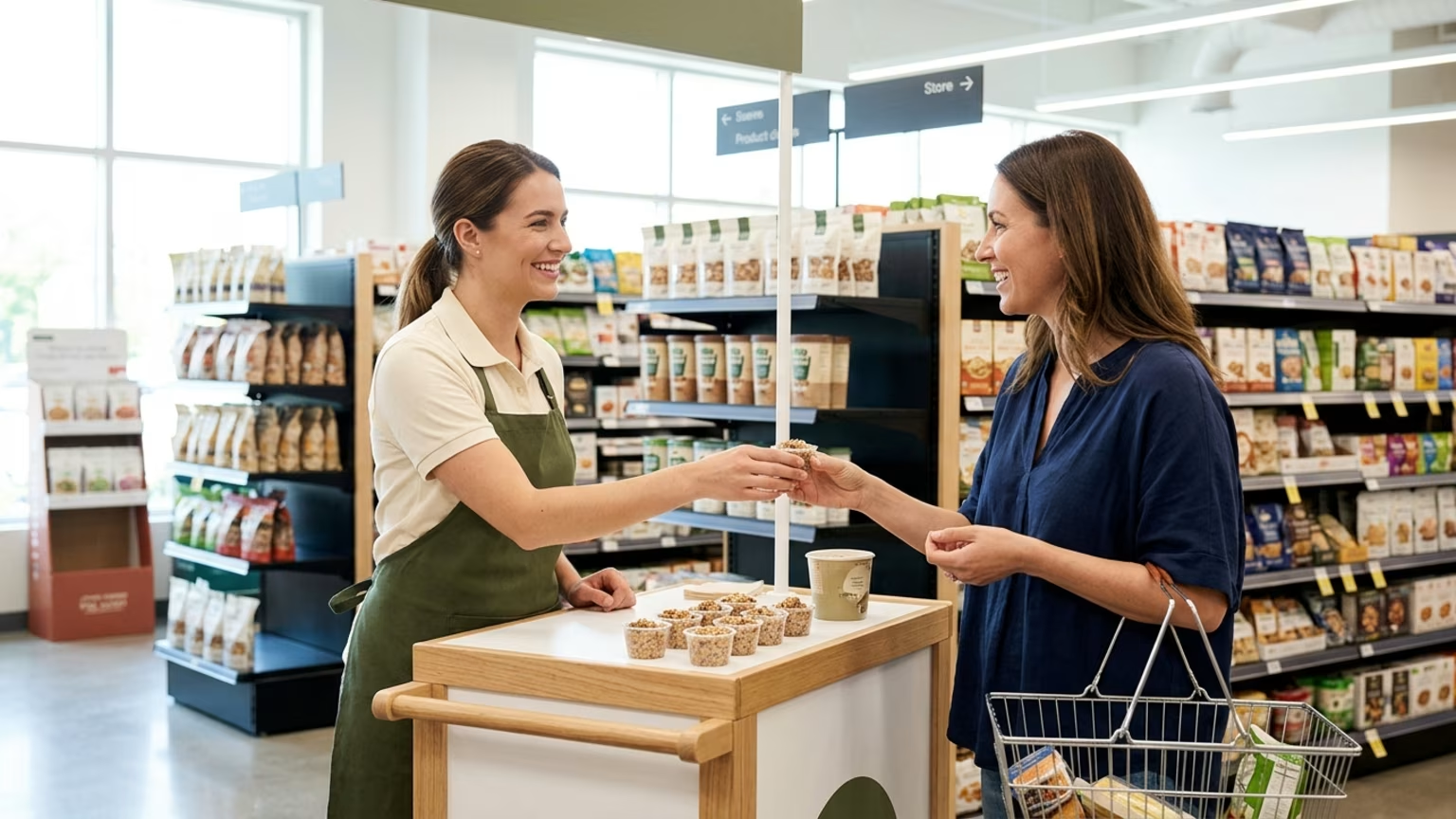
The first tier focused purely on rapid product sampling for immediate trial. The second tier introduced feedback-gated emails to capture consumer data. The third tier involved in-depth buyer conversations with qualified retail managers. This systematic filtering process kept the booth flowing smoothly.
Their immediate post-event follow up included customer relationship management sequences. These sequences sent targeted retail discount codes directly to the attendees. This exact execution yielded three new retail partnerships within thirty days. The data gave the retail buyers absolute confidence in the product velocity.
Another brand used this exact 90-day window to test a complete visual update. They set up lean ten-by-ten booths at regional expos to gather immediate feedback on their new packaging. The team trained their staff to ask targeted questions about the visual appeal. This live testing prevented a massive retail rollout disaster.
This outcome proves that focused event execution drives major commercial results. Brands that coordinate physical channels effectively stop wasting money on empty brand theater. They build reliable systems that generate proven demand. To replicate this level of operational discipline for your next launch, simply Book a strategy call with our expert team today.
Precision execution turns live brand experiences into measurable pipeline. Stop settling for scattered attention and start building roadshows that convert.

30 Years Experiential & Retail Activation Partner for CPG & Beverage Brands | Multi-Market Demos, Roadshows & Costco/Club Programs That Actually Sell