Robbie Thain
Founder, CEO

Learn how the Sprite Heat Happens mobile tour used misting stations and custom trucks to turn extreme Atlanta weather into measurable retail pipeline.

The thermometer reads ninety-five degrees on a blistering Atlanta afternoon. A sweaty pedestrian scans the concrete block for a sliver of shade. They spot a branded cooling truck ahead and walk straight toward it. Relief is just one ice-cold sample away.
Turning extreme weather into a tactical advantage requires precise mobile logistics and a deep understanding of consumer behavior. We break down the framework for using climate-responsive mobile tours to drive product trial and capture measurable retail pipeline.
Summer heat sounds like the perfect backdrop for a cold beverage campaign. The reality on the ground rarely matches the boardroom pitch. Most brands treat outdoor sampling as a simple numbers game without considering the physical toll on both staff and consumers. This naive approach leads to wasted budgets and embarrassing field failures.
When temperatures spike above ninety degrees, standard pop-up tents become miserable traps. Ice supplies melt rapidly in uninsulated coolers. Brand ambassadors lose their energy and retreat to the shade instead of engaging passersby. Consumers simply want to escape the sun and will ignore any brand that demands too much effort.
The logistics of keeping products at the optimal serving temperature require military-grade planning. We see many brands deploy basic tables and branded coolers that look terrible after two hours in the heat. A warm beverage sample does not just fail to convert a customer. It actively damages the brand perception in the mind of the thirsty consumer.
Poor weather planning actively destroys lead capture efforts. A consumer baking in the sun will not stop to scan a QR code or fill out a digital form. They will grab a product and run for the nearest air-conditioned building. The brand loses the engagement opportunity, the first-party data and the chance to measure retail impact.
A successful summer roadshow treats the weather as a trigger for engagement rather than a logistical hurdle. The core strategy relies on providing immediate physical relief alongside seamless consumer data capture. You must build an environment where the consumer actively wants to stay. This requires shifting from a promotional mindset to a hospitality mindset.
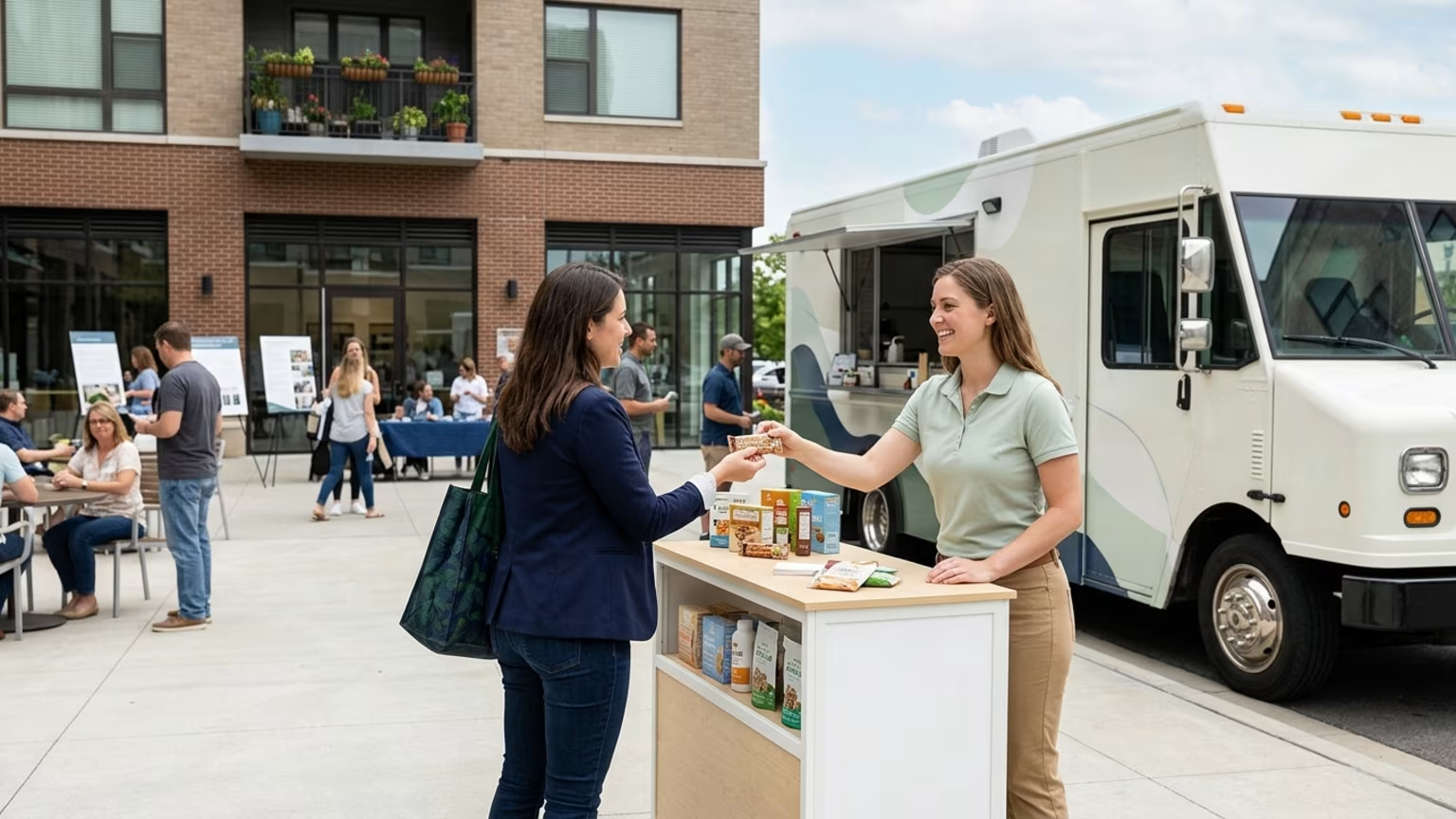
Mobile truck builds offer the most reliable foundation for this approach. A custom truck provides built-in shade, heavy-duty refrigeration and a clear focal point for the crowd. It allows your team to pack up and relocate quickly if foot traffic shifts. Mobility is your greatest asset when tracking unpredictable summer crowds. To keep everything running smoothly, operators must master the local requirements before tires hit the pavement. Brands that prioritize managing permits and planning efficient routes never get shut down by local authorities.
Designing the footprint flow requires absolute precision. The consumer should enter the cooling zone naturally, receive a product sample without waiting in a long line and encounter a low-friction opportunity to engage digitally. Every second of that experience must feel rewarding. A disjointed layout creates bottlenecks that frustrate hot consumers and push them away.
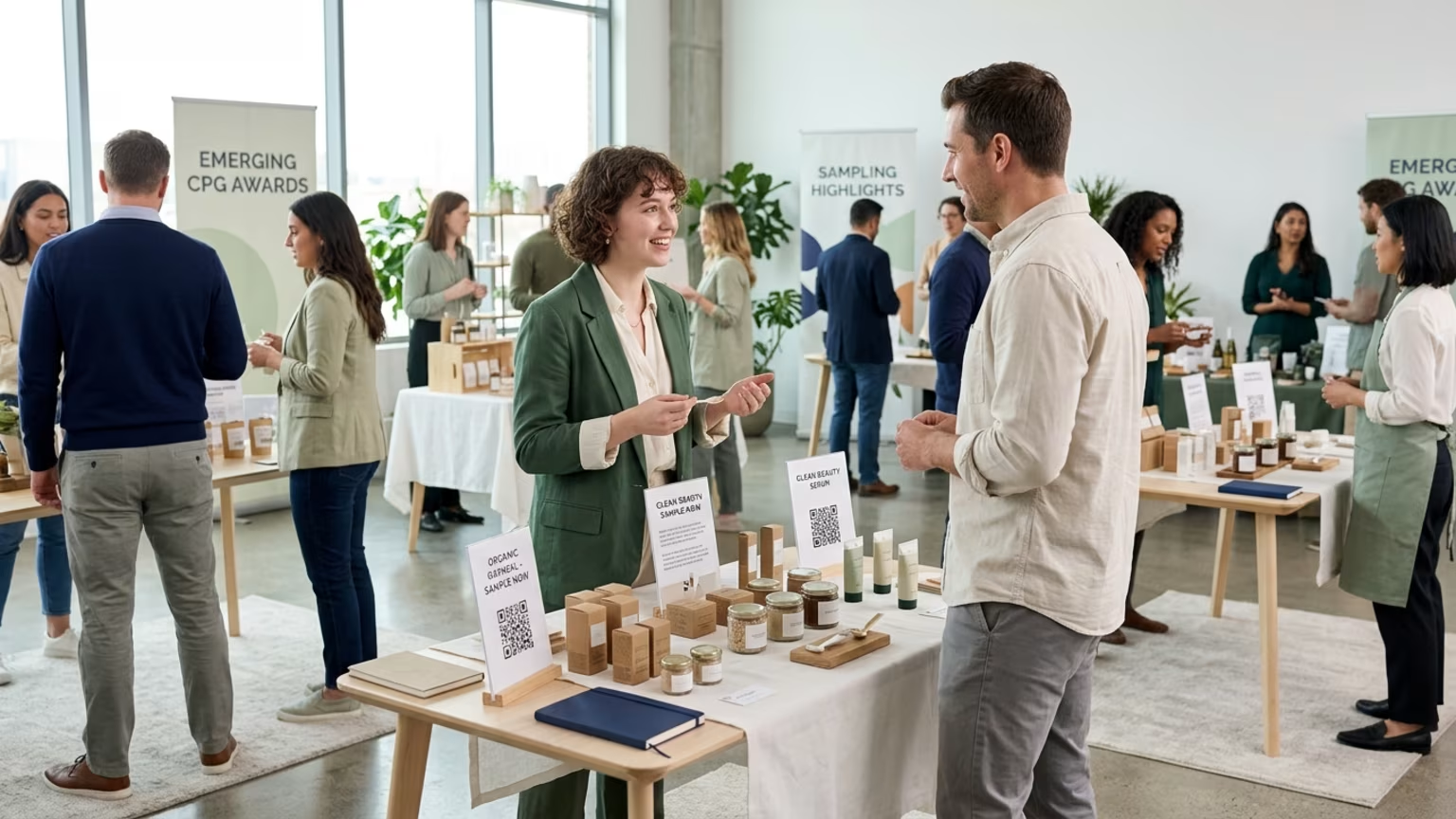
In our experience, connecting the offline moment to online data capture requires a frictionless handoff. We blend physical and digital experiences by integrating QR codes and mobile technology into a cohesive layer across retail and event tours. This upgrade is applied to many types of experiential work to drive connected results.
Moving a heavy footprint through major cities requires strict operational discipline. You need a clear playbook to keep the activation running under pressure. Field managers must anticipate failure points before the truck even leaves the warehouse.
A busy event footprint means nothing if you cannot prove a direct impact on the bottom line. Marketing leaders need exact numbers to justify the budget for a national mobile tour. Measuring Return on Investment requires tracking both immediate actions and long-term sales data. Without a rigorous tracking model, you are simply funding expensive outdoor theater.
Lead metrics tell you how the activation is performing in real time. You must track total samples distributed, average dwell time in the footprint and the conversion rate of QR code scans. These numbers indicate whether your cooling stations are actually attracting and holding attention. If dwell time is low, your footprint is not providing enough value to the consumer. For a deeper look at proving field performance, review how to measure impact without guesswork.
Lag metrics prove the actual business value of the campaign weeks after the truck leaves town. You should monitor retail sales lift in the specific zip codes surrounding the activation. Track coupon redemption rates at local retail partners and calculate the overall customer acquisition cost. These hard numbers validate the strategy. Consistent post-event reporting secures future experiential budgets.
Modern data collection allows brands to draw a straight line from a misting station in a park to a cash register in a grocery store. By tagging digital coupons with unique geographic identifiers, you can see exactly which activation drove the highest percentage of retail sell-through. Avoiding common lead capture pitfalls guarantees that your field data translates into usable CRM contacts. Accurate routing turns casual samplers into loyal repeat buyers.
The Sprite brand recently demonstrated how to execute this strategy perfectly with its Heat Happens mobile tour. Coca-Cola activated a massive roadshow in Atlanta to support its ongoing national campaign. They built a custom truck experience designed exclusively to combat intense summer temperatures. The entire layout prioritized consumer comfort and seamless product integration.
Atlanta provided the ideal proving ground for this activation. The combination of intense southern heat and heavy foot traffic demanded an operator-grade setup. The activation featured branded misting stations that provided immediate physical relief to sweating pedestrians. A live DJ set created a high-energy atmosphere that kept consumers lingering in the footprint. The music established a cultural connection that matched the Sprite brand identity.
The mobility of the truck allowed the brand to hit multiple high-traffic outdoor locations across the city. This flexibility kept the activation fresh and accessible to different demographic pockets. Instead of waiting for consumers to find a static pop-up, Sprite took the relief directly to the most uncomfortable areas of the city. The brand became a welcome interruption in an otherwise miserable climate.
This campaign succeeded by offering genuine utility in the form of a cooling zone. Consumers stopped for the misting fans and stayed for the ice-cold samples and music. The brand seamlessly extended a national television concept into a measurable local engagement moment. This is exactly how emerging brands turn mobile tours into retail pipeline.
If you want to turn fleeting consumer interactions into measurable pipeline, you need an operator who understands field realities. Stop hoping for perfect weather and start planning for harsh conditions. Book a strategy call today to map out your next mobile sampling tour before the peak season begins.

30 Years Experiential & Retail Activation Partner for CPG & Beverage Brands | Multi-Market Demos, Roadshows & Costco/Club Programs That Actually Sell