Robbie Thain
Founder, CEO

Scentbird and Drift paired Hunger Games scent sampling with QR access at NYCC. Makai examines the staffing, flow and follow-up lessons.
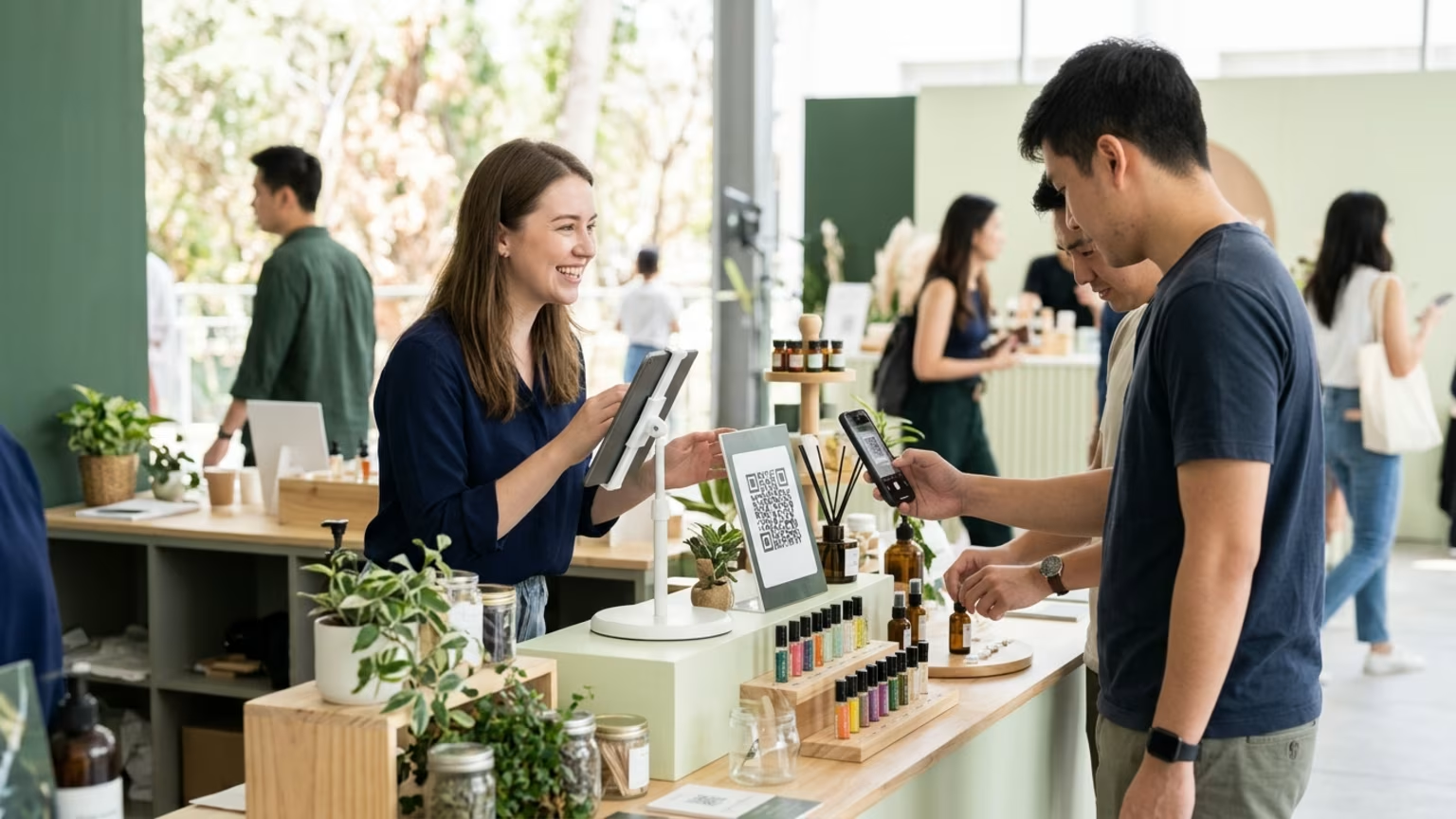
On November 5, 2026, Scentbird and Drift’s Hunger Games: Sunrise on the Reaping fragrance collection became available, according to the companies’ announcement. The release followed a New York Comic Con activation that combined environmental scent with product sampling and QR-linked access to the brands’ digital platforms.
Event Marketer placed the scent experience inside Scholastic’s larger Hunger Games pop-up across the street from the Javits Center. That location matters: this was a product encounter within a broader fan experience rather than a standalone fragrance event. For marketing leaders planning physical engagement, the useful story is how those layers connected and what an operating plan needs to support them.
According to the companies’ announcement, Scentbird and Drift participated in Lionsgate’s Sunrise Gardens campaign activation. Drift Home Scent Diffusers scented the experience. A dedicated station introduced visitors to a collection comprising an Eau de Parfum, a home diffuser and a car freshener.
The companies said the activation included fragrance sampling and interactive moments. QR codes connected the station to their digital platforms. The announcement also described exclusive digital content and fan-created artwork as parts of the experience.
Event Marketer supplied the wider setting. Its account described an aromatic floral scene alongside photo activations, fan art and a Caesar Flickerman stage experience. It identified Paper & Flowers as the experience-design agency for the larger pop-up.
The logistical distinction is straightforward. Environmental scent created one way to encounter the collaboration. The dedicated station gave the products a separate place within that environment. QR access then offered a route beyond the physical setting.
The evidence has a clear boundary. Event Marketer reported more than 250,000 NYCC attendees, but that total is not a count of fragrance visitors. Neither its report nor the companies’ announcement provides station traffic, sampling totals, QR scans or purchase results. The coverage also leaves the post-scan experience unspecified and does not isolate scent’s contribution or establish Return on Investment (ROI).
Makai’s view is that a welcoming experience and a disciplined business objective belong together. People should have room to enjoy a brand without feeling pushed through a transaction. The marketing team still needs a clear reason for each interaction and a defined destination for interested participants.
We create experiential programs built to connect emotion with action. Our work blends creativity with strategy and data. We craft experiences that engage all five senses so people can feel a brand rather than only see it. The commercial purpose is to turn those moments into measurable business outcomes.
That positioning makes this activation relevant to CPG and beverage teams without making fragrance a universal template. We would borrow the relationship between the setting, the product encounter and the next action. We would not assume that the same sensory treatment belongs in every category.
Our team builds festival zones, premieres and pop-ups that turn viewers into fans and fans into advocates. We use music tie-ins, screenings and live stunts while crews manage execution and track reach and response metrics. The lesson we bring to this story is about connecting the parts: creative participation and operational accountability should support the same objective.
For a beverage or snack marketer, the product trial still needs to carry the brand’s story. A memorable setting cannot replace a clear product conversation. Our perspective on designing sensory moments around product trial starts with that relationship rather than spectacle alone.
The aloha side is a genuine welcome. The discipline is knowing what that welcome is designed to accomplish.
For Makai, the operational implications sit in staffing, spatial flow and the handoff after participation. These are planning lessons drawn from the reported format. They are not claims about how the partnership organized its internal team.
An environmental experience and a dedicated product station ask different things of a field team. One invites people into the setting. The other creates space for product questions and sampling. A digital access point adds another interaction that needs a clear explanation.
In our view, the staffing brief should recognize those different functions rather than treat every contact as a sample handout. The intended experience includes both people enjoying the setting and people interested in the products. A clear brief gives those forms of participation a place without confusing engagement with purchase intent.
Makai’s retail demonstrations use trained brand ambassadors for product trials and real conversations. That capability reflects a useful principle here: the person presenting the product matters alongside the sensory treatment. For CPG teams, the product conversation should remain understandable even when the surrounding entertainment is compelling.
Event Marketer’s account described multiple attractions within the larger pop-up. That mix makes spatial planning a meaningful part of the concept. A photo moment and a fragrance conversation are different uses of a shared environment.
Our operating view is that the product encounter should be legible within the larger experience. Visitors should be able to understand where the collection fits and where to engage with it. The product station should not need to compete with every surrounding attraction for the same kind of attention.
Makai plans and manages trade show spaces designed to attract attention and start customer conversations. We also provide permitting support and nationwide coordination for sampling products and event gear. Those capabilities address the practical work behind a physical concept without implying that every activation has identical site requirements.
For a team adapting this idea, the off-site location belongs in the planning discussion. A pop-up across from the convention center is a different footprint from a station within a trade show booth. The venue and intended interaction should shape the execution rather than follow a finished creative concept.
We connect physical experiences with QR codes and mobile technology across retail, events and tours. For us, that connection is a layer within experiential work rather than a separate attraction. Its value should be evaluated against the action it is meant to support.
The practical decision comes before the code is printed: define the destination and the response the program intends to measure. Access to a digital platform is an activity. A qualified inquiry or purchase is a different outcome. Reporting should preserve those distinctions.
For marketing leaders, connecting physical sampling to a digital next step also brings follow-up ownership into the event brief. The live interaction and the later contact should not become separate projects with no shared purpose.
Makai’s positioning includes support from permitting through CRM reporting. We believe that span matters because the experience does not end at the station. The team evaluating the program needs a usable connection between participation and the business response it intended to generate.
A sound evaluation separates activity from outcomes rather than treating every interaction as qualified demand. Our discussion of measurement beyond event headcount addresses that distinction. The reporting objective is clarity about what happened at each stage.
The strongest lesson here is not that every brand needs a fragrance station. It is that a physical experience can connect a story with a product encounter and a digital destination. Makai’s view is that those connections deserve the same planning attention as the environment itself.
For CMOs and marketing VPs, the next step is to evaluate the whole path rather than approve each element in isolation. Creative should have a commercial purpose. Field execution should support it. Follow-up should make the intended response visible.
When your next collection becomes available, will your team be able to connect the memory of that live sample with a qualified next action?
Consumer-event managers own the handoff from live participation to follow-up; Makai brings experience design into that work with a focus on qualified CPG leads. For teams facing inefficient post-event follow-up and CRM routing, Makai builds consumer events around interaction and emotional engagement to support a measurable sales pipeline.

30 Years Experiential & Retail Activation Partner for CPG & Beverage Brands | Multi-Market Demos, Roadshows & Costco/Club Programs That Actually Sell