Robbie Thain
Founder, CEO

Samsung Electronics shifted its IFA 2026 strategy to a dedicated B2B venue. Learn why separating public trial from sales conversations improves ROI.
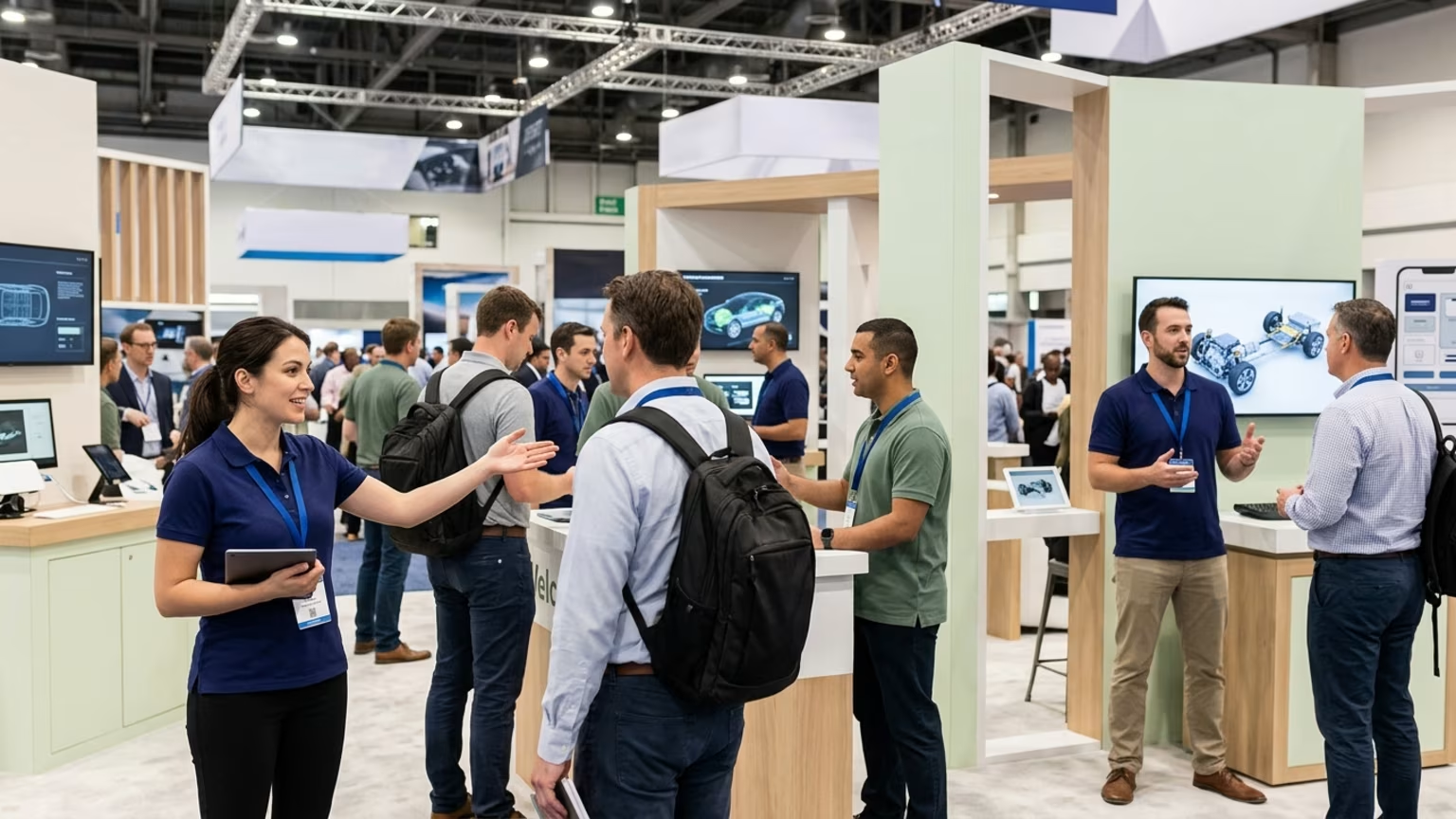
On September 2, 2026, Samsung Electronics moved the core of its IFA 2026 presence away from the official Messe Berlin exhibition halls. The company relocated its primary buyer consultations to Humboldt Carré. This standalone convention venue sits approximately 8 kilometers from the main exhibition grounds in central Berlin. The dedicated downtown space operated through September 6 and opened two days before the official September 4 start of IFA.
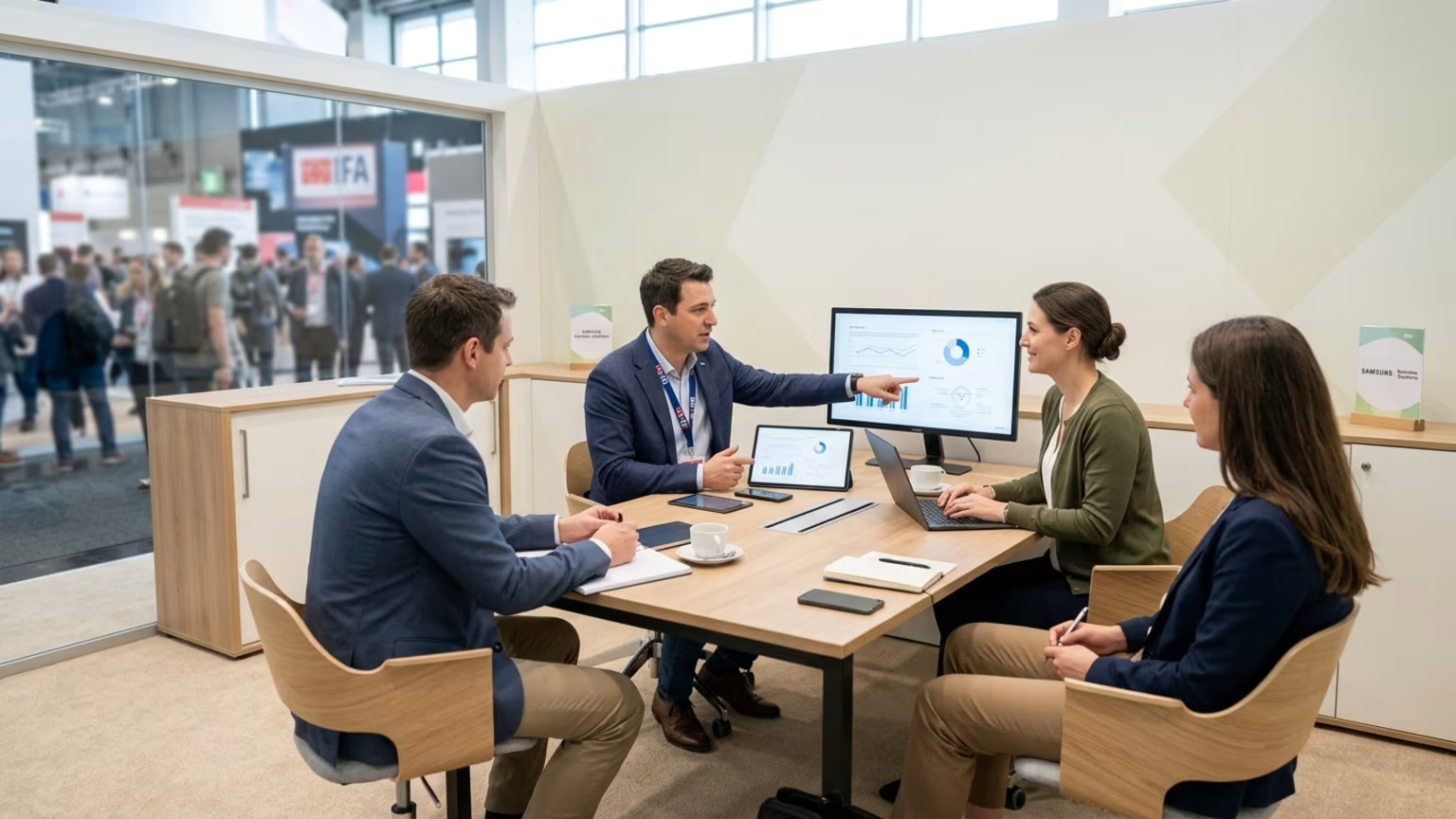
This operational shift marked the first time since 1991 that Samsung Electronics participated in IFA without a massive product exhibition at Messe Berlin. The company built the downtown schedule specifically for B2B customers and European retailers instead of the general public. Visitors experienced small-group guided tours before moving into private consultation areas separated from the main viewing route. The setup prioritized focused business discussions over unrestricted public foot traffic.
However, Samsung Electronics did not abandon the official showgrounds completely. The brand maintained meeting rooms at CityCube Berlin and operated a Samsung Creator Hub at the Palais am Funkturm. The Creator Hub focused on hands-on experiences for creators and influencers. It featured an AI Escape Room utilizing Galaxy devices, televisions, and home appliances.
Meanwhile, the downtown Humboldt Carré venue centered on a specific theme called "Your AI Daily Companion." The space featured distinct zones for Entertainment Companion, Home Companion, and Self-care Companion experiences. Demonstrations highlighted a 115-inch Micro RGB television, a Vision AI Companion, and Galaxy smartphones. The brand also showcased a Bespoke AI Family Hub refrigerator that recognizes ingredients to suggest recipes.
Samsung Electronics also deployed a Screen Size Simulator activated through a QR code at the private venue. This digital tool allowed visitors to compare a 77-inch television against a 115-inch model. Retailers could see how the simulator functions without needing to physically stock every size on their own showroom floors.
This venue separation reflects a critical reality for marketing operators focused on measurable Return on Investment. Massive trade show floors generate initial awareness but often fail to provide the quiet environment needed to finalize a major retail authorization. When consumer brands rely purely on open sampling booths, they risk securing empty badge scans instead of qualified meetings. A strategy that physically separates mass trial from commercial conversion solves this operational tension.
A premium snack brand cannot simply expect a major grocery buyer to negotiate terms while surrounded by a noisy crowd waiting for free samples. Designing booths for retail buyer meetings requires treating the trade show as a portfolio of distinct jobs. Brands need high-traffic areas for consumer trial and controlled environments for commercial conversations. Treating the main exhibition hall as a top of funnel awareness engine frees up dedicated spaces for serious sales discussions.
Samsung Electronics proved that an activation should mirror the actual merchandising constraints a buyer faces in the real world. The Screen Size Simulator addressed a real physical space issue for electronics retailers. Premium consumer packaged goods brands must adopt this exact mindset when presenting new packaging or modular cooler displays to distribution partners. A beverage brand might demonstrate how a new package performs in a crowded cooler set. A health brand could create a guided regimen experience tied to consumer education and repeat purchase.
The test for field marketers is straightforward. The physical brand experience must prove how the product will perform in a real retail setting. Separating audiences also prevents conflicting traffic patterns within a single footprint. Trying to serve creators, press, and retail buyers in one space usually creates severe operational friction. Dedicated venues allow a brand to curate the specific atmosphere required for each distinct target audience.
Splitting a trade show footprint across multiple locations drastically alters field execution. Marketing teams must now manage complex logistics, strict site permits, and VIP transportation across an entire city rather than a single convention center block. This multi-venue approach requires highly specialized staffing models to function properly. A brand needs high-energy brand ambassadors running the public floor and trained sales staff managing the private suites.
Capturing and routing lead data also becomes highly complex across disconnected sites. Field managers must track target-account meetings booked, attendance rates, and opportunities created in the CRM from multiple entry points. Relying on centralized lead capture is absolutely mandatory when operating a multi-venue activation. Without a unified system, valuable buyer data from the private suite might never connect with initial engagement data from the public hall.
Inventory management and asset shipping also require tighter precision. Splitting activation elements means coordinating freight deliveries to a convention center loading dock and a downtown venue simultaneously. A single delayed shipment to the off-site location can ruin carefully scheduled executive briefings. Flawless supply chain tracking becomes the backbone of the entire regional campaign.
This multi-site execution forces brands to define the exact role of each space before selecting a venue. Field teams must determine if the desired audience behavior is initial product trial or a formal meeting acceptance. Following an organized trade shows planning calendar ensures these decisions are finalized early. A dedicated B2B venue only works if the marketing team successfully pre-books the right attendees well before flights land.
Executive commentary directly supports the operational reasoning behind this dual-venue approach. Samsung Germany retail executive Choi Seong-min noted that main exhibition halls can be extremely noisy. He observed that this ambient noise reduces concentration during important business discussions. Small-group meetings at the dedicated downtown venue generated greater focus and positive buyer reactions.
Samsung executive Seol Hoon added that the off-site location aimed to establish a more partner-friendly environment. This quiet setting allowed the company to discuss solution usability and business issues in much greater depth. Choi also mentioned that the brand had already presented consumer products at Gamescom 2026 in Cologne earlier in the year. This prior exposure allowed the IFA strategy to remain heavily focused on B2B consultations.
This operational adjustment at IFA 2026 mirrors a similar playbook the company executed earlier in the year. During CES 2026, Samsung Electronics bypassed a massive open booth at the Las Vegas Convention Center. The company opted for an exclusive space at the Wynn hotel instead. This recurring pattern indicates a deliberate preference for controlling the meeting environment over maximizing raw public foot traffic.
As you map out your upcoming event calendar, will you focus on entertaining massive crowds or engineering controlled environments that actually secure retail commitments?
Trade show coordinators managing multi regional exhibition campaigns struggle to convert foot traffic into documented retail pipeline. Makai eliminates the problem of low quality leads from crowded trade shows by deploying our Costco Roadshows capability. We manage end to end Costco roadshows that bring brands to shoppers through live demos, real conversations, and measurable sales impact. Request a proposal

30 Years Experiential & Retail Activation Partner for CPG & Beverage Brands | Multi-Market Demos, Roadshows & Costco/Club Programs That Actually Sell