Robbie Thain
Founder, CEO

Major U.S. grocery chains are increasing their investment in physical in-store sampling to drive product trial, differentiate store experience, and boost ROI.
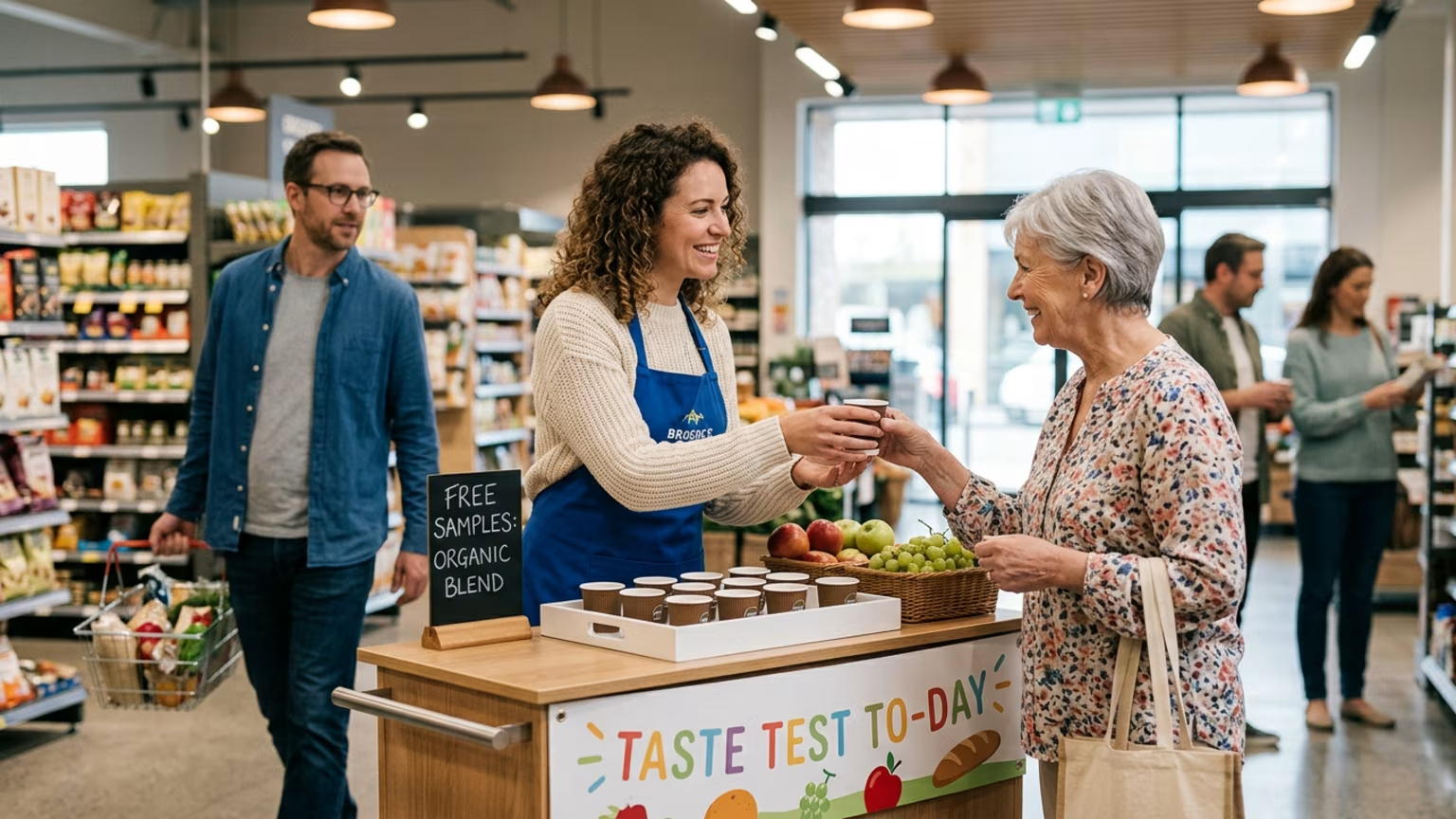
The category buyer taps her pen against a lukewarm coffee cup. She looks past your polished pitch deck and asks the only question that matters. If your product sits stagnant on the shelf during its first month, the chain will immediately cut it. Retailers want immediate velocity and proven consumer demand.
Shoppers are feeling price stress across every major grocery category. They scrutinize every single purchase and hesitate before trying unproven items. A static banner ad cannot overcome this profound consumer hesitation. You need a tactical mechanism that completely removes the risk of trial.
Major grocery chains are dramatically increasing their investment in physical sampling to drive product trial and differentiate the store experience. Brands that treat retail demonstrations as a measurable performance channel will capture premium shelf space and highly loyal customers.
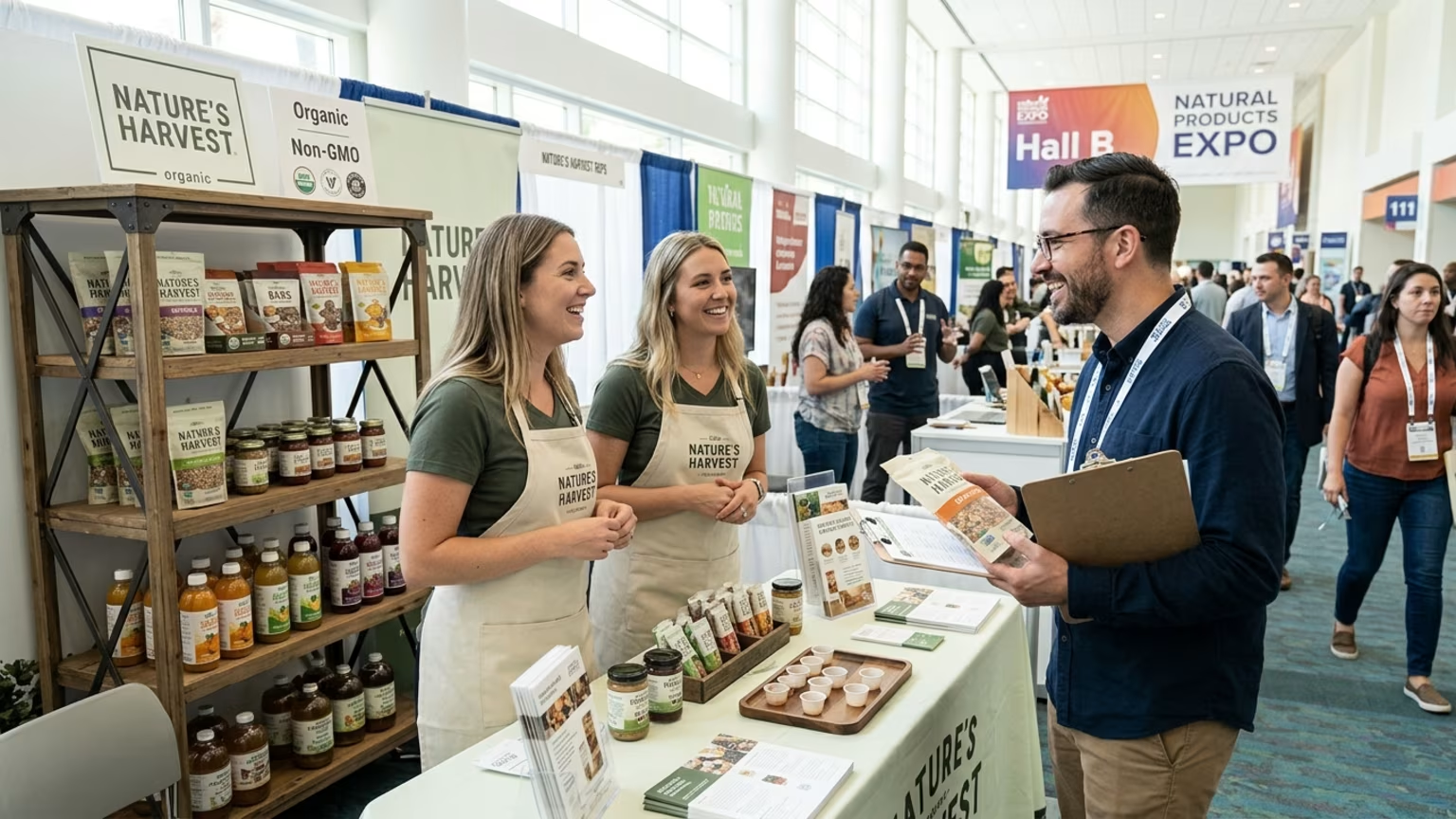
You stand in a crowded booth at a national food expo. A target grocery buyer walks up with mere seconds to spare. You pitch a premium snack product with strong functional benefits. The noise is deafening and foot traffic is an absolute blur.
A digital presentation will never close this particular deal. Buyers see hundreds of aggressive pitches from emerging brands every single day. They do not care about your social media follower count. They want to know exactly how you will drive foot traffic and get shoppers to purchase.
Following up after the expo proves equally challenging. You send emails filled with digital engagement metrics and beautiful brand imagery. The retailer simply replies with questions about your shopper marketing budget. They need programs that pull inventory directly off their local shelves.
Without a concrete plan for real-world activation, your trade show presence becomes a massive drain on resources. The buyer walks away completely unimpressed. You are left scanning low-intent badges. Your competitors secure prime retail distribution instead.
Retailers expect you to bring foot traffic to their physical locations. They monitor which brands show momentum before granting valuable aisle space. An activation record acts as hard evidence of actual demand. You must prove your brand can generate immediate consumer interest.
Experiential marketing spend reached $128 billion globally in 2024. Research indicates that 51 percent of brands plan to increase their budget through 2026. This shift marks a distinct move away from pure brand theater. Leading marketing teams now treat live experiences as measurable commerce infrastructure.
Approximately 85 to 90 percent of grocery sales still happen in physical stores. In-store shopping remains the dominant channel for food and beverage decisions. E-commerce grew rapidly over the past decade. Shoppers still prefer the sensory experience of finding new products in person.
Retailers are actively scaling their own capabilities to support this massive trend. Wakefern Food Corp recently expanded its use of Freeosk interactive sampling kiosks. These units provide turnkey sampling combined with integrated media and precise measurement. Buyers expect brands to bring similar demand-generating programs to the table.
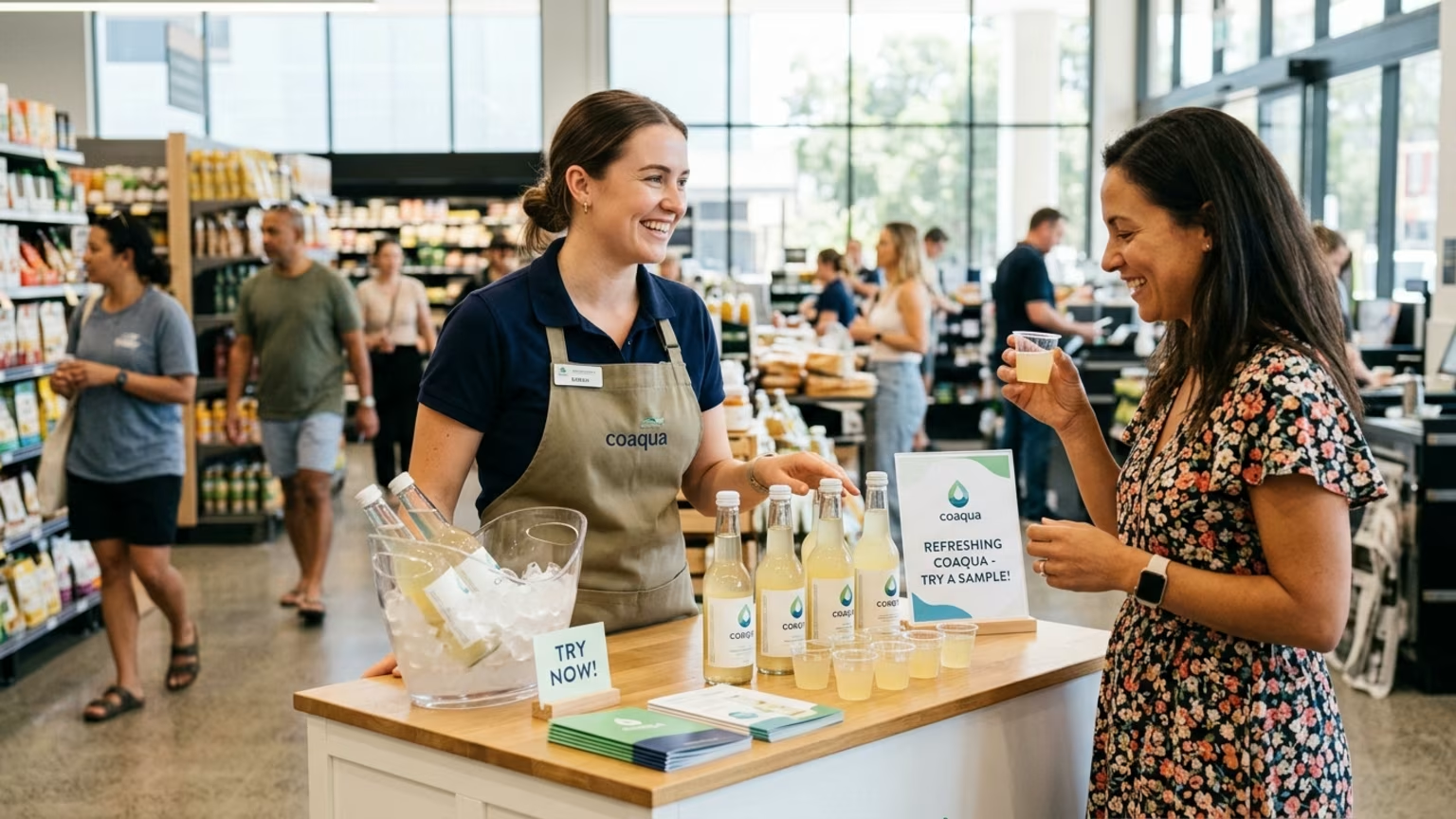
Beverage and snack categories see relentless innovation every single quarter. New functional ingredients require consumer education that a package label simply cannot provide. Shoppers need to taste your low-sugar energy drink before they commit to a multi-pack. In-store demonstrations provide the exact fifteen seconds of education necessary to secure that initial purchase.
Smart operators no longer treat sampling as an isolated promotional tactic. They view it as a primary performance channel. Providing free samples creates an immediate sensory experience that triggers impulse purchases. It neutralizes sticker shock for premium items and speeds up consumer adoption.
The social dynamics of accepting free samples increase buying likelihood through subtle reciprocity psychology. Shoppers feel a natural inclination to purchase after a positive interaction. This real-world engagement bridges the gap between digital awareness and physical retail performance. Programmatic sampling works best alongside these traditional in-store methods.
Programmatic sampling introduces a new layer of precision to this physical tactic. Marketing teams use digital data to identify high-value target audiences. They deliver targeted mobile ads right before the consumer walks into the grocery store. The physical sample then serves as the ultimate moment of proof.
Building a program that satisfies both retailers and consumers requires absolute operational discipline. You must align your field marketing efforts with retail milestones to maximize total impact.
This structured approach turns random product handouts into a repeatable sales engine. It is the exact product launch execution in physical channels strategy that wins long-term buyer confidence. You build a clear funnel from digital discovery to physical trial. The immediate transaction pays for the field execution costs.
Field marketing teams must justify their budgets to skeptical finance departments. Handing out a thousand samples means nothing if those interactions do not generate revenue. You must track specific lead and lag metrics to prove true Return on Investment.
The primary lag metric is trial-to-purchase conversion during the event. Industry data shows that food and beverage sampling typically achieves a 25 to 40 percent conversion rate. You should measure the incremental sales lift by comparing exposed stores against control locations. Evaluating performance over different time windows helps capture immediate trial and repeat purchase behavior.
Modern point of sale integration completely changes the reporting environment. Experiential teams can now track exact sales spikes during the hours a brand ambassador works. You no longer have to guess if the weekend promotion actually worked. The register receipts tell a completely objective and undeniable story.
Lead metrics help you optimize the program in real time. Track the number of samples distributed per hour and the rate of positive qualitative interactions. Record common shopper questions regarding price or ingredients. These insights provide immediate feedback that formal market research often misses.
Capturing retailer loyalty data adds another dimension to your measurement capabilities. You can track whether a shopper who tried your product returns to buy it again next month. This proves your sampling program acquires highly valuable customers over the long term. It shifts the conversation from short-term promotional costs to long-term asset building.
Agencies report a 5 to 15 times return on sampling spend when measured against customer lifetime value. Teams must establish clear key metrics to prove retail sampling ROI before the first shift begins. If you cannot show a direct link to sales, your program needs immediate restructuring.
Translating this strategy into a physical retail environment requires exceptional execution. A Director of Brand Strategy in the CPG snack division shared: 'The Makai team turned our product launch into a sensory event that shoppers still talk about. From creative storytelling to flawless in-store execution, they made snack time unforgettable. We couldn't have asked for a stronger partner.' Our team created an in-store experience that left a lasting impression on consumers and became a memorable brand moment.
Consider the impact of structured trials on an established category. Brands like Nestlé Health Science report major sales lift when they deploy targeted sampling campaigns. Shoppers receive immediate education on functional benefits and taste profile. They feel confident adding a premium product to their weekly grocery routine.
High-volume environments like club stores require an even more aggressive approach. Running a multi-city roadshow forces brands to scale their logistics and staffing exponentially. It demands a military-grade approach to inventory management and daily reporting. Brands that master this environment unlock massive nationwide revenue streams.
This is the modern beverage sampling strategy that separates top-tier brands from stagnant competitors. You combine physical product trial with rigorous data collection. The resulting sales momentum forces retailers to expand your shelf space and prioritize your brand over rivals.
Retail buyers appreciate vendors who act like true business partners. When you show up with a fully funded sampling initiative, you make the buyer look incredibly smart to their management team. This relational capital proves invaluable during your next round of annual contract negotiations.
Managing nationwide retail demonstrations requires intense logistical oversight. Store managers hate activations that clog aisles or disrupt their daily operations. You must manage strict health regulations and coordinate complex inventory deliveries across multiple regions. A minor scheduling error can ruin an entire weekend of planned retail promotions.
Our team handles the messy middle of field execution. We store your event gear, train your staff, and track nationwide deliveries. We turn your ambitious marketing plans into flawless physical reality. You get clean data and measurable pipeline without the daily operational headaches.
Shoppers who participate in live demonstrations often become vocal brand ambassadors within their own social circles. This organic word of mouth marketing adds immense hidden value to your initial field investment.
Now is the perfect time to optimize your retail engagement strategy. Book a strategy call with our experiential marketing team today. We will help you build a live activation program that impresses buyers and converts shoppers into lifelong brand advocates.

30 Years Experiential & Retail Activation Partner for CPG & Beverage Brands | Multi-Market Demos, Roadshows & Costco/Club Programs That Actually Sell