Robbie Thain
Founder, CEO

Learn how integrating physical product sampling with AI-driven retail media automation boosts SKU-level sales and eliminates marketing waste for CPG brands.
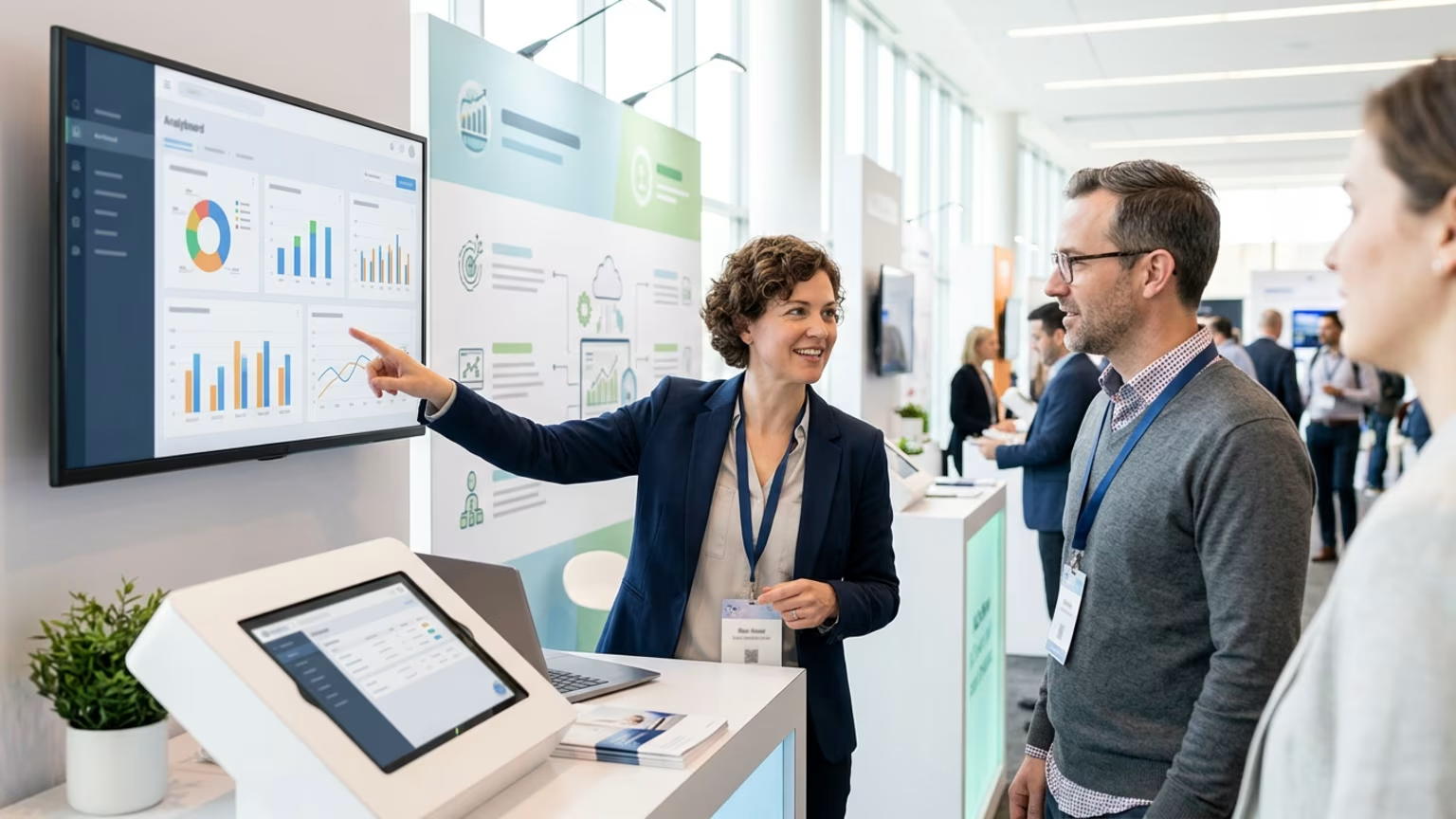
Most CPG brands waste millions treating digital ads and physical product sampling as competing budgets rather than connected systems. By plugging in-store execution data directly into automated retail networks, field marketing stops acting as a blind expense and starts acting as a measurable driver of SKU-level sales.
Brands spend heavily to secure prime retail floor space. Brand ambassadors hand out samples at bulk retailers or regional grocers. Shoppers taste the product right there in the aisle. Then, the tracking stops cold.
Field teams log attendance on simple spreadsheets. Digital teams run display ads completely blind to local inventory levels or demo schedules. This divide forces marketing leaders to guess what actually caused a spike in register rings. The missing link creates massive operational waste.
When a campaign ends, teams scramble to prove Return on Investment. They patch together incomplete reports from scattered sources. They guess if the physical trial or the digital search ad drove the final purchase. This manual reconciliation drains hours from talented analysts.
Without unified tracking, brands bleed budget on overlapping efforts. Retail networks optimize bids without knowing a massive tasting event is happening in aisle four. The lack of communication between physical events and digital ads limits the potential for scale.
The solution requires feeding physical activation data into modern automation tools. Artificial intelligence systems evaluate performance across multiple surfaces constantly. Osmos.ai reports these platforms manage decisions across search, sponsored display, on-site placements, and off-site programmatic channels. Connecting these elements transforms physical activations into trackable digital signals.
We have been connecting brands with people through live experiences, retail programs, and national activations since 1995. Over three decades, we have built a track record of creating meaningful brand moments across the country. Through this work, we learned that isolated events struggle to scale. The best results happen when physical presence informs digital strategy.
Today, algorithms automate bidding and track SKU-level sales rapidly. Improvado notes that automated marketing analytics reduce data preparation time heavily. By linking consistent event reporting structures to digital dashboards, brands see clear correlations between sampling and sales. Data pipelines process these interactions to guide future ad spend.
The algorithm needs clean data to spot anomalies or adjust budgets. When field data enters the system correctly, agents automatically shift digital spend to support high-velocity stores. This creates a feedback loop where physical trial accelerates digital efficiency. Intelligent tracking systems replace guesswork with hard evidence.
The industry is actively moving toward algorithmic workflow management. Ad management companies are partnering to streamline operations heavily. Startupbeat highlighted a recent collaboration focused on accelerating ad sales through intelligent agents. These partnerships aim to reduce the friction between inventory management and active campaigns.
Operators no longer need to check pacing metrics manually every hour. The software handles the routine adjustments automatically. Straive experts state that intelligent media operations manage data ingestion and quality checks efficiently. This shifts the human workload toward strategy and creative problem solving.
Catalog management represents another massive hurdle for retail marketers. The same physical product often carries different SKU numbers across various regional chains. Automated tools ingest these scattered catalogs and normalize the naming conventions instantly. This harmonization makes national performance reporting highly accurate.
Businesses redesigning their processes around these tools see clear gains. Lark reports noticeable productivity improvements when workflows incorporate intelligent routing from the start. Teams spend less time formatting spreadsheets and more time analyzing consumer behavior. The software uncovers patterns that human analysts might miss.
Cross-team collaboration improves dramatically when data lives in one place. Field marketers, digital buyers, and brand managers can view the same metrics simultaneously. This shared visibility eliminates the friction common in siloed departments. When everyone trusts the numbers, decision making accelerates rapidly.
Meetings shift from debating data accuracy to planning next quarter expansions. A single source of truth aligns the promotional calendar with digital ad spending perfectly. The brand speaks to the consumer with one consistent voice across every touchpoint. This operational harmony drives sustainable retail success.
Implementing this connected strategy requires strict operational discipline. Marketing teams must standardize their event workflows completely. The goal is making physical actions visible to digital algorithms. Here is the operational sequence to connect the two worlds.
Clear reporting separates successful teams from struggling ones. Leaders must track distinct indicators to justify their budgets. Relying on raw impressions falls short in modern boardrooms. Measurement must connect directly to product movement.
Lead metrics show real-time momentum during the campaign. Track the daily sampling volume per store. Monitor the immediate display compliance rates from the field team. Watch the digital cost per click in the areas surrounding your retail events.
These leading indicators tell you if the pre-heating strategy works. Anomaly detection algorithms flag underperforming locations instantly. This allows field managers to fix staffing or display issues before the weekend rush. Speed of correction defines the success of a live promotion.
Lag metrics prove the final financial impact. Measure the direct sales lift at participating stores versus a control group. Track the multi-touch attribution accuracy for customers who interacted with both digital ads and physical demos. Linking real-world Costco expansions with automated dashboards clarifies exact sell-through rates.
Marketing leaders must demand intelligent operations from their partners. Agencies should provide transparent reporting and clear data schemas. Ask your vendors how they standardize information from diverse retail channels. The right partners will integrate physical logs with digital spend platforms seamlessly.
Automation does not replace the need for physical experiences. It acts as a force multiplier for high quality brand interactions. Shoppers still need to taste the beverage or feel the product packaging. The technology simply guarantees those physical moments translate into measurable corporate value.
Over-reliance on automation carries risks if left unchecked. Algorithms might optimize for short term returns at the expense of long term brand building. A purely digital focus might ignore the strategic importance of a new market entry. Human oversight keeps the software aligned with broader business goals.
Expert operators layer human judgment over machine efficiency. They use the generated insights to design better field experiments. They allocate the saved administrative hours toward building stronger buyer relationships. The combination of human creativity and machine precision wins the retail floor.
Consider a recent national launch for a premium hydration brand. The team deployed sampling booths across fifty target locations. Instead of running generic national ads, they fed their event calendar into an automated media platform. The software connected the physical dates to regional digital ad buys.
The automated system adjusted bids daily based on local sell-through data. Stores with both an endcap display and digital support showed massive incremental lift. The platform automatically detected lagging sales in three specific regions. It sent immediate alerts to the central marketing team.
Operators reviewed the flagged regions and paused the digital spend immediately. They redirected that budget to the top-performing store clusters. This swift adjustment saved thousands of dollars in wasted media. The field team then investigated the lagging stores to fix display compliance.
By the end of the quarter, the CFO received a plain-English report detailing exact returns per store. The data proved that physical tasting events amplified the digital advertising efficiency. The integration of physical execution and retail media secured an expanded budget for the next quarter.
The smartest marketing strategies blur the line between digital screens and physical aisles. When systems talk to each other, the full picture emerges. The future of retail belongs to brands that treat every physical interaction as a measurable data point. True clarity arrives when the floor and the algorithm finally speak the same language.

30 Years Experiential & Retail Activation Partner for CPG & Beverage Brands | Multi-Market Demos, Roadshows & Costco/Club Programs That Actually Sell