Robbie Thain
Founder, CEO

Learn how the new Popl AI assistant natively integrated into Anthropic's Claude turns trade show data into measurable pipeline and exact reporting.

Popl recently launched an AI assistant natively integrated into Anthropic's Claude to automate in person event workflows and lead analysis. This integration allows marketing operators to bypass clunky dashboards and use natural language to analyze captured leads, prioritize high value prospects, and generate leadership ready reports in seconds.
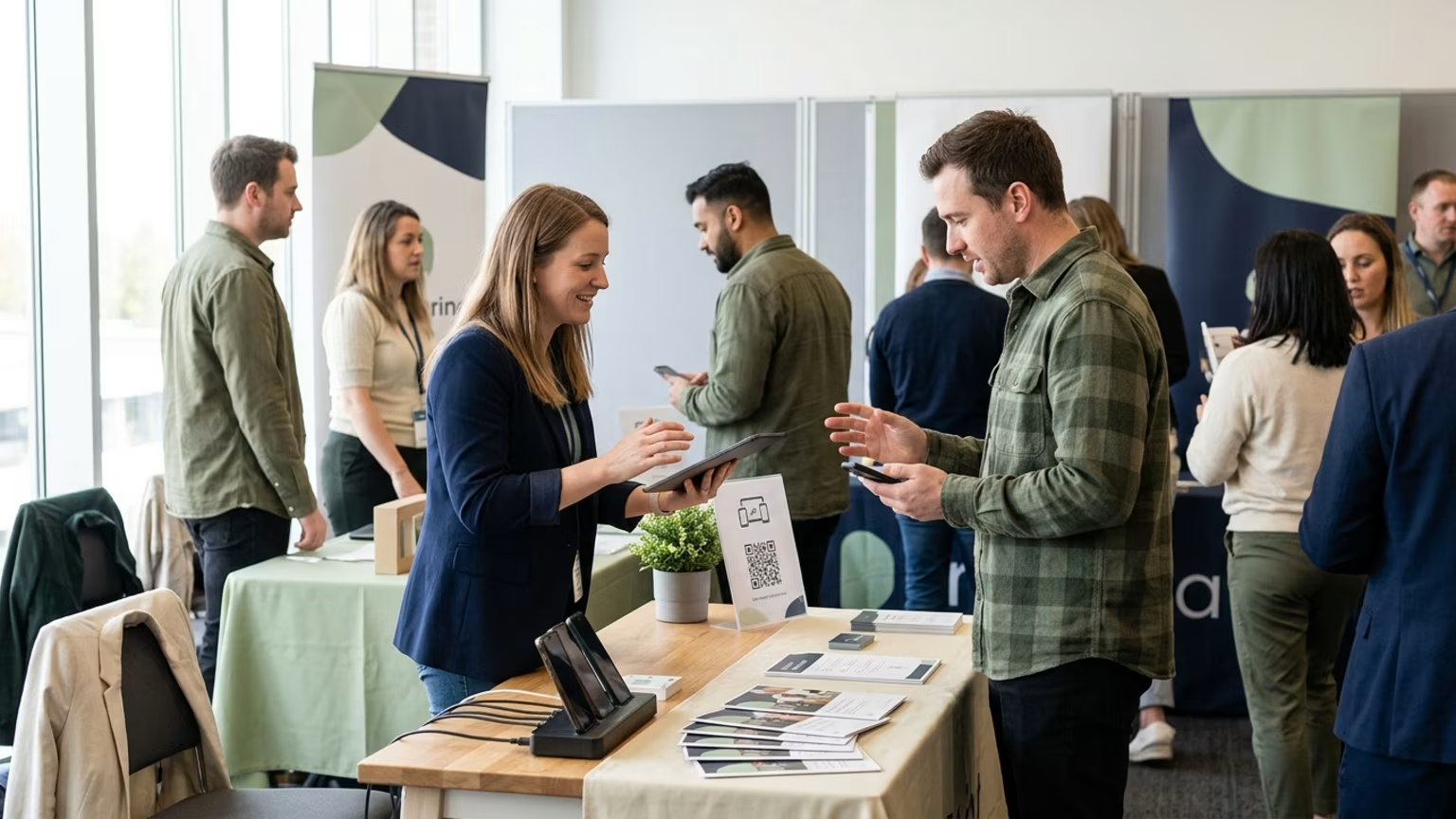
The convention center hums with a deafening mix of loudspeaker announcements and thousands of overlapping conversations. Your field marketing team stands at a high traffic booth, scanning badges rapidly as a massive wave of attendees samples a new product. By the end of the day, they have captured hundreds of badge scans. The sales team now faces a massive spreadsheet of undifferentiated names, creating an administrative nightmare instead of a clean pipeline.
This scenario is a common reality for experiential marketing operators. Teams spend months planning logistics, securing prime floor space, and training brand ambassadors. Yet, the critical transition from an engaging conversation to a tracked digital lead often breaks down completely. Sales representatives are handed raw data files without context, intent signals, or clear prioritization.
Brands that invest heavily in physical activation expect a high Return on Investment from these efforts. When lead capture processes rely on manual sorting, sales momentum stalls out entirely. Representatives waste valuable time parsing through bad contact information, missing the window of opportunity to close deals. Without proper context, follow up emails languish in spam folders.
When a brand launches a new product line, the physical activation is meant to drive trial and initiate sales conversations. The disconnect happens when the brand ambassadors doing the sampling have no system to record buying intent. A regional buyer might love the product, mention an upcoming category review, and walk away. If that interaction is just logged as a simple badge scan, the context is lost forever.
The lack of structured data capture leaves money on the trade show floor.
The recent launch of Popl for Claude introduces a highly systematic approach to managing trade show data. Recent product announcements confirm that Popl has integrated its event lead capture software directly into Anthropic's Claude. This allows marketing teams to use natural language prompts to process and analyze event data without clicking through complex software dashboards. The strategic shift here moves away from manual data entry and toward immediate, intelligent sorting.
Instead of waiting a week to organize a list, operators can upload event data into Claude and ask the AI to segment buyers by job title. The system can cross reference captured leads with target accounts, prioritize follow ups, and summarize notes taken by booth staff. This framework solves the immediate bottleneck of data processing. It gives field teams a tool to research targets before a show and synthesize outcomes immediately after the doors close.
Integrating AI into this process shifts the burden of organization away from the human operator. Marketing directors often spend their evenings in hotel rooms formatting spreadsheets after a ten hour shift on their feet. The Popl and Claude integration eliminates this grueling manual labor. By automating the data synthesis, field leaders can focus their energy on coaching their staff and improving the consumer experience.
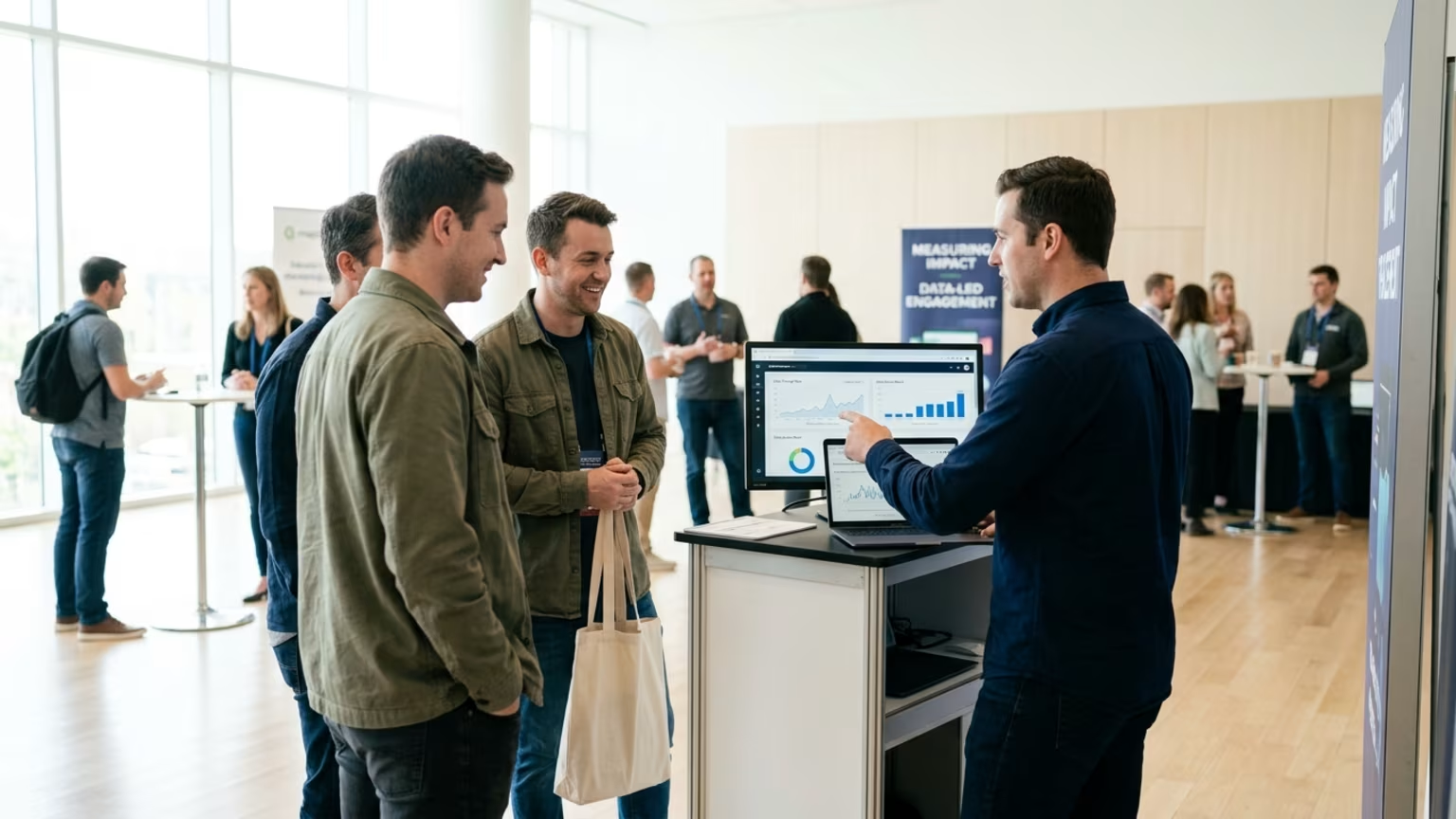
Moving event data processing into an AI environment changes how marketing leaders report on field operations. A CMO no longer needs to wait for operations teams to build pivot tables to understand show performance. They can request a plain text summary of high value conversations directly from the AI platform. This immediate visibility helps brands justify their event spend with concrete data.
Relying on outdated data workflows prevents marketing teams from scaling their event presence. A small pop up activation might generate fifty leads that a single person can manage. A multi city tour or a massive expo booth will generate thousands of interactions. Without an AI layer to process this volume, the physical activation becomes a victim of its own success.
The sheer amount of data overwhelms the team and ruins any chance of rapid follow up. Solving event data friction requires treating live experiences as structured data collection points. If your team is struggling to process post show data, we recommend you book a strategy call to map out a better workflow. Modern experiential marketing demands tight alignment between the physical brand experience and the digital CRM system.
We help brands build these systems to guarantee every handshake turns into a trackable asset.
Implementing an AI assistant requires a structured execution plan. You cannot just hand a new tool to a field team and expect perfect adoption. Operators need a step by step playbook to make this strategy work in a live event setting. This exact methodology prevents post event data chaos.
Tracking the right numbers separates professional experiential marketing from expensive hobbies. The integration of artificial intelligence into event workflows only matters if it improves clear business outcomes. You must track specific lead and lag indicators to report accurately to your executive team. Vanity metrics like total booth visits no longer impress modern chief marketing officers.
Lead metrics show the immediate health of your activation. You should measure the volume of qualified conversations per hour, the percentage of scans that include detailed staff notes, and the speed of lead routing to the sales team. A strong event program routes high priority prospects to sales representatives within hours, not weeks. Faster follow up directly increases the likelihood of booking a discovery meeting.
Establishing a CRM-integrated trade show lead capture process accelerates this timeline significantly. Industry analysts at Demand Gen Report note that artificial intelligence is increasingly curating the buyer evaluation process. Your lead capture metrics must align with this reality by providing immediate, intelligent responses to buyer interest. Lag metrics demonstrate the final business value of your presence.
Track the meeting conversion rate from event leads, the pipeline value generated by those meetings, and the final cost per customer acquisition. By monitoring these specific data points, operators can prove exactly how much revenue a specific trade show generated for the company. As noted in B2B ecommerce analysis by RepSpark, connecting physical interactions to digital revenue requires exact tracking models. Another important lag metric is the retention of event generated accounts over time.
Some trade shows produce quick deals that churn rapidly. Other events yield long term strategic partnerships. By tracking the lifetime value of customers sourced from specific physical activations, marketing teams can make smarter decisions about future event sponsorships. This long term view of event data guarantees the brand is investing its marketing budget in the right places.
Modern experiential programs require transparency across all departments. The sales team wants highly qualified prospects ready to buy immediately. The finance department wants exact figures on customer acquisition cost from the trade show floor. Integrating an AI assistant bridges this gap by delivering the exact data formats each department demands.
By standardizing this data flow, event marketers protect their future budgets and validate their strategic choices. We provide clear reporting on reach, trials, leads, and sales to guide next steps in campaign optimization. Our measurement approach tracks awareness, engagement, and conversion, turning brand moments into actionable data that demonstrates business impact. This rigorous approach to analytics guarantees every dollar spent on physical activations drives measurable business growth.
Consider a fast growing cold brew coffee brand activating at a major national food expo. In previous years, the brand handed out thousands of samples and collected hundreds of business cards in a glass bowl. The marketing director spent days manually typing these contacts into a spreadsheet. By the time the sales team called retail buyers, the momentum had entirely cooled.
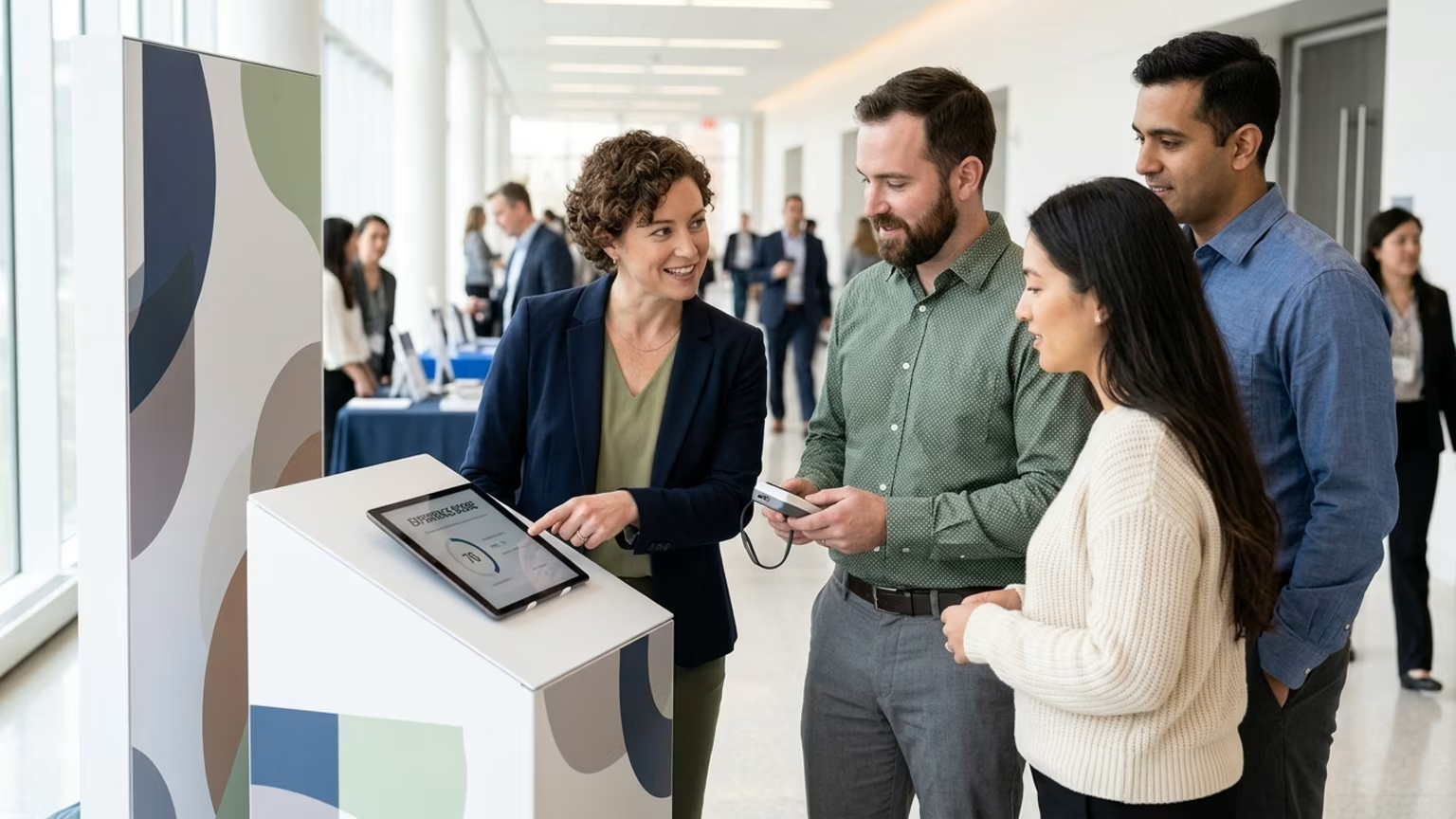
Using a streamlined digital workflow with natural language AI processing changes this dynamic entirely. The brand now uses mobile devices to scan badges during product sampling. Staff members add quick voice notes about whether the attendee is an independent grocer or a national distributor. At the end of the day, the marketing director feeds the raw export into an AI assistant.
Within minutes, the system segments the list, flags five national buyers for immediate outreach, and drafts a daily performance summary for the executive team. The sales directors receive a curated list of high value targets before breakfast the next day. This rapid transition from physical sampling to digital follow up dramatically increases the chances of securing new retail partnerships. This structured operational rhythm replaces hope with a predictable system.
The brand stops guessing about event success and starts measuring exact conversion rates from booth visits to retail orders. Connecting field engagements to back office systems is how smart brands turn expensive trade shows into reliable revenue engines. The results of this technological upgrade are often staggering for consumer packaged goods companies. Instead of wondering if the massive booth build out was worth the expense, the marketing team can point to specific retail deals won.
The ability to track a single sample cup all the way to a major purchase order fundamentally changes how executives view experiential marketing. It transforms the discipline from a perceived cost center into a documented profit driver. The smartest brands do not just show up to make noise; they deploy systematic execution to capture real revenue.

30 Years Experiential & Retail Activation Partner for CPG & Beverage Brands | Multi-Market Demos, Roadshows & Costco/Club Programs That Actually Sell