Robbie Thain
Founder, CEO

Freeman's updated logistics platform eliminates trade show chaos. Learn how asset tracking protects your event ROI, prevents delays, and boosts live experiences.
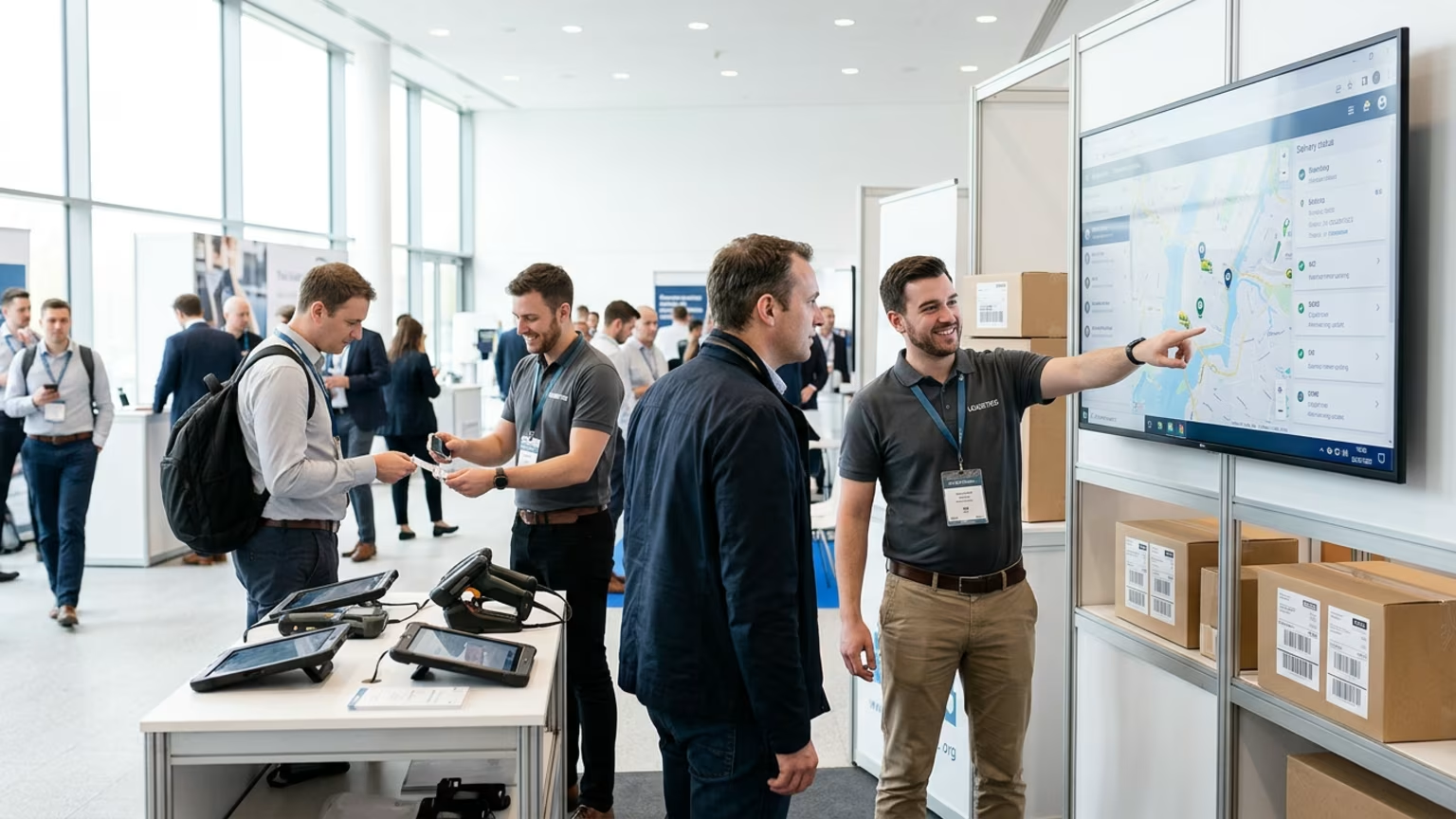
The exhibit hall opens in two hours. Your field lead is staring at an empty brand footprint. The freight carrier says the crates are somewhere on the dock. You just lost half your sampling volume before the show even started.
Freeman recently introduced an updated logistics and inventory tracking solution to help exhibitors monitor assets and prevent costly onsite delays. This enhanced platform brings strict supply chain rigor to experiential marketing so brands can protect their revenue and prove clear Return on Investment.
Trade shows operate as temporary supply chains with incredibly tight delivery windows. Brands move highly customized assets across multiple venues throughout the calendar year. Missing a move in window guarantees expensive rush fees and union overtime costs. It forces your field team into a reactive posture that ruins the event experience.
Missing sampling inventory translates directly to weaker sell through at the retail level. If a physical display arrives late, your primary engagement tool becomes entirely useless. Industry analysts note that logistics costs average ten percent of revenue across many sectors. Operational inefficiency creates a massive drain on your event margins and overall profitability.
Senior marketing executives face immense pressure to justify their experiential budgets to the wider organization. They need live events to drive actual pipeline instead of just generating superficial brand awareness. When logistical failures disrupt an activation, it undermines the entire marketing strategy. The inability to track assets makes it impossible to report accurate return metrics to leadership.
Logistics supervisors know that poor coordination directly causes fragmented consumer experiences. Their roles require intense planning and constant problem solving to keep campaigns on track. When event materials sit idle in a warehouse, the brand loses money on storage and missed opportunities. Upgrading your asset management is the fastest way to stop this silent financial leak.
We have executed over 1000 campaigns across all 50 states, bringing brands to life in every major U.S. market. From retail demos in Seattle to roadshows in Miami and events in Honolulu, our teams activate brands wherever our clients' audiences are located. In our experience, lost freight is the fastest way to destroy an experiential budget. Your field staff ends up waiting for crates instead of talking to buyers.
Marketing leaders are demanding better visibility into their physical event assets. They expect the exact same tracking capabilities for a massive booth that they get for a small parcel. Supply chain experts agree that real time shipment visibility is a modern operational standard. Digital freight platforms now offer live tracking and predictive alerts to keep teams fully informed.
The updated Freeman platform mirrors these exact industrial best practices for event marketers. It imports live tracking and asset inventory management directly into the trade show environment. This visibility guarantees a smooth event prep timeline for seamless transitions between different venues. Your marketing team can finally stop guessing when critical display materials will arrive.
Companies that digitize their physical logistics see fewer shipping errors overall. They achieve faster disruption response times and better on time performance metrics. An organized tracking system connects your storage facilities directly to the busy show floor. This structured approach prevents the common chaotic scrambles that plague live events.
This systematic method aligns well with the updated Freeman exhibitor playbook focusing on staffing design. You can coordinate your temporary personnel perfectly with your exact freight delivery schedule. Managers can optimize their labor spend based on actual equipment arrival times. Better planning creates a calmer environment for your brand ambassadors to do their jobs.
This strategic control is highly critical during major brand trigger moments. A new product launch or a major retail expansion requires flawless physical execution to succeed. If you promised a major buyer a massive physical presence, you cannot afford any shipping delays. Modern logistics platforms give your account teams the early warning signals they need to manage expectations.
Adopting a new logistics platform requires a highly disciplined operational framework. You must translate raw tracking data into actionable field decisions to protect your investment. Implement these proven steps to secure your baseline operations before your next event.
Implementing these proven logistics playbooks for high ROI trade show executions prevents expensive labor waste. Your team can focus their energy on engaging buyers instead of fighting logistical fires.
A systematic approach completely changes how your marketing department views live activations. Teams move away from last minute heroics and start relying on dependable workflows. Standardizing these physical processes makes it much easier to onboard new marketing managers. It creates an institutional memory that survives even if your best event planner leaves the company.
Measuring experiential success requires looking far past basic attendance numbers. You must connect your operational performance directly to your actual sales outcomes. Logistics data provides the hard evidence needed to evaluate your external vendor partnerships. It turns a chaotic feeling into a highly measurable business variable.
Start by tracking exact on time delivery rates for all critical exhibit assets. Monitor your asset utilization percentages across different consumer campaigns and regional markets. These primary metrics tell you if your physical supply chain is actually working. They highlight glaring inefficiencies in your current warehouse and shipping models.
Next, look closely at the lagging indicators of your live brand activations. Track the exact hours of booth downtime caused by late freight deliveries. Measure your total physical sampling volume and the number of qualified buyer meetings. Correlating these data points marks the end of brand theater and improves lead capture.
When a show underperforms, you can check if operational failures played a part. You might find that misrouted refrigeration crates cost you twenty percent of your total sampling hours. These precise metrics help teams deploy modular logistics to control trade show costs moving forward. You can fix the root cause instead of just hoping for better luck next time.
Many brands struggle to prove that their trade show presence actually matters. They rely on scanned badges and anecdotal stories from their sales reps. Operational data completely changes this outdated reporting dynamic. Tracking the exact movement of your assets provides a foundation for calculating true event profitability.
Presenting this operational data to your leadership team completely changes the post event conversation. You stop talking about how the booth looked and start analyzing how the system performed. Clear data protects your experiential budget from being cut during the next financial review. It proves that your live events are run with strict commercial discipline.
Consider a national beverage brand launching a new product at a massive industry expo. They loaded their custom refrigeration units and sampling stock onto a dedicated transport truck. Two days before load in, their tracking system triggered a critical exception alert. The primary refrigeration crate was accidentally misrouted to a completely different state.
The marketing team saw the alert immediately and did not panic. They used the two days of advance notice to secure a local commercial rental unit. The backup refrigerators arrived at the convention center right on time for the event. The field staff never missed a single hour of active product sampling.
The brand successfully hosted three major retail buyer meetings at their booth. They secured a massive regional distribution deal directly during the live event. The tracking software paid for itself by saving that single high stakes activation. Book a strategy call with our team to upgrade your event operations today.
After the event, the marketing director used the system data to review their freight vendor. The timestamped alerts proved that the carrier violated their basic service level agreement. The brand recovered a significant portion of their shipping costs through a formal claims process. This financial recovery would have been impossible without a rigid digital paper trail.
Actionable takeaway: Audit your current trade show shipping process today to identify your biggest operational blind spots.

30 Years Experiential & Retail Activation Partner for CPG & Beverage Brands | Multi-Market Demos, Roadshows & Costco/Club Programs That Actually Sell


