Robbie Thain
Founder, CEO

Learn how modular exhibits and smarter logistics help brands control trade show costs, protect budget, and reinvest in high-impact staffing and lead capture.
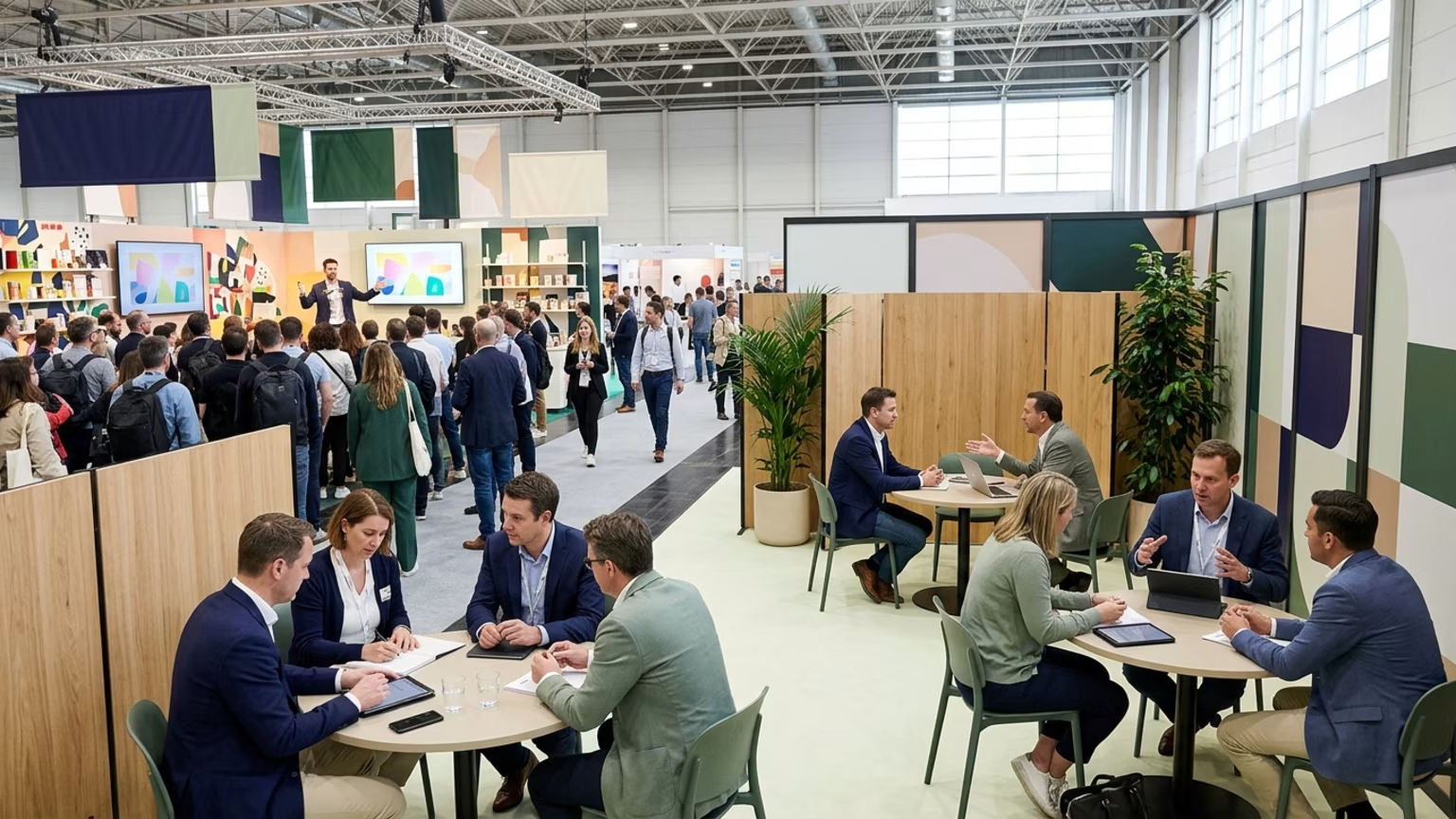
A custom trade show booth is often just a very expensive monument to wasted marketing budget. Real category leadership comes from how effectively you spend on the people and interactions within your footprint. Today, operators must rethink their physical presence to stop burning cash on heavy architecture.
The era of exhausting marketing budgets on single-use custom exhibit builds is over. By shifting to modular systems and intelligent freight planning, brands can reduce structural costs and reinvest those dollars into staffing that actually generates pipeline.
Walk the exhibit floor during load-in at any major expo and you will witness the exact moment profit margins evaporate. General service contractors charge premium rates as marketing directors watch massive crates of heavy materials rack up massive drayage fees. The chaos deepens when unexpected overtime labor kicks in just to finish a one-off build that will end up in a landfill.
We have executed over 1000 campaigns across all 50 states, bringing brands to life in every major U.S. market. From retail demos in Seattle to roadshows in Miami and events in Honolulu, our teams activate brands wherever our clients' audiences are located. We constantly see brands overspending on static structures and leaving their actual in-booth experience painfully underfunded. Material handling costs have risen steadily as contractors adjust for labor and fuel prices.
The traditional mindset dictates that a bigger and heavier presence commands more respect on the show floor. In practice, tying up capital in heavy wood and steel restricts a brand from activating aggressively in other channels. The hidden costs of storing, shipping, and repairing single-use custom properties drain resources long after the event ends. When logistics consume the majority of the event budget, marketers lose their ability to invest in memorable consumer connections.
Exhibit houses are actively steering clients away from reactive logistics and single-use custom properties. They champion modular exhibit systems that control costs through advance planning and flexible footprints. According to recent trade show budgeting analysis, a standard large island exhibit can easily cost between eighty thousand and one hundred and fifty thousand dollars just for the structure. This staggering figure accrues before you ever pay for floor space, shipping, or travel.
Typical budget allocations for a single show often dedicate 30 to 35 percent to exhibit space alone. Booth builds consume another 25 percent, leaving very little room for show services, travel, and actual marketing. Exhibit City News reports that modern modular systems offer a powerful alternative by supporting multiple configurations across a show calendar. Brands can deploy a strong face at a tentpole show using a modular backbone and then scale that exact same hardware down for regional events.
Modern modular systems are far from generic pop-up tents. High-end hardware supports flush walls, integrated LED lighting, and seamless fabric graphics that look identical to a custom build at attendee eye-level. Brands can integrate product shelving and hospitality areas without sacrificing flexible reconfiguration. Choosing an exhibit house that understands brand craft separates an impactful modular system from a basic structure.
This strategic pivot completely changes the financial profile of a live event program. A twenty-by-twenty footprint can break down into several smaller kiosks to spread a single structural investment over multiple quarters. In related sectors, modular construction saves roughly 15 to 25 percent compared with traditional builds and speeds up assembly timelines. Exhibit houses apply this same logic to event marketing to protect your Return on Investment on the show floor.
Sustainability plays a major role in this new structural strategy. Sustainable design relies heavily on reusable frames and recyclable graphics to reduce both waste and long-term operating costs. Long-life components are designed for multiple show cycles, which lowers the cost per use over a two-year period. By minimizing single-use waste, brands align their financial targets with modern environmental standards.
Implementing a cost-controlled exhibit strategy demands tight planning and specific tactical shifts long before load-in begins. Your exhibit partner should operate as a logistics quarterback to enforce deadlines and reduce waste. Effective execution relies on treating the booth as an interconnected system rather than a standalone art project.
Follow this step by step guide to implement a modular logistics strategy in a live event setting:
You can Book a strategy call with our experiential operations team to audit your current trade show logistics.
You cannot optimize an event marketing program without replacing vanity metrics with hard financial logic. The primary leading metric to track is your advance-order compliance rate. Tracking how often your team hits early discount deadlines serves as a direct indicator of logistical discipline. Another key leading indicator is your structural cost per square foot, which tells you immediately if your build investments are out of balance.
The final lag metric is your cost per qualified lead. By dividing the total all-in cost of a show by the number of meaningful sales conversations captured, you reveal the true economic output of your booth. Brands that focus on leaving vanity trade show metrics behind consistently find that efficient structures allow them to buy better sales conversations. Shifting budget away from heavy freight helps fund a stronger approach to staffing and attendee pathways.
Marketers should track cost per opportunity to gauge the quality of the leads generated. A smaller booth at a highly targeted regional show often produces a lower cost per opportunity than a massive footprint at a crowded national expo. Exhibit partners can model these scenarios to compare the pipeline impact of one expensive flagship presence against three focused regional activations. This data empowers marketing leaders to defend their budgets in board meetings.
Post-show reviews must strictly compare actual spending against your initial targets. If your cost per lead spikes unexpectedly, you must investigate whether poor layout, weak staffing, or inflated drayage fees caused the issue. You can then refine your modular footprint for the next event to correct the imbalance. Continuous measurement turns a basic exhibit program into a highly predictable revenue engine.
Consider a premium snack brand launching a new product line at a major food expo. In previous years, they spent their entire show budget on a massive custom wood booth that required three days to assemble. They shifted their strategy to a lightweight modular rental system with high-impact fabric graphics. This decision immediately reduced their freight and drayage costs by half and cut labor hours by a full day.
They reinvested those exact savings into hiring highly trained brand ambassadors and doubling their sampling inventory. The brand generated three times as many retail buyer meetings by prioritizing active consumer engagement over static architecture. By utilizing a flexible system, they then packed the exact components into a single truck and executed a successful regional retail demonstration tour.
This unified approach eliminated the need to hire separate vendors for their trade show and their retail activations. The operations team maintained complete control over the brand image and avoided duplicate production costs. Their success proves that operational discipline directly fuels marketing performance.
Great brands are built through memorable human connections. The most beautiful physical structure means very little if your team lacks the resources to actually speak with the people standing inside it.

30 Years Experiential & Retail Activation Partner for CPG & Beverage Brands | Multi-Market Demos, Roadshows & Costco/Club Programs That Actually Sell