Robbie Thain
Founder, CEO

Turn trade show chaos into measurable pipeline with our 16-week logistics playbook. Learn how precision execution and lead capture apps drive retail growth.

The freight is missing. The union electrician is nowhere to be found. Your marketing director is staring at an empty 20x20 footprint just four hours before doors open.
Trade shows represent a high stakes physical touchpoint where operational discipline dictates pipeline creation. A documented logistics playbook transforms unpredictable floor environments into controlled systems that drive measurable revenue.
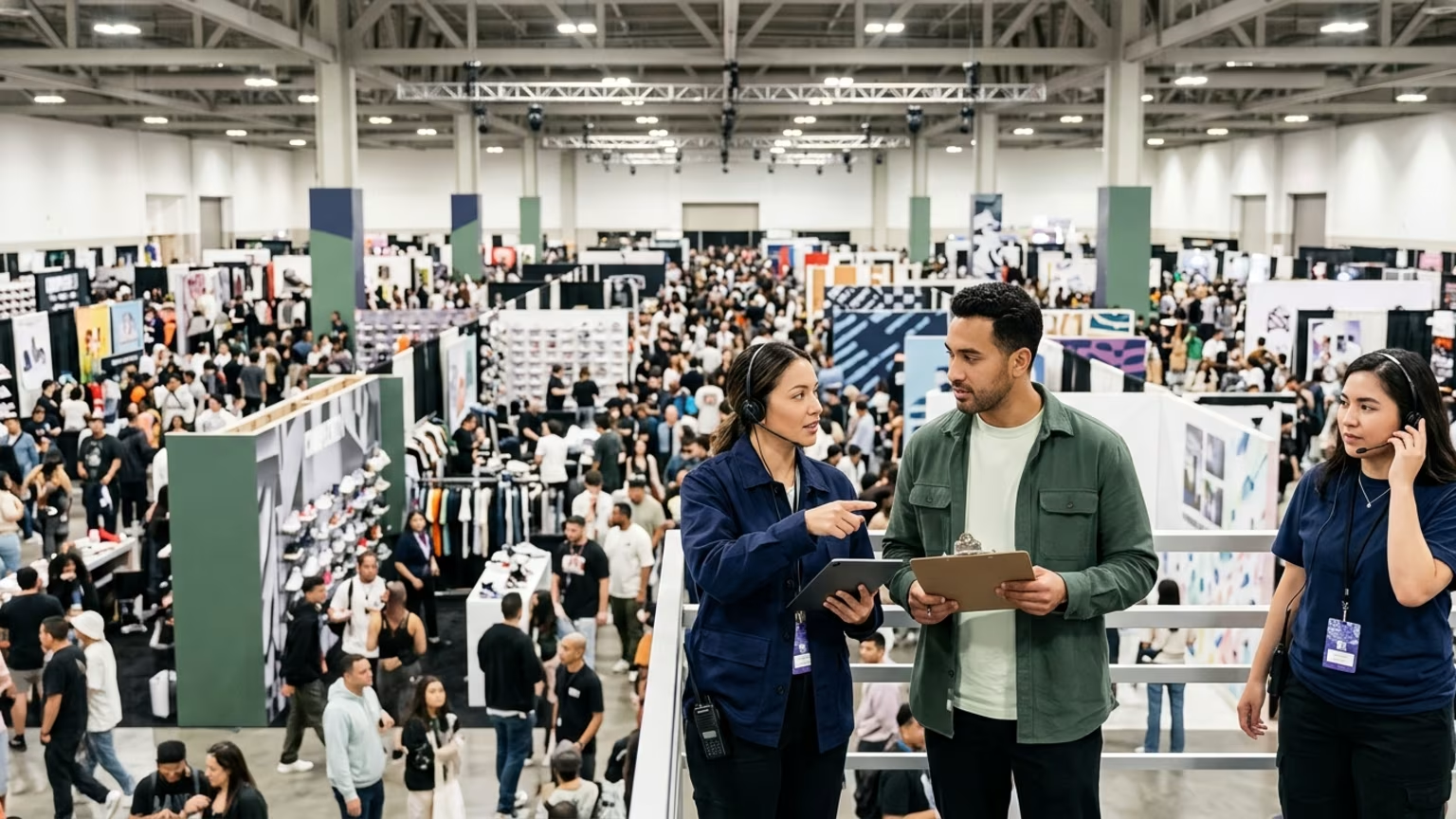
The trade show environment is inherently hostile to organized thought. Thousands of competing brands shout for the same limited pool of buyer attention. The physical space is crowded, loud, and physically exhausting for staff. In this high pressure setting, operational failures compound rapidly. A late freight delivery means your team builds the booth through the night.
Trade shows rank as the second most effective tactic for lead generation. Research from the Expo Stand Builders playbook shows that 81 percent of attendees hold real buying power. Yet many consumer brands treat these massive financial investments like spontaneous street fairs. Marketing teams spend months debating graphics and booth layouts but ignore the unglamorous mechanics of drayage and equipment flow. A minor oversight can snowball into a catastrophic failure on the floor.
A missing power adapter or a downed venue WiFi connection can paralyze an entire team. Staff members scramble to fix minor errors instead of qualifying buyers. Without a strict execution plan, even the most beautiful booth devolves into expensive chaos. Brands end up with exhausted ambassadors, scattered data, and zero proof of performance. The focus shifts entirely to putting out fires.
We handle every step of activation execution with precision and purpose, from initial concept through final logistics. Our comprehensive approach guarantees that each program is designed to spark curiosity, drive action, and leave a lasting impression on consumers. Experiential marketing must be built on a foundation of operational control. Anything less is just brand theater.
Winning on the trade show floor requires treating event management as a rigorous supply chain discipline. Documented logistics optimization programs can yield 6 to 15 percent savings on addressable spend according to industry benchmarks. This operational rigor frees up budget for better staff and better technology. We view trade show planning through a framework of parallel workstreams. The logistics must advance at the exact same pace as the creative ideation.
Strategy, booth design, and freight coordination must advance simultaneously with staffing protocols. Teams must map every physical movement of product before the first crate ships. Planning costco roadshows at scale taught us that detailed standard operating procedures prevent regional variations. You need a centralized playbook that every vendor and staff member understands. The goal is removing friction for the onsite team so they can focus strictly on the consumer.
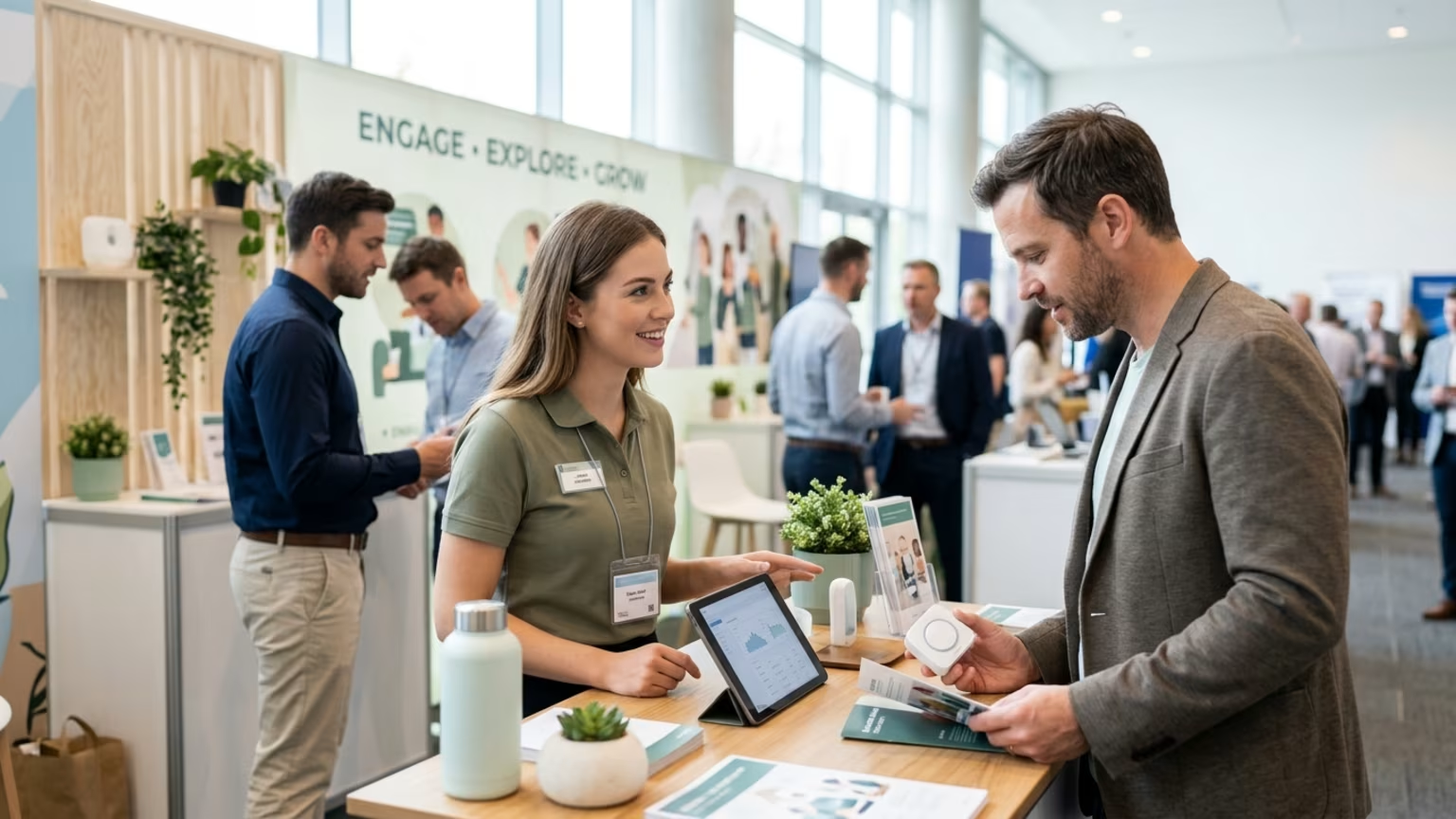
The best logistics playbooks treat physical events as an extension of the digital marketing funnel. Every physical interaction must trigger a digital tracking mechanism immediately. We structure our approach to eliminate any manual data entry on the floor. Teams simply tap a screen to log a sample, record a question, or rate a buyer. This seamless integration gives marketing leadership total visibility into the event performance in real time.
Relying on hope is a terrible strategy for field marketing. The best brands build redundancies into their systems to protect their investments. They know exactly how their physical footprint supports their sales goals. They plan for failures and build immediate workarounds into the staff training. A systematic approach turns a chaotic event into a predictable pipeline engine.
A flawless onsite reality is built months before the doors open. Experienced field directors know that early preparation prevents expensive late fees. This 16 week timeline turns a massive undertaking into manageable sprints.
Secure your floor space and negotiate early union labor contracts. Finalize the exact blueprint of your booth space. Audit your freight partners to confirm delivery windows align perfectly with the venue schedule. Late logistics planning always results in exorbitant rush fees.
Your early blueprint must account for the physical flow of human traffic. Do not place your sampling station right next to your deep conversation area. Separate the high volume interactions from the high value meetings.
Order all sampling supplies, backup power kits, and offline lead capture tools. Data from TradeShowPro indicates that teams using offline first apps capture 25 to 30 percent more leads at their first show compared to manual methods. Configure your CRM tags for the exact event. Train your marketing operations team on the data routing process.
A dedicated technology audit during month three prevents disaster on day one. Test every tablet, scanner, and monitor in your warehouse first. If a piece of equipment requires internet to function, you need a backup plan. Venues notoriously overcharge for spotty network connections.
Train your booth team on a strict engagement model. Assign specific roles like aisle puller, scanner, and qualifier to your staff. Practice handling objections and managing the flow of traffic from a quick sample to a deep buyer conversation. Understanding how many people you really need guarantees your footprint is neither empty nor overcrowded.
Roleplaying physical movements is just as necessary as memorizing talk tracks. Staff members need to know exactly where to stand to intercept attendees naturally. Proper body language keeps the aisle moving and draws curious onlookers inward. Never underestimate the power of a highly trained brand ambassador.
Ship your crates with real time tracking capabilities. Pre-book backup electrical setups and alternative internet hotspots. Print physical copies of every contract, tracking number, and contact list for the floor manager. Digital backups are useless if your phone dies and the venue has poor service.
Your contingency kit should include extra hardware, power strips, and basic tools. We always advise bringing a secondary supply of premium giveaways for top tier buyers. A minor investment in spare parts saves thousands of dollars in emergency venue fees. Preparedness signals extreme professionalism to visiting retail buyers.
Never let your expensive data decay. Implement strict 24 to 48 hour follow ups to secure the relationship. Send thank you emails on day one and follow up with a text on day three. The fastest brand to respond often wins the retail account.
Your sales team needs an immediate brief on the hottest leads. Pass the context of every conversation along with the contact data. A simple scan tells a sales rep nothing about the buyer friction points. Detailed notes from the floor create warm introductions that close faster.
You cannot improve a process that you refuse to measure. Experiential leaders must link logistical precision directly to financial outcomes. The right data points separate a vanity project from a true revenue driver. Leaders who learn how to connect live interactions to sales pipeline command larger marketing budgets.
Lead metrics track the immediate health of your floor operations. Track the average dwell time in your footprint. Monitor the volume of Tier 1 samples distributed versus Tier 3 deep qualifying conversations. Log the exact number of digital scans captured per staff member per hour.
These numbers reveal if your booth layout actually supports human connection. It is necessary to get better leads instead of just more scans to prove value to your executive team.
Lag metrics prove the long term impact of the event. Measure the percentage of leads that convert into scheduled meetings within two weeks. Calculate the total pipeline value generated minus the total logistical spend. Monitor the velocity of retail sell through following a major regional activation. A high Return on Investment requires meticulous tracking from the first scan to the final contract.
You must track the cost per engagement to justify your physical footprint. Divide your total event cost by the number of qualified interactions. This simple math reveals if your booth is operating efficiently. Compare this number against your digital customer acquisition cost to defend your budget.
Monitor the attrition rate of your leads over the 16 week post show period. A high initial scan rate means nothing if the contacts ignore your follow up sequences. Quality interactions on the floor always produce lower attrition rates later. Strong metrics give you absolute leverage during annual budget planning.
Consider a regional snack brand launching a new product line at a major food expo. The brand was entering the highly saturated organic chip category. They needed to secure commitments from independent grocers across the Pacific Northwest. Their initial strategy focused entirely on flashy graphics and loud music.
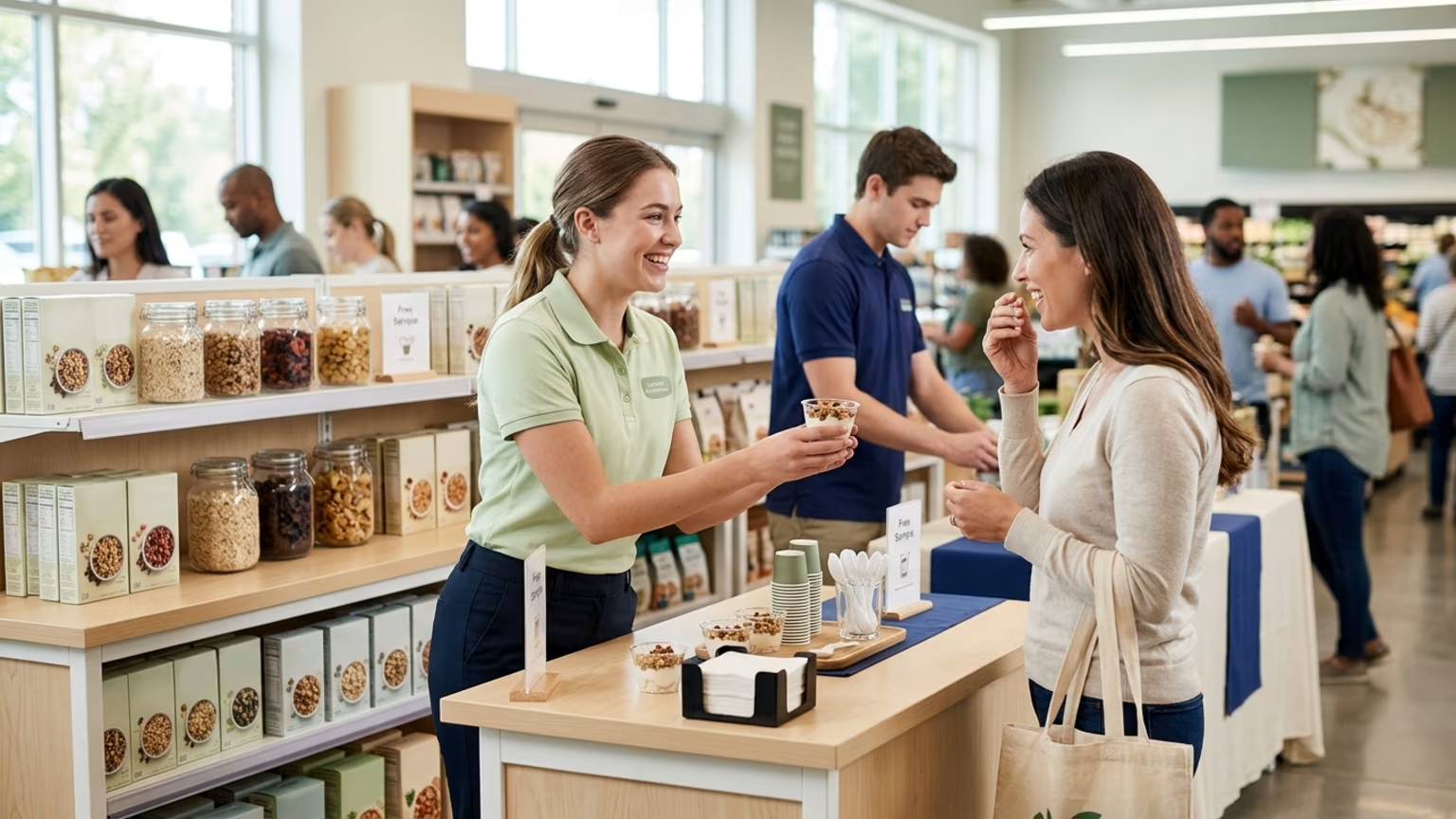
We shifted their focus to a hyper structured sampling sequence. We guided them to an efficient 10x10 inline setup optimized purely for rapid sampling and lead capture. This simple layout adjustment prevented wasted traffic and kept the team focused.
We mapped the physical route a buyer would take through their 10x10 space. Step one offered a rapid flavor trial. Step two captured the buyer contact details using a swift offline app. Step three moved the qualified buyer to a quiet corner for wholesale pricing discussions.
The execution team arrived with backup mobile hotspots and offline lead capture apps ready. When the venue internet failed on day one, the staff did not lose a single scan. By routing interactions directly into their CRM, the brand tracked a massive increase in local retailer interest. They executed their post show communication sequence within 24 hours.
The organized approach generated measurable pipeline rather than just tired feet. The sales team closed three major regional distribution deals within a month. The brand proved that a smaller footprint with flawless execution beats a massive booth with sloppy logistics. This level of discipline sets the standard for all their future campaigns.
Every single regional activation now follows this exact standard operating procedure. They scale their presence up or down based purely on the anticipated buyer volume. The marketing director no longer worries about missing freight or dead batteries. They focus entirely on capturing market share and supporting their retail partners.
Audit your shipping manifests and labor contracts a full 16 weeks before your next show. Do not let preventable logistical errors block your sales pipeline. Book a strategy call with our team to build your next precision playbook.

30 Years Experiential & Retail Activation Partner for CPG & Beverage Brands | Multi-Market Demos, Roadshows & Costco/Club Programs That Actually Sell