Robbie Thain
Founder, CEO

Trade show scanners collect names, not pipeline. This guide shows how to design a lead capture system that qualifies fast, routes leads correctly, and makes follow up easy, so your booth produces meetings and revenue, not a bloated spreadsheet.
.avif)
Quick answer: Better trade show leads come from a better system, not a louder booth. You need a simple qualification flow, the right questions, clear lead categories, and a routing plan so every lead gets the right follow up. Aim for fewer scans and more next steps, booked meetings, samples shipped, demos scheduled, or retailer introductions.
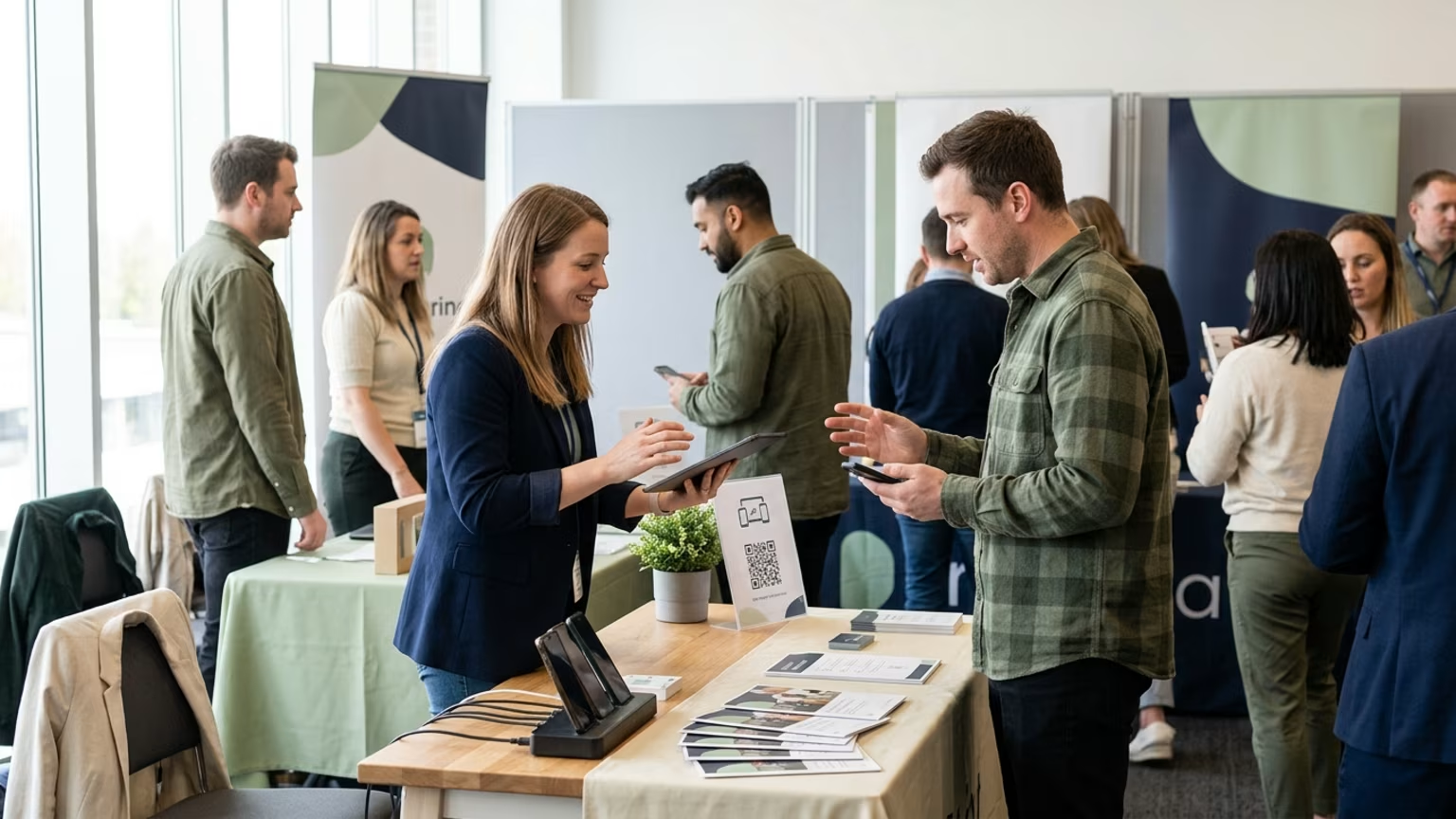
Most booths can scan hundreds or thousands of badges. That feels productive, yet it often creates a painful follow up week. Half the list is students, vendors, competitors, or people who just wanted the free tote bag. Sales gets overwhelmed, real prospects slip through, and leadership hears the same line every year, “We got lots of leads but the quality was mixed.”
A trade show lead list is only valuable if it turns into action. So the goal is not volume. The goal is qualified leads with a clear next step.
If you want quality, you need a shared definition before the show begins. A qualified lead is not “someone who stopped by.” It is someone who matches your target profile and has a reason to take a next step soon.
Build your definition using these filters:
This is the same thinking used in strong experiential briefs. If you need a clean way to align teams, see Experiential marketing brief template. How to set up agencies for success.
A booth is a fast moving environment. You do not have time for long discovery calls. A simple three step path keeps things efficient.
The first job is to quickly understand who this person is. Your greeter or first contact should be trained to spot fit fast. You do not need perfection. You need a good first filter.
Quality comes from a short set of consistent questions. Keep it simple and repeatable so every staff member can do it without thinking.
These questions work in most industries. Adjust the wording based on your audience, for example retail buyers versus engineers versus brand teams.
A badge scan without a next step is just a contact. A qualified lead should leave the booth with a clear next step, ideally scheduled or confirmed.
If your activation includes live demonstrations, staffing, or brand ambassador teams, make that next step easy to trigger through one link or form. This ties well with how Makai approaches engagement marketing programs.
Most teams use vague categories like “hot, warm, cold.” That is not wrong, but it often fails because it does not tell anyone what to do next. Better categories are action based.
Here is a clean system that works in practice:
Now each category routes to a different follow up flow. This prevents sales from wasting time and helps serious prospects move faster.
Booth staff will not fill out a ten field form during a rush. If your form is too long, it will be skipped or filled with junk. The best lead capture forms are short and structured.
Notes are valuable, but only if they are short and readable. Train staff to write one clear line that sales can understand in five seconds.
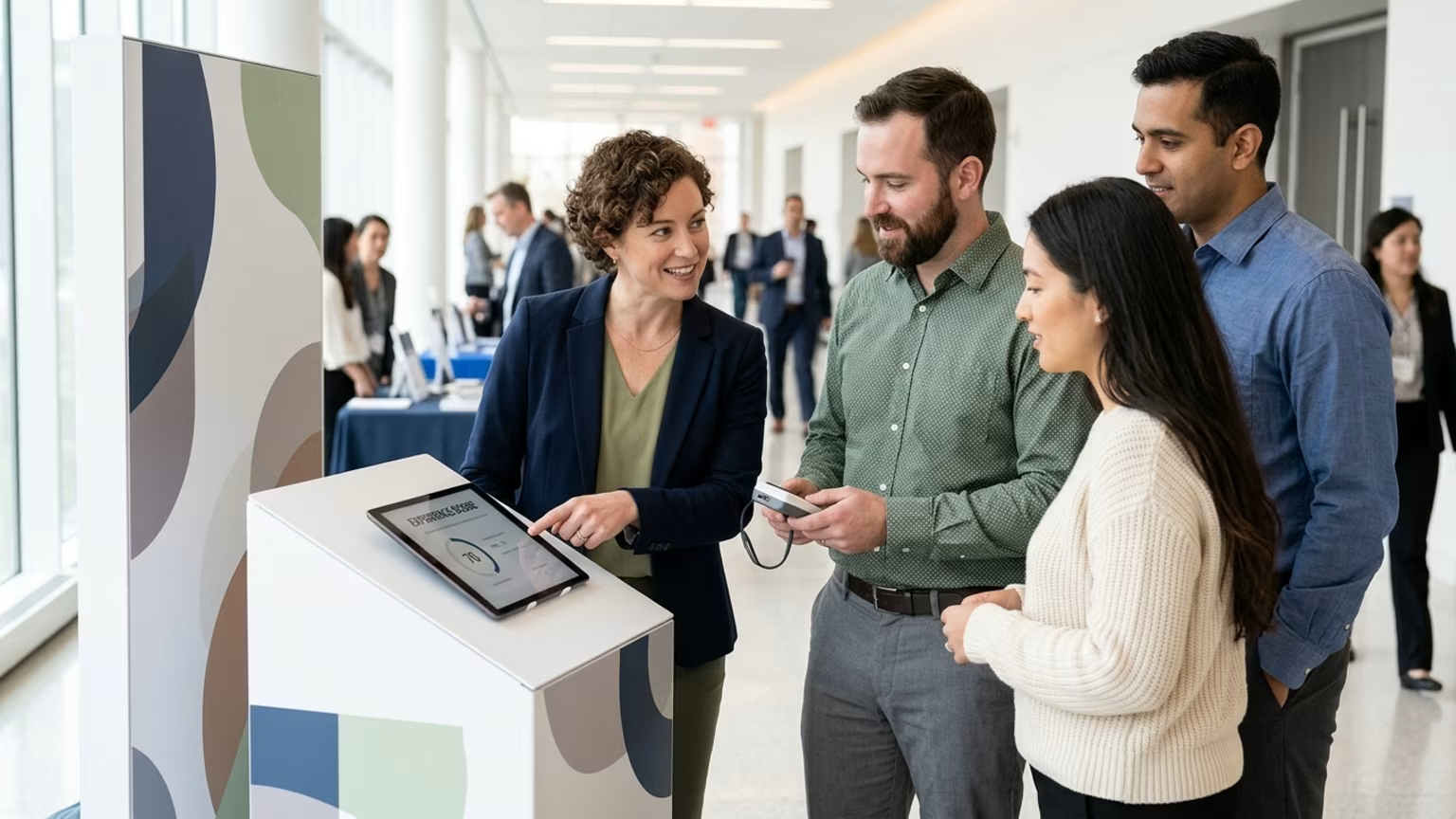
A lead capture system fails when everyone is doing everything. At busy shows, you need roles.
This is similar to how field teams run demos and activations at scale. If you are building programs with brand ambassadors, see Brand ambassadors. How to hire, train, and manage field teams.
If you use badge scanners, add one required habit. Do not scan until you have asked at least one qualifying question. This simple rule prevents “drive by scans” that clog your list.
If someone refuses to answer anything, you can still scan them, but mark them as Category D. That keeps your data honest.
Giveaways pull crowds, yet not always the right crowds. A better approach is a micro offer that filters for your target.
This works very well for experiential and trade marketing services, where the real buyers are marketing directors, shopper teams, and brand managers. It also pairs well with a clear CTA on your site, like /request-proposal.
The fastest way to waste a trade show is to collect leads and then do nothing clear with them. Routing means deciding who gets what lead, when, and how.
If your team sells by territory, add a region field and use it for routing. This matters for national programs where different markets require different coverage. It also matches how Makai thinks about national execution, as shown on the Where we work page.
Booth follow up often fails because sales has to write from scratch. Provide two short templates that are easy to send and personalize.
Keep follow up fast. The longer you wait, the colder the show momentum gets.
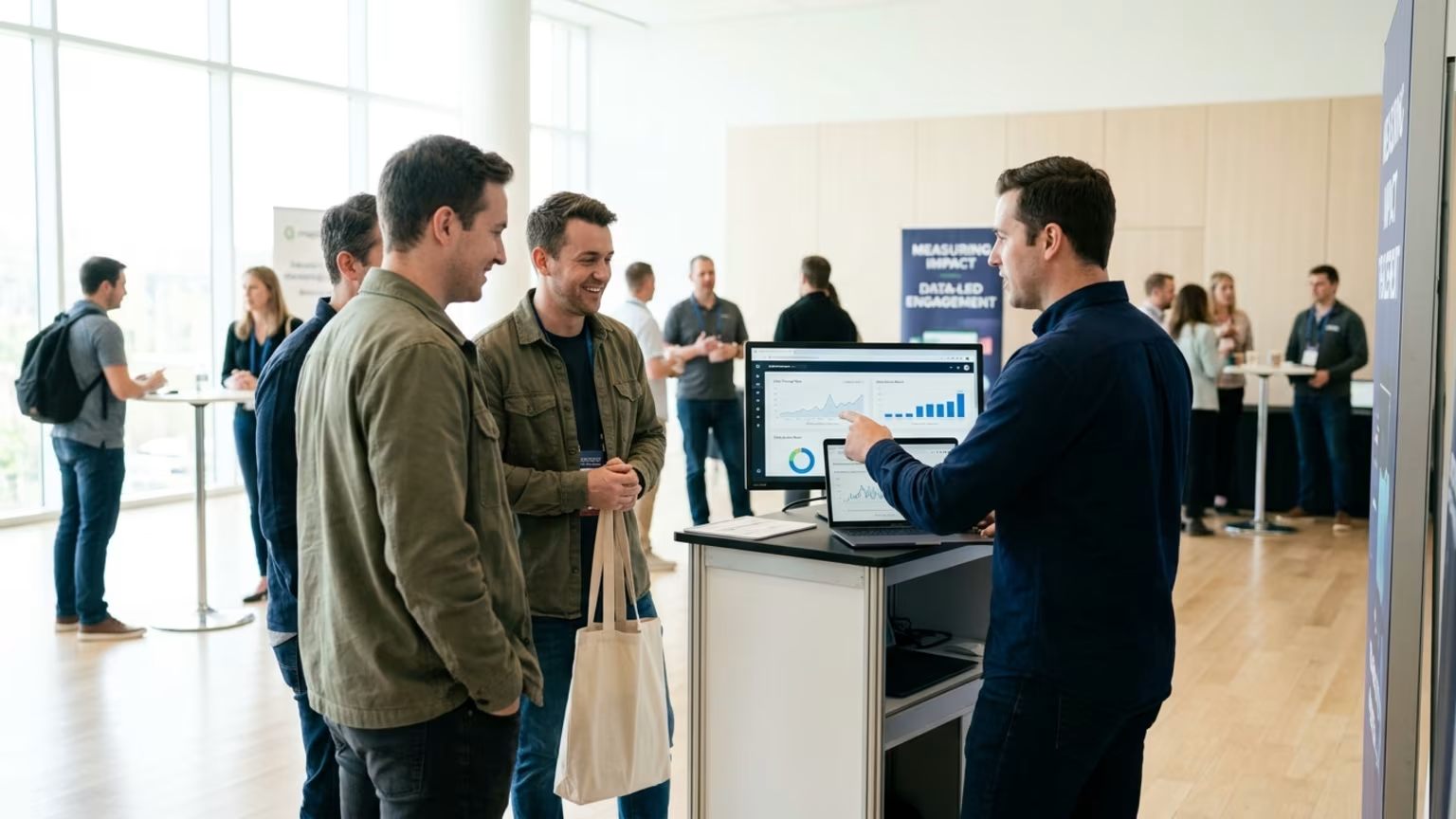
If you want to defend budget, do not report only total leads. Report quality and outcomes.
This ties into a broader view of experiential measurement. If you want a deeper framework, see Experiential marketing ROI. How to prove impact without perfect data.
Trade show success is not the booth alone. It is the system behind it. If you want better leads, build a short qualification flow, train staff on two to three questions, use action based categories, and route leads fast.
If you want help staffing and running trade show programs with brand ambassadors, logistics, and clean reporting, explore engagement marketing and experiential marketing, then reach out through /contact or /request-proposal. The goal is simple, fewer scans, better outcomes.

30 Years Experiential & Retail Activation Partner for CPG & Beverage Brands | Multi-Market Demos, Roadshows & Costco/Club Programs That Actually Sell