Robbie Thain
Founder, CEO

Coffee Fest New York 2026 is March 8 to 10 at Javits Center. Learn booth, meeting, and lead capture tactics that turn cafe trade show buzz into sales.
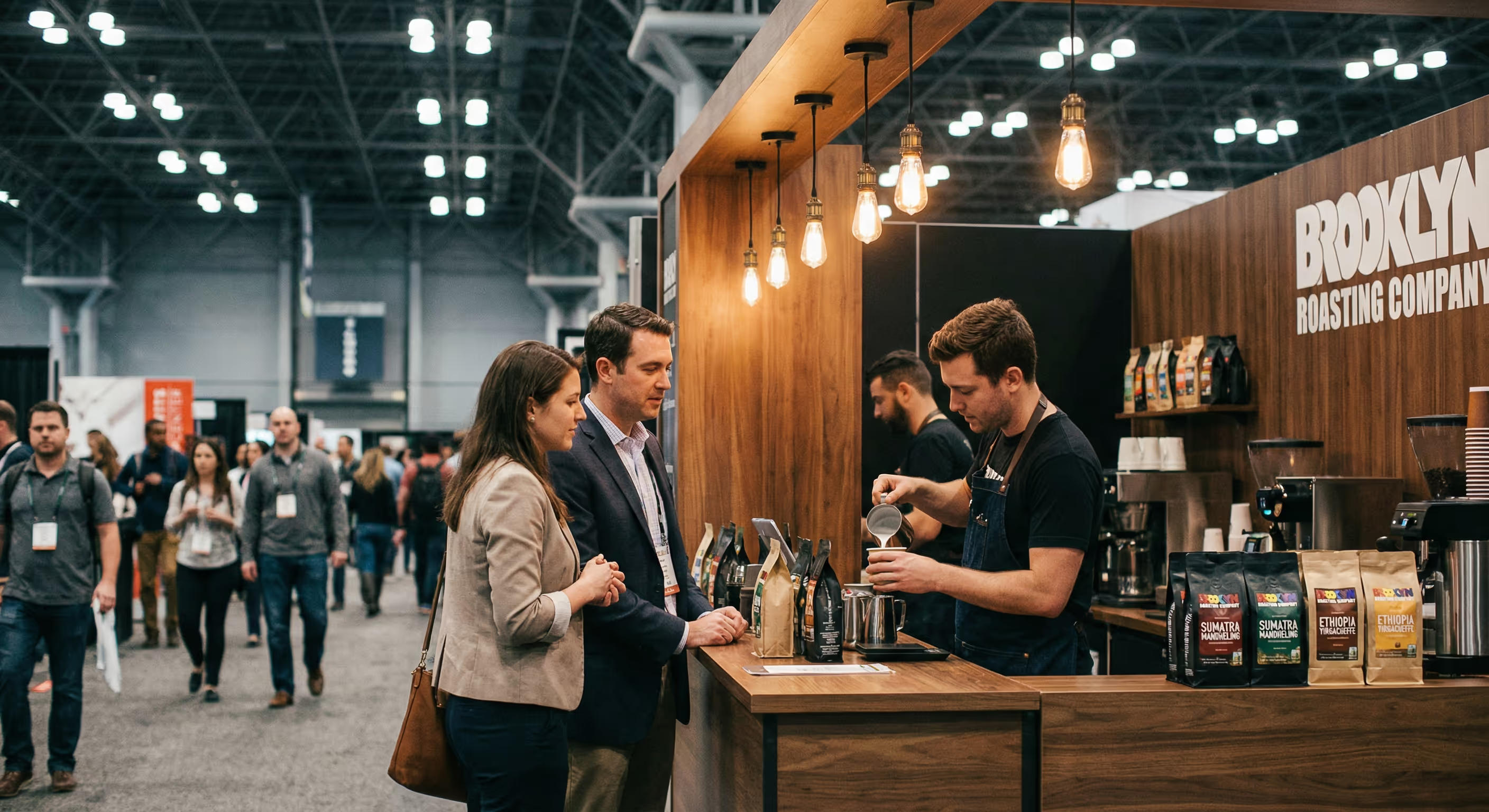
Coffee Fest New York 2026 runs March 8 to 10, 2026 at the Javits Center in New York City. It is a specialty coffee and beverage trade show for cafe owners, roasters, equipment brands, and the teams that support them.
If you have a product that needs a quick demo, a taste, or a side by side comparison, this show can be a strong fit. The floor is full of people hunting for better beans, better gear, and better systems. That means your booth has one job. Create a fast, clear reason to start a business conversation.
This post is a practical plan for Coffee Fest New York 2026. You will learn how to pick the right goal, book meetings before the show, design a booth flow that stays busy, and capture leads you can act on.
If you want a partner for booth staffing, on site execution, and reporting, start with trade show experiences.
Coffee Fest New York 2026 takes place March 8, 9, and 10, 2026.
The event is at the Javits Center in New York City.
No. Coffee Fest positions the New York show as a business to business event for coffee or restaurant professionals, plus people seriously preparing to enter the specialty coffee industry.
Pick one primary goal. For most exhibitors it is one of these, book wholesale meetings, collect qualified leads, or sell a starter bundle on the floor.
Run a tight demo every five minutes and pair it with a clear, calm ask. Do you want to taste it, try it, or see it work.
Use a two step capture. Step one is a quick scan or form. Step two is a short note from your team that tags the lead by need and timeline.
Plan for a minimum of two roles at most times. One person runs the demo pace, one person runs the conversation and close. Add a floater for peak windows and breaks.
Many brands show up to Coffee Fest with a nice booth and a stack of samples, then wonder why the right people walk past. A coffee trade show is noisy. Every booth has gear, beans, and bold claims. Buyers have limited time and a short attention span.
The fix is not more giveaways. The fix is a plan that starts weeks before the show. When you book meetings early, your booth team has a reason to focus. When your demo is built around one proof point, your pitch gets shorter and your close gets easier.
Coffee Fest New York is also co located with the New York Restaurant Show, with a separate badge required for that event. That can shape traffic patterns and buyer intent. Treat the show floor like a map, not a mystery.
If you work in coffee, tea, or allied beverage, this is a strong fit for the Makai approach to experiential marketing. It is not about hype. It is about getting people to act, then proving it with clean numbers.
Exhibiting makes sense when you have one of these, a new product launch, a new wholesale offer, a new equipment feature, or a new service offer for cafe operators. Attending only can be smarter when you are still validating pricing, packaging, or positioning.
A simple test is this. Can you explain your offer in ten seconds, then prove it in thirty seconds. If not, do the work before you buy booth space.
Trade show booths fail when they try to sell everything. Pick one hero offer that matches what buyers want at Coffee Fest.
Build your booth around that hero. Keep other offers as add ons after the main conversation.
Write one sentence your team can say the same way every time. It should be clear to a busy cafe owner walking by.
Examples, We help cafes serve drinks faster with less training. We help roasters win more wholesale accounts with a simple program. We help you add a new beverage line that sells in under one minute.
Then write a second sentence that proves it. Use one number, one demo, or one comparison. Keep it simple.
Your best leads are not random walk ups. They are booked conversations. Use three channels.
Set a goal for meetings per day. Then make it easy to say yes. Offer set time slots, plus a short reason for the meeting, like a five minute demo or a new wholesale program review.
If you want a deeper meeting plan, use the approach in trade show strategy.
Most shows provide exhibitor tools to invite customers. Coffee Fest highlights a discount invite option for exhibitors, which can help you get existing contacts on the floor and at your booth. Treat this like a meeting driver, not a blast email.
Send short invites, one per segment. Cafe owners get one message, roasters get another, equipment buyers get another. Your subject line should match the booth message.
At Coffee Fest, people stop for two reasons. They want to taste something or they want to see something work. Your booth flow should respect that.
Make the demo time based, not crowd based. If you only demo when asked, your booth feels dead. A demo every five minutes keeps energy up and gives passersby a reason to pause.
If you are serving samples, treat it like a cafe menu. Offer one hero taste and one backup. Keep the portion small, fast, and consistent. The goal is not to fill people up. The goal is to earn a conversation and a cart level decision later.
If you are showing equipment, set up the demo so it can run without a long reset. Every minute you reset is a minute you lose traffic.
Give your team a short script, then give them permission to be human. The script should cover three parts.
If you need help building this kind of field team system, the principles in brand ambassadors apply on trade show floors too.
A two person booth still needs roles. When roles blur, the demo slows down and leads slip away.
Plan breaks like a schedule, not a guess. A tired team stops smiling and stops closing.
For a simple sizing model you can use across shows, see trade show staffing.
Trade show lead capture fails when it is too slow or too vague. Your goal is to capture the next step, not just the email.
Use a two tier system.
This is the same idea in Makai’s guide to trade show lead capture. Better leads come from better tagging, not more scans.
Coffee Fest is known for education and skills training. For New York, the program includes hands on barista training and a latte art competition format. Use that energy. If attendees are learning, they are open to new tools and better methods.
Send one team member to a few sessions, then bring back the best ideas as booth talking points. Your booth gets sharper when it speaks the same language as the floor.
You do not need perfect data to prove value. You need consistent data that matches your goal.
Most trade shows fail after the show. Leads sit too long. Fix that with a simple scoreboard.
If your leadership team wants to see a clean story, the reporting structure in experiential marketing reporting can help, even when the event is a trade show.
If you are a brand lead, CMO, or sales leader, ask for these items before you approve Coffee Fest New York 2026 spend.
When these items are clear, the show becomes predictable. That is when trade shows turn into pipeline.
If Coffee Fest New York 2026 is on your calendar and you want help with booth flow, staffing, logistics, and reporting, Makai can support the full program. Start with Request a proposal and share your offer, your target buyers, and your goals for New York. If you are planning other markets too, see where we work and our New York coverage at New York.

30 Years Experiential & Retail Activation Partner for CPG & Beverage Brands | Multi-Market Demos, Roadshows & Costco/Club Programs That Actually Sell