Robbie Thain
Founder, CEO

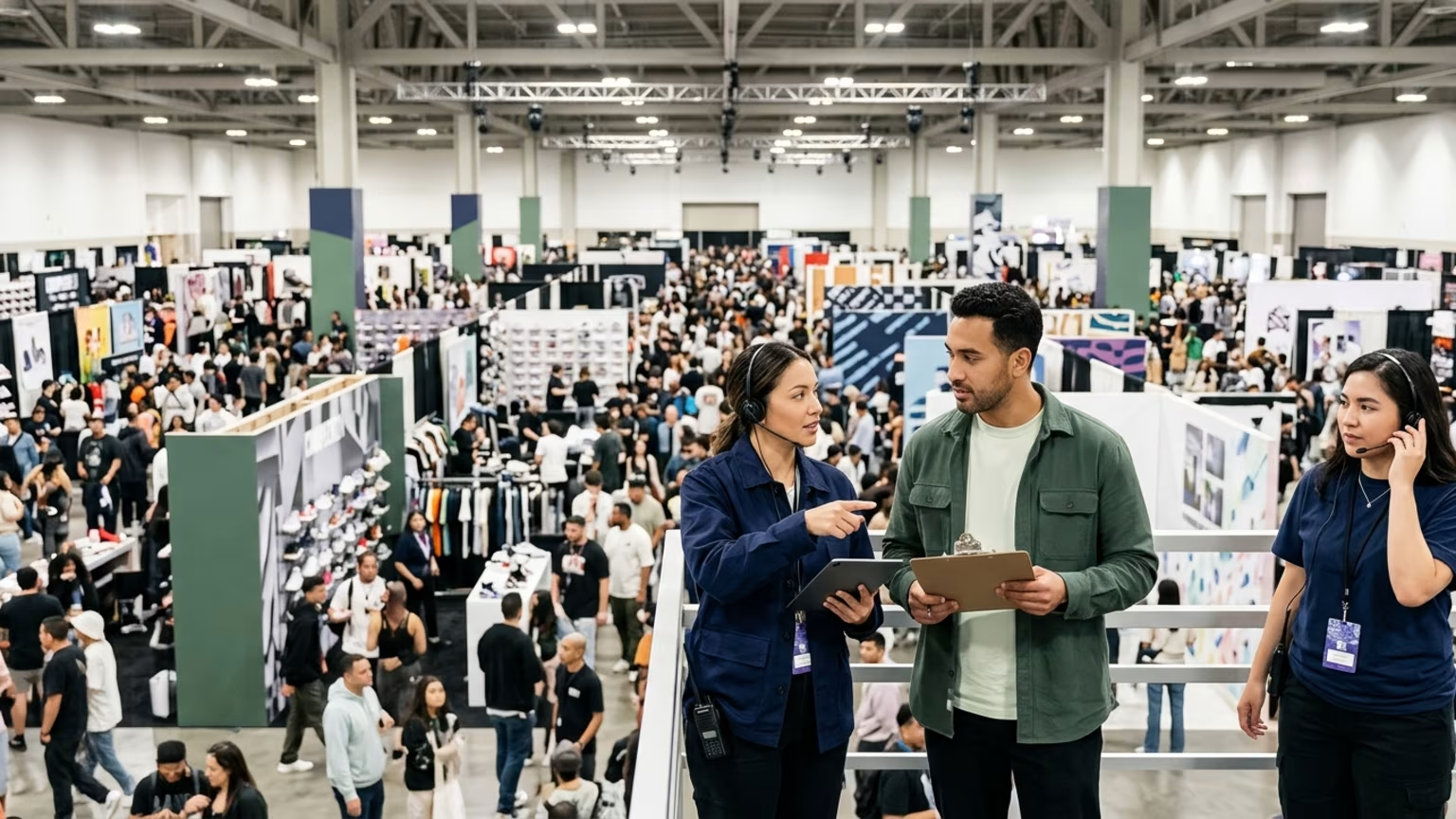
Too few staff kills leads, too many wastes budget. This guide shows a simple way to staff your booth based on traffic, goals, and booth layout, with clear roles, shift rules, and a quick staffing calculator you can use before you book flights.
Quick answer: Most booths fail because staffing is guessed. A good staffing plan is based on traffic, the type of conversations you need, and how long each interaction should take. Start with clear roles, then staff enough people to cover breaks, demos, meetings, and peak surges without leaving the booth unattended.
Trade show budgets often go to booth design, sponsorships, and travel. Staffing is treated like an afterthought. That is how brands end up in one of two bad situations.
A smart staffing plan prevents both. It protects lead capture, booth energy, and team performance across the whole show.
The right headcount depends on the goal. A booth built for meetings needs different staffing than a booth built for demos or sampling.
Pick the primary goal for the show:
If you are still aligning goals and follow up rules, this pairs well with Trade show lead capture. How to get better leads, not more scans.
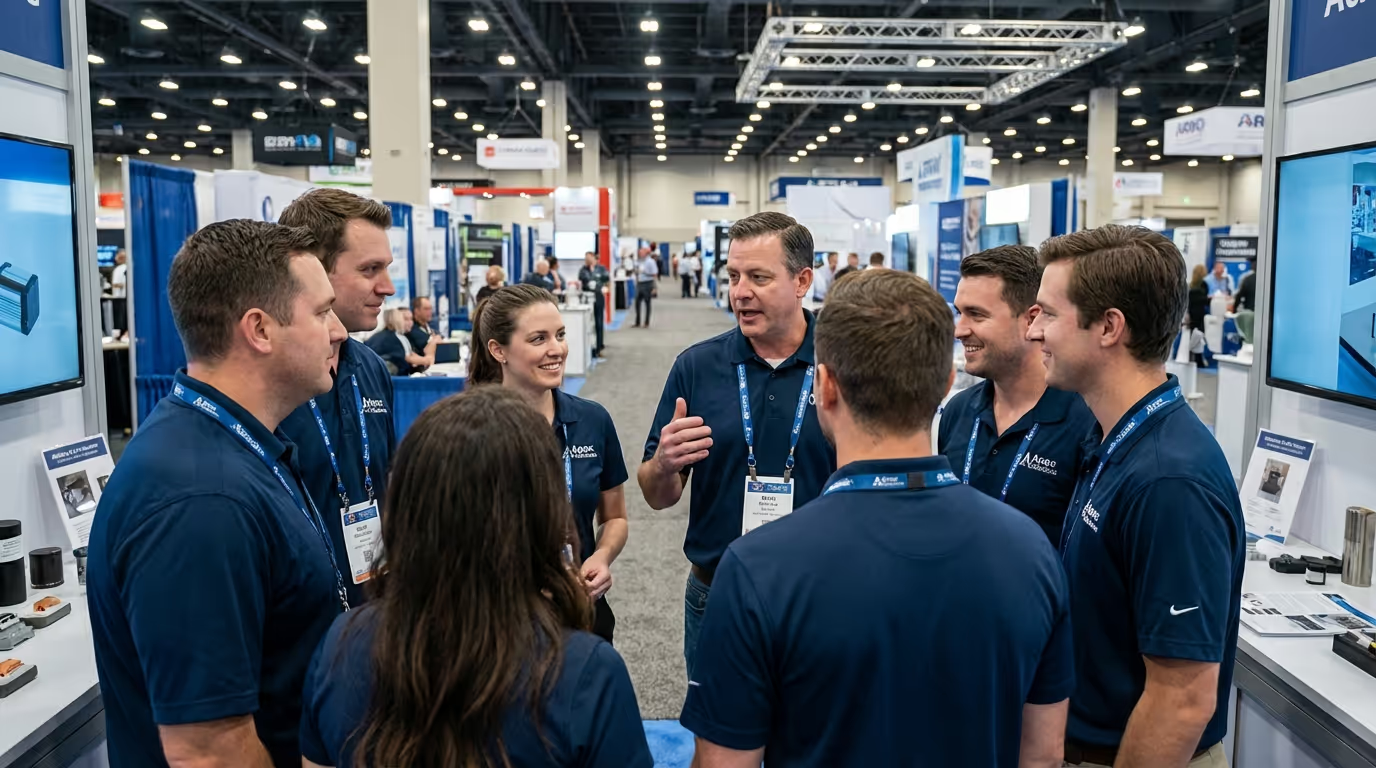
One big reason booths struggle is that everyone does everything. When traffic spikes, no one knows who is greeting, who is qualifying, and who is closing. Roles fix that.
Stands at the edge of the booth, welcomes visitors, and filters quickly. This role protects your team from getting buried by low fit traffic.
Has the short conversation, asks two to three questions, and decides if the visitor is a strong lead or a quick handoff.
Runs live demos and keeps them repeatable. This person should not be dragged into long sales chats.
Sets the next step and makes sure the lead is logged correctly. This is often your best sales person on site.
Resets the booth, handles supplies, steps into gaps, and helps during peaks. A floater can save a day when something breaks.
If you do scheduled meetings, you need someone who can step away without collapsing booth coverage.
You do not need perfect math. You need a reasonable estimate. Use this method.
Do not count everyone who walks by. Count only people you can actually talk to.
Here is the practical rule. One person can handle about 6 to 10 solid conversations per hour if they are also doing lead capture correctly. If your booth needs longer talks or demos, one person handles fewer.
So if you expect 30 real conversations per hour and you want them to be high quality, you likely need:
That is five people on the floor during peak hours, not counting breaks.
These factors increase the number of people you need.
Here are common patterns that work well. Adjust based on your goal.
For brands doing experiential work beyond the show floor, staffing also matters for brand ambassador programs and logistics. Makai supports these programs through engagement marketing and trade show activations.
Trade show days are long. If you schedule everyone for full days on the floor, performance drops fast. People stop smiling, they rush conversations, and they miss good leads.
Use simple shift rules.
In many cases, yes. Brand ambassadors can be a smart way to keep the booth running smoothly while your internal team focuses on high value conversations.
Brand ambassador support can cover:
If you want the full view on staffing and training, see Brand ambassadors. How to hire, train, and manage field teams.
If leadership asks if staffing was “right,” you can answer with a few simple indicators.
This fits into a larger measurement system, similar to what we outlined in Experiential marketing ROI. How to prove impact without perfect data.
If you have a show on the calendar, do this before you book flights.
If you want help staffing trade shows with trained brand ambassadors, logistics support, and clean reporting, reach out through /contact or /request-proposal. The right headcount is not guesswork. It is planning.

30 Years Experiential & Retail Activation Partner for CPG & Beverage Brands | Multi-Market Demos, Roadshows & Costco/Club Programs That Actually Sell